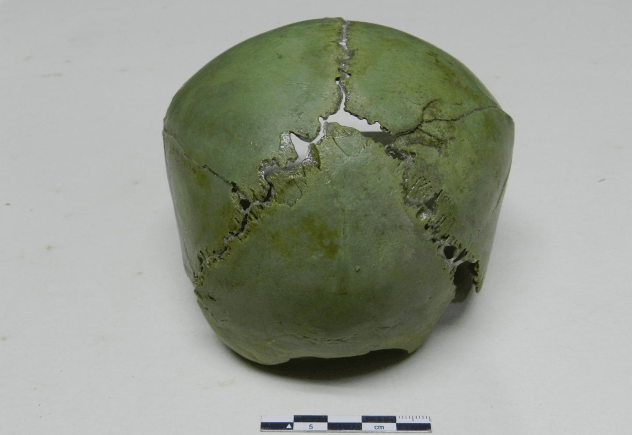
It's very rare to find burials of infants because their bones are so small and frail that they actually crumble over time. History shows that young children are often the first victims of changes in the environment and living conditions. Their burials usually reveal far more about an era than those of adults. However, baby burials are also much more jarring when found.
advertisement
#1 Upward Sun River Remains
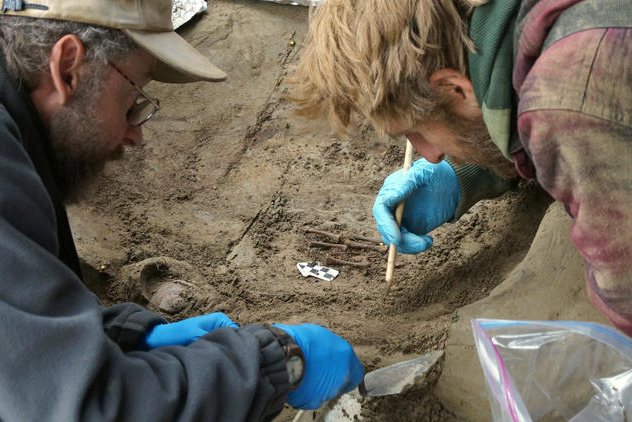
The charred remains of a three-year-old and a 20-month-old fetus were found in Alaska's Upward Sun River site in 2012. This is the oldest remains of an infant found in North America, as the remains dated back over 11,000 years. The child had been cremated in a cooking pit and interred in a shallow grave before the family moved on. Upon further investigation, other remains of babies were located near the site, all females. These ancient remains are likely united by blood or tribal kinship but because of the age, it will be virtually impossible to tell any more about the deaths or burials.
#2 Sorority Slayer
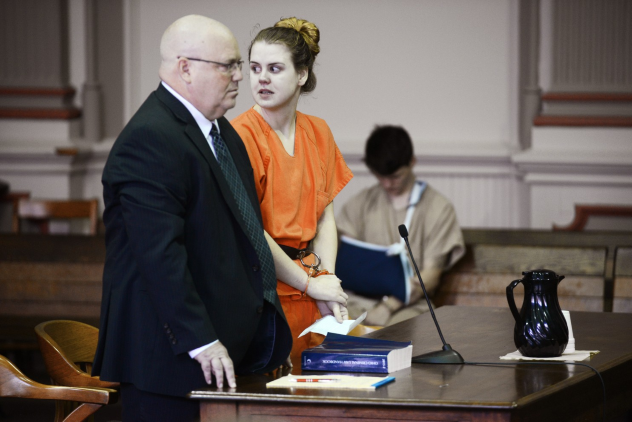
A member of the Delta Gamma Theta house in Ohio's Muskingum University, Emily Weaver, then 21, was sentenced to life in prison for murdering her newborn baby. Court reports show that she tried to abort the child herself using drugs, alcohol, popping labor inducing pills, and playing contact sports while pregnant. She gave birth in the sororities bathroom on the toilet and then she put the newborn and the placenta in a trash bag and threw them away. The baby suffocated to death. The murder was discovered while during the night a house member heard a child crying, and the girls searched the building only to find the bag in a trash bin with a baby's foot sticking out. It died before the girls could find it.
advertisement
#3 Tuam Secret Grave
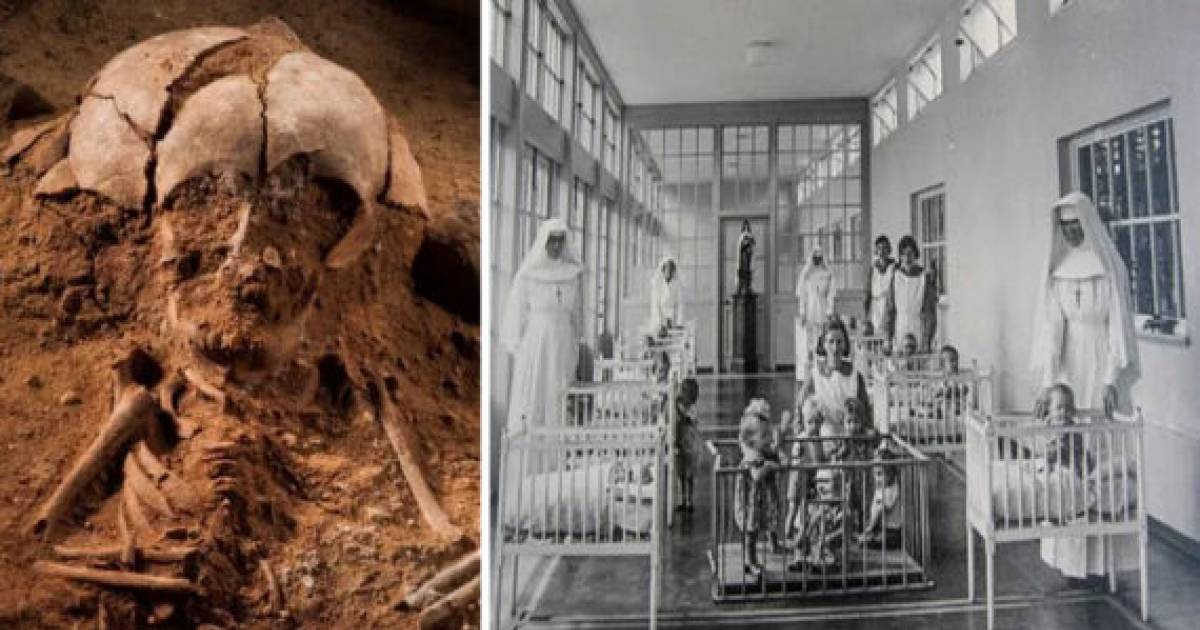
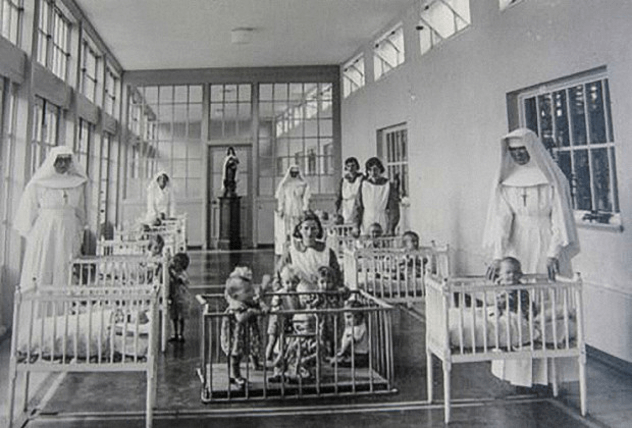
A gruesome discovery was made in Tuam, Ireland when the remains of 796 babies were found by a historian in a disused sewage tank. All of the babies died of measles, tuberculosis, and pneumonia between 1937 and 1961 at a home for unwed mothers run by Catholic nuns. Most were under a year old at the time of death. The youngest was three weeks old. The Bons Secours Sisters ran the home and began using the septic tank after is was replaced, with an average of 20 infants being piled into the tank yearly. Apparently, local community residents knew of the secret burials but never reported it to authorities.
#4 The Bishop’s Hidden Companion
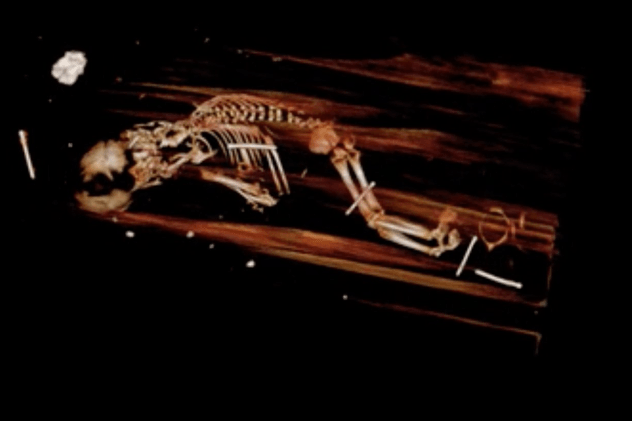
considered one of the best-preserved 17th-century European corpses, Bishop Peder Winstrup's mummified remains rest quietly for 350 years at the cathedral crypt in Lund, Sweden. A CT scan of the mummified body hoped to reveal some insight into the era, around 350 years ago, but instead they discovered a tiny infant tucked between the Bishops feet. The coffin had been opened several times before, and several photos had been taken of the corpse over the ages, but the remains of the baby were never seen. DNA shows the baby and the Bishop are not related and experts believe that someone placed the baby there to give it a proper Catholic burial, as it was covered under herbs and leaves.
advertisement
#5 Baby Grave Trees
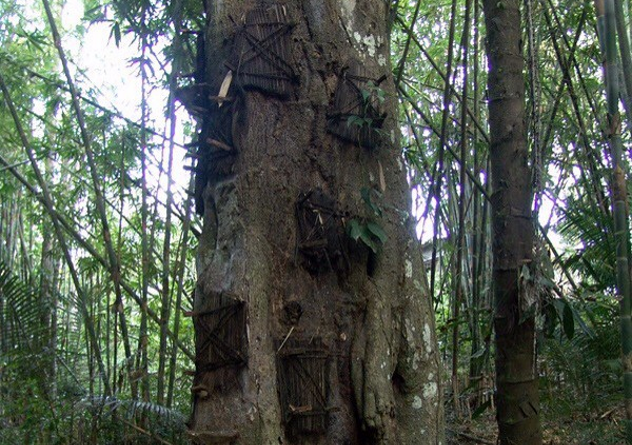
Indonesia's Toraja people are known for their unique funeral rituals. The most famous of these is the Cleaning of the Corpses, when they exhume, clean, and parade around dead relatives, often in extreme states of decay. babies are also attended to in an unusual way by the Toraja. If a child dies before gettings its teeth, it is buried in what is known as a 'Baby Tree'. Holes are drilled up and down the trunks of trees and the babies bodies are placed in the holes, covered by fiber mats. As the tree grows, it absorbs the infant's corpse. Toraja belief holds that so long as the tree remains alive, so do the babies inside. Though the practice was stopped in the 1920s, the trees full of baby skeletons still remain in the area.
advertisement
#6 Hambleden Horrors
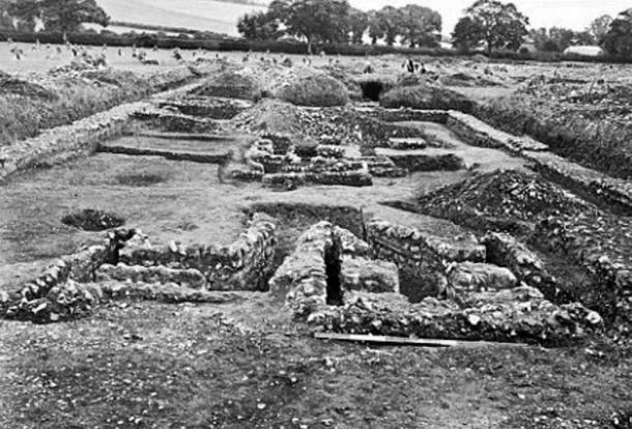
Estimated to be 1,800 years old, archaeologists discovered a burial ground in England in 1912 that had the remains of 97 infants among the other bodies. Thirty-five of the bodies, the most well preserved, were buried in boxes meant to hold cigarettes and shotgun shells. During the discovery the bones came up missing, only to be discovered later in the Buckinghamshire County Museum. The bones showed that the infants were killed almost immediately after birth. The theory about the murders of these babies is that they were the result of brothel workers and the Romans had them killed.
advertisement
#7 Bathhouse Baby Burial
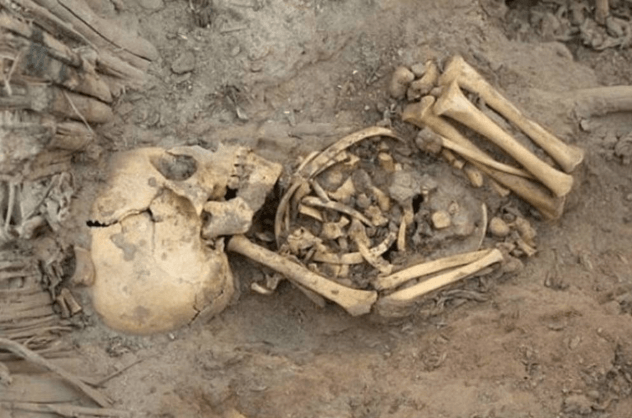
At the ancient Roman seaport of Ashkelon in Israel, archaeologists made a grisly discovery. The sewers below an ancient bathhouse contained mounds of small bones that they believed were simply bones of thousands of chickens. They were 100 Roman-era children who were discovered to have died perfectly healthy. In Roman times, infanticide was considered birth control, not a crime. Mothers would leave their babies outside to be either taken by a mother to adopt or taken by the Emperors soldiers to be culled from society. According to history, city founders Romulus and Remus believed that if a wolf took the child it meant good luck for all citizens. However, in this case, the babies were found to have been killed intentionally.
advertisement
#8 German Mesolithic Cemetery
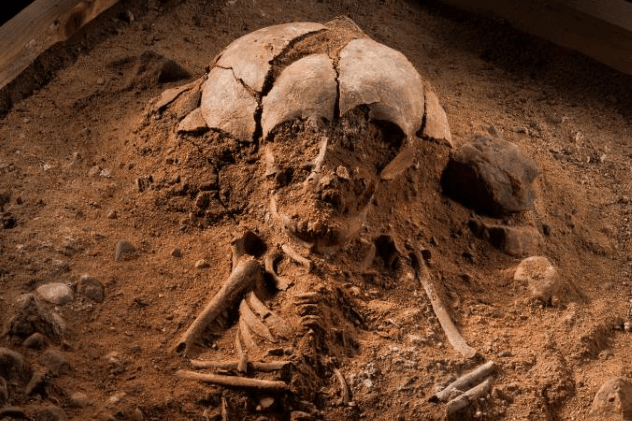
Dating back 8,500 years, the find of an ancient cemetery is remarkable because Mesolithic hunter-gatherers were thought to have buried their dead on the move. In 2014, nine bodies were discovered, six were children and one was an infant. The six-month-old baby is the youngest skeleton ever found in Germany, just outside of Berlin. One of the most bizarre discoveries was a man buried standing up. Dated 1,000 years after the infant, the man was buried up to his knees. His upper body decayed and fell into the grave before being buried. This is why experts believe this was a designated burial ground, though the area is all rock and hard to dig into.
advertisement
#9 Mummified Fetus
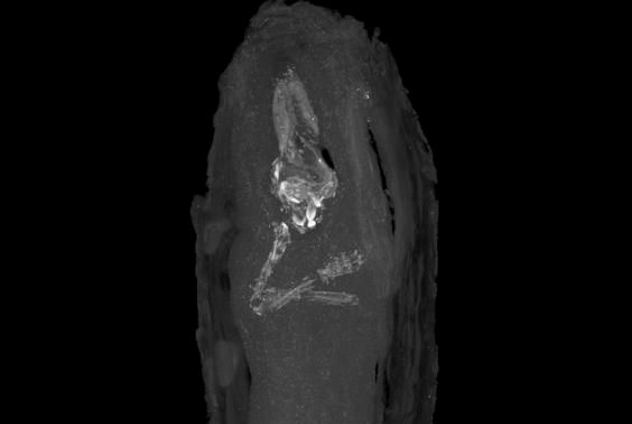
In 1907, archaeologists at Giza discovered a tiny cedar coffin. For decades, they believed it contained organs removed during mummification. However, a recent CT scan by Cambridge University revealed very different contents: a fetus. Dated from between 664 BC and 525 BC, the fetus is the youngest ever discovered. There are no physical abnormalities that would have prevented the 18-week old baby from being carried to term. The finding shows the Egyptian conception of death and the value they placed on life. The fetus was carefully wrapped and sealed with molten resin.
advertisement
#10 Athenian Well Burial
In the 1930s, the remains of 450 infants were mixed with bones from 150 canines, all dating back to 165 BC in the ancient city of Athens under a well that was dug into bedrock. It was believed that the babies and dogs all died from the plague. However, later investigations revealed that all of the babies died from natural causes, including meningitis, caused from improperly cutting of the umbilical cords. No one has ever explained why the canine bones were in the well with the children.