Believe it or not, these strange weather phenomena actually happen. On EARTH!
Bizarre Weather Phenomena You Won't Believe Are Real
By
Editorial Staff in
Amazing
On 27th November 2015
advertisement
#1 Volcanic Lightning
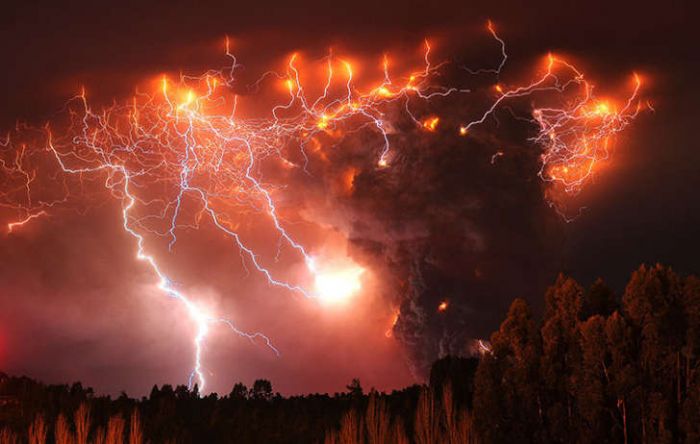
It's believed that this crazy mix of lightning and lava occurs due to positively charged material within the volcano being shot up into the atmosphere. The atmosphere balances out it's charge distribution through the creation of lightning. The storms usually start up before the actual eruption, which makes it hard for scientists to study the phenomena.
#2 Sun Dogs
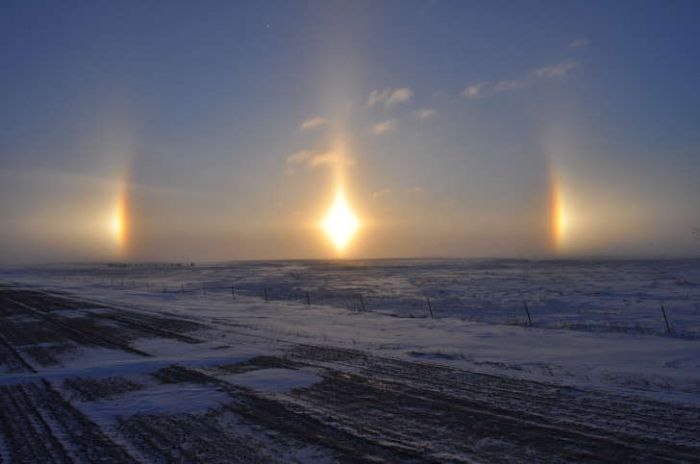
Parhelia, Sun Dogs, or Mock Suns, are two spots of light, one on both sides of the sun, that are connected to a halo that encompasses the sun. This light effect is caused by sun light bouncing off ice crystals in the atmosphere. They're usually best seen when the sun is near the horizon in the winter months.
advertisement
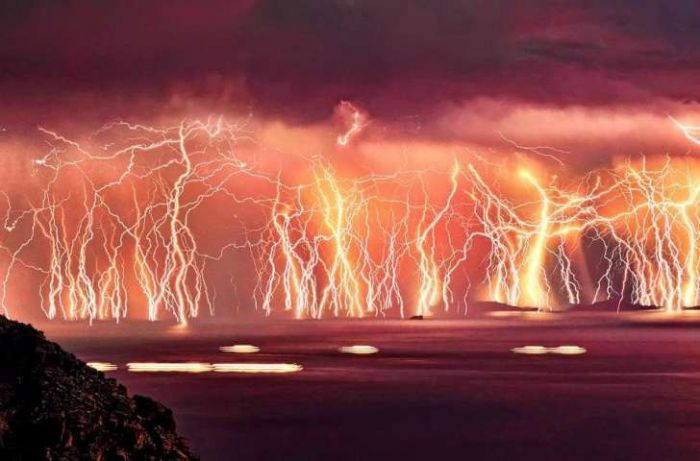
#3 Catatumbo Lightning
Only occurring over the mouth of the Catatumbo river in Venezuela. The most defining characteristic of this storm is the power and the frequency of the lightning. This concentrated lightning storm, which can last for over 10 hours, is one of the world's largest single generators of tropospheric ozone and happens 140 to 160 times every year.
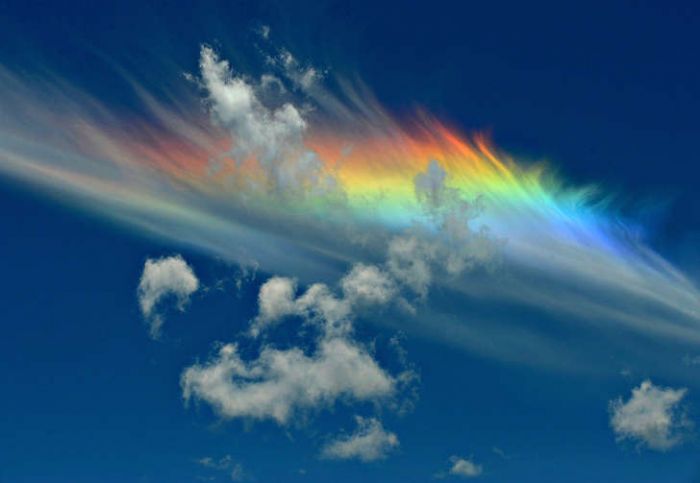
#4 Fire Rainbows
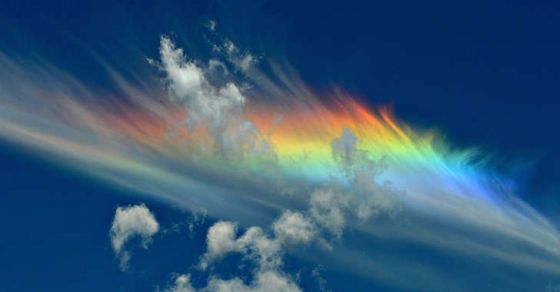
Though very beautiful, the name fire rainbows is deceiving as these are actually created by ice crystals located in the cirrus level of the sky. Fire rainbows are a type of ice halo, but the halo is so broad that it gives the appearance that the arc is parallel to the ground. These are very rare to see because a specific list of things have to occur in order for it to work. These include the sun being at an elevation greater then 58 degrees, the presence of high altitude cirrus clouds with plate shaped ice crystals, and the sunlight hitting the crystals in the right direction.
advertisement
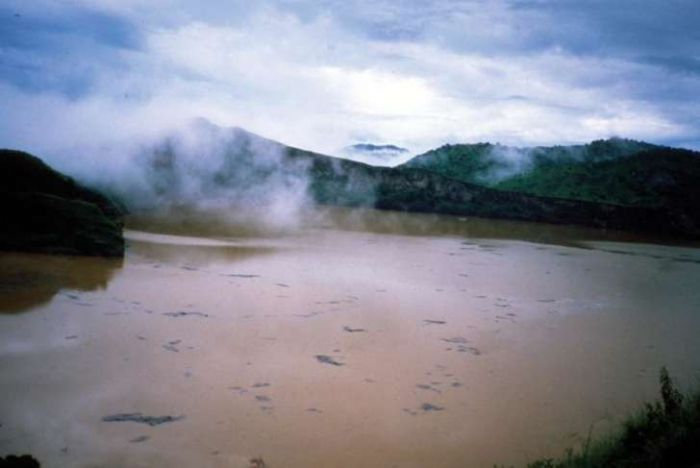
#5 Limnic Eruptions
Limnic Eruptions, or death fog, are an extremely rare occurrence and has only been observed twice in history. Something like this happens when a pocket of carbon dioxide builds underneath a body of water and is released due to something like an earthquake. The resulting explosion, caused by the rapid release of gas, is something to behold. The last time one happened, the death fog claimed over 1,700 lives.
advertisement
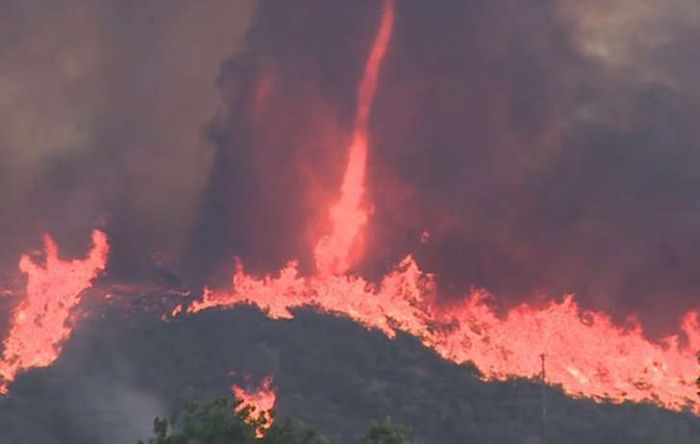
#6 Fire Tornadoes
Fire tornadoes are becoming more frequent than ever before. It also goes by fire whirl, fire devil, fire twister and firenado. It's essentially a whirlwind made up of fire or ash. It's not often that these grow into full blown tornadoes, but the fire can catch dry areas of earth and cause havoc to life around the areas.
advertisement
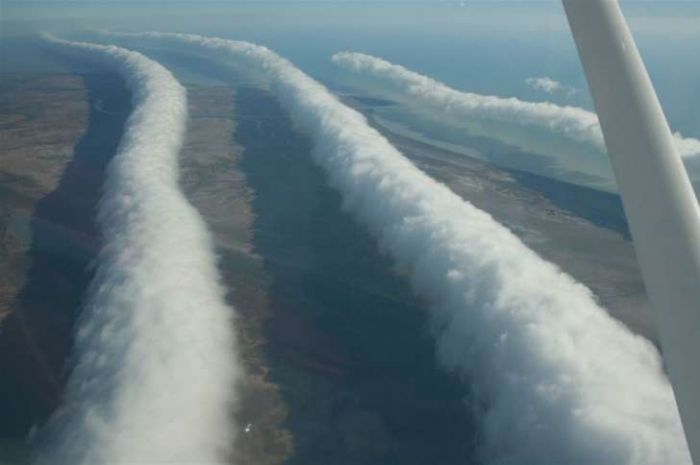
#7 Morning Glory Clouds
Probably one of the most amazing sights, these rarely seen natural phenomena are morning glory clouds. These clouds can be found in Burketown, Australia during late September to early November. Scientists believe this is caused by frontal systems crossing low and high pressure air masses.
advertisement
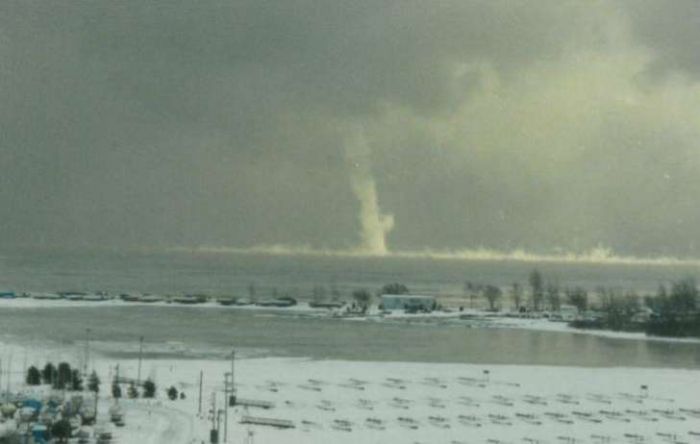
#8 Snownadoes
This tornado type of weather system is created when a tornado is formed in freezing cold temperatures and crosses over a warm body of water. The warm water gets carried upward in the vortex and cools quickly enough the it freezes, creating a column of snow. Often associated with lake effect snowstorms, the snownadoes can come with up to 80 mph winds and blinding snows.
advertisement
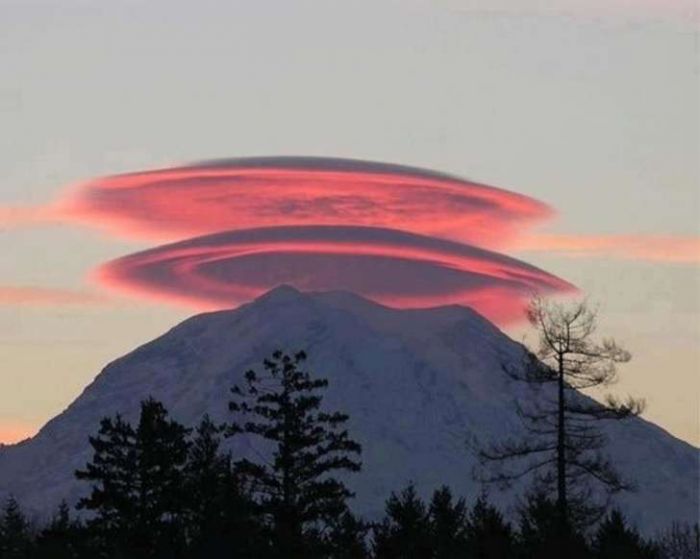
#9 Lenticular Clouds
Normally forming in multiple layers, these lens shaped clouds are called lenticular clouds. They form like normal tropospheric clouds, but they tend to form over mountains. The sight of this phenomena is amazing.
advertisement
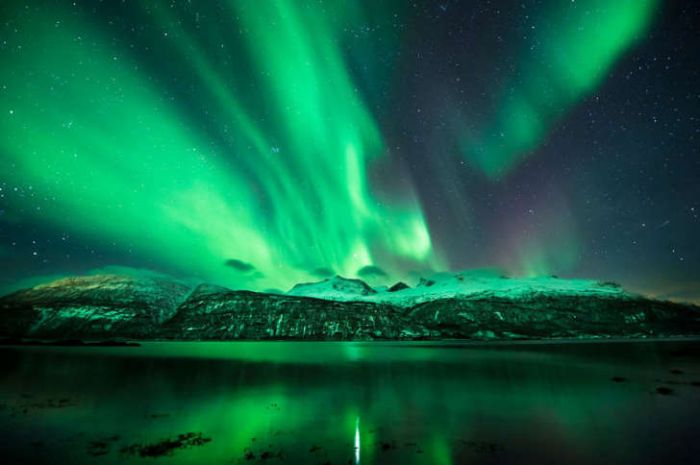
#10 Auroras
Many people have seen this weather phenomena, especially in the northern hemisphere. This colorful display of light over the night sky is thanks to cosmic rays, solar wind and magnetospheric plasma mixing with Earth's atmosphere. The aurora borealis is one of the most well known auroras and is visible on a regular basis.
advertisement
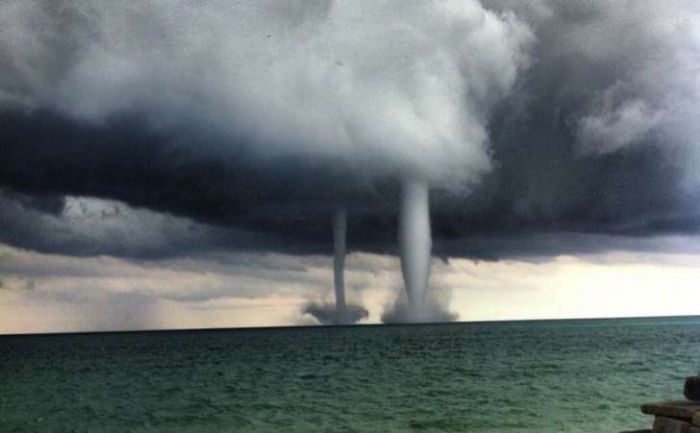
#11 Waterspouts
Similar to a snownado, minus the freezing weather. These columnar vortexes are intense and usually only form in tropical and subtropical climates. The water actually rises into the air in a column. Mostly seen in the African coastal areas and the Pacific Islands.
advertisement
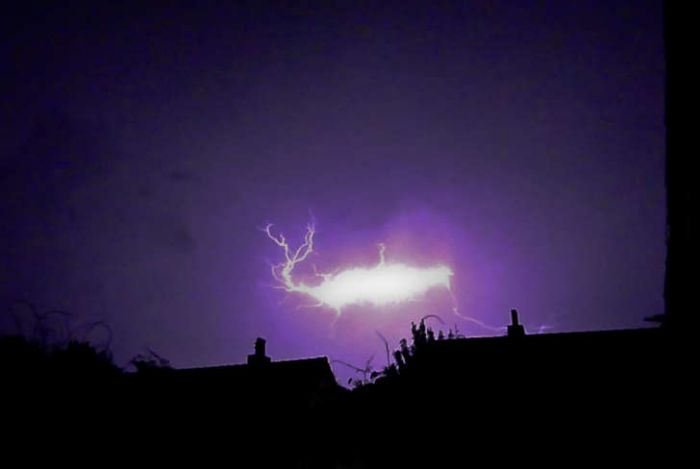
#12 Ball Lightning
Still somewhat of a mystery to scientists, ball lightning can very from the size of a pea to several meters in diameter, and be very harmful when it strikes. Not a typical form of lightning, it is still in question as to what causes the ball like shapes.
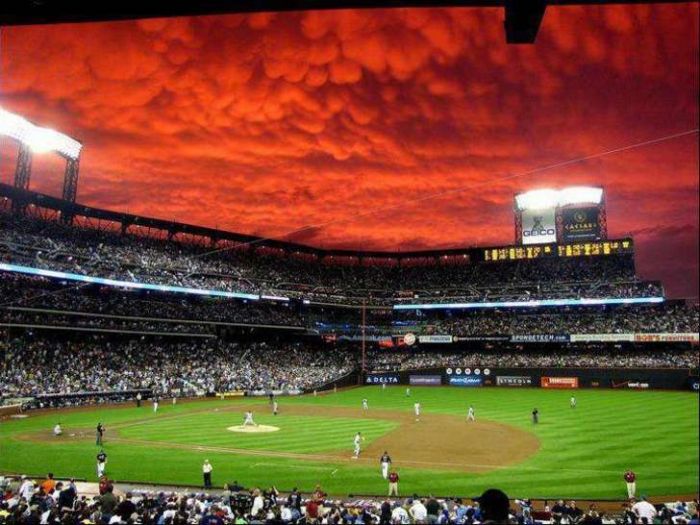
#13 Mammatus Clouds
These puffy clouds are created by by sinking air, which is the opposite way most other clouds are formed. Though an amazing sight to view, almost like something out of science fiction, the colors vary depending on the chemicals found in the grounds below the formations, as that is where it builds it's formation from.
advertisement
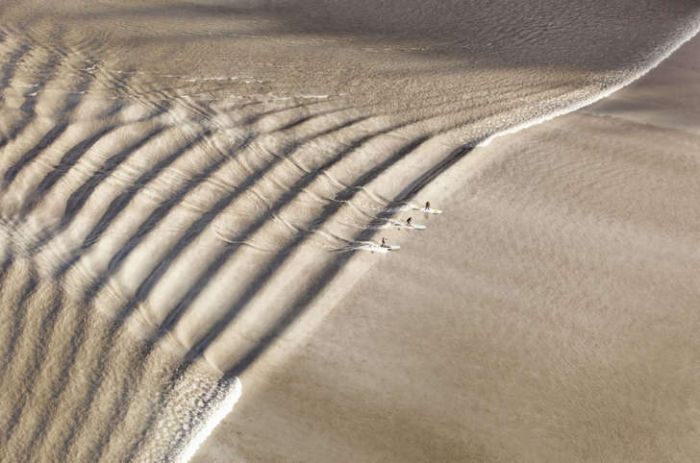
#14 Tidal Bores
It looks like sand or an amazing ripple in the waters. Tidal Bores ignore the flow of a river and forms waves that go up the river against it's natural flow. This is somewhat uncommon in the northern hemisphere.
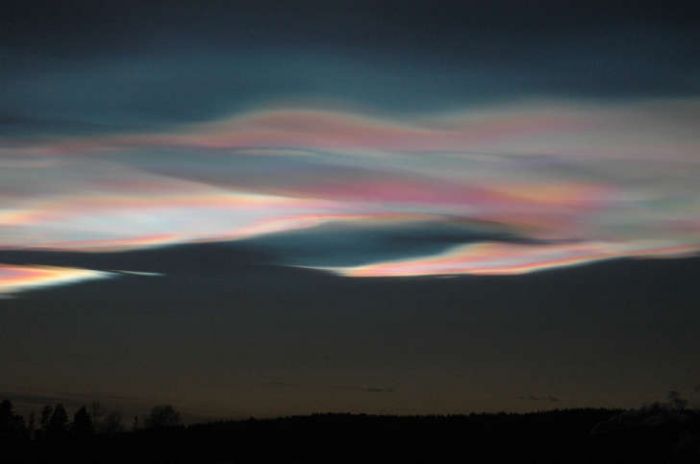
#15 Nacreous Clouds
These are also called mother of pearl clouds due to their soft pastel colors. These clouds are best seen in the first two hours after sunset occurs. For this phenomenon to happen, the clouds need to form in a frigid area of the lower stratosphere. Not uncommon, but still an unusual sight to see. The bright colors can be like those seen in surreal paintings.
advertisement
#16 Sand Geysers
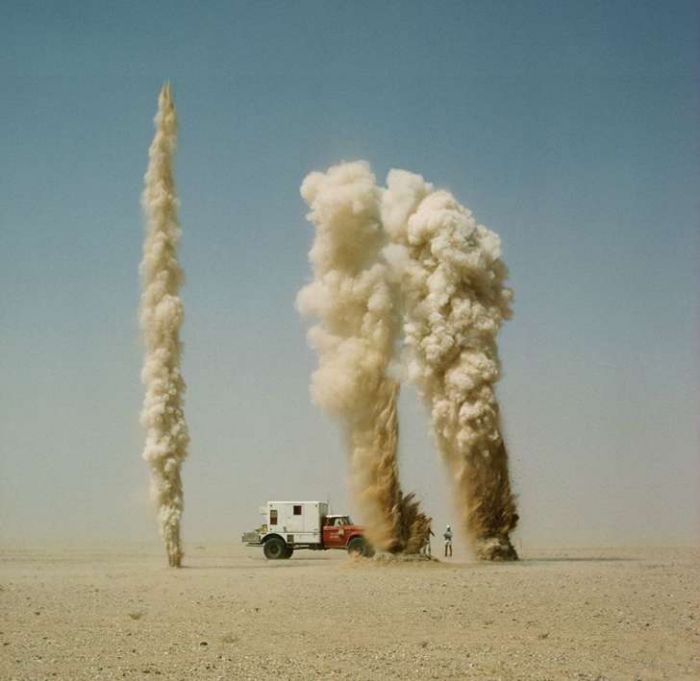
This is an extremely rare occurring phenomenon that has only been seen once. The sand explodes upward due to pressures built underground, similar to a water geyser. Thankfully someone had a camera when this happened.