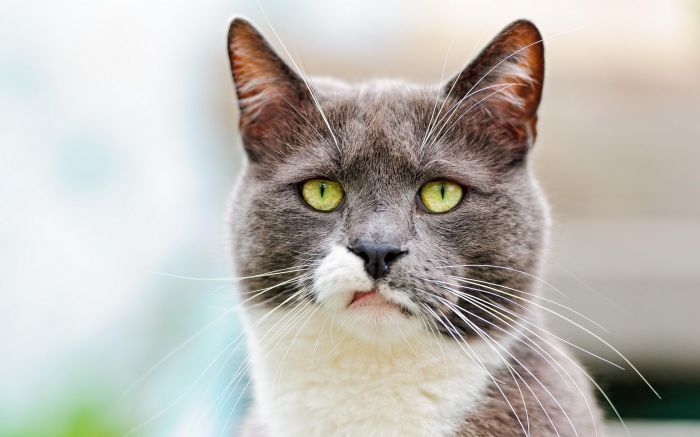
Male cats are prone to developing a urinary blockage or obstruction, and when this condition occurs these cats are commonly referred to as "blocked toms."
Blocked Cats: What You Need To Know About Urinary Blockage In Your Cats
By
Editorial Staff in
Nature
On 7th February 2016
advertisement
Urinary Blockage in Cats
A urinary blockage can quickly become a life-threatening condition in your cat, so urgent veterinary attention is important to ensure her health. One way you can do this is to know the clinical signs of this condition, so you'll be able to help your cat when she needs critical care.
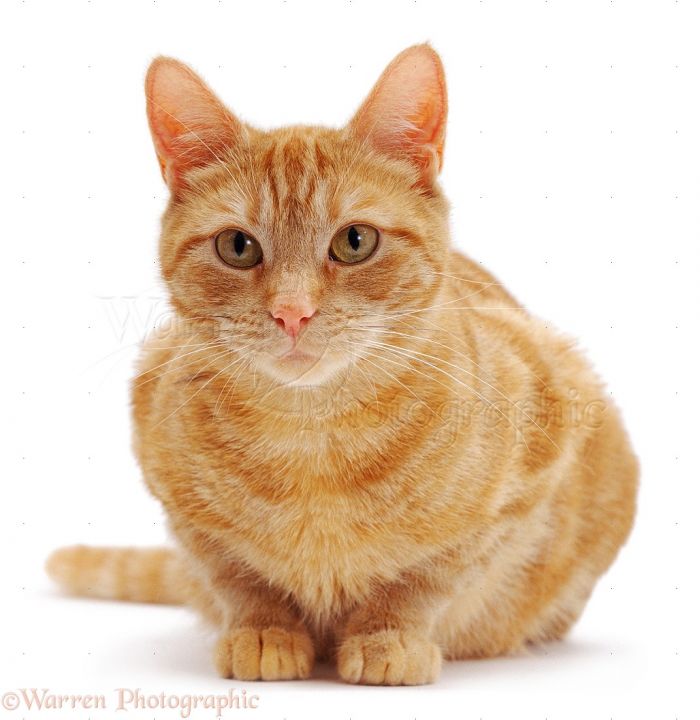
Urinary blockage is almost exclusively a problem reserved for male cats, and occurs when the urethra becomes obstructed.
The urethra is the "tube" that drains urine from the bladder out of the penis, and in males, it is very long and narrow. I usually describe to owners the difference between male and female urethras by using the example of McDonald's straws the female urethra is like a milkshake straw, while the male urethra is like a coffee stirrer. It gives the mental visual of just how much smaller of an opening male cats have, predisposing them to obstruction.
advertisement
Obstructions are often the result of plugs of inflammatory material (such as white blood cells and mucus), as well as crystals or small bladder stones.
All of this bladder "schmutz" conglomerates into a plug, lodges itself into the urethra, and blocks the exit for urine. When the urethra is completely blocked, and the cat has filled his bladder to capacity, his kidneys stop making urine as there is nowhere for it to go. With kidney "shut down" the body is no longer able to remove toxins from the blood or maintain a proper balance of fluids and electrolytes in the body, resulting in kidney failure and eventually death.
A cat with a urinary blockage will:
* Strain, but produce no urine
* Often vocalize (howl or meow) while trying to urinate
* Lick his genital area
* Often have blood in any urine that is produced
advertisement
Often, a cat urinary problem is accompanied by the presence of stones or crystals, which form in the urine.
These hard, mineralized crystals can block the passage of urine, causing a toxic buildup in the kidneys. It can be fatal.
advertisement
If the cat remains blocked, he will become seriously ill and show:
* Depression
* Lethargy
* Loss of appetite
* Vomiting
advertisement
Toxins will start to accumulate in the blood within 24 hours of a cat becoming blocked. If the urinary obstruction continues, death can result in a matter of a few days.
advertisement
How is urinary blockage diagnosed?
The veterinarian will carefully feel the cat's abdomen. Acute renal failure results from the increased pressure in the renal system and the inability to eliminate urea and other waste products usually eliminated in urine. This results in increased waste products and potassium in the bloodstream. An initial baseline blood panel is important to determine the appropriate fluids and other treatment that may become necessary.
advertisement
Urinary Blockage Treatment
Cats that have urinary obstruction require immediate emergency treatment and stabilization. Your veterinarian will need to anesthetize your cat to allow for placement of a urinary catheter into the urethra to flush out the plug or force the stone into the bladder. The bladder is then flushed through the catheter to remove as much urine sediment ("schmutz") as possible. The urinary catheter is sewn in, with a urine collection system attached, and generally left in place for 48 hours to allow for inflammation in the urethra to settle down. After 48 hours, it is then removed, and the cat is monitored for an additional 24 hours to make sure that he doesn't "re-block," which is possible. During this 72-hour time frame, your kitty is placed on intravenous fluids so that it will urinate frequently, essentially helping to "flush out" the bladder and "clear the toxins." Medications to address pain, urethral spasms, and possible infection are generally used.
advertisement
Dietary management may prevent the condition from recurring
but if your cat blocks repeatedly, surgery may be necessary. A perineal urethrostomy may be performed to correct obstruction to the urine flow. This operation will not prevent future bladder infections, but it will prevent dangerous blockages.
advertisement
Preventing Bladder Stones
A special diet can dissolve and prevent the formation of bladder crystals. These foods, available by prescription through your veterinarian, are formulated to provide suitable nutritional support for UTI-prone cats.
When feeding commercial cat food, choose the highest quality brand available. Opt for a food that lists a named meat as the primary ingredient, and avoid foods that contain soy, wheat, or corn.
A canned food diet is often preferable to dry kibble. Wet foods provide more fluid, which keeps your cat better hydrated and reduces the concentration of urine.
advertisement
Other tips to prevent feline urinary tract infections include:
* Provide unlimited fresh water
* Keep litter boxes clean and accessible
* Put litter boxes in safe, stress-free locations
* Feed smaller amounts more frequently
* Avoid free choice feeding in favor of twice daily feeding
* Maintain a healthy weight
As many as 5 percent of cats will suffer from a UTI at some point during their lifetime. Learn to identify the signs and symptoms to prevent this common condition from becoming a serious illness.