

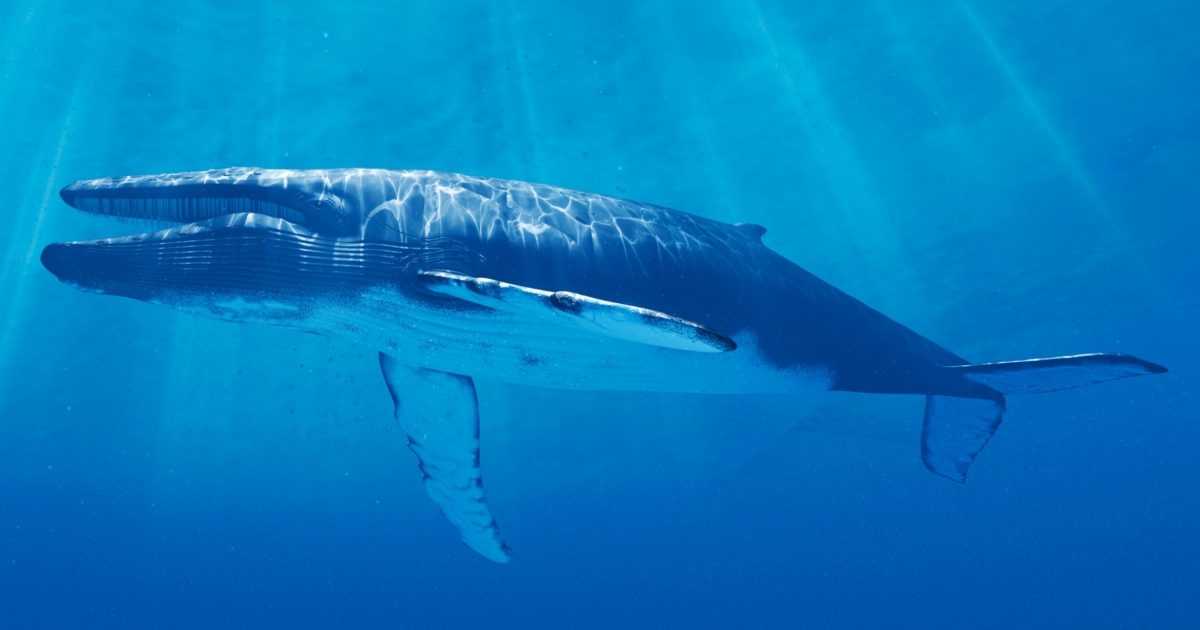
An oceanographer says there could be a “really large-scale consequence” if blue whales continue to go quiet
advertisement
The largest animal ever known to live on Earth is becoming quieter, and scientists say that should concern everyone.
Blue whales can grow up to 100 feet long, which is roughly the length of three school buses lined up end to end. Experts estimate that between 10,000 and 25,000 blue whales are alive in the world’s oceans today.
With a tongue that can weigh as much as an elephant and a heart about the size of a small car, these massive animals dominate the sea in size. Yet despite their scale and strength, researchers have noticed that blue whales are making fewer sounds in certain regions.
Blue whale calls are low-frequency and powerful, capable of traveling hundreds of miles underwater. For decades, scientists have relied on these calls to monitor whale numbers and study their behavior.
They use these vocalizations to locate mates, move together across vast distances, and maintain social bonds within their population.
Now, in some parts of the ocean, researchers are detecting fewer of these calls, raising concerns about what that silence could mean.
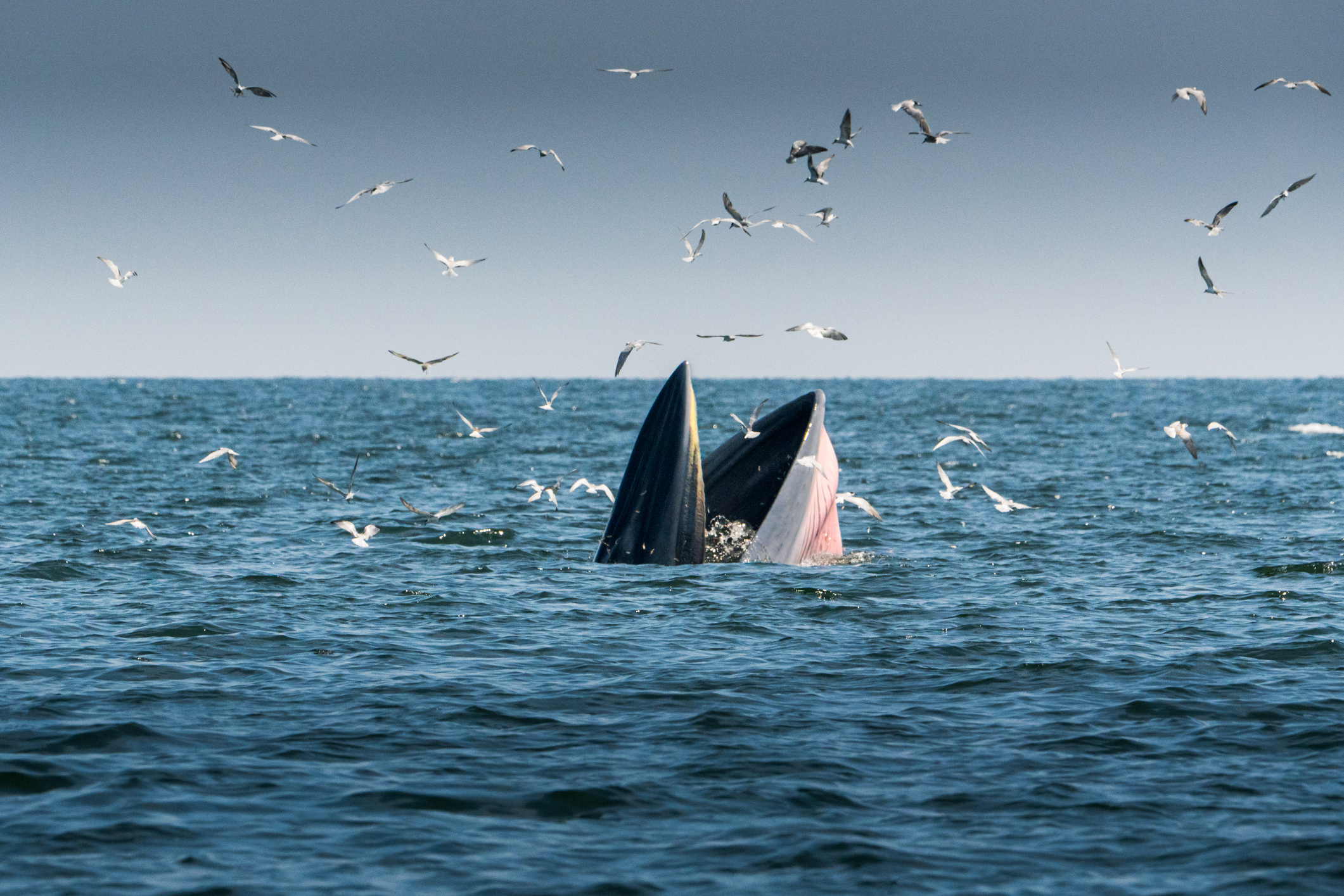
There's a 'really large-scale consequence' of blue whales going silent
Getty Stock Images
advertisement
Why blue whales are going silent
In 2015, scientists analyzed six years of whale sound data collected during a massive marine heatwave known as “The Blob.”
This unusual heatwave caused ocean temperatures to rise sharply. The change disrupted the marine food chain and led to a steep decline in krill, which is the primary food source for blue whales.
An adult blue whale can consume up to four tons of krill in a single day. That massive intake helps explain how they reach weights of around 200 tons.
Researchers believe that the drop in whale calls acts as a warning sign about the overall health of the ocean. The quiet may reflect deeper environmental stress affecting the entire ecosystem.
"When you really break it down, it's like trying to sing while you're starving," John Ryan, a biological oceanographer at the Monterey Bay Aquarium Research Institute, told National Geographic.
"They were spending all their time just trying to find food."
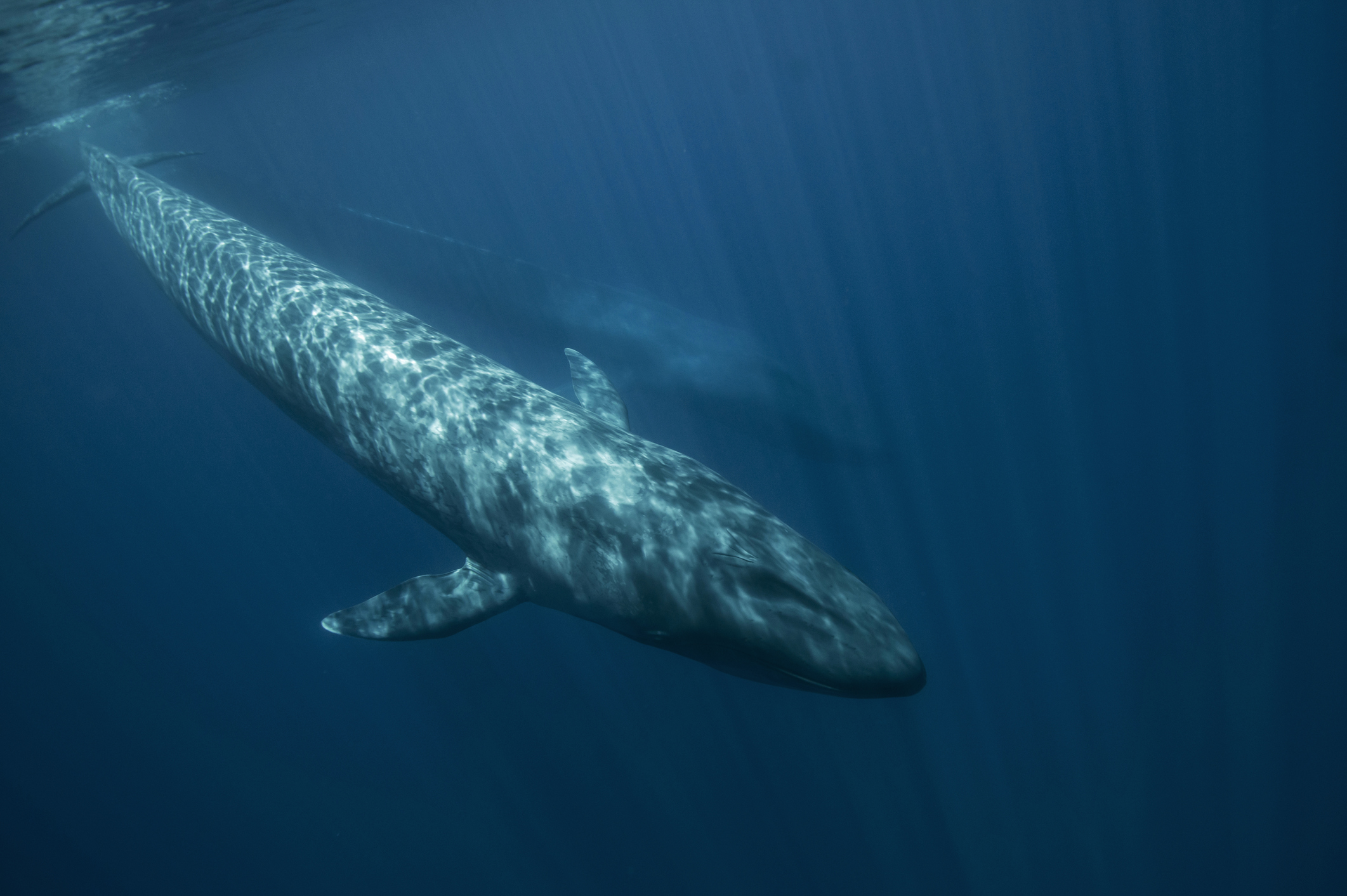
Blue whales are vital for maintaining healthy marine ecosystems
Getty Stock Images
advertisement
What happens if blue whales go extinct?
As global temperatures continue to rise, marine heatwaves are expected to become more frequent. That increases the likelihood of food shortages and further disruptions to whale behavior.
"There are whole ecosystem consequences of these marine heat waves," oceanographer Kelly Benoit-Bird warned.
"If they can't find food, and they can traverse the entire West Coast of North America, that is a really large-scale consequence."
advertisement
The Animal Welfare Institute also highlighted the broader ecological role whales play in ocean systems.
"Whale fecal plumes contain valuable nutrients like iron, nitrogen, and phosphorus."
"They stimulate production of microscopic marine algae, or phytoplankton, which form the base of many aquatic food chains."
"Whales also transport nutrients in their fecal plumes, urine, sloughed skin, and placental materials horizontally, a phenomenon referred to as the 'whale conveyor belt', as they migrate between nutrient-rich feeding areas and nutrient-limited breeding/birthing areas."
advertisement
If blue whales were to disappear, the effects would ripple through marine ecosystems. Many species that depend on nutrient cycling and balanced food chains would face serious risks.