You've probably heard that Coke can dissolve a tooth or that bleaching your teeth weakens them. But what's the truth behind these tooth myths?
advertisement
#1 Far too many tales are told about teeth, ranging from scary to wacky and everything in between. Find out if they’re fact or fiction!
The thinking behind this idea is obvious: To protect your teeth from decay, get rid of leftover food as early as possible. But you'd really be better served to wait a while before brushing those chompers.
The human mouth has a one–two punch to defend itself. One is tooth enamel, the hardest substance in the human body. The second line of defense is saliva. In her recent book Gulp: Adventures on the Alimentary Canal, Mary Roach writes that saliva contains some of the same enzymes used in detergent to break down starches (known as amylase), and antibacterial substances so effective that wounds in the mouth will heal twice as fast as those located on the skin. Bottom line, saliva is your friend.
So give your body's natural ability to break down foods a chance to work after you eat. The acidic environment in your mouth temporarily softens the enamel on teeth while it breaks down food particles and washes them away. Brush too soon after meals and you'll end up scrubbing away tooth enamel in the process. It's not a bad idea to wait at least 30 to 60 minutes before grabbing that toothbrush.
#2 MYTH: You should brush immediately after eating.
You may be surprised to learn that brushing immediately after a meal may actually harm your teeth. Acids created by food can wear away your protective enamel leaving your teeth at their weakest state right after you eat. Your body uses saliva to correct the high acid levels in your mouth. Saliva also naturally washes away food particles and gives your enamel the balance it needs to continue its protective work.
Even soft-bristled toothbrushes can be highly abrasive when enamel is already weakened by high acid levels. It’s best to let saliva do its job after you eat. But don’t forget to brush altogether. Simply wait at least an hour for your mouth to recover from the acid assault. And don’t forget to brush at least two times a day and for two minutes each time.
advertisement
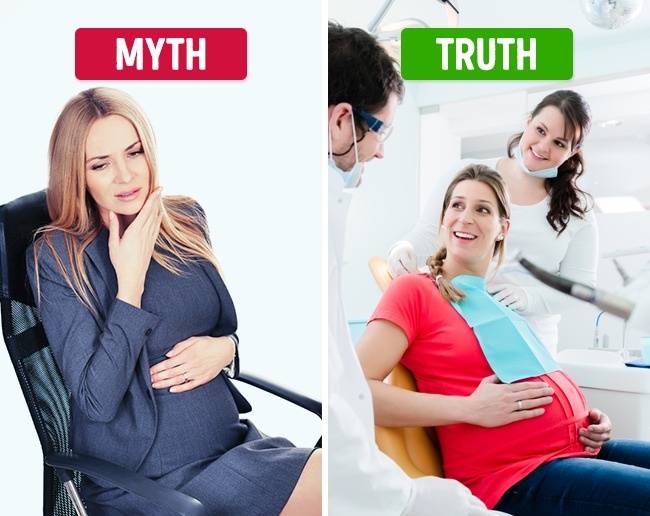
#3 MYTH:“PREGNANT WOMEN SHOULD POSTPONE DENTAL VISITS.”
Not at all! Regular dental care is strongly encouraged during pregnancy. According to the American Dental Association, pregnant women are more likely to develop periodontal diseases, gum infections that can result in bleeding, sensitivity and loss of tooth support. Mulberry-shaped lumps between the teeth, called “pregnancy tumors,” can also emerge. These are non-cancerous and should go away after pregnancy, but can also be removed.
Pregnant women should inform their dentist of their pregnancy so treatment plans can be adjusted accordingly. Certain procedures and medications may be postponed to avoid any health risks to the baby.
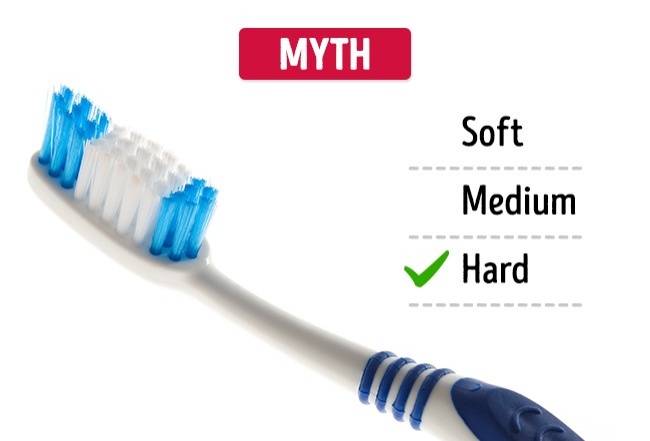
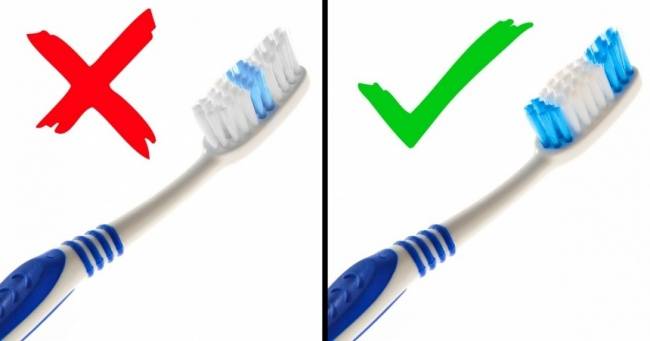
#4 MYTH: To clean teeth well, you need to use a hard brush.
In fact, you can use a soft brush. Some dentists even recommend doing so in order not to harm the gums and enamel. The main thing is to follow simple rules: brush your teeth twice a day, and change your brush every 3-4 months.
advertisement
#5 MYTH: Bleaching is Harmful for Teeth
A lot of people think that bleaching and whitening is damaging for the teeth, but there is no evidence to support this idea. This misconception may stem from the fact that bleaching causes temporary sensitivity. So, if you do use a product of this kind of your teeth, you are likely to feel sensations from food and the movement of air a lot more keenly.
In some cases, this will translate as sharp pains, but the feeling should only last for a few hours at most. You can alleviate the sensitivity by staying away from very hot or very cold foods. Where possible, resist the urge to jump straight back into coffees or other cold beverages. If the sensitivity lasts for longer than a few hours (and certainly if it persists for a whole day), you must ring your dentist for advice.
Always follow the instructions on the packet very carefully, if you are using an at home bleaching or whitening kit. Ideally, you should head to your dental surgery to get this procedure done, just to be sure of safety, but this will not be convenient for everybody. Never exceed the recommended application time provided in the instruction booklet, no matter how well you think the process has or has not gone.
advertisement
#6 MYTH: Sugar Is the Primary Cause of Cavities
FACT: This may be one of the most talked about “facts” when it comes to cavities, but it is actually a myth. Cavities form through a combination of bacteria and acid, which then attacks your teeth. “The truth is, acid produced by bacteria in your mouth is the cause of cavities,” says Kimberly A. Harms, DDS, an American Dental Association spokeswoman. Keep in mind that while sugar itself does not lead to cavities, the bacteria that does is often triggered by carbohydrates, including rice, potatoes, breads, fruits, and vegetables.
advertisement
#7 MYTH: The more you brush the healthier your teeth will be.
Over-brushing the teeth can wear the teeth due to the abrasive property of toothpaste. This could lead to dental problems. In between the twice-a-day brushing regimen, rinse after eating and chew sugar free gum to avoid plaque build-up.
advertisement
#8 MYTH: “HOT OR COLD FOOD WILL CRACK YOUR TEETH.”
It is true that cracks or lines could happen from extreme changes in the temperature of your teeth, but these are usually too shallow to pose a major threat. If you spot a crack, it’s always best to have a dentist take a look. In the rare case that the crack is deep, chewing can widen it and expose sensitive nerves.
advertisement
#9 MYTH: Baby teeth aren’t that important.
FACT: Yes, your baby’s primary teeth are temporary and will eventually fall out. However, they have many functions beyond looking adorable. “Baby teeth are essential for eating and getting proper nutrition, for the structure of the face, and for holding space for the adult teeth to come in properly,” says Homa Amini, D.D.S., chief of pediatric dentistry at Nationwide Children’s Hospital, in Columbus, Ohio. If a tooth is lost too early because of decay, the other teeth could shift so there’s not enough space for the adult tooth to grow in, she says. Another reason those tiny teeth are critical: your baby’s speech development. She’ll need her teeth to be able to eventually produce sounds like l, th, and sh.

advertisement
#10 MYTH: You need to use a toothpick after eating.
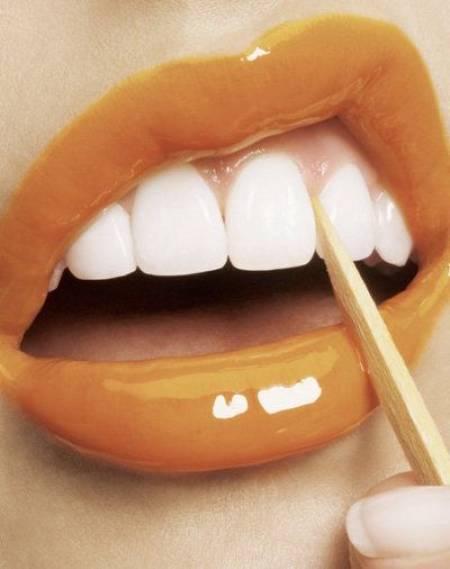
Use dental floss after eating because you can harm your gums with a toothpick. Besides, if you have a desire to clean your teeth with a toothpick after every meal, it’s an alarm bell: it’s time to visit your dentist.
advertisement
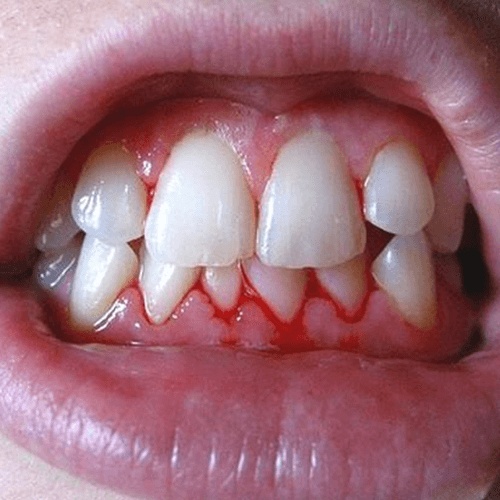
#11 MYTH: If gums are bleeding, brushing and flossing should not be done.
The opposite is true. Regular brushing and flossing is needed to remove plaque build-up which causes gum bleeding. Bleeding is a sign of gum brokerage, more care must be practiced to avoid harder to treat oral problems. Professional dental cleaning may be required if the bleeding persists.
advertisement
#12 MYTH: All Toothpaste Brands Are the Same
On the whole, this is correct. There is very little difference between many of the mainstream toothpaste brands on the market, because they all contain the same ingredients. However, specialist toothpastes – particularly those designed for people with allergies and sensitivities – have a slightly different ‘recipe,’ so to speak.
They remove and replace the substances that most commonly cause allergic reactions. Now, if you are surprised to hear that toothpaste can be an irritant, you might want to check your own mouth for signs of a reaction. The most obvious symptom is peeling skin on the inside of the cheeks. This is known as ‘mucosal sloughing’ and it occurs when an irritant burns away some of the cells.
This kind of reaction cannot harm you, nor does it ordinarily cause pain, but you should still switch to a kinder toothpaste formula if you think that you might have an allergy. Your mouth is visibly and physically crying out for a change, if you are experiencing mucosal sloughing, so listen to its needs and pick up a gentler product. For more advice on toothpaste allergies, consult your dental professional.
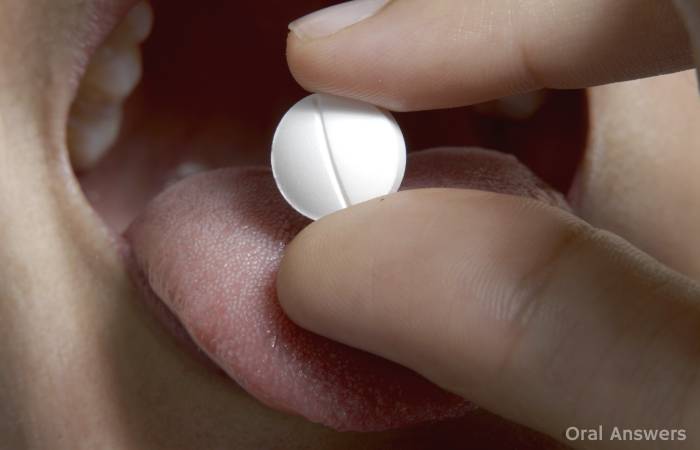
#13 MYTH: Placing Aspirin Near a Toothache will Ease the Pain
FACT: To ease the pain of a toothache, you will have to actually swallow the aspirin. While swallowing an aspirin can easy discomfort you might experience as a result of a cavity, the folk remedy of placing an aspirin near the source of tooth pain can actually damage your gum tissue. Aspirin is acidic, and when it begins to dissolve along the gum line it can cause a chemical burn, which might result in the formation of an oral abscess.
advertisement
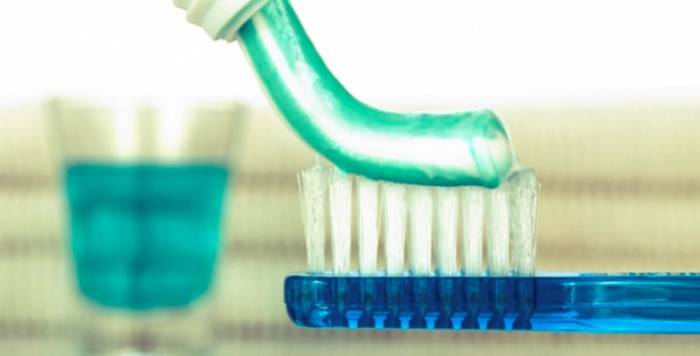
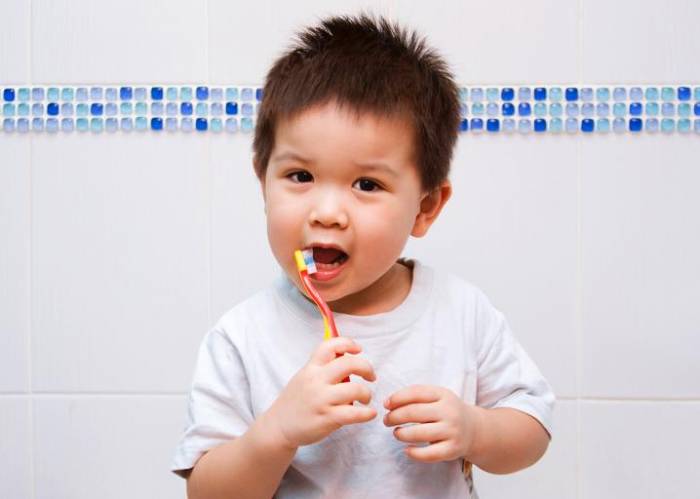
#14 MYTH: Kids shouldn’t have fluoride toothpaste until they’re 2 years old.
FACT: This was once the thought, but experts now advise using a fluoride toothpaste right from the start. “Fluoride significantly decreases the chances of decay,” Dr. Miller says. The reason fluoride was once delayed is because too much can affect the appearance of a child’s teeth, causing white spots or rough, pitted surfaces, and very young children swallow toothpaste instead of spitting it out. That’s why you should use only a small smear. Parents also often wonder whether they should use a toothpaste with a “baby” label. “If the baby-labeled toothpaste does not have any fluoride, then it does not provide any cavity-prevention benefits,” Dr. Amini says. “Technically, any fluoride toothpaste will have the same concentration of fluoride, but the flavor of kids’ toothpaste may be more pleasant.” You certainly want to avoid adult toothpastes that have additional ingredients for things like whitening or tartar control.
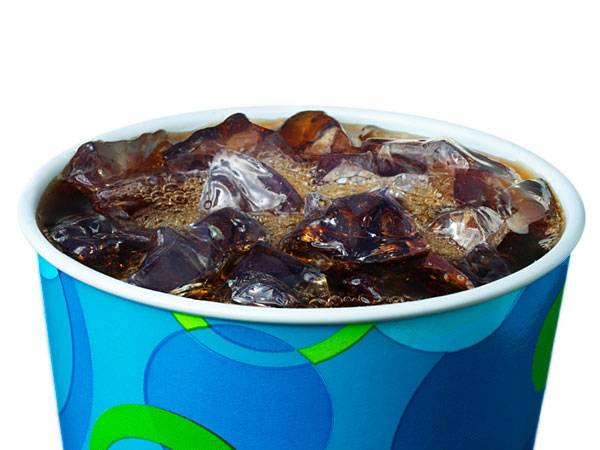
#15 Myth: A Tooth Will Dissolve In Soda Overnight
In the fall of 1950 Cornell University professor Clive McCay was on a mission to alert Americans to the cavity-causing power of Coca-Cola. Speaking in front of the Congressional committee on food additives, McCay came armed with some rather alarming statements, including that Coke could eat through the steps of the nation's Capitol building, and that a tooth placed in a glass of Coca-Cola would dissolve within several days. McCay's statements got the lawmakers' attention and spawned more urban myths about Coke.
Soda's supposed dissolving powers can be traced to the presence of three acids in its formula—phosphoric, citric, and carbonic acid, many of which can be found in other popular drinks. In fact, every morning many Americans begin their day with orange juice, a drink possessing more citric acid (and as much sugar) as soda. Coca-Cola's head chemist, Orville May, testified that the .055 percent level of phosphoric acid in Coke is nowhere near the 1.09 percent acid content found in an orange.
As for the tooth-dissolving myth, May also suggested that McCay's testimony ignored the effects of saliva in the mouth—or the simple fact that people don't hold soda in their mouth overnight. In any case, attempts to recreate this experiment have shown that McCay exaggerated the claim: Leaving your tooth in a glass of Coke isn't good for it, but it won't completely dissolve overnight, or even in a couple of days.
That said, the acids present in many popular drinks can temporarily lower the pH of saliva in the mouth, allowing for the softening of tooth enamel and the opportunity for sugar to cause tooth decay. Recent studies have found sports and energy drinks can be more acidic and cause more erosion to tooth enamel than soda itself, and it doesn't help they're typically consumed when an individual is dehydrated, which weakens saliva's protective properties for the enamel.
advertisement
#16 Myth: George Washington Had Wooden Teeth
This popular myth does a disservice to our nation's first president (and his dentists), who, plagued with a variety of tooth ailments early in life, actually sought out the most advanced dental practices of his time.
Washington began losing teeth in his twenties. In 1783, at the conclusion of the Revolutionary War, he enlisted the expertise of Jean Pierre Le Moyer, a French naval surgeon who gained a reputation for his pioneering work in tooth implantation. Records show Washington purchased nine teeth from his own slaves in 1784, and documentation strongly suggests the teeth were meant for implantation or to be used in his own dental prosthetics.
Why real human teeth? The 18th century saw a rise in the use of real teeth to replace rotting ones, and with good reason. While ivory and bone were prized for their ability to duplicate human teeth, the solution would be a temporary one. Saliva will eventually break down false teeth made from bone, leaving the wearer with a rotten taste in his mouth and a serious case of halitosis.
By the time Washington became president in 1789, he possessed only a single tooth and needed new dental prosthetics. John Greenwood, considered by many to be the father of modern dentistry, made several sets for him during this time using gold, metal, and hippopotamus ivory—which has a thick enamel coating—to create upper and lower mouth plates connected by gold-wire springs. In one version, both human and cow teeth were secured into the plates using brass screws.
Although they were not wood, Washington's false teeth sound like they were torture to wear. Springs designed to keep the plates in place pushed Washington's mouth open, requiring him to remain vigilant just to keep it closed. Washington found them so irritating he often kept his speaking engagements to a minimum. His second inaugural address was the shortest in history at only 135 words

#17 MYTH: Frequent Snacking Will Help Produce Saliva and Ward off Cavities
FACT: Chewing activates saliva flow in the mouth. Saliva is full of minerals like calcium and phosphate that can help protect enamel, so it would be reasonable to think that eating several times a day would help keep teeth healthy. But there’s a catch – constantly introducing starches and sugars into the mouth keeps acid production up, so more enamel is damaged. Acids can continue to form up to 20 minutes later after you’ve stopped eating! But you don’t need to give up healthy snacks, even those that do contain natural sugars, like fruits or whole grains. The key is to limit constant grazing so that teeth have some time to recover.
Cavities start small and often happen without notice, so knowing how to best prevent them can be confusing. Knowing the facts can help you keep your smile healthy for years to come. Prevention is the key. Brush twice a day and floss daily. If bacteria are removed from your mouth daily, you won’t get cavities!