

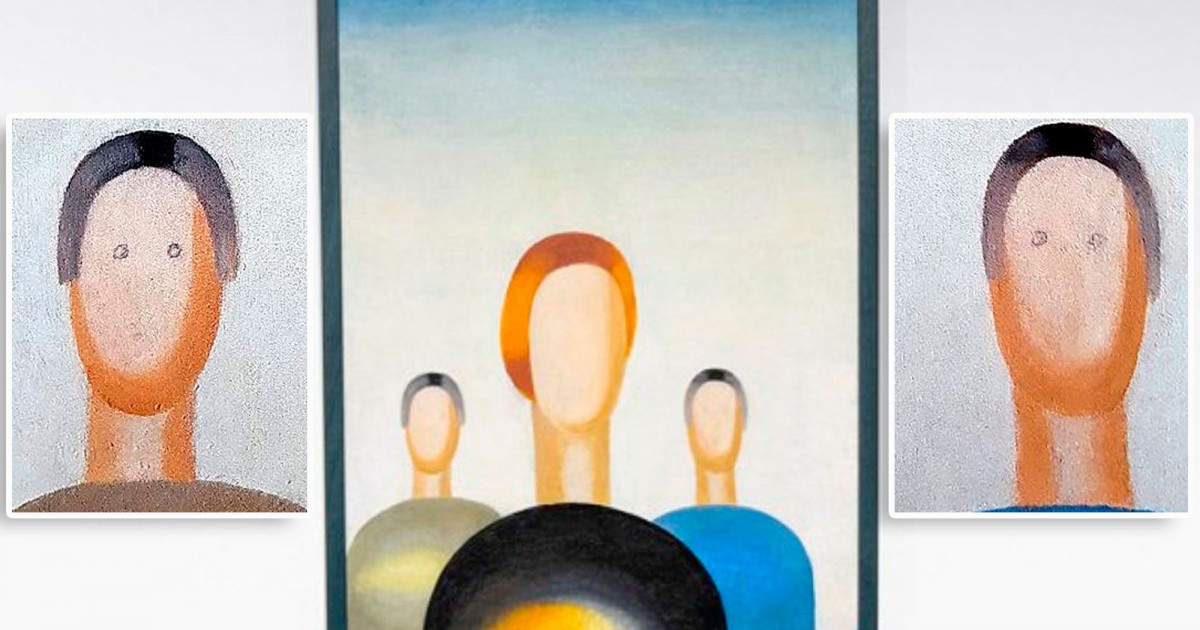
The authorities at this Russian museum were left running around after one of their new guards out of boredom decided to destroy a painting worth $1.4m as he randomly drew eyes on the artwork. The guard was fired immediately and police have opened an investigation into the case. Apart from this, the museum has now put protective screens in front of other art pieces to protect them from future vandalism.
advertisement
A security guard at a Russian gallery is held on charges of vandalism after he used a ballpoint to destroy a painting worth $1.4m.
The guard, who has not been named for security reasons is facing allegations of deliberately destroying a painting on his first day at work at an exhibition at the Boris Yeltsin Center in Ekaterinburg, Russia.
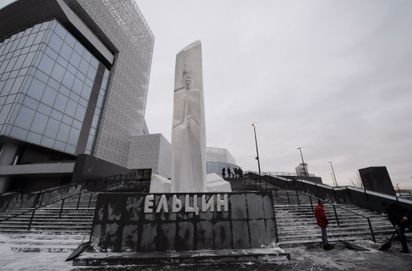
Credit: ITAR-TASS News Agency / Alamy
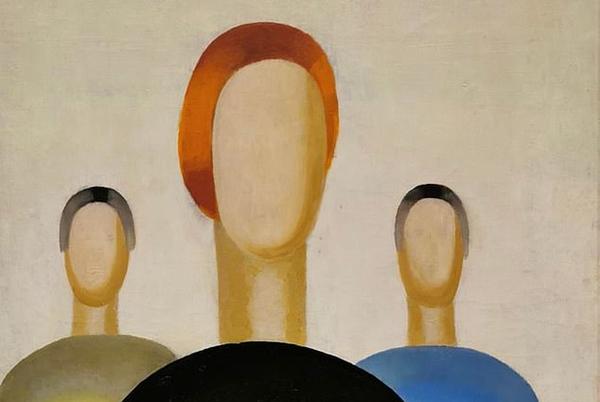
The bizarre happening, first reported on by Russian publication Art Newspaper, involved the "Three Figures" painting, a piece completed in the 1930s by Soviet artist Anna Leporskaya.
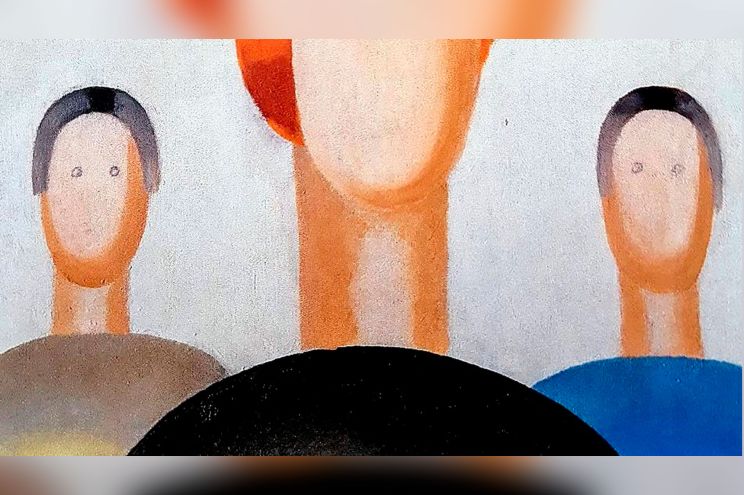
As per the news outlet, the visitors to the gallery were left shocked after seeing the defaced painting and were quick to alert the authorities about two pairs of "crudely-rendered eyes" scribbled on the painting.
Twitter
advertisement
Alexander Drozdov, executive director of the Boris Yeltsin Center, told Art Newspaper that the guard was a 60-year-old contracted worker employed by a private security organization.
Drozdov further that the man used ballpoint to draw eyes on the painting.
"His motives are still unknown, but the administration believes it was some kind of a lapse in sanity," exhibition curator Anna Reshetkina told the publication.
According to BBC News, Museum administrators immediately took action and fired the guard, and opened an investigation into the case. If the guard is found guilty, he can face three months in prison.
Twitter
advertisement
After the bizarre incident, the administrative authorities of the museum have placed the rest of the paintings and artwork behind protective screens, as per The Washington Post.
Leporskaya's painting is now undergoing restoration, which is expected to cost around $3,400.
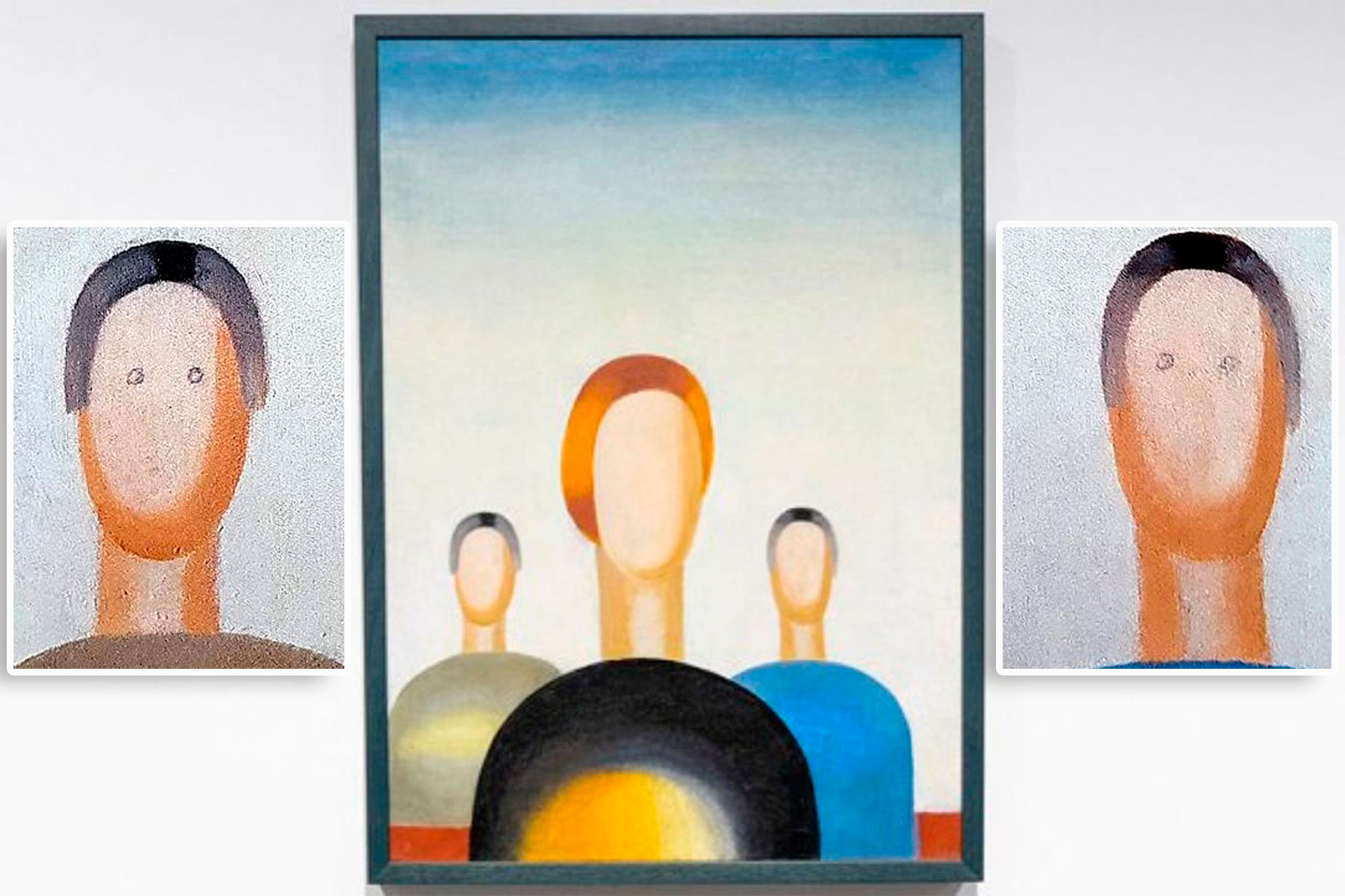
Twitter
advertisement
"The ink has slightly penetrated into the paint layer since the titanium white used to paint the faces is not covered with author’s varnish, as is often the case in abstract painting of that time," Ivan Petrov wrote in Russia's Art Newspaper.
"Fortunately, the vandal drew with a pen without strong pressure, and therefore the relief of the strokes as a whole was not disturbed. The left figure also had a small crumble of the paint layer up to the underlying layer on the face."