

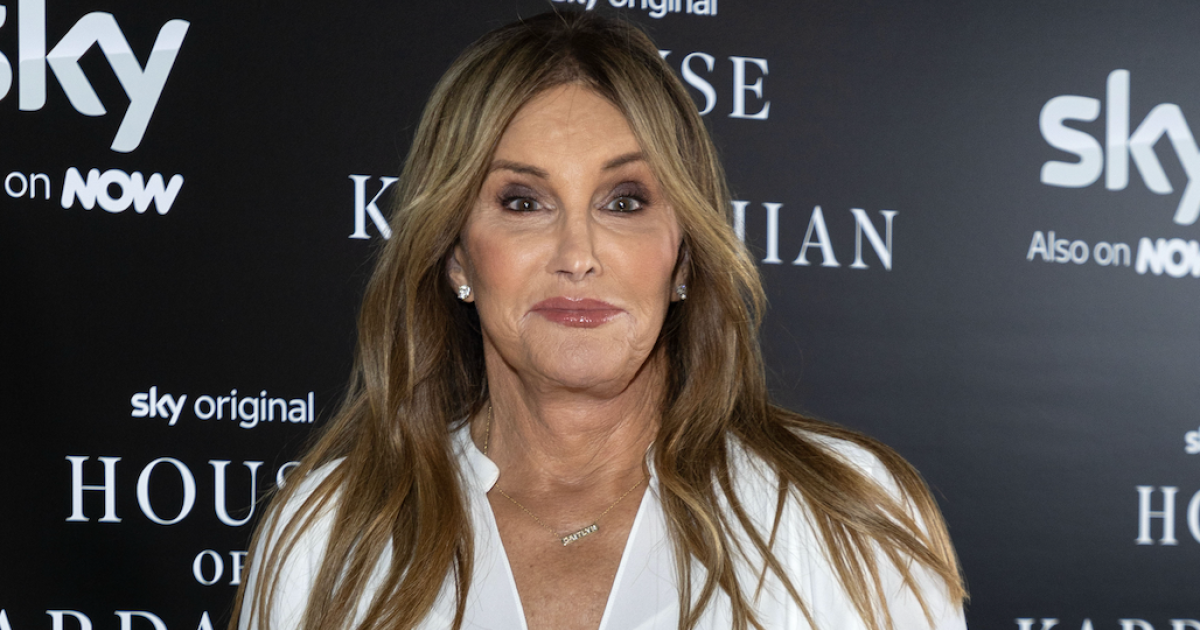
Caitlyn Jenner says a passport policy change has left her unable to travel abroad.
advertisement
Caitlyn Jenner says she is no longer able to leave the United States because of changes made to the US passport system under Donald Trump. Her comments have added a personal angle to a policy that has already sparked a wider national debate.
After returning to the White House in 2025, Trump introduced an executive order requiring US passports to list either 'F' for female or 'M' for male, with that marker matching the sex assigned to the passport holder at birth. The rule has been heavily criticized because of the effect it has had on trans and non-binary people whose official documents no longer reflect how they have lived for years.
That move has meant that around 2.8 million trans or non-binary Americans, close to one percent of the population, could now be left with passports and government documents carrying a gender marker that does not match the one they had previously used. For many, the issue is not only political but practical, because it can affect identification, travel, and safety.
Jenner's case has drawn extra attention because she is a registered Republican and a longtime Trump supporter. Her experience suggests that political loyalty does not shield someone from the consequences of a rule once it is applied across the board.
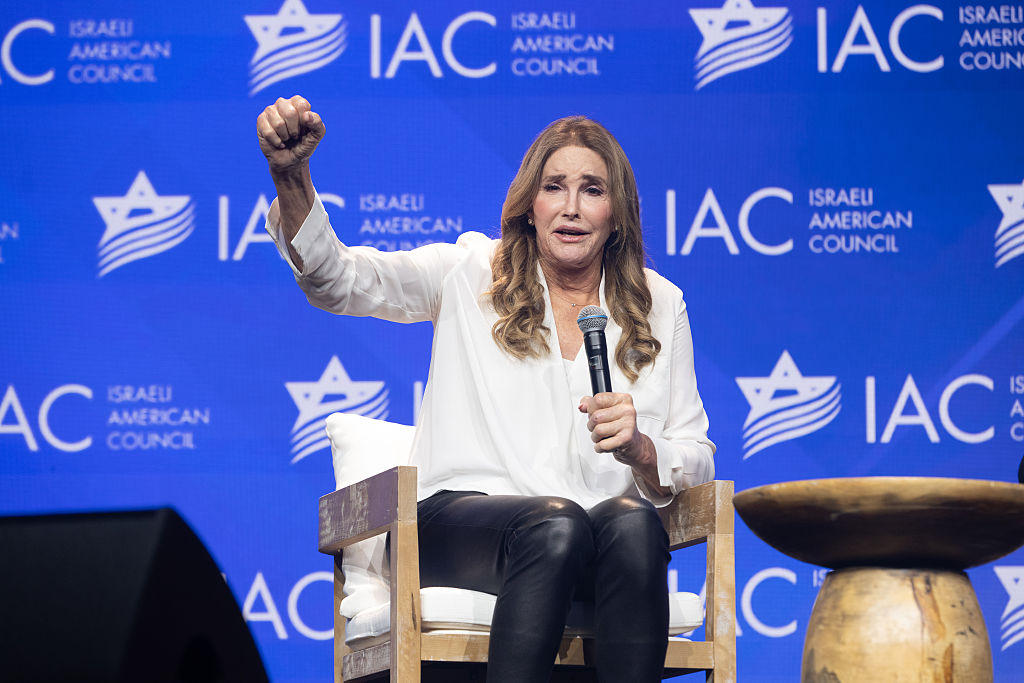
Caitlyn Jenner says she can no longer travel internationally after Trump's passport changes
Noam Galai/Getty Images
advertisement
Why Jenner's case has drawn extra attention
That contrast is part of what has made her remarks stand out. Jenner has publicly backed Trump for years, yet she now says the same policy approach has directly affected her own ability to move through the world the way she had before.
For critics, that has turned her case into a clear example of how broad political decisions can reach even the people who once supported them. For Jenner, though, the issue appears to be less about politics in theory and more about the reality of what happened when she renewed her passport.
Because of that, her story has become more than a personal complaint. It has turned into a high-profile example of how policy can collide with identity, daily life, and political allegiance all at once.
The 76-year-old Olympian, who was born male and later came out as trans in 2015, said she made a direct appeal to President Trump about the issue during an interview with Tomi Lahren on Fox News. Her comments suggested she saw the situation as serious enough to take to him personally.
After sending off her passport for renewal, Jenner said the document came back with an 'M' gender marker, even though she had previously changed it during her transition. That was the first moment she realized the policy had already affected her in a very direct way.
At first, Jenner thought it had simply been an error. She said she mailed the passport back to the State Department, only to receive a second one with the same marker again, which made clear that this was not a paperwork mistake but a policy outcome.
advertisement
"So now, I'm in a position, Tomi, that… What do I do? This is a safety factor. I can't travel internationally anymore. I can't use my passport," she told the Fox News host.
"So somebody in my position, who has transitioned, I worked very, very hard. I worked with a law firm to make sure everything was changed from 'M' to 'F,' right down to my birth certificate," she said.
"All my documentation was right, my passport."
advertisement
Why Jenner says the change is so disruptive
Her explanation focused on how much work had gone into updating every part of her legal identity. That is one reason she framed the change as so disruptive, because it was not just about one document, but about a system she believed had already been corrected years ago.
It also showed why the issue goes beyond paperwork alone. For Jenner, the problem is tied to movement, recognition, and personal security in places where legal identification matters.
Seen from that angle, the passport issue is not just symbolic. It affects whether a person feels safe traveling, whether their documents match their life, and whether they can move through official systems without being challenged at every step.
advertisement
Jenner also said she had tried to contact Trump directly in hopes of getting help with the situation. Describing that effort, the former Keeping Up with the Kardashians star said: "I was in Mar-a-Lago two months ago, [and] wrote a letter explaining all of this to him, how it's affecting me and a lot of other people."

Jenner isn't the only trans celebrity impacted, with Hunter Schafer previously speaking out against the policy
Gilbert Flores/Variety via Getty Images
advertisement
She continued: "Unfortunately, he wasn't there that weekend. The Secret Service guy said he could get it to him, put it on his desk and stuff... I haven't heard from him. He's kind of busy right now. My gender marker is not big on the issue, OK? So, I get that, and I'm not blaming him whatsoever. I love the guy, and I love what he's doing."
Jenner is not the only public figure to say her passport now carries the wrong gender marker. Back in February 2025, Euphoria actor Hunter Schafer said her passport had also been changed to list her as 'male'.
"I had a bit of a harsh reality check today, and felt like it's important to share with whoever is listening," the actor and trans activist said in a TikTok post shared last February.
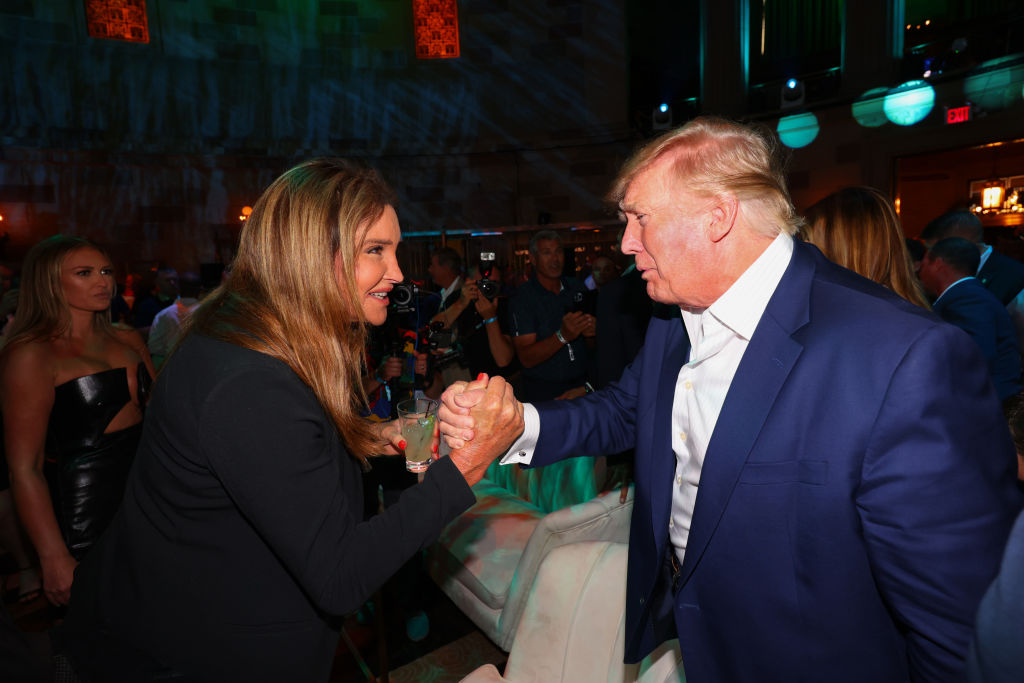
However, the former Olympian remains a keen supporter of Trump
Chris Trotman/LIV Golf via Getty Images
advertisement
The issue goes beyond Jenner alone
The mention of Schafer widened the discussion beyond Jenner's own case. It made clear that the issue was not isolated, but part of a broader pattern affecting other trans people whose documents had previously matched their lived identity.
That broader context matters because it shifts the story away from one celebrity dispute and toward the practical effect of a federal policy. Whether the person affected is famous or not, a passport mismatch can create problems that reach far beyond politics.
In that way, Jenner's case has become one visible example of a much larger concern. The story speaks to the gap between government paperwork and the lives people have already built under earlier rules.
advertisement
At the same time, Jenner's admission has been met with a mixed reaction online. Many people pointed out that she has remained an outspoken Trump supporter despite his administration's approach to trans-related policy.
"A painful example of someone who supported Trump and is now paying for that choice on their own skin," wrote one person on X, while another added: "She literally voted for this lmfao."
advertisement
How people responded online
Those reactions reflected the frustration of people who see Jenner's current situation as a direct result of politics she helped support. In their view, her complaint is difficult to separate from the choices she made publicly over the years.
Others may still see her comments as useful because they highlight how the policy works in practice, even when it affects people who were politically aligned with the administration behind it. That tension is part of why the response has been so divided.
Whether people sympathize with her or criticize her, Jenner's remarks have pushed fresh attention onto the passport issue. Her story now sits at the center of a broader discussion about identity documents, travel, and the real-world fallout of policy decisions.