

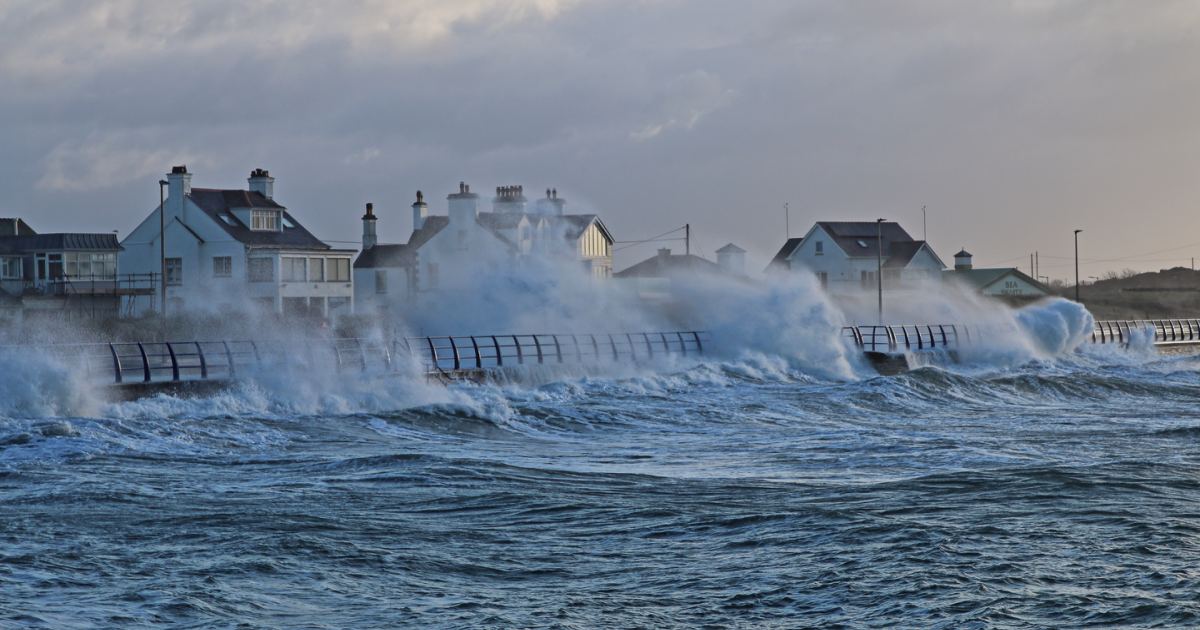
A new scientific study has shared a grim outlook on the likelihood of a massive earthquake hitting the Pacific Northwest
advertisement
Experts have warned that a massive earthquake could strike parts of the United States soon, marking the first event of its kind in more than three centuries.
The newly published research explored the potential of a powerful earthquake—measuring over 8.0 in magnitude—impacting the Pacific Northwest sometime in the not-so-distant future. And the results have raised serious concerns.
The findings, conducted by researchers at Virginia Tech, appeared in the journal Proceedings of the National Academy of Sciences just last month.
According to the study, the earthquake could strike along the Cascadia subduction zone, a massive 600-mile fault line that stretches from northern California all the way to southern British Columbia.
Scientists say there’s about a 15 percent chance that this region could experience an earthquake stronger than magnitude 8.0 within the next five decades.
If such a quake were to happen, the coastal land could sink by as much as 6.5 feet, the researchers explained in their report.
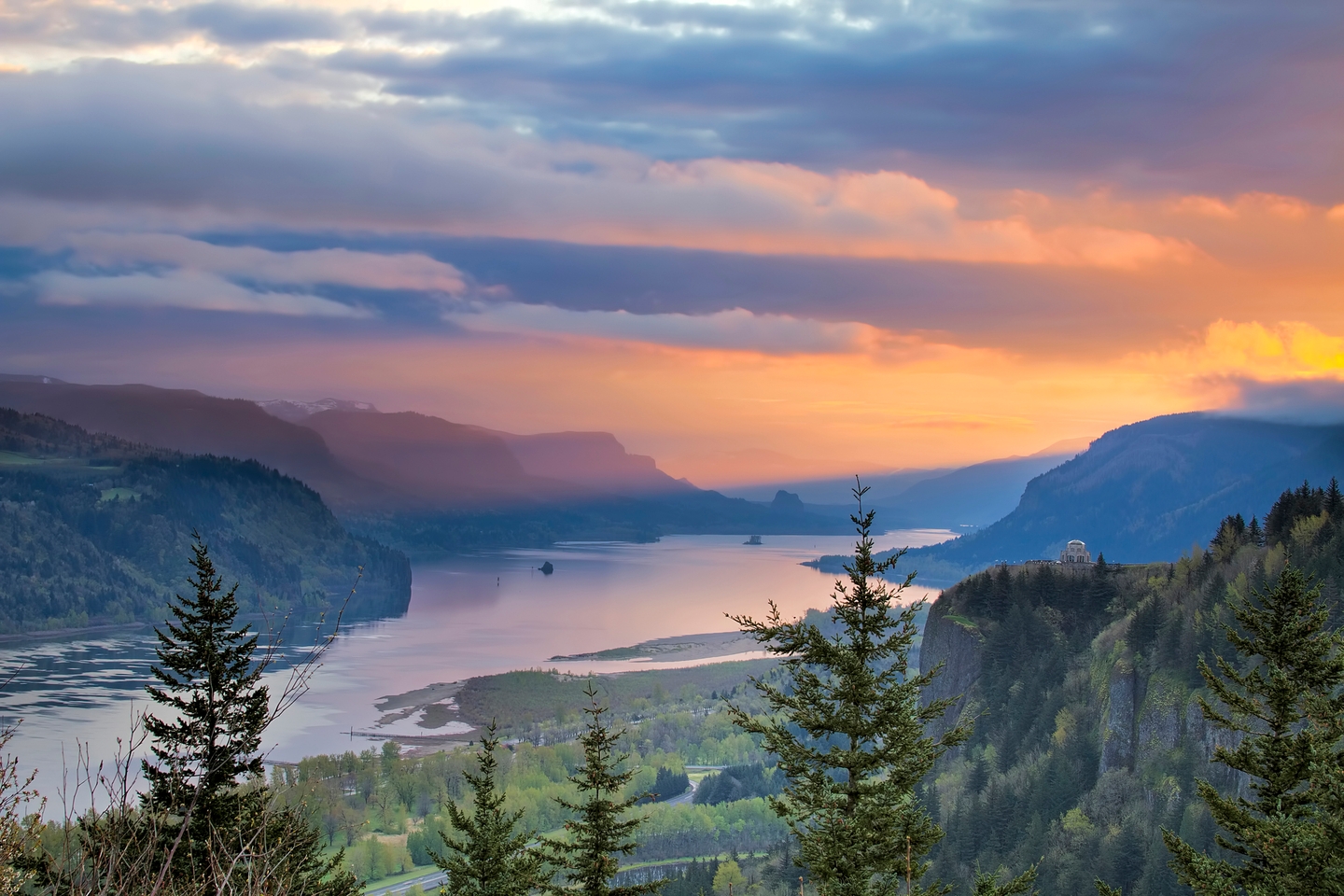
Washington's Columbia River is part of the Cascadia Subduction Zone
Getty Stock Image
advertisement
One of the largest recorded earthquakes in US history is the Great Alaska Earthquake, which struck back in 1964 with a staggering magnitude of 9.2, according to the US Geological Survey.
Commenting on the recent findings, study lead Tina Dura—who is also an assistant professor of geosciences at Virginia Tech—shared the following: "The expansion of the coastal floodplain following a Cascadia subduction zone earthquake has not been previously quantified, and the impacts to land use could significantly increase the timeline to recovery."
Among the areas expected to suffer the most damage are southern parts of Washington, northern Oregon, and northern California.
If this kind of powerful earthquake were to happen today, Dura and her team estimate that about 14,350 residents, 22,500 buildings, and over 770 miles of roads would end up located inside the new flood zone left behind by the disaster.
A team at Virginia Tech conducted the research
Getty Stock Image
advertisement
The Cascadia subduction zone is part of the Pacific Ring of Fire, a geologically active region that's known for producing some of the biggest earthquakes and tsunamis around the globe.
With sea levels predicted to rise another three feet by the year 2100, the overall destruction from such a quake would be made even worse.
Dura added a stark warning: "Today, and more so in 2100 as background sea levels rise, the immediate effect of earthquake-driven subsidence will be a delay in response and recovery from the earthquake due to compromised assets. Long-term effects could render many coastal communities uninhabitable."
advertisement
Although the US has experienced earthquakes over 8.0 in magnitude in recent history, a quake of that scale hasn’t occurred in the Cascadia region since January 1700.
The authors of the study say it's time to start preparing seriously for such a massive and potentially life-altering event.
"Preparing for these compound hazards can minimize long-term damage, ensure resilient communities, and protect critical coastal ecosystems from permanent degradation," the authors noted, as quoted by The Guardian.