Although there is no simple answer when it comes to vaccines and their frequency, there are some guiding principles that can be used.
advertisement
1. Some vaccines are more important than others
In my mind, there are really only three vaccines that should be considered for most cats: rabies, FVRCP (which protects against deadly panleukopenia, and also may help to prevent certain respiratory diseases), and leukemia. The coronavirus vaccine (which may offer some protection against feline infectious peritonitis) may be considered for cats in rare circumstances. Other vaccines, such as those against Bordetella, FIV/feline AIDS, and ringworm (which is off the market at this time) appear to offer minimal benefit or efficacy.
2. Even the important vaccines might not be appropriate for all cats
Elderly cats are not at significant risk of panleukopenia. Indoor cats are not at risk of feline leukemia.
advertisement
3. Timetables have changed
After a lengthy battle, the proponents of annual vaccination for cats are in full retreat. Most reputable organizations (such as the American Animal Hospital Association and many vet schools) recommend vaccination every three years at most. However, this is just a guideline; actual vaccination schedules must be individually tailored.
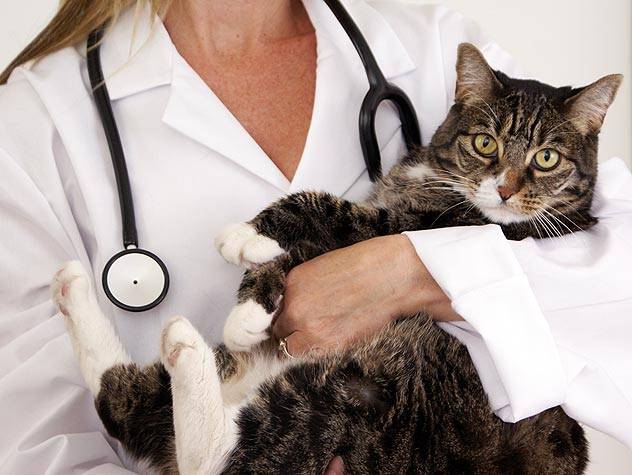
4. Younger cats need vaccines more than older cats
This is true despite the fact that over-vaccination can have negative consequences. Unvaccinated kittens succumb to panleukopenia at horrifying rates, but panleukopenia is essentially unheard of in 18-year-old cats. Similarly, leukemia is a much greater threat in younger cats than in older ones.
advertisement
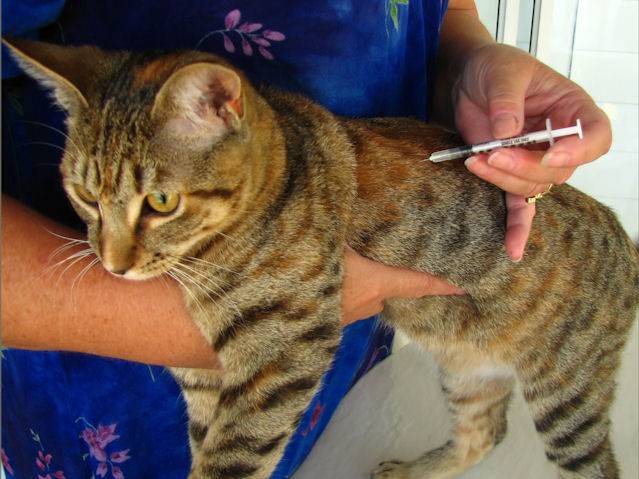
5. Outdoor cats need more vaccines than indoor cats
This applies most specifically to the vaccine for feline leukemia virus. The simplest way to avoid this dreaded disease is to keep your cat indoors. If your cat goes outside, then the benefits of leukemia vaccination likely outweigh the risks, especially when he is young.
advertisement
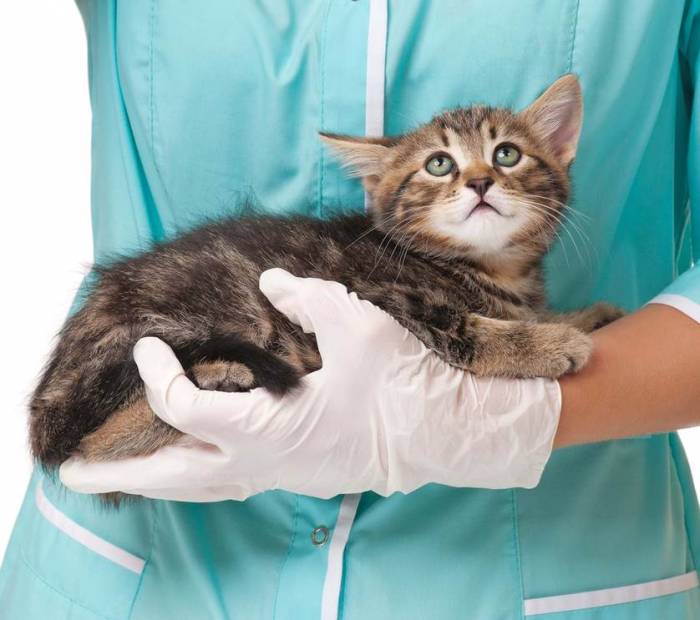
6. Be wary of non-adjuvanted vaccines
One company has produced vaccines that do not contain a product called "adjuvant." The purpose of adjuvant is to increase the immune system's response to vaccines. Some people have theorized that adjuvant contributes to the development of sarcomas. However, I have never seen any solid evidence that non-adjuvanted vaccines are safer. A recent major study in the Journal of the American Veterinary Medical Association discredited the notion that adjuvant plays a significant role in the development of sarcomas. And, to make matters worse, the non-adjuvanted vaccines must be given annually rather than triennially in order to fulfill the recommendations of the manufacturer. I am very reluctant to believe that these vaccines are three times less likely to cause sarcomas. Unfortunately that is the threshold they need to cross, since they're given three times as often as the annual adjuvanted vaccines.
advertisement
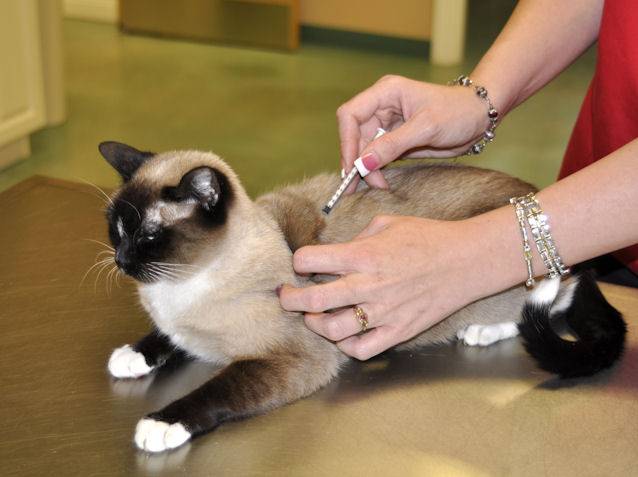
7. Rabies is a special case
The vaccine is required by law for cats in some jurisdictions but not in others. Rabies also is zoonotic this means it can spread from cats to humans. And it has the dubious distinction of being the deadliest virus on earth. The rabies vaccine unfortunately appears to cause sarcomas at a higher rate than the FVRCP. These many facets of rabies vaccination must be considered whenever a cat is evaluated for vaccines. Parents of young children may elect to vaccinate their cats for rabies while single adults may not. Cats who go outside and hunt will be at greater risk of exposure to rabies; the vaccine should be considered more seriously in these individuals. However, even indoor cats may be exposed to rabies. Odd though it may sound, rabid bats have been known to expose indoor-only cats to the terrible virus after they fly through windows or down chimneys.
advertisement
8. Sarcomas are a rare but real threat
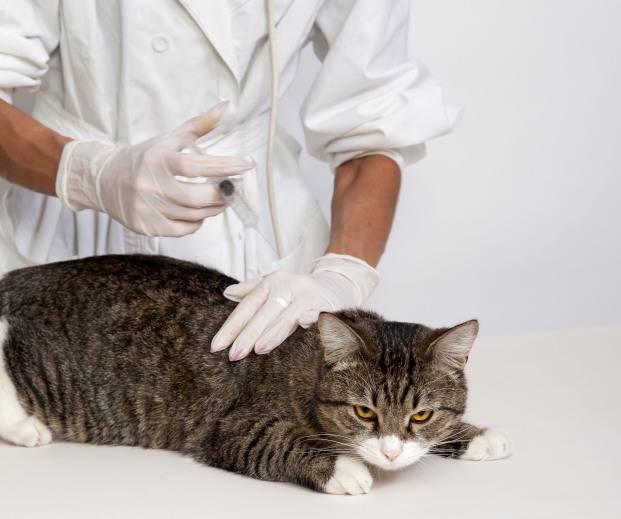
Although rabies and leukemia vaccines appear to be most likely to cause sarcomas, no vaccine in fact, no injection is free of risk. The risk of sarcomas, as well as other rare but possible negative consequences of vaccination, must be weighed against the benefits of any vaccine.
advertisement
So, what should you do? I have two suggestions.
First, keep your cat indoors. This will reduce the need for leukemia vaccination and will make the matter simpler. Second, find a good vet. Good vets will be happy to take the time to discuss the nuances of these issues and to consider your cat's unique circumstances before making vaccine recommendations. Beware of anyone who tries to make this matter sound simple or clear-cut.
In the end, remember that it is you, and you alone, who must make the decisions. Your best bet is to be as knowledgeable as possible before making them. However, I have a word of warning for you: The more you know about vaccines, the more complicated and difficult this subject becomes.