
Worms are internal parasites, feeding off of their "host."
In this case, the host is your cat. Cats are susceptible to a number of internal parasites, but there are a few major players when it comes to worms.

The main types of worms in cats are roundworm, hookworm, tapeworm and heartworm.
Fecal examinations are used for diagnosis, except in the case of heartworms. Heartworms require a blood test, but diagnosis in cats is more difficult than in dogs. In fact, there is no reliable blood test for infected cats.

Most infected cats do not show signs of having worms
however, heavy burdens of worms can cause weight loss, vomiting and diarrhoea, irritation around the anus and failure to thrive.
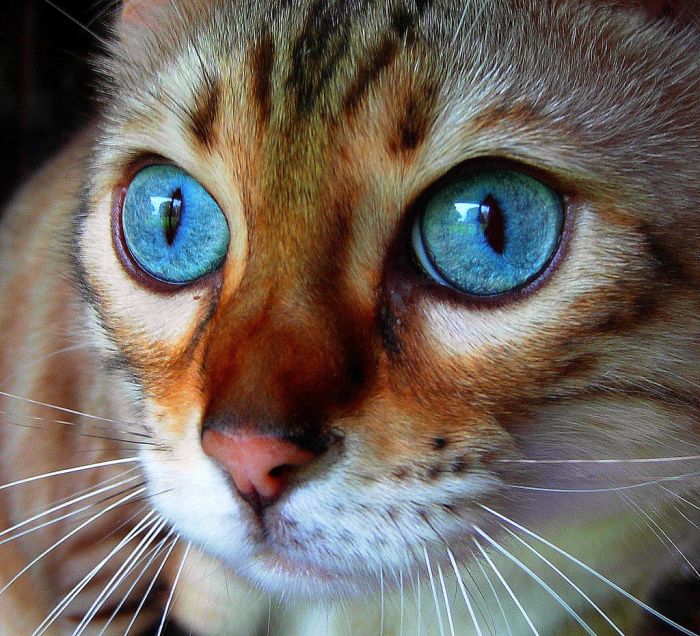
Typically, cats that share litter boxes will all be infected with the same intestinal parasite
so a fecal sample from one of the cats in the group is usually sufficient to determine if an infestation exists in the home.
By the same token, it is recommended that treatment be administered to all felines sharing litter boxes or living space with a known infected cat. Untreated, anyone of these can become a significant health issue for your kitty.

Importantly, while worms can sometimes cause problems for the cat itself
some worms can also be passed on to humans and on rare occasions can be a cause of serious human disease. For these reasons, regular treatment of cats and kittens to prevent or eliminate worms is very important.

Cat Hookworms (ancylostoma tubaeforme and ancylostoma braziliense):
These worms get their name from the hook-like mouth parts they use to attach to the wall of the small intestine. If a kitten is infected, they will look healthy initially, and then get severe anemia, which could possibly result in death. Infections can occur as early as 3 weeks of age. They are considered "tissue feeders," but also suck blood from the intestinal wall. They can cause disease in cats and humans, especially children.

These worms exist in all parts of the United States
and are passed from mother (queen) to kitten through the milk, by ingesting through the mouth, or even through skin penetration. Cats will shed this worm and infect the surrounding environment.

The presence of roundworms can cause a cat to:
*Look pot-bellied
*Constantly feel hungry.
*Vomit
*Have chronic diarrhea
*Be less active than usual
It is important to note that roundworms can be transmitted to humans.

Tapeworms (also called dipylidium caninum):
Tape worms in catsinclude a head and many segments and are often caused by eating or swallowing flea larvae or small rodents. They cause vomiting and diarrhea. The worm is comprised of small segments (hence the name), which can break off as it grows inside a cat's intestines and then pass through the body in the feces. A tapeworm can be from 4 to 24 inches in size. Tapeworm infections are not considered dangerous. It is often diagnosed by seeing the worms moving around a cat's anus or in the feces itself.

Symptoms of tapeworms include:
*Seeing small segments of worms in the fur on your cat's rear
*Seeing worm segments in your cat's stool
*Weight loss
*Constant hunger
Luckily, tapeworms are not easily transmitted to humans.

Heartworms:
These cat heartworms live in the heart or in the arteries going to the lungs. They can cause heart or respiratory failure with the worms being a big problem for cats because of their small heart. While there is medication to treat heartworms in dogs, they are very difficult tothe point that there is no feline heartworm treatment. The treatment approach is to support the cat as best as possible while the worms complete their life cycle over a 2 to 4 year period. There is a very high 50% rate of mortality (death).

Symptoms of heartworm feline include
salivation, tachycardia (rapid heart rate), shock, dyspnea (labored breathing), hemoptysis (spitting up blood), vomiting and diarrhea, syncope (loss of consciousness), dementia, ataxia (unsteady movements), circling, head tilt, blindness and seizures.

Almost one-third of cats diagnosed with heartworm were housed solely indoors.
There are now three drugs with FDA approval for use in cats. Ivermectin is provided in a chewable formulation, milbemycin as a flavored tablet and selamectin comes in a topical formulation.

Hookworms (Ancylostoma braziliense)
are also a common parasite in felines, although they cannot be seen with the naked eye. They feed off the blood of the animal they have infested and cause anemia. This can be fatal in felines, especially for kittens. Adult cats often have built up immunity to these parasites, so they may not exhibit any symptoms.

Symptoms caused by hookworms include:
*Blood in the stool
*Diarrhea
*Abdominal pain
Hookworms can be transmitted to humans by walking barefoot on infected ground.

It's more common for cats to get worms than most people realize - regardless of whether they live indoors or outdoors.
Knowing the telltale symptoms of worm infestation can help you spot an infestation and deal with it before your cat's health begins to decline.

What Should I Do If I Think My Cat Has Worms?
It's important to bring your cat to a veterinarian, who can confirm the presence of worms. Avoid self-diagnosis, since worms are not always visible or identifiable.

How Are Worms Treated?
Please don't attempt to treat your pet yourself-your cat should be treated for the specific type of worms he has. A dewormer that eradicates tapeworms, for example, will not kill roundworms. And some over-the-counter deworming medications can be harmful. After your vet has accurately diagnosed the type of parasite your pet has, he or she will then prescribe the best course of treatment, which may include an oral deworming agent.

Can I Catch Worms from My Cat?
Yes! A large number of roundworm eggs can accumulate where cats defecate. People, especially children, who ingest such eggs can develop serious health problems, such as blindness. In fact, roughly 10,000 children are infected with roundworms each year.
Hookworm larvae can penetrate human skin and cause lesions. And people can acquire tapeworms through the ingestion of an infected flea.

How Can I Prevent My Cat from Getting Worms?
*Keep your cat indoors to avoid exposure to infected cats, rodents, fleas and feces.
*Make sure your home, yard and pets are flea-free.
*Practice good hygiene and wear gloves when changing cat litter or handling feces. It's also important to frequently dispose of stool.
*Ask your veterinarian to recommend an appropriate internal parasite treatment or prevention program for your cat.