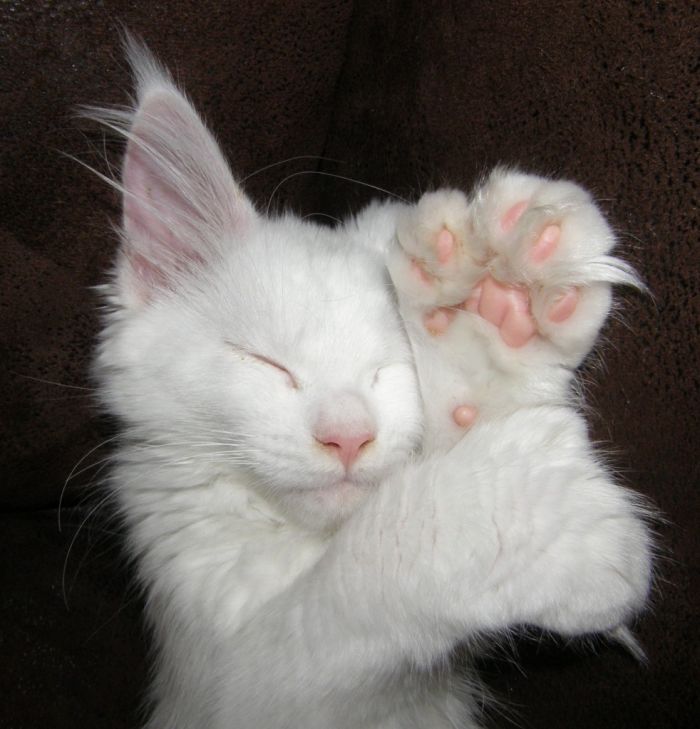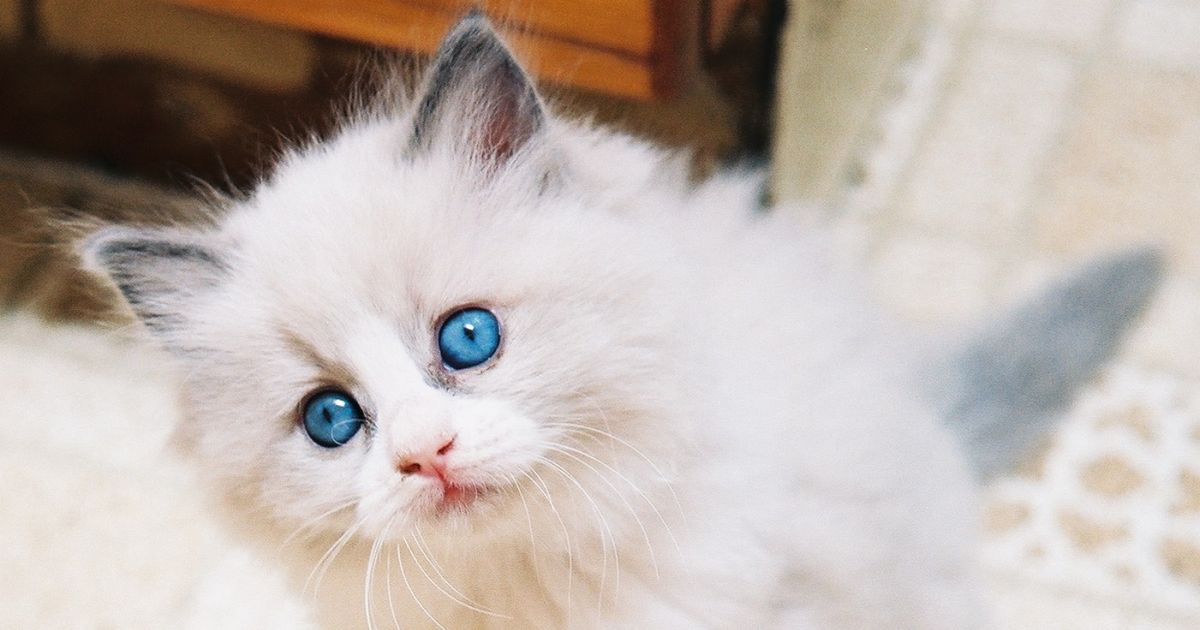
White cats may be more susceptible to skin cancer, because their skin has more exposure to the sun.
advertisement
Cat cancer of the skin is a treatable condition, provided it is detected in time.
Cats die more often from skin cancer than humans and this is mainly due to the fact that the cat cancer is not detected. The fur of the cats makes it difficult to spot any abnormalities and possible signs of skin cancer.
Skin disease is often referred to as a tumor which is an abnormal growth of cells.
It can be on top of the skin or just under the skin. Diagnosis without testing is difficult since a tumor could be malignant (cancer) or benign (not cancer). In all cases early diagnosis and treatment are essential to prevent the spread of cancer from the skin to other parts of the boy. Tumors that are not cancerous (benign) may be left alone by a veterinarian.
advertisement
Types of Cat Skin Cancer:
Basal Cell Carcinoma (most common)
A basel cell is teh cell type that is on the top layer of the skin. This type of cancer is usually on the head and just below the skin, back and lower chest. It causes rows of bumps.
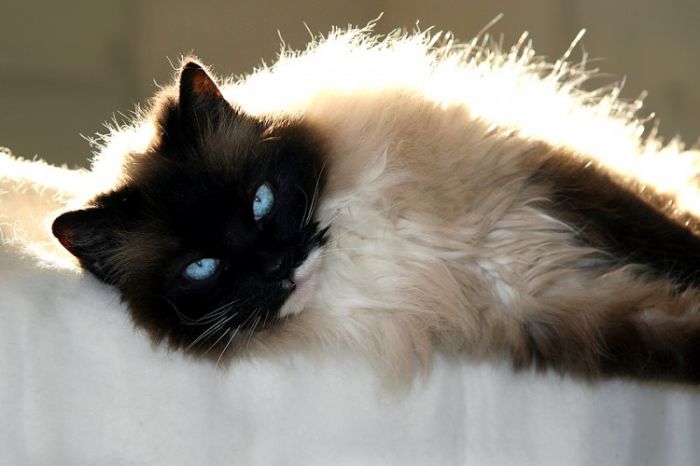
This cancer is seen in long hair and Siamese breeds.
This type of skin cancer usually does not spread and is usually not life threatening. A basal cell tumor is the term used for the benign or non cancerous type of tumor and the cancerous form of the disease is called basal cell carcinoma.
Treatment is with surgical removal.
advertisement
Squamous Cell Carcinoma
This skin problem occurs in adult cats around body openings and in exposed areas to the sun. Most cases involve cats who do not have skin pigment (white skin or white color hair) in vulnerable areas such as the ears, nose and eyelids. Another form of squamous cell carcinoma in cats occurs at the base of the tongue called feline oral squamous cell carcinoma. . It is believed it is caused by cancer causing agents that may have been ingested. Suspected causes include cigarette smoke, canned cat food and flea collars.
This type of cancer rarely spreads (metastasizes) to other parts of the body such as lymph nodes and the lungs.
advertisement
Mast Cell Tumors
These skin tumors are small (less than 1 inch) with the skin cells looking damaged or dead (ulcerated). Areas that are effected include the rear legs, the area that covers a male dogs testicles (scrotum) and abdomen.
Some types of tumors spread quickly to other parts of the body such as the spleen (typical symptom is vomiting). Treatment involves surgery and cortisone.
Siamese cats are particularly susceptible to this form of cancer.
advertisement
Melanomas
This type of skin disease looks like a black or brown spot on the skin surface. A common mole on the skin surface could turn over time into a melanoma. Like in humans if you see a mole change shape or grow you should seek veterinary care.
A melanoma can be found in any body location. Treatment involves surgical removal.
advertisement
Uveal Melanoma
A uveal melanoma is an eye tumor that occurs in older cats. You will see a change in eye color and redness. This problem usually occurs in one eye. Treatment involves eye removal, chemotherapy and radiation.
advertisement
Cat Skin Cancer Symptoms
Cat skin cancer symptoms may resemble other skin conditions, and include:
advertisement
Lumps on Your Cat's Skin
Cat skin cancer can be signaled by excrescences, lumps and enlarged moles. The lumps may be cat tumors. However, some excrescences might be benign carcinomas.
If the moles become larger than a pencil eraser you are dealing with melanomas, which may be malignant.
In the mean time, check for changes in skin color or discoloration of the skin.
Do this check-up once a month and signal any alarming signs to your vet. Make sure to look closely, as the cat's fur may hide the possible signs. The easiest way to make sure not to miss any area is to give your cat a full massage.
advertisement
Chewing and Scratching
Skin cancer can cause itchiness and cats will chew and scratch the affected area. These may also be symptoms of cat fleas but, if associated with other symptoms, can point to cancer.
advertisement
Balding Area
Very often, you will notice that the area the cat chews and scratches gets bald and irritated.
Bleeding Skin and Slow Healing
If you notice that your cat's skin is irritable and bleeds when the slightest injury occurs, this can be a symptom of skin cancer. Also, if the cat wounds take longer to heal than usual, this can indicate a number of health issues, including skin cancer.
advertisement
Discolored Nose
Your cat's nose can change its color if he has skin cancer. In case your cat has a white nose, it will become reddish. If the nose is usually pink, you might observe a slight color change.
Irregularities in the Lip and Eyelid Area
When you check your cat for lumps make sure to check the eye and lip area. Gently feel these areas and if you notice any irregularities, visit your vet. Also, if the color of these areas has changed this may also be a bad sign.
advertisement
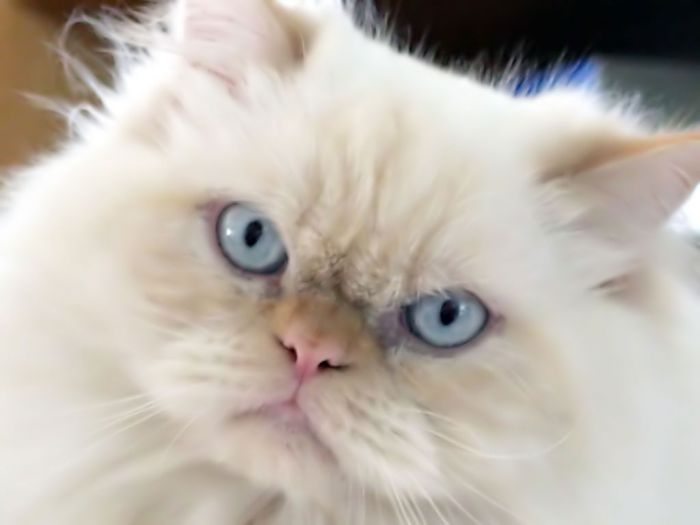
One of the possible causes of feline skin cancer is exposure to too much sunlight; cats with very light noses are more susceptible to this.
Skin cancer symptoms may vary from cat to cat, but if you notice any of the above-mentioned symptoms, you should do some additional blood tests which can give you a clear diagnosis.
advertisement
Cat Skin Cancer Diagnosis
Because skin cancer resembles other skin conditions, it is often not diagnosed right away. Instead, cats are usually treated for skin infections. When that treatment is not effective, they are evaluated for more serious conditions like cancer.
There are a number of diagnostic tests for cat skin cancer:
Blood test - these will be done to evaluate the overall health of your cat.
Aspiration - a needle is used to withdraw cells from the tumor. These cells are examined under a microscope.
Biopsy - some or all of the tumor is removed and then examined.
Chest X-rays- these are done to see if the cancer has spread to the lungs.
Lymph Node Evaluation - lymph nodes are also checked to see if the cancer has spread there. They may be check by aspiration or by biopsy.
advertisement
Cat Skin Cancer Treatment
Surgery is the most common treatment for cat skin cancer. The surgery removes not only the tumor, but some of the normal skin around the tumor as well, to make sure all of the cancer is removed.
Radiation therapy may also be used.
It is most effective following surgery that has reduced tumors to microscopic levels, meaning that they are no longer visible. It usually involves multiple treatments over a period of several weeks. Pets have to be sedated for treatments since they must hold completely still.
advertisement
Chemotherapy is another option.
It is usually recommended when the cancer has spread to other parts of the body or when other treatments are not possible for some reason. Side effects are generally minimal, and may include loss of appetite, vomiting, and diarrhea.