

Big celebrity deaths have been coming thick and fast these past few years, with 2016 taking some true greats from us. Boxing legend Muhammad Ali passed away after a 32-year battle against Parkinson's disease, and the music world was hit hard when David Bowie succumbed to the liver cancer he had kept secret up until the months before he died. So far, 2017 has claimed another rock icon in Chuck Berry and James Bond stalwart Sir Roger Moore has also taken his last bow; but, while all of these deaths came as blows to the millions of fans each man had worldwide, none of them threw up any surprises in the autopsy reports. Sometimes, the findings made by coroners are more shocking than the death itself, and this is especially true in the weird and wonderful world of celebrities. From crazy drug cocktails to injuries too severe to imagine, here are the most disturbing things that have been revealed in celebrity autopsy reports.
Celebrity Autopsy Reports That Had Gutwrenching Findings.
Johnny Lewis
Johnny Lewis once had the world at his feet. The wiry young actor built a reputation as a new talent with appearances in Smallville, The O.C. (during which time he dated Katy Perry) and Sons of Anarchy. But, despite his character Half-Sack being popular with fans of the FX biker show, Lewis wanted out. He told his father that the storylines were getting too violent for his taste, though ironically the circumstances of his own death wound up being more disturbing than anything he had to act out on the show. Lewis went into a downward spiral after quitting Sons of Anarchy, going through an unsuccessful custody battle over his child and repeatedly getting arrested for assault. To turn his life around, he booked out a 1927 Spanish-style mansion retreat called the Writers' Villa, operated by a wealthy arts patron named Cathy Davis. The 81-year-old had been sharing her peaceful property with writers and artists for years, though Lewis would be her last tenant.

The police were called to the villa by neighbours and found Lewis in the driveway, his left eye socket cracked and skull shattered. He had fallen from the roof. It was what he did before falling that shocked the world: the aspiring novelist had bludgeoned Davis and her cat to death. The assumption was that Lewis was out of his mind on drugs at the time, but the disturbing thing about his autopsy was that he was completely clean when he did it.
Heather O'Rourke
Unless you're a fan of classic horror, chances are you've never heard of Heather O'Rourke, but back in 1988 her heartbreaking story was the talk of Tinseltown. O'Rourke played Carol Ann Freeling in the first three Poltergeist movies, though she never got to see how the third one turned out, passing away before it was released aged just 12. The young actress died on an operating table in The Children's Hospital of San Diego, who identified the cause of death as intestinal stenosis, a severe bowel obstruction that O'Rourke had seemingly suffered with in silence since birth. According to a hospital spokeswoman, the bowel obstruction "caused an infection that, in turn, brought on septic shock. The shock prompted full cardiac and pulmonary arrest." This condition came as news to her parents, however, who had no idea what was to come when they rushed her to hospital after she developed flu-like symptoms. By the time she was airlifted to San Diego she was in a critical condition and the surgeons could not save her.
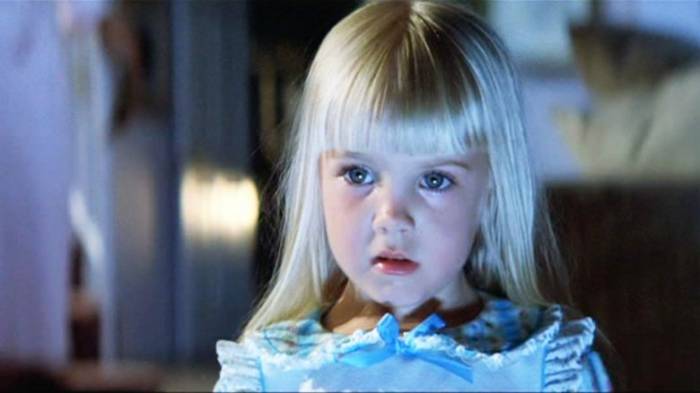
While her family was initially too distraught to make a statement, after reading the autopsy report they decided to file a wrongful-death suit at California Superior Court in San Diego County, claiming Heather's illness was misdiagnosed. "It was an intestinal blockage that had probably been present since birth," her mother Kathleen said. "The X rays taken, if properly read, would have disclosed that this was the kind of condition that should have been treated surgically."
Cory Monteith
In 2013, Glee fans gathered in their masses to pay tribute to Cory Monteith (best known as jock turned Glee club member Finn Hudson), who died alone in a Vancouver hotel room aged just 31. The public was shocked to learn that the actor died from a toxic reaction caused by high levels of alcohol and heroin in his system, though those close to him claimed he had been trying to talk about his issues with substance abuse for years. Shortly before his death, Monteith starred in a disappointing indie crime flick named McCanick, winning the part of a drug-addicted convict simply by sharing stories from his own life. "He opened up quite a bit," director Josh. C Waller told People. "He was like, 'I can do this character. I know this character. I was this character. I have lived elements of this.'" Monteith himself had actually been candid about his past on several occasions, telling Parade that at one stage he was doing "anything and everything, as much as possible."
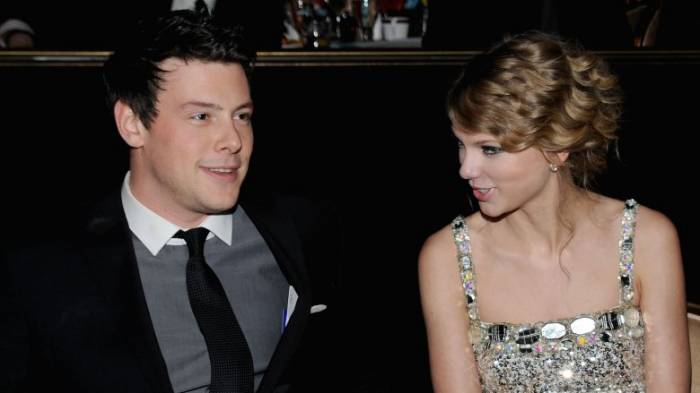
Despite attempting to sober up with stints in rehab, Monteith fell back into old habits and by the time police found him collapsed on the floor of the Pacific Rim Hotel, it was too late for resuscitation. "It appeared that Mr. Monteith had been dead for several hours," the coroner's report read. Paraphernalia including a "spoon with drug residue and a used hypodermic needle" was found next to his body, along with "two empty champagne bottles."
Brandon Lee
Like his father Bruce, Brandon Lee died in circumstances just begging to be turned into conspiracy theories. Bruce Lee was a picture of physical health when he dropped dead aged 32 back in 1973, which lead many to blame foul play—karate master Ed Parker went as far as accusing Chinese herbalists of poisoning him. In the case of his son Brandon, the public knew that he had died following an accident on the set of Alex Proyas dark fantasy film The Crow, though when the martial artist's autopsy report was later released, red flags went up. Medical examiners were shocked when they found a .44-caliber bullet lodged in Lee's spine, raising questions about the standard of health and safety on Hollywood movie sets. The 28-year-old was shot when a prop gun containing a dummy round (which look like real bullets and are used for close-up shots to make the weapon appear loaded) was fired before being re-loaded with a blank. It tore a hole the size of a silver-dollar in his abdomen.
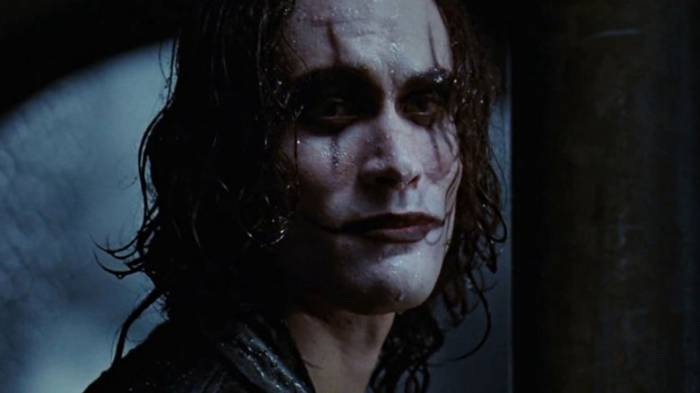
Surgeons worked tirelessly to repair the extensive vascular and intestinal damage caused by the dummy bullet, transfusing Lee with 60 pints of blood—enough for five grown men—during their failed attempts to save his life. One of Lee's friends later revealed they had quizzed the action star about the risky stunts he was doing on The Crow, but he replied: "Nobody ever gets hurt doing that stuff. They've worked it out."
Heath Ledger
Heath Ledger passed away before he could reap the rewards of the painstaking method acting he put himself through preparing to play The Joker in 2008's The Dark Knight, awarded the Best Supporting Actor Oscar posthumously. The Australian threw himself into the mindset of DC's Clown Prince entirely, shutting himself away with nothing but a journal and his own thoughts. "He pretty well locked himself up in a hotel room for weeks," his father said in documentary Heath Ledger: Too Young To Die (via Daily Mail). "He liked to dive into his characters, but this time he really took it up a notch." The documentary gave us a glimpse into the journal Ledger kept, which contained photographs of wild hyenas and stills of Alex DeLarge (Malcolm McDowell) from Stanley Kubrick's A Clockwork Orange. The most chilling part of the book was the final page, however, on which Ledger had scrawled the words "Bye Bye." Many believed (and still believe today) that playing The Joker killed Ledger, though his sister has insisted that he was far from depressed at the time. "It was actually the exact opposite," she said. "That was a shock to me that people even thought that, really."
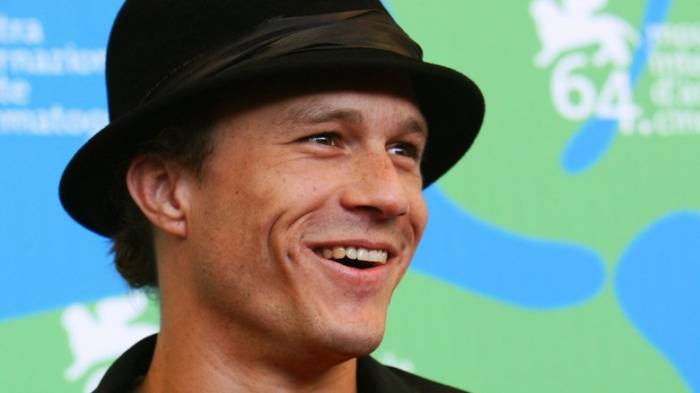
What really killed Ledger was an "acute intoxication by the combined effects of oxycodone, hydrocodone, diazepam, temazepam, alprazolam, and doxylamine," according to New York City's medical examiner's office. "We have concluded that the manner of death is an accident, resulting from the abuse of prescription medications," they said.
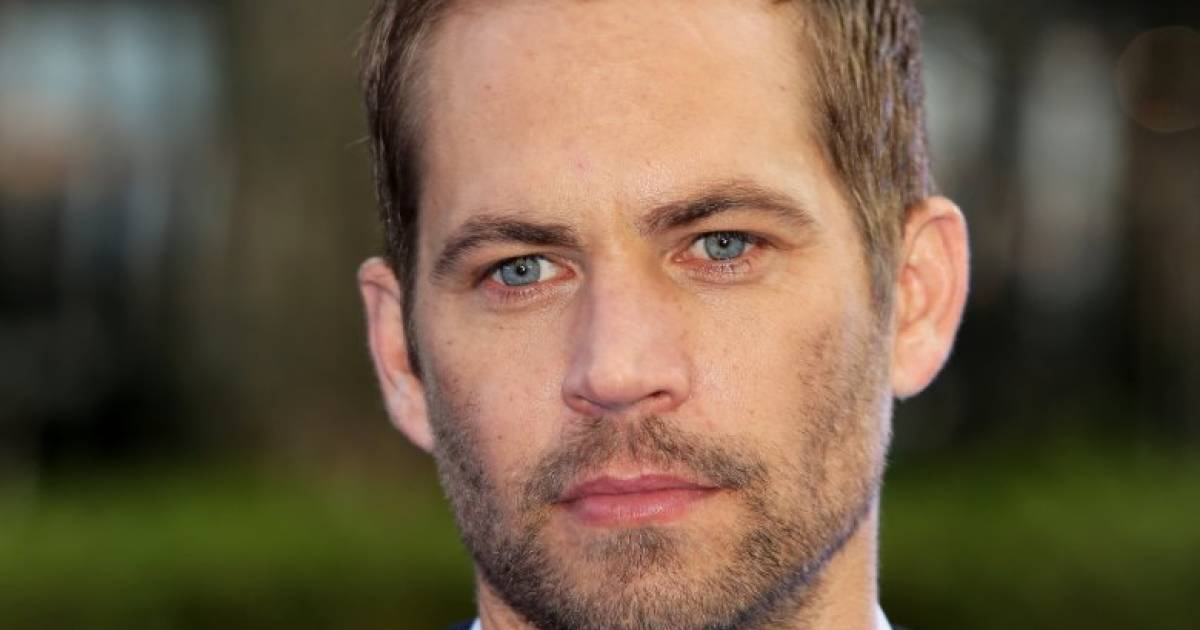
Paul Walker
The death of Paul Walker in 2013 sent shockwaves through Hollywood, with the ironic circumstances of his horrific demise only adding to the heartache for his Fast and Furious co-stars. Walker was killed when the Porsche Carrera GT he was a passenger in crashed at speeds of 100mph, spinning a full 180 degrees and nearly breaking in half before it exploded into a ball of flames on the roadside. The driver Roger Rodas was also killed, and in a gruesome way: his autopsy revealed that the top of his skull had been so badly damaged that his brain was exposed. But even that pales in comparison to the disturbing description of Paul Walker's body. LA County Coroner revealed that the actor was found in a "pugilistic stance," meaning that he knew the crash was coming and curled up into a ball for protection. It didn't do him much good, however. The official cause of death on the certificate reads "combined effects of traumatic and thermal injuries," though Walker's autopsy report makes for much more graphic reading. He suffered multiple broken bones, including his pelvis, collarbone, and jaw, and his body was so badly charred that none of his organs were suitable for donation.
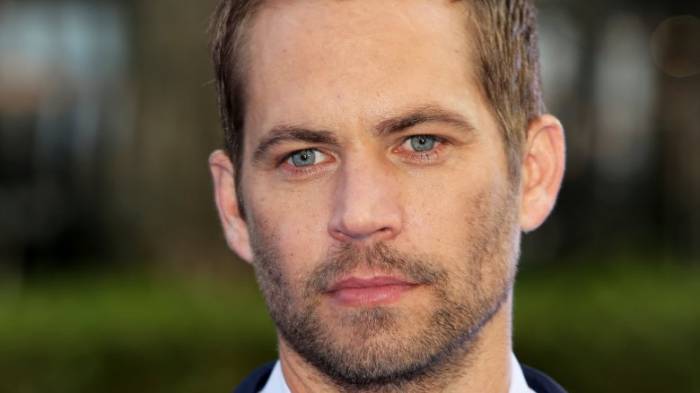
Perhaps the most disturbing finding made by coroners was that Walker might have actually been alive for a few agonizing breaths after the impact, as traces of ash were discovered in his trachea. Thankfully for fans and family, no traces of drugs were in either man's system.
Brittany Murphy
Clueless and 8 Mile star Brittany Murphy was only 32 years old when she passed away from what her autopsy declared was pneumonia. The coroner's report said that Murphy had been suffering from anemia exacerbated by a heavy menstrual flow, which left her body weak and prone to infection. Sadly, the actress had refused to leave her home for help despite being ill for over a week, wary of being spotted by paparazzi outside her house. By the time she got the required level of medical attention, it was too late. "By the time Brittany collapsed in her bathroom, there was probably nothing the paramedics or hospital staff could have done to save her," pathologist Dr. Richard Shepherd said. "But had she been taken to hospital 24 hours earlier and given intravenous drugs, there is a very good chance she would have survived and would still be here today." According to Murphy's father, however, it wasn't intravenous drugs his daughter needed but an antidote—he believes she was poisoned by an assassin.
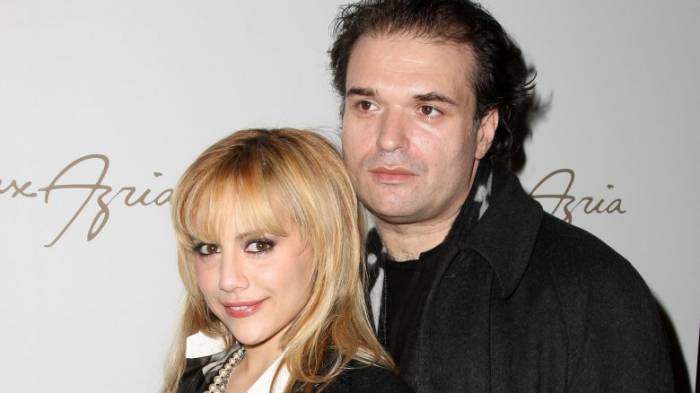
Angelo Bertolotti (who is suing Lifetime over their unauthorized biopic of his daughter) started getting suspicious after his son-in-law died of the exact same condition just five months after Murphy, claiming that the lovers had been murdered by government officials after showing public support for a whistleblower. "I called it two weeks after it happened," another family member (wishing to remain anonymous) told Daily Mail. "You just don't have two people die like that under those circumstances."
Michael Jackson
Perhaps the most anticipated autopsy in the history of celebrity culture was that of the King of Pop Michael Jackson, who was found not breathing in his bed on the afternoon of June 25, 2009, by his personal physician Conrad Murray. Jackson was working hard rehearsing for a series of comeback concerts in London, and Murray had quit his job at his practice to accompany the eccentric singer to the UK. He attempted to revive Jackson upon finding him but was unable to do so and was of course convicted of involuntary manslaughter in November 2011, found guilty of prescribing the drug propofol without suitable safeguards. It wasn't the only drug found in Jackson's system, however. The pop legend was operating on a cocktail of midazolam, diazepam, lidocaine, and ephedrine at the time, and all this coupled with his unchecked use of the propofol were too much for his weakened body to handle. The fact that Michael Jackson misused prescription medication hardly came as a shock to the public, but there were plenty of other disturbing details that came out in his autopsy.
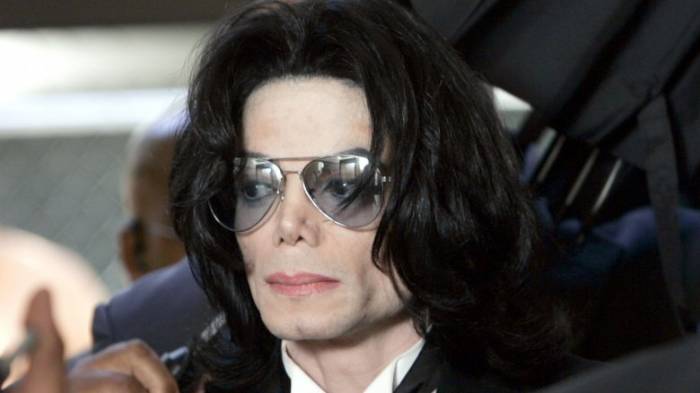
"There was no indication from the autopsy that there was anything anatomically wrong with him that would lead to premature death," Dr. Christopher Rogers found during his examination of Jackson's body, but what he did find were some bizarre aesthetic alterations. Rogers revealed that singer's lips had been tattooed pink and that the front of his scalp had been inked black so that his wigs blended in better.
Dr. Martin Luther King
Martin Luther King wasn't quite as influential as he had once been when he was assassinated by small-time crook James Earl Ray in 1968. The civil rights activist was losing support from some of the younger members of the African American community because of his non-violent approach to protest, with the likes of Malcolm X providing a harder line on racial inequality in the States. As a result, King distanced himself from the Black Power movement and instead stood for the rights of Americans of all creeds. It was in that spirit that he attended a worker's sanitation strike in Memphis, Tennessee, where he gave a speech that seemed to foreshadow what was about to happen to him. "I've seen the promised land," he said. "I may not get there with you. But I want you to know tonight, that we, as a people, will get to the promised land. And I'm happy tonight." The following night, he stepped out onto the balcony of his hotel and was shot in the neck.
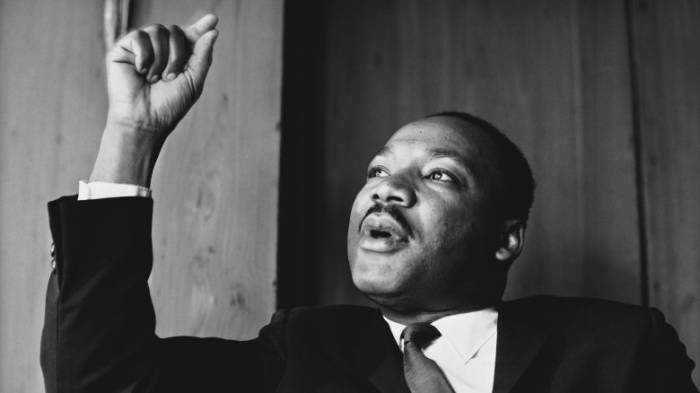
Riots erupted across the US, exacerbated by the disturbing description of how Dr. King died. "Gunshot wound with total transection of the lower cervical and upper thoracic spinal column," the official autopsy stated as a cause of death, adding that the "laceration of the vertebral artery, subclavian artery, and jugular vein" were also contributing factors. Despite promoting peace in his lifetime, King's murder only served to increase anger and segregation in a number of American communities.
Carrie Fisher
For Star Wars fans, Christmas 2016 was far from a merry occasion, marred by the sudden and sad passing of Carrie Fisher. The 60-year-old actress was on a December 23 flight from London to Los Angeles when she went into cardiac arrest, and while airline staff and passengers did what they could until the plane touched down, Fisher died not long after being rushed to Ronald Reagan UCLA Hospital. She wrote herself into the annals of pop culture history playing Princess Leia Organa in George Lucas' space epic, but while fans of Fisher were aware that she liked to party, the results of her autopsy were still disturbing. The proverbial drug cocktail was found in Fisher's system, with her toxicology review finding "evidence of cocaine, methadone, MDMA (better known as ecstasy), alcohol and opiates," according to LA Times. Perhaps the most shocking autopsy revelation was that "there was an exposure to heroin," though the dose and time of exposure could not be pinpointed by examiners, who named the official cause of death as sleep apnoea, a condition that stops air getting to the lungs.
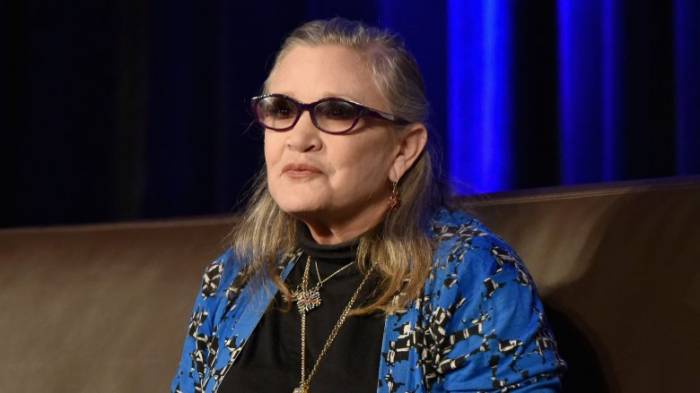
The previously unknown extent of her drug abuse should not ruin the legacy Fisher left behind, however, as her brother has been telling ET. "I would tell you, from my perspective that there's certainly no news that Carrie did drugs," he said after the results of the autopsy were made public. "If you want to know what killed her, it's all of it."