

The tiny seeds are often added to everyday meals, and new research suggests they may have a real impact on appetite and brain health
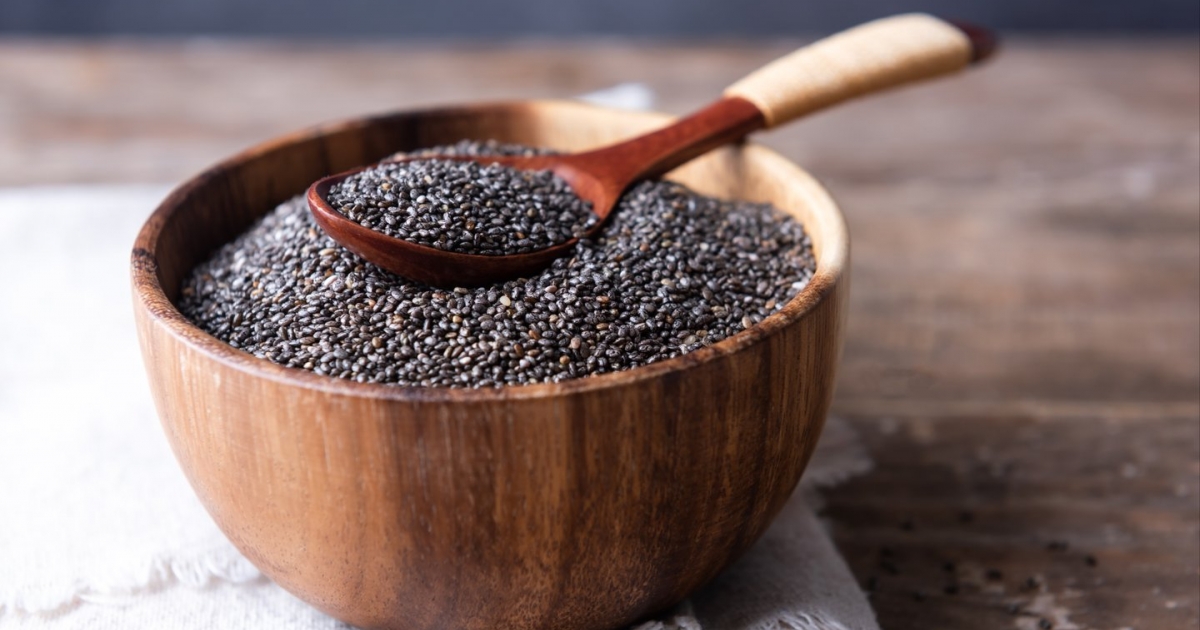
New Research Reveals Surprising Effects Of Eating Chia Seeds
By
maks in
Health and Fitness
On 31st January 2026
advertisement
Sprinkled over porridge, blended into smoothies, or left to soak into a thick pudding, chia seeds have become a regular feature in many people’s daily meals.
Often labeled a “superfood,” the tiny seeds are known for being rich in fiber, protein, omega-3 fatty acids, antioxidants, and a range of vitamins and minerals that support overall nutrition.
At the same time, chia seeds have not been without criticism. Some people have raised concerns about digestive “blockages,” while others argue that problems tend to come from eating them dry or not preparing them properly before consumption.
Why chia seeds are so widely studied
Despite the debate, chia seeds continue to attract attention from researchers because of their potential role in managing appetite, weight, and metabolic health.
Scientists have been especially interested in how chia products behave in the body when paired with diets that closely resemble modern eating habits, which are often high in fat and sugar.
advertisement
There is little dispute that chia seeds offer several benefits, and a study published late last year added new insight into how they may affect the brain.
Researchers in Brazil set out to examine how chia flour and chia oil influence feelings of fullness, inflammation, and antioxidant activity in the brain.
To explore this, the scientists conducted experiments on rats that were fed a high-fat, high-fructose (HFHF) diet, which is commonly used to mimic the effects of unhealthy human eating patterns.
The study, published in the journal Nutrition, compared these rats with a control group that consumed a standard, balanced diet. This allowed the team to clearly observe how chia products altered the results.
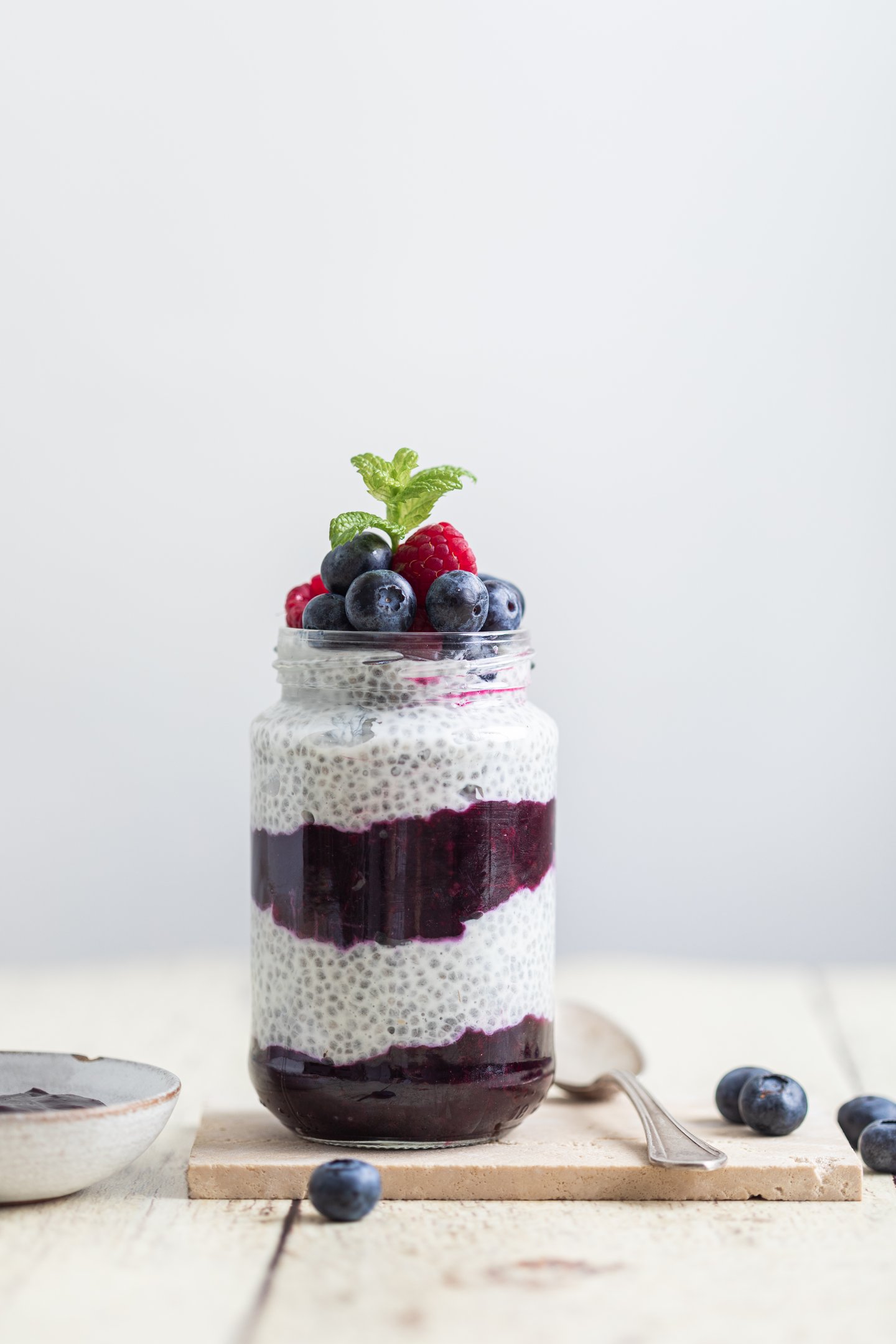
Chia seeds are a popular superfood.
Getty Stock
How the study was carried out
The researchers divided the animals into several groups to better understand the effects of each form of chia.
One group continued on the unhealthy diet without changes, while the others received the same diet but with either chia oil or chia flour added.
advertisement
Over a 10-week period, one group remained on the HFHF diet alone, another received chia oil alongside it, and a third consumed chia flour with the same base diet.
After the trial ended, the researchers collected brain tissue samples to study changes at a genetic level.
The rats given chia oil showed increased activity in genes linked to satiety, suggesting that chia oil may help promote a feeling of fullness after eating.
This effect was less pronounced in the group fed chia flour, although both chia products appeared to improve how the brain responded to leptin, a hormone closely tied to hunger and appetite control.
advertisement
Overall, the chia-based diets appeared to support healthier brain signaling and reduce tendencies linked to overeating.
The researchers summarized their findings by stating: "The consumption of chia flour and oil associated with a HFHF diet modulated the expression of genes involved in satiety and inflammatory response mechanisms. In addition, the modulation of the intestinal microbiota may be correlate with brain satiety signals, as well as inflammatory and oxidative responses, making it a potential strategy for controlling metabolic diseases associated with unbalanced diets."
In simple terms, the study suggests that chia products may help people feel satisfied after meals, which could lower the urge to continue eating.
This effect may make chia seeds a useful addition for those trying to improve their diet, manage weight, or reduce the impact of unbalanced eating habits.
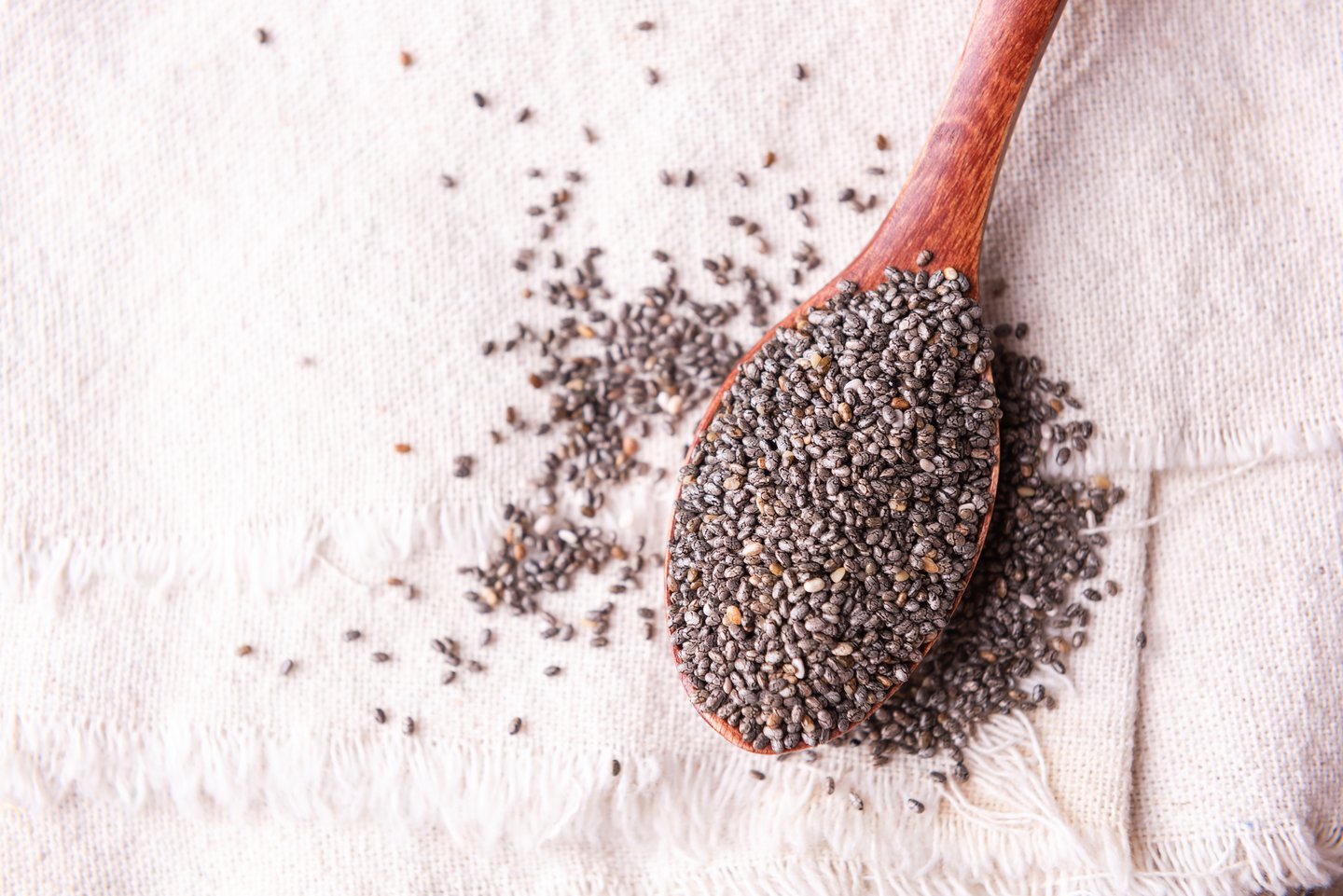
Researchers found the products are 'potential modulators of satiety'.
Getty Stock
advertisement
What this means for everyday diets
While the research was conducted on animals, the findings add to a growing body of evidence that chia seeds may play a role in appetite regulation.
Experts generally agree that chia seeds are safest and most effective when soaked or mixed into food, rather than eaten dry.
As with most dietary changes, moderation and proper preparation matter, but the study offers encouraging insight into why chia seeds continue to earn their place in many healthy eating plans.