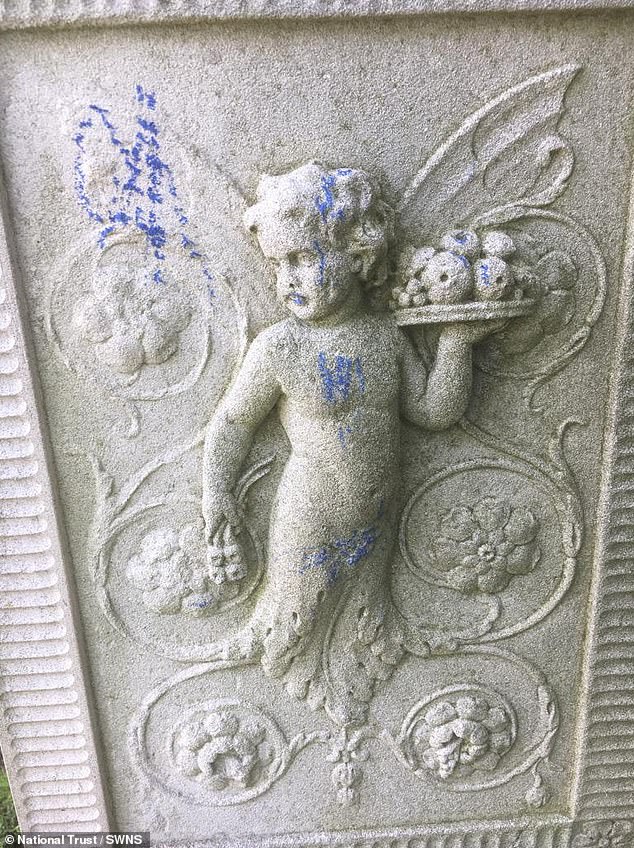
The National Trust was 'dismayed' to learn that children who were given crayons to keep them occupied during a museum visit ended up drawing all over a 230-year-old monument.
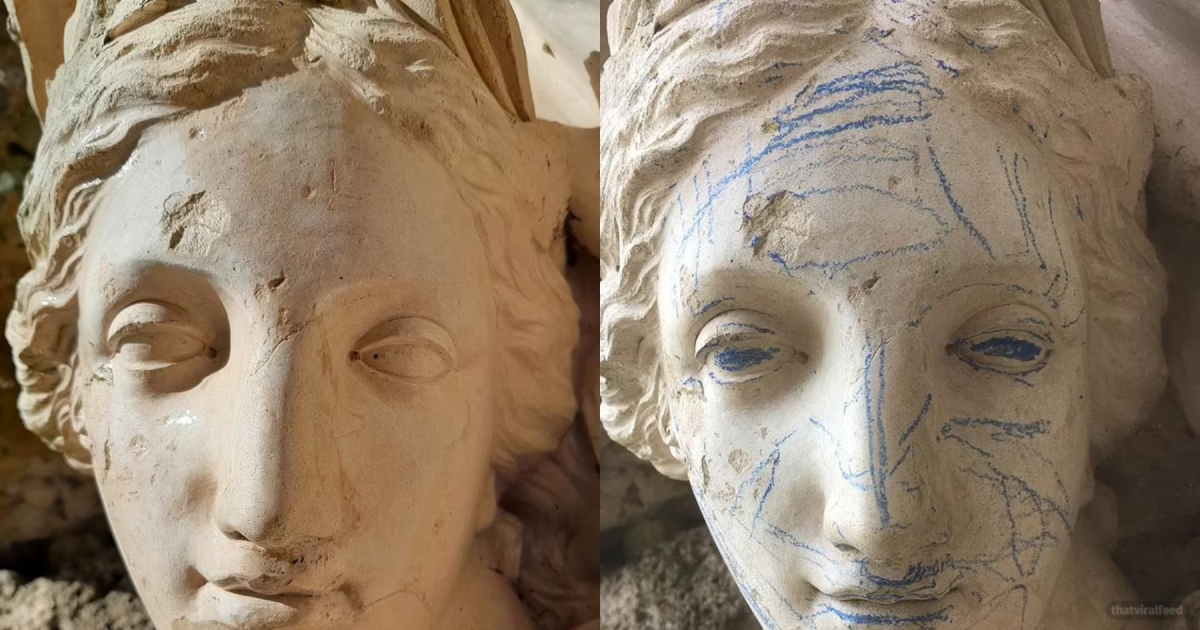
Children Given Crayons At Museum Scribble All Over 230-Year-Old Statue
By
Haider Ali in
News
On 25th April 2023
advertisement
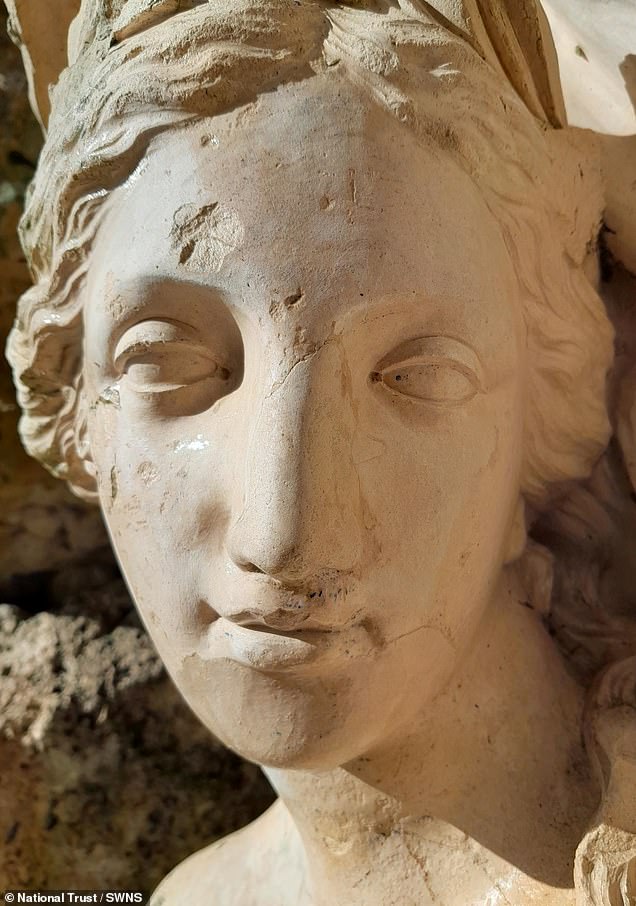
Image: National Trust / SWNS
Kids who received crayons as part of an activity pack for a museum decided to add their own unique touches to a statue of historical value by scribbling all over it.
The lovely 230-year-old statue of Sabrina, the Roman Naiade, is covered in blue crayon marks on the face, limbs, and torso, as shown in upsetting photographs.
The stunning Neo-Palladian palace built in the middle of the 18th century at Croome Court in south Worcestershire is home to the statue, which was created by John Bacon.
advertisement
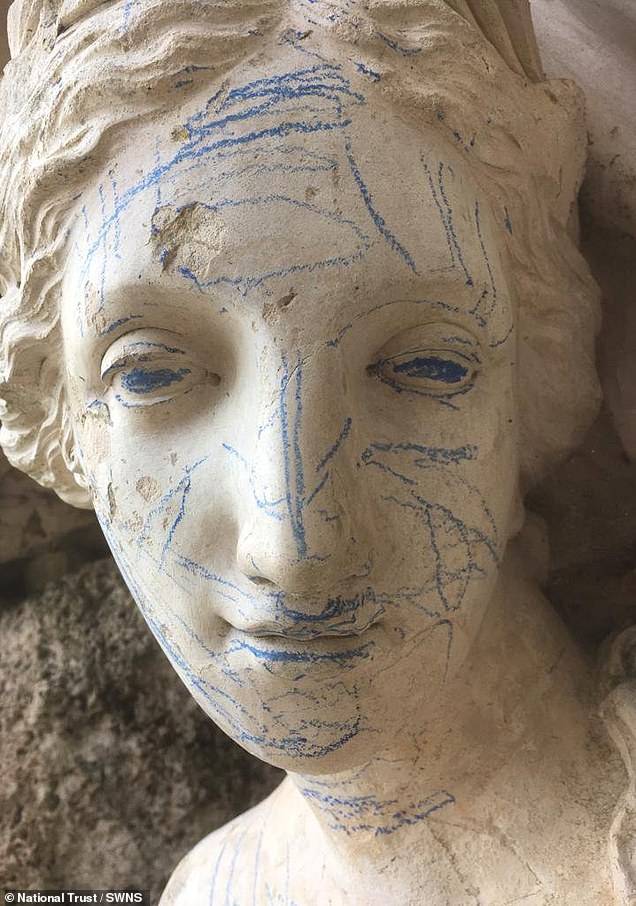
Image: National Trust / SWNS
It's known that activity packs for families were provided over the Easter holiday and included crayons.
On April 8, vandals also damaged a monument to renowned landscape architect and gardener Lancelot "Capability" Brown.
A National Trust representative was quoted by the Museums Association as saying: "We were dismayed that this happened and the team at Croome was understandably upset at the discovery."
advertisement
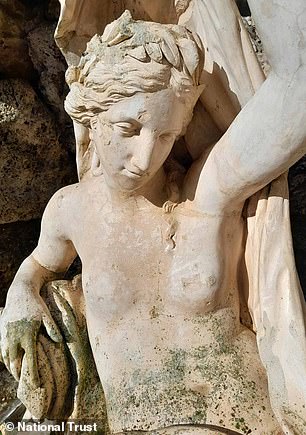
Image: National Trust / SWNS
They continued: "The incident has required the time and consultation of conservators as well as of the garden and outdoor manager who cleaned the statue and memorial.”
advertisement
"Fortunately, the property was able to remove the crayon from the statue without the help of external cleaners or expensive specialist materials."
Trials are expected to be done to determine the most effective ways to restore the Capability Brown Memorial, and work is currently reportedly ongoing.
advertisement
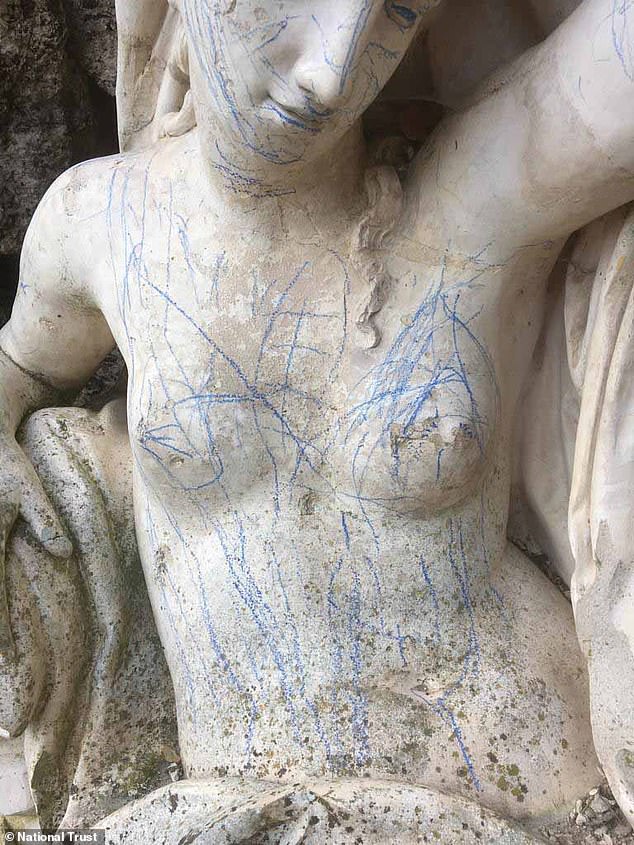
PA
A spokesperson told BBC News: "The trail had been running for seven days and hundreds of families had completed the trail without incident."
advertisement
They added: "Disappointing as they are, incidents like this are very rare considering the millions of visitors who enjoy and respect the places in our care."
The old monument was created in the early 1770s, is located next to a man-made serpentine lake in a grotto that was originally embellished with shells, coral, and gemstones.
advertisement
According to the National Trust, the statue was created either in the middle of the 1780s or in 1802.