

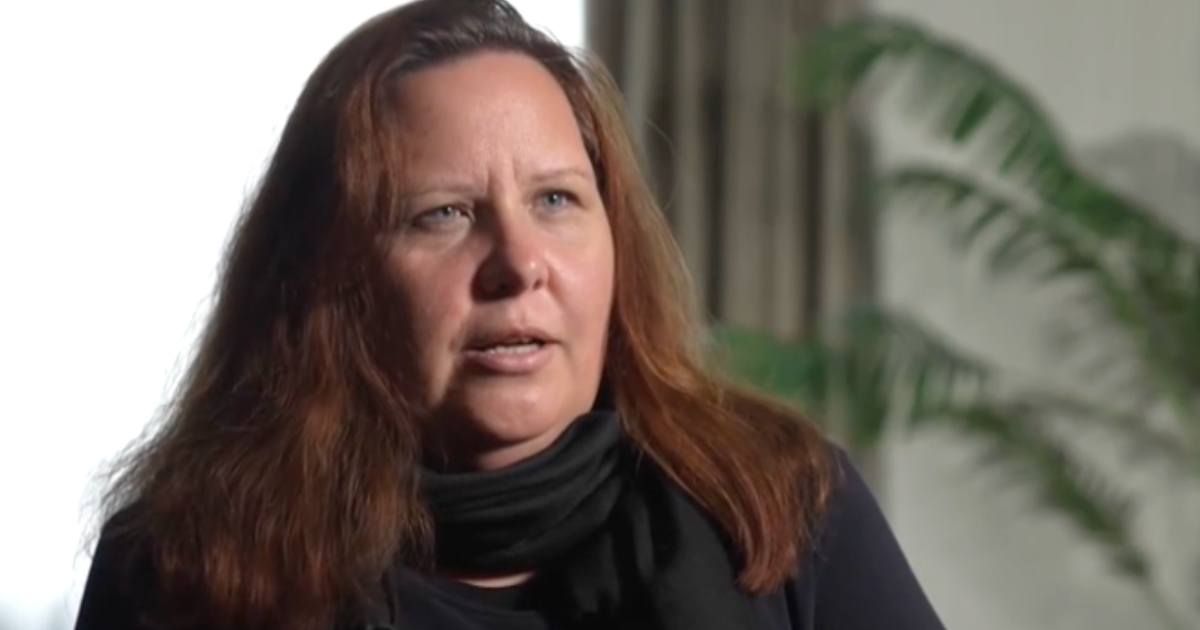
Christine Dawood, who lost her husband Shahzada and her 19-year-old son Suleman, has opened up about the horrific condition of their remains when they were returned
advertisement
A widow whose husband and son were aboard the Titan submersible when it imploded has shared painful new details about the disaster and what followed. Her account gives a stark look at the human cost behind a story that was watched across the world.
Speaking to The Guardian this week, Christine Dawood described the horrific state she says her family members' remains were in when they were returned to her for burial. The detail she shared was raw, and it showed how the grief did not end when the search was over.
Christine's husband, 48-year-old Shahzada, and her 19-year-old son, Suleman, died when the OceanGate submersible they were traveling in imploded on June 18, 2023. The vessel had been on its way to the wreck of the Titanic when the trip turned into a tragedy.
The submersible was only 500 meters above the wreck when disaster struck. Within days, the accident became a major world story, as search crews, officials, and the public tried to understand what had happened deep under the sea.
OceanGate CEO Stockton Rush, 61, British billionaire Hamish Harding, 58, and Titanic expert Paul-Henri Nargeolet, 77, were also killed in the implosion. All five people on board died during the dive.
Christine later revealed another heartbreaking detail. She had first been meant to go on the submersible herself, but she gave her $250,000 ticket to her son instead so he could make the trip with his father.
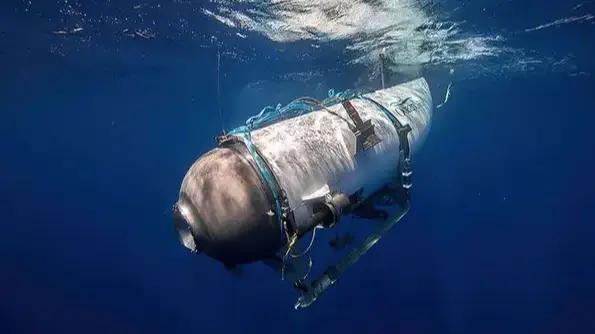
The US coastguard led the search for the Titan submersible
OceanGate/Becky Kagan Schott
advertisement
As if losing two of the closest people in her life was not painful enough, Christine said she then faced a long and difficult wait before anything could be returned for burial. That wait lasted nine months.
Christine said: "We didn't get the bodies for nine months."
"Well, when I say bodies, I mean the slush that was left. They came in two small boxes, like shoeboxes."
She claimed the material she called "slush" came from what US Coast Guard investigators were able to recover from the ocean floor. She said they then used DNA testing to identify and separate what they could from the remains found after the implosion.
advertisement
What remains were recovered after the Titan submersible disaster?
Christine added: "There wasn't much they could find. They have a big pile they can't separate, all mixed DNA, and they asked if I wanted some of that too."
"I said no, just what you know is Suleman and Shahzada."
Investigators told Christine that the debris found on the ocean floor matched what they had determined to be a "catastrophic implosion." For her, that finding carried a painful kind of clarity about what happened in the final moments.

Shahzada and Suleman Dawood were two of the individuals who lost their lives on the sub
Family Handout
advertisement
Christine said her first reaction may sound surprising from the outside, but to her it brought a measure of comfort. After months of fear and unanswered questions, the word catastrophic helped her understand that the end was instant.
Christine admitted: "My first thought was, thank God."
"When they said catastrophic, I knew Shahzada and Suleman didn't even know about it. One moment they were there and the next they weren't."
advertisement
"Knowing they didn't suffer has been so important. They're gone, but the way they went does somehow make it easier," she added.
It is hard to imagine the depth of grief Christine has had to carry since the disaster. Losing her husband and son at the same time left her with a kind of pain few people could understand.
She said a member of the Canadian Coast Guard helped her during that period by offering advice that stayed with her. The words helped her face the tragedy without getting trapped in what she could not go back and change.
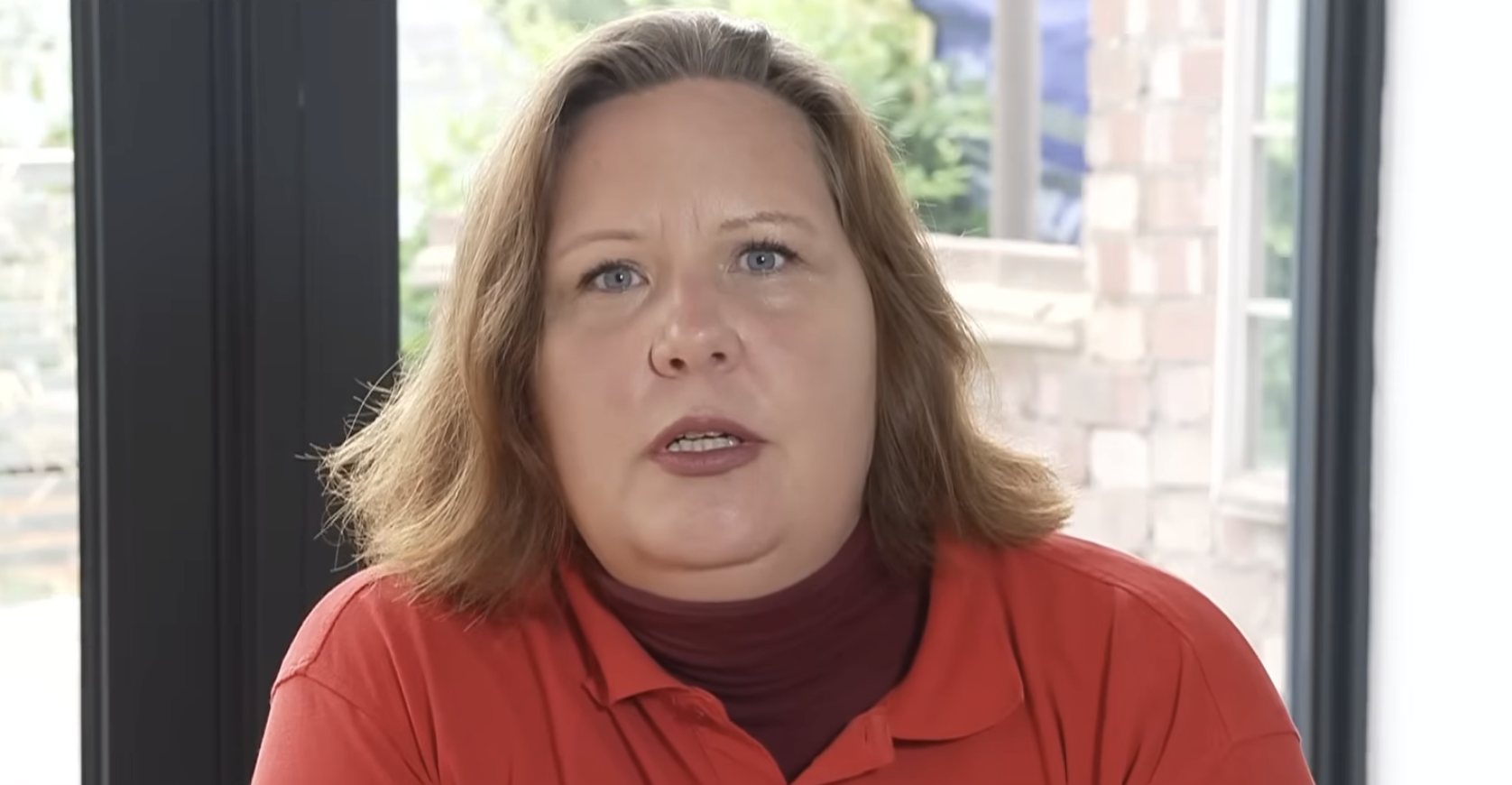
Christine Dawood described the horrific nature her family's bodies were allegedly returned in
ITV
advertisement
Christine said: "A very experienced woman with blond hair, I forget her name, gave me the best advice I've ever gotten: 'Hindsight won't help you, so don't fall into that trap. Just because you know it now … you didn't know it before'."
"I've always remembered her telling me that."
"Suleman wanted to go, and I was happy to give up the seat. I was happy for him to make memories with his father. I can't change that."
advertisement
What happened to the Titan submersible?
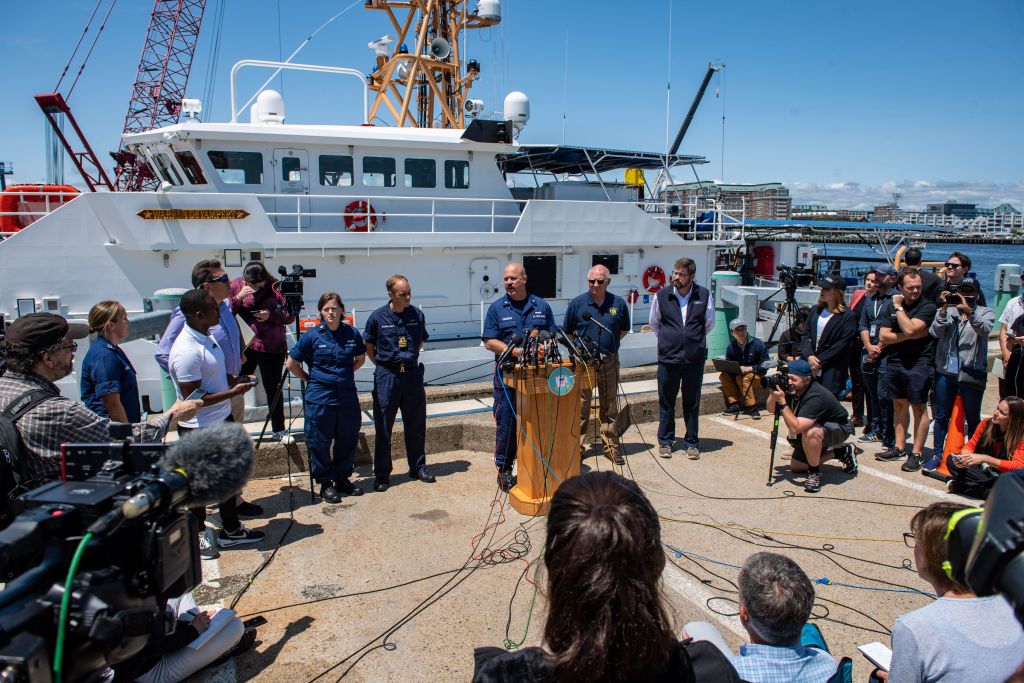
The US Coast Guard holding a press conference after the disaster
JOSEPH PREZIOSO/AFP via Getty Images
The Titan submersible disaster was caused by a catastrophic implosion tied to poor engineering, weak testing, and the failure of its experimental carbon fiber hull. The vessel had been built for deep-sea trips, but investigators later pointed to major issues with the way it was designed and checked.
The US Coast Guard investigation, as of late 2025, found that the vessel's design and maintenance were flawed. It also found that the company ignored safety warnings, which led officials to describe the disaster as an "avoidable" tragedy.