

Eating just one type of fruit each day might be enough to make a difference.
Doctors Discover Eating This Fruit May Reduce Depression Risk By 20%
By
Khadija Pervez in
Health and Fitness
On 11th March 2025
advertisement
A recent study has uncovered a potential connection between gut health, specific types of fruit, and the risk of developing depression.
We’ve always been told to eat plenty of fruits and vegetables for our physical health. But just like exercise is known to benefit both the body and the mind, researchers are now exploring whether certain foods can play a role in mental well-being.
Published in BMC, the study looks at the possibility that dietary choices could be a "promising avenue for depression prevention and management," offering an alternative to traditional antidepressant medications.
The research highlights how Mediterranean-style diets have been "associated with a nearly 35 percent reduced risk of depression." While the exact food groups responsible for these benefits are still being studied, citrus fruits such as oranges and grapefruits have recently been linked to a lower likelihood of depression.
There is also growing evidence that the gut microbiome may play a key role in the development of mental health conditions.
With this in mind, researchers decided to put their theory to the test.
advertisement
The study involved an extensive analysis of more than 32,427 participants. Researchers examined how citrus consumption, gut microbiome composition, and depression risk were connected. This investigation is considered one of the most comprehensive studies on the subject to date.
The study built upon research that originally began in 1989, involving 116,429 female registered nurses. These participants received questionnaires every two years to gather information about their medical history and lifestyle choices.
In 1991, researchers introduced semi-quantitative food frequency questionnaires, which were then sent out every four years to track dietary habits.

The study looked at the link between diet and depression
Getty Stock Images
By 2003, the study began collecting specific data related to depression.
To maintain accuracy, researchers excluded individuals with incomplete data. The final analysis focused on 32,427 middle-aged women who were tracked from the study’s 2003 baseline until 2017.
Participants answered detailed food questionnaires, which included how often they consumed a "standard serving" of various food items covering a total of 130 different foods.
advertisement
The study explains: "For citrus consumption, participants were asked how often (never to six or more servings per day) they consumed grapefruit, oranges, grapefruit juice, and orange juice over the preceding year," Researchers then calculated: "Total citrus intake was calculated by combining the consumption of each individual product."
To ensure a thorough analysis, the study also factored in other dietary habits. Participants were asked every two years whether they had ever been diagnosed with depression and if they had used antidepressants.
Researchers further examined how increased citrus intake affected gut microbiome composition. They identified specific microbial species that were more prevalent in those who consumed citrus and then explored how these microbes related to depression risk.
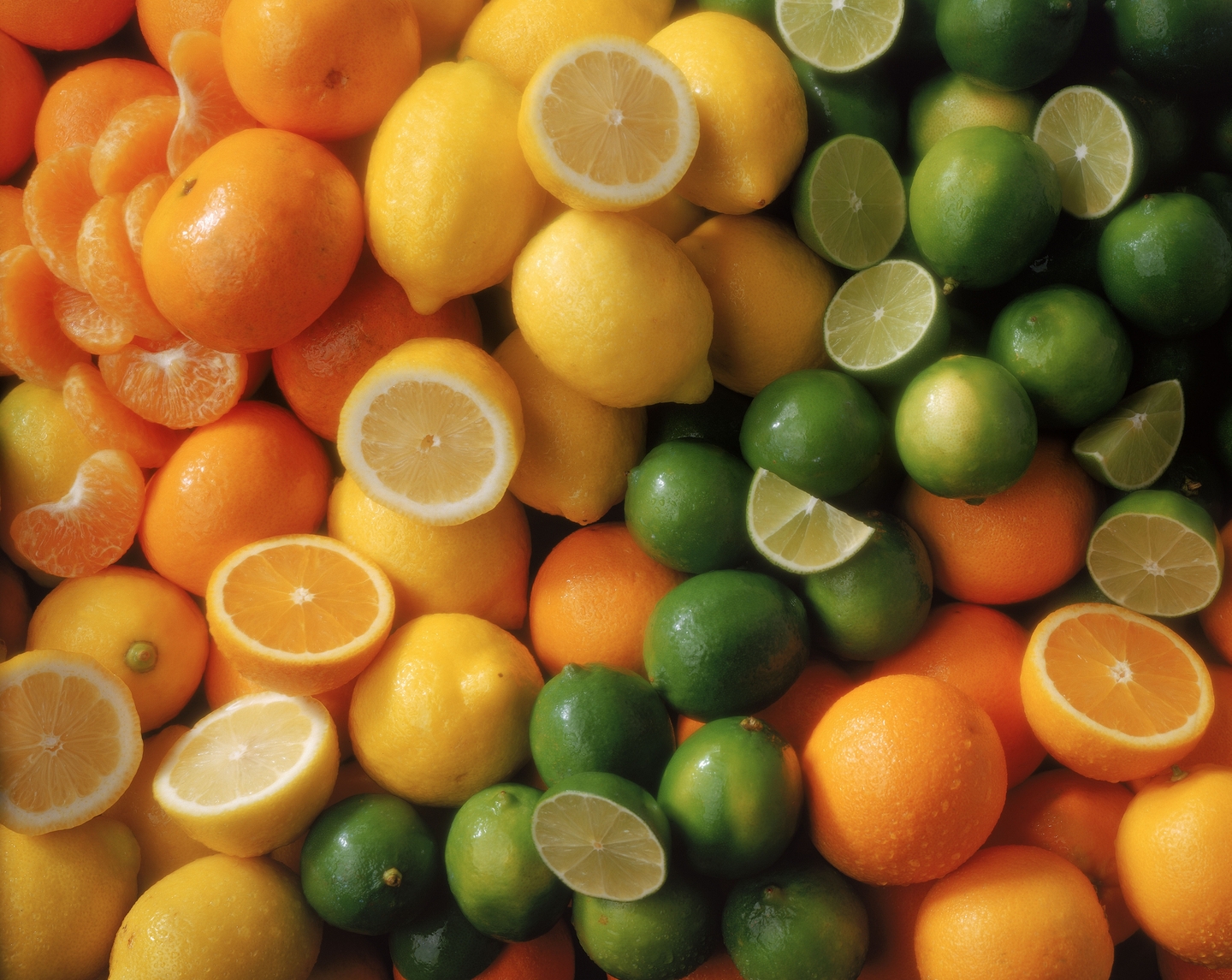
Well, I hope you like citrus fruit
Getty Stock Images
advertisement
The study reported its findings: "From 2003 through 2017, we identified 2173 cases of depression among 32,427 women free of self-reported physician/clinician-diagnosed depression and regular use of antidepressants at baseline."
"Over 222,923 person-years of follow-up, compared to participants in the lowest quintile of citrus consumption, those in the highest quintile had a 22 percent lower risk of depression."
Next, researchers investigated whether the reduced risk of depression was linked to total fruit and vegetable intake or if citrus fruits had a unique effect.
advertisement
However, lead researcher Raaj Mehta - an instructor at Harvard Medical School and physician at Massachusetts General Hospital told The Harvard Gazette: "The effect seems to be specific to citrus. When we look at people's total fruit or vegetable consumption, or at other individual fruits such as apples or bananas, we don't see any relationship between intake and risk of depression."
Remarkably, the potential benefits could come from eating as little as "one medium orange a day."
Analyzing data across multiple study groups, researchers found that "citrus intake is prospectively associated with a greater abundance of F. prausnitzii, which in turn, is associated with a lower risk of depression."
advertisement
While Mehta acknowledges that further research is necessary to compare citrus consumption to traditional antidepressant treatments, the study concludes:
"This finding supports the notion that dietary interventions can mitigate or prevent depression symptoms, and, importantly, offers new avenues for therapeutic and/or biomarker development."