

He is determined to bring back a herd of woolly mammoths that went extinct around 4,000 years ago.
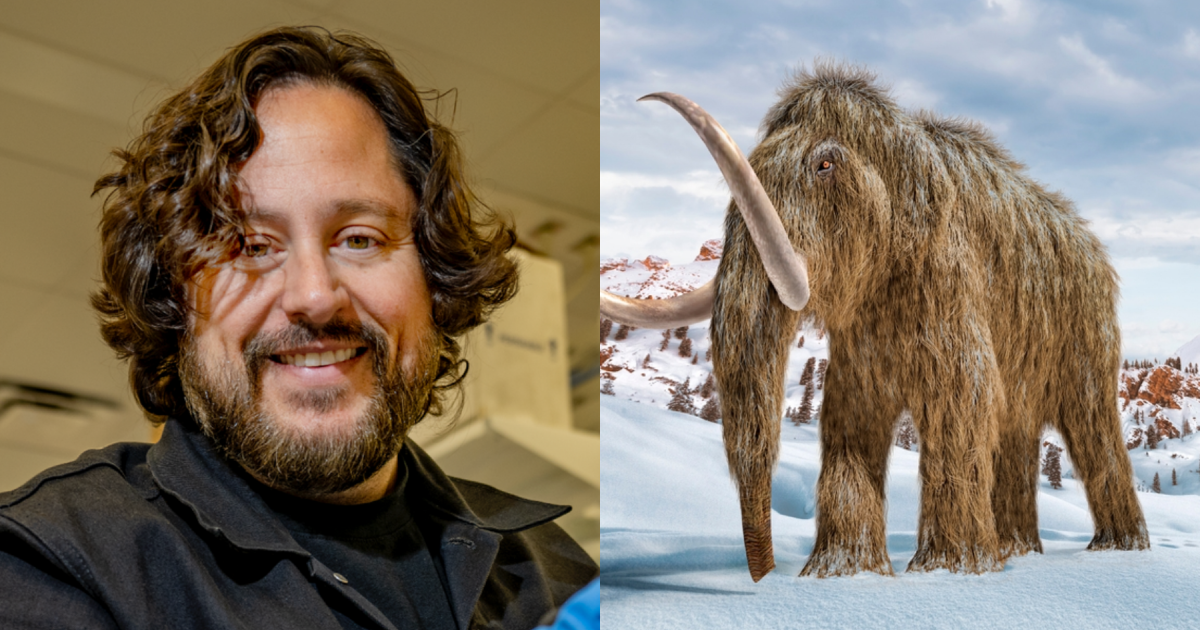
Man Working To 'De-extinct' The Woolly Mammoth Says They'll Likely Be Back By 2028
By
maks in
Science and Technology
On 14th October 2024
advertisement
A man aiming to bring the woolly mammoth back to life says it's 'highly likely' they will return by 2028.
These ancient giants disappeared from the Earth about 4,000 years ago, and there’s been plenty of debate over what caused their extinction.
Some say early humans hunted them into oblivion, while others believe the species couldn’t cope with the planet’s naturally warming climate.

Ben Lamm is trying to revive ancient creatures
Colossal Biosciences
Regardless of the cause, one man thinks he has the answer to bringing these incredible creatures back to life.
Ben Lamm, the founder and CEO of Colossal Biosciences, is leading the charge with a team of scientists focused on 'de-extinction'.
The plan is to use Asian elephants as surrogates for mammoth embryos, which will be created using genetically replicated DNA from an existing close relative.
advertisement
Lamm is confident they are 'on track' to have mammoths by late 2028.
But he’s not stopping at just one mammoth—his goal is to restore an entire herd to the wild.
Talking to UNILAD, he explained: "You need enough engineered and genetic diversity so you can create interbreedable, sustainable herds so you're not just making a bunch of clones. You have to be very thoughtful in that process."
Lamm continued: "Rewilding of the species back into their respective environments with enough population genetics and diversity so that they can create sustainability without human managed care."
Some people have raised concerns that today's climate might be too warm for mammoths, but Lamm thinks this idea is mistaken.
He explained: "Everyone thinks of the movie Ice Age, right? In those times, there were those locations, but there were also these massive interglacial periods that were actually warmer than today."
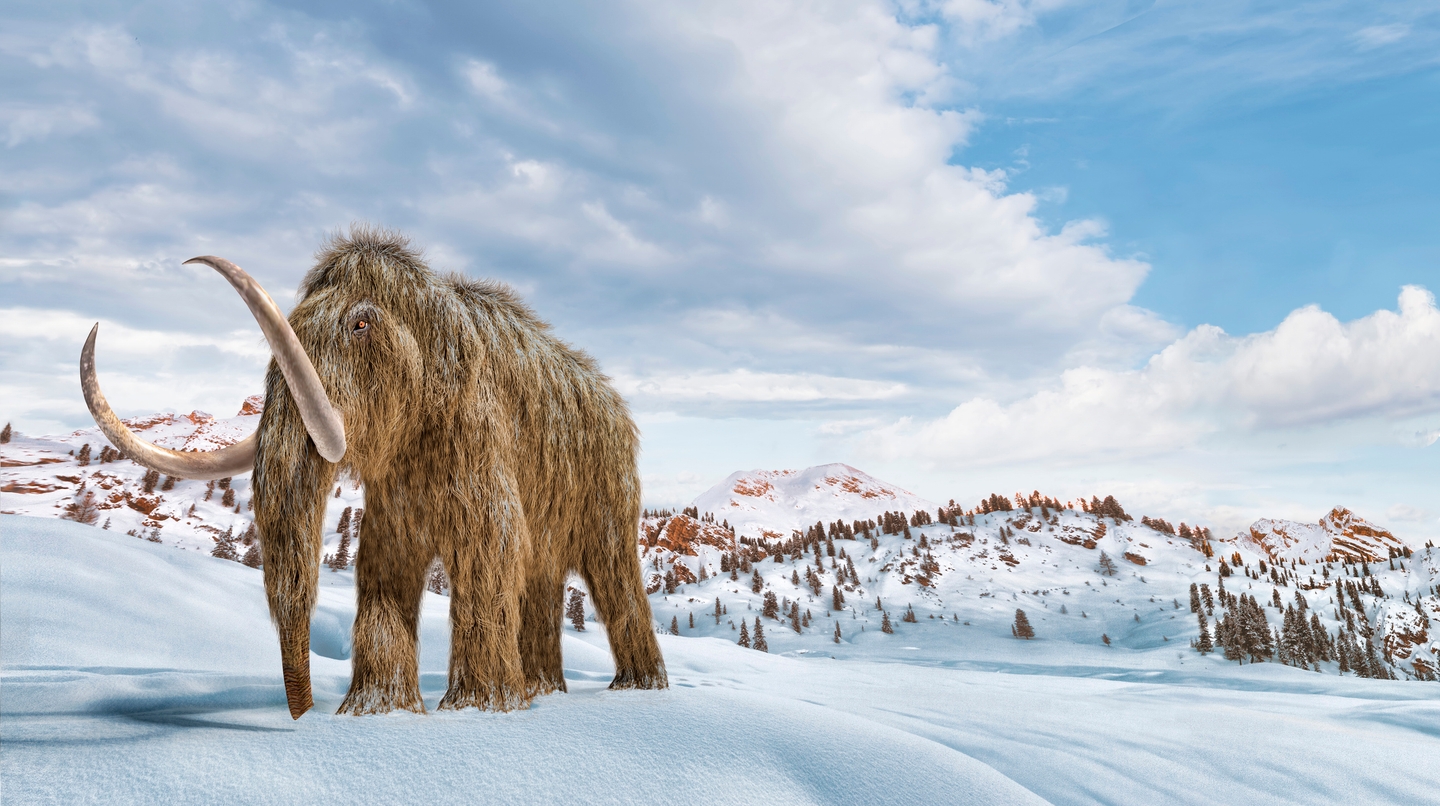
It's been 4,000 years since mammoths last walked the earth
LEONELLO CALVETTI/SCIENCE PHOTO LIBRARY/Getty Images
advertisement
Lamm elaborated further, saying: "And if you look at mammoths, and also the distribution of different types of mammoths, like Columbian mammoths, the distribution and migratory patterns were vast and wild and huge populations, and they went down to very warm locations outside of these kind of global warmed periods."
At Colossal Biosciences, 145 scientists are working on this project, with 17 dedicated solely to creating artificial wombs for the revival of extinct animals.
Once the woolly mammoths are back, Lamm’s team has plans to revive the dodo bird and the Tasmanian tiger, also known as the thylacine.
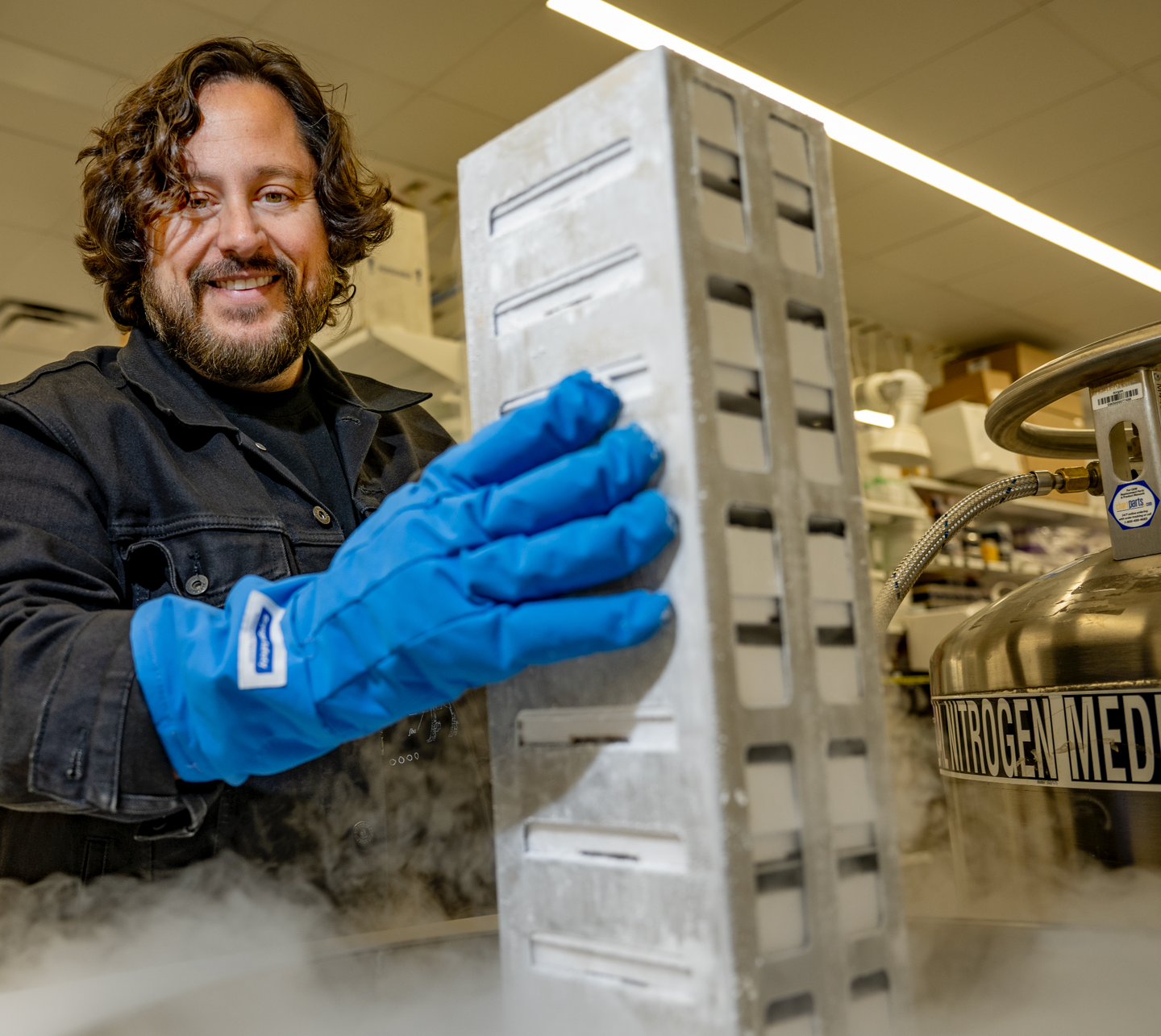
The biotech boss believes we'll have a living mammoth back on Earth by 2028
Colossal Biosciences
advertisement
Lamm emphasized: "I feel like we as a species have a moral obligation to save species. We are playing God every day when we cut down the rainforest, when we hunt the thylacines to extinction, when we kill the dodos off, right?
"Early man and other anthropologic effects of early man are what drove mammoths to extinction. And so I think that we have a moral obligation to leverage technologies to kind of reverse the harm that we've done and stop the extinction crisis."
advertisement
Lamm also warned: "If we do nothing, we will lose, it's forecasted that we will lose up to 50 percent of all biodiversity between now and 2050 and that's terrifying."
Colossal Biosciences has also launched the Colossal Foundation, a non-profit organization focused on conservation and ecosystem restoration efforts, aiming to protect species that are at risk of extinction.