

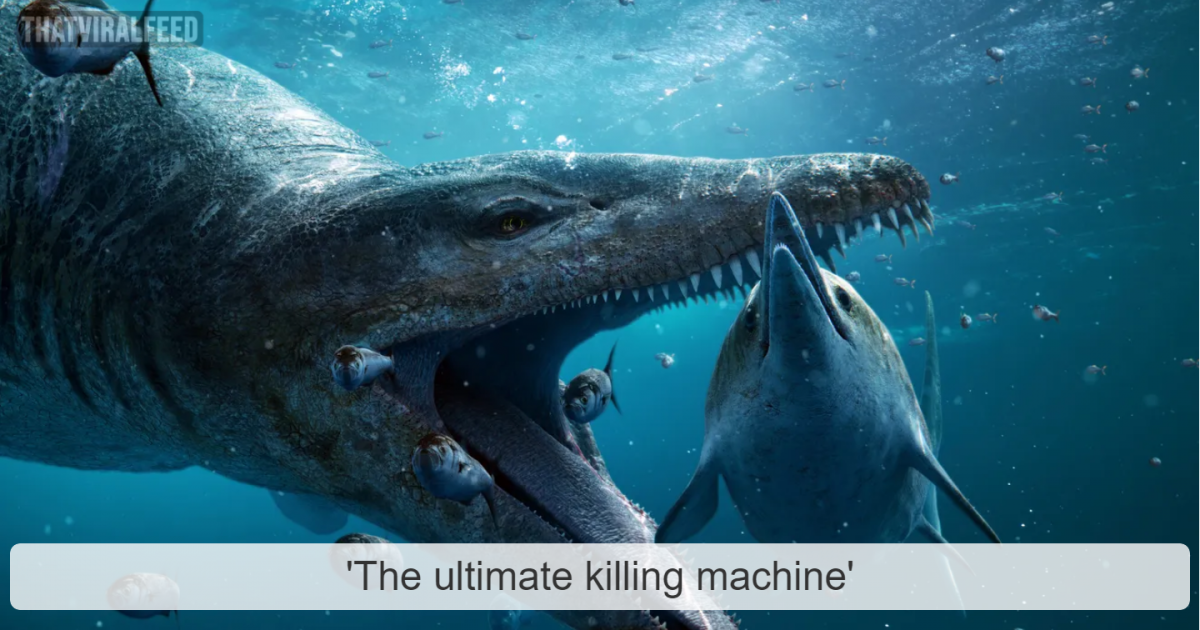
Underwater sea monster with skull taller than humans unearthed in Dorset. Pliosaur, the apex predator had 130 teeth and likely ruled the seas in its time.
advertisement
BBC
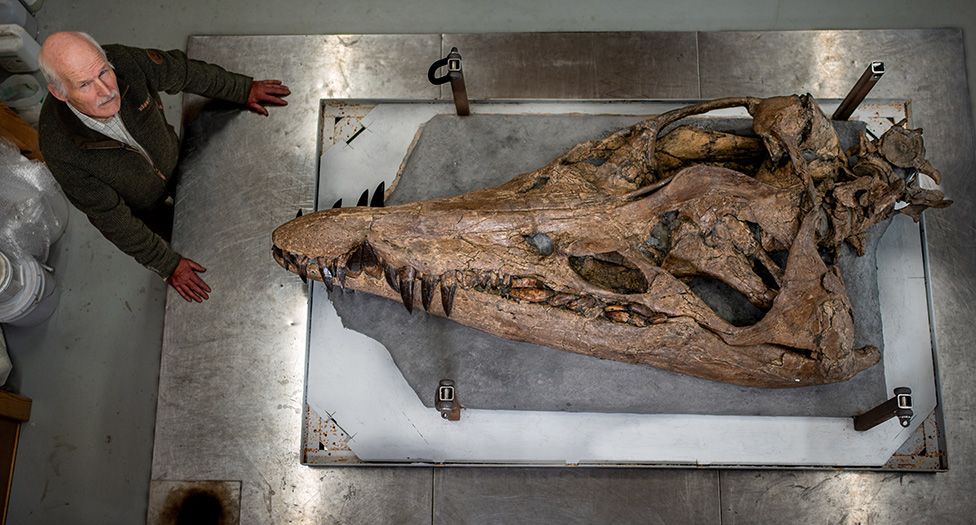
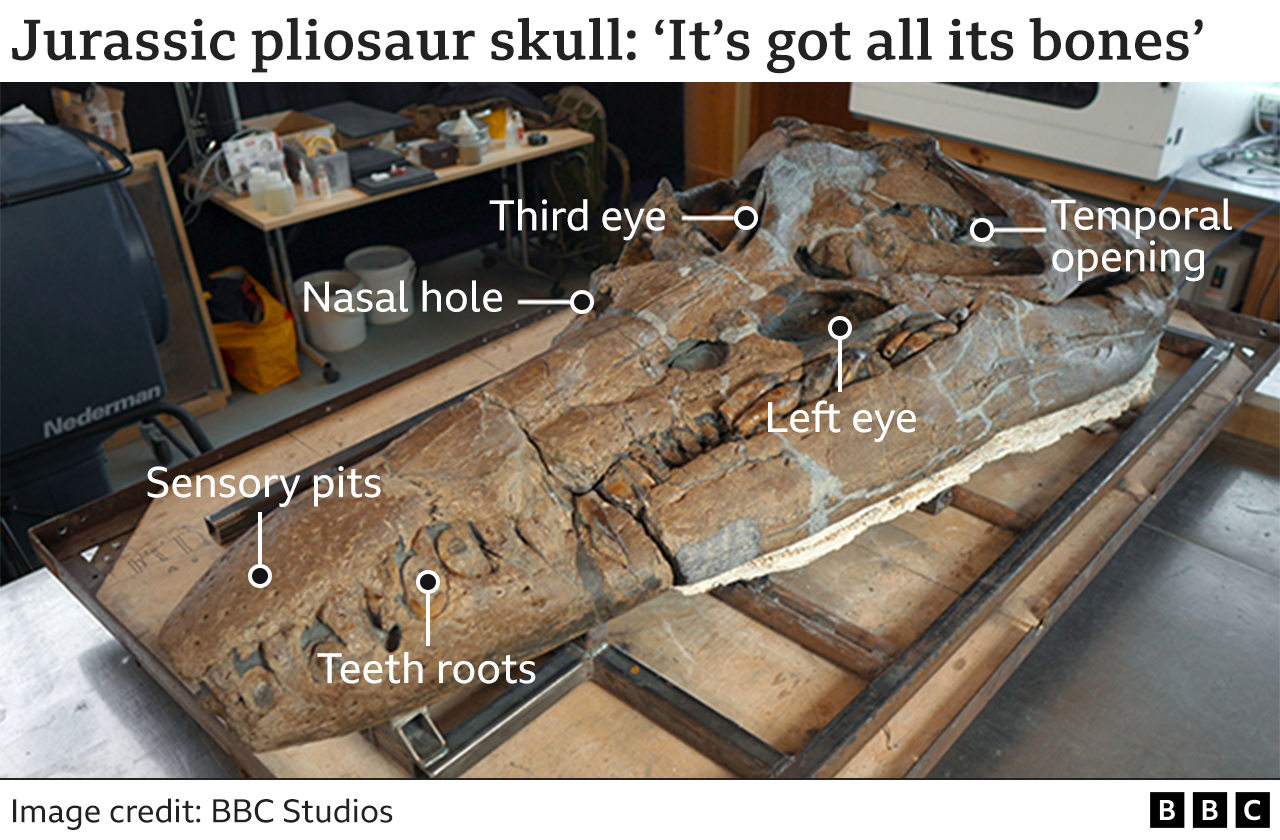
Experts have unearthed the terrifying skull of a Pliosaur from Dorset’s Jurassic Coast.
The 2-meter-long remains indicate are a marvel to behold being an almost complete specimen.
BBC
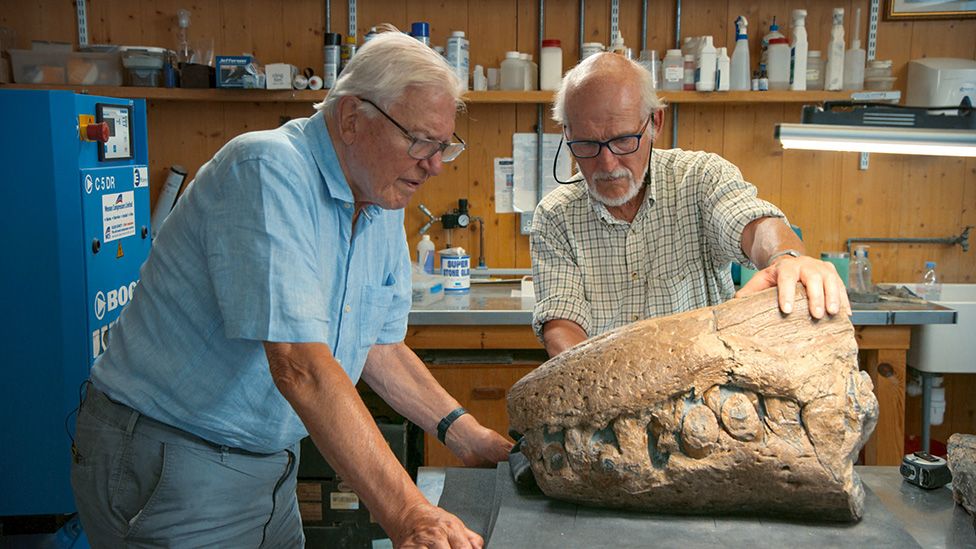
Steve Etches, a local paleontologist could not help expressing wonder at how well presearved and terrifying the skull was.
“Oh wow. "It's one of the best fossils I've ever worked on. What makes it unique is it's complete."
advertisement
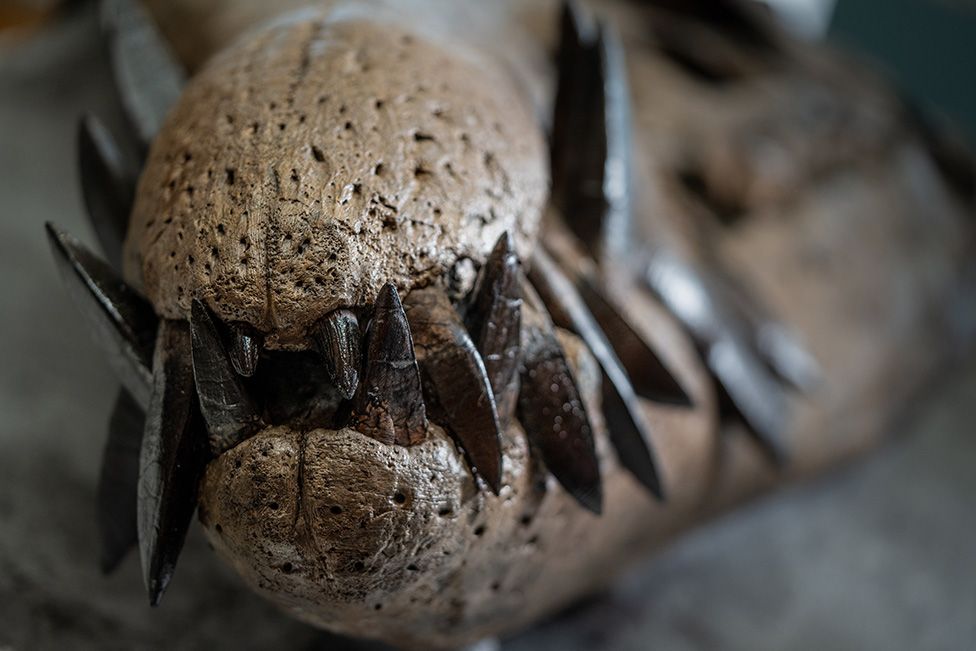
The skull which spans over 6 and a half feet would encompass most humans and sports 130 sharp teeth almost as large as Etches’ hand.
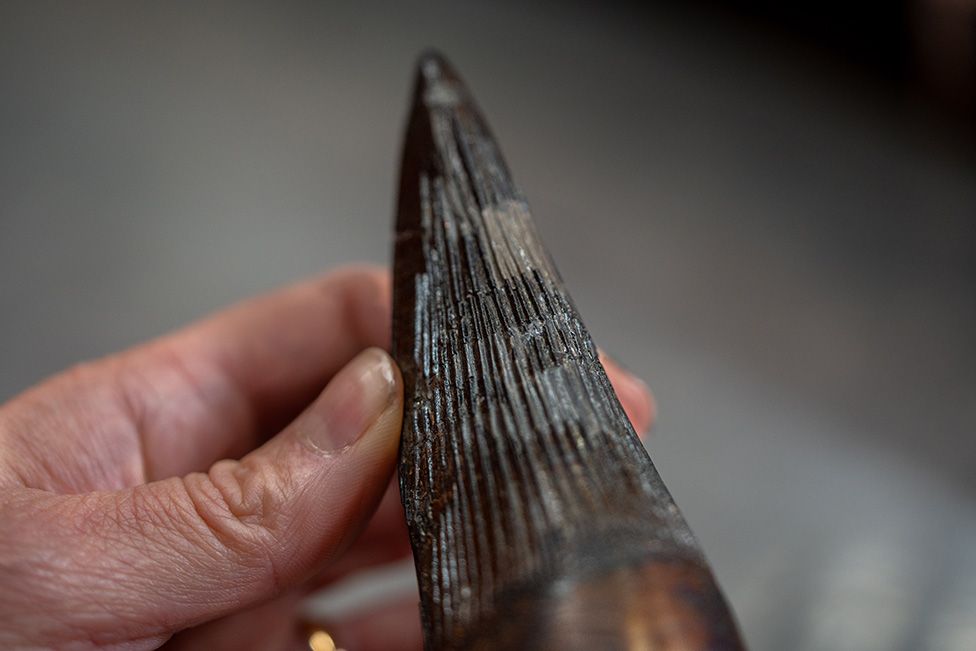
The back of each tooth shows ridges which would have helped the ferocious animal rip into the flesh of its prey and rapidly make secondary attacks.
"The lower jaw and the upper skull are meshed together, as they would be in life.
Worldwide, there's hardly any specimens ever found to that level of detail.
BBC
And if they are, a lot of the bits are missing, whereas this, although it's slightly distorted - it's got every bone present.”
advertisement
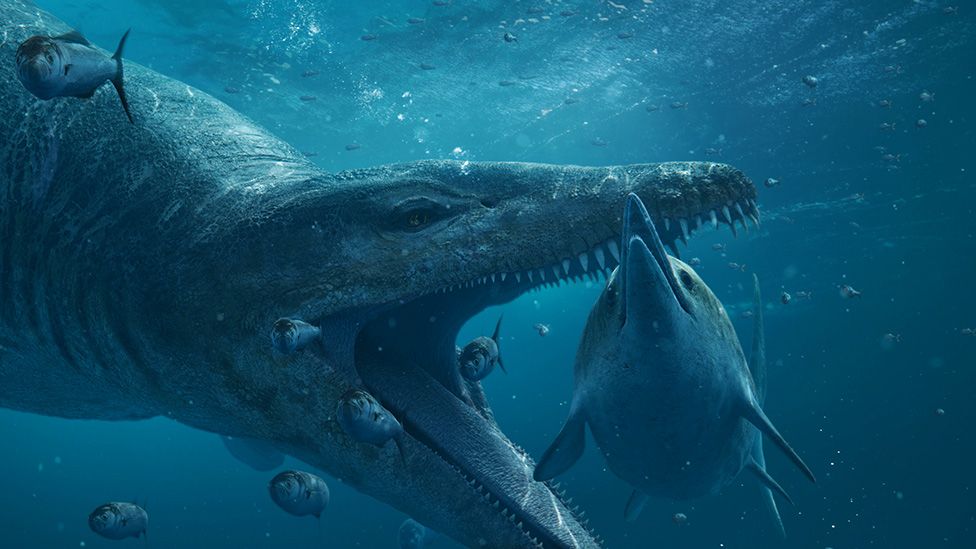
The 12m long marine animal had 4 flippers that would allow it to propel itself across the sea at high speeds.
"The animal would have been so massive that I think it would have been able to prey effectively on anything that was unfortunate enough to be in its space.”
BBC
advertisement
Dr Andre Rowe of Bristol University further adds, "I have no doubt that this was sort of like an underwater T. rex."
The Pliosaur clearly had a protein-heavy diet as its primary prey would be other reptilians such as plesiosaurs and even other pliosaurs.
advertisement
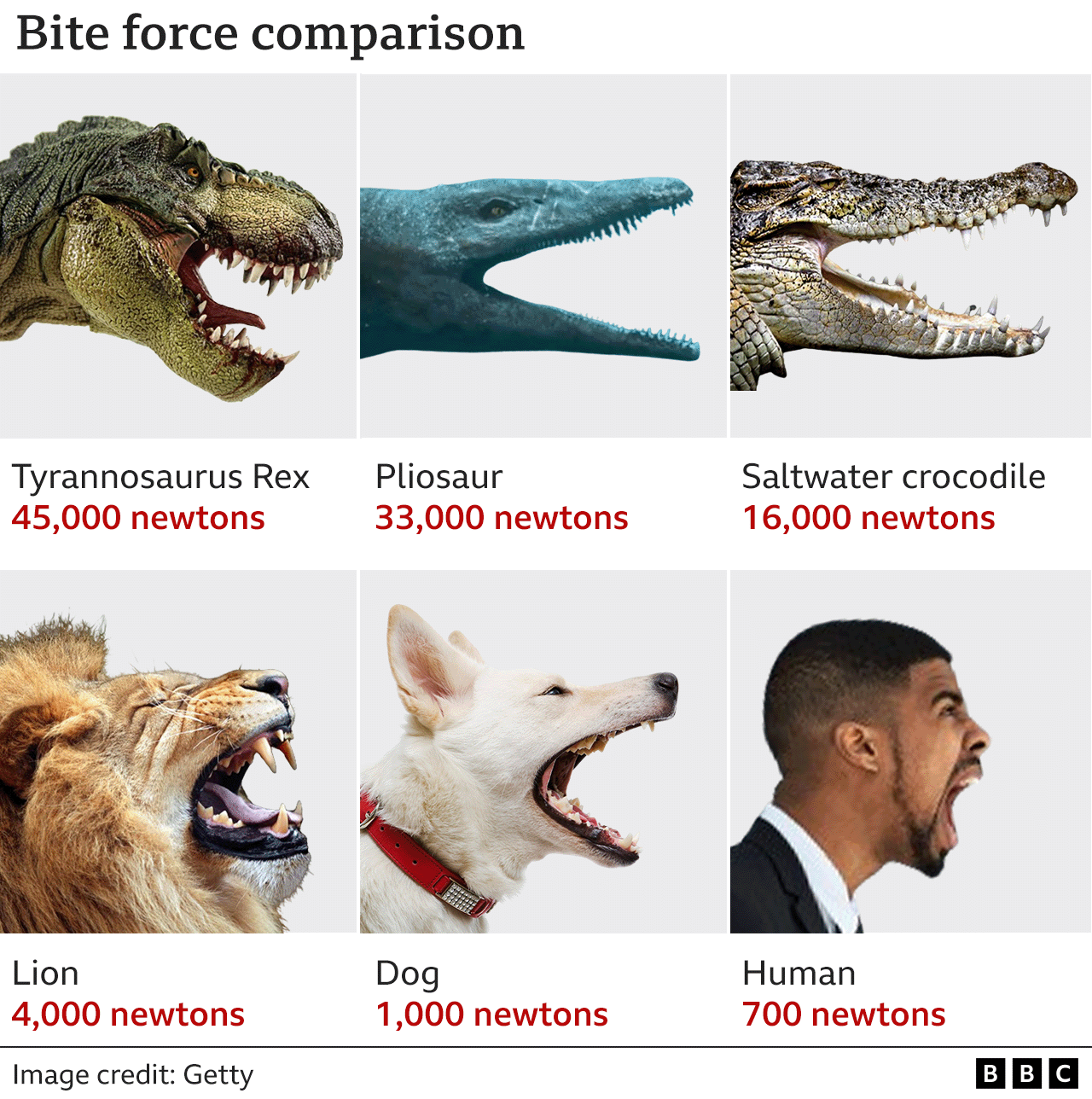
The pliosaur’s teeth were housed in a rather intimidating jaw capable of generating a bite force of 33,000 newtons.
For context, some of the strongest jaws today belong to saltwater crocodiles that manage to generate about 16,000 newtons.
BBC
advertisement
"If you can generate a really powerful bite, you can incapacitate your prey; it's less likely to get away. A powerful bite means you're also able to crunch through tissue and bone quite effectively."
BBC
"As for feeding strategies: crocodiles clamp their jaw shut around something and then twist, to maybe twist a limb off their prey. This is characteristic of animals that have expanded heads at the back, and we see this in the pliosaur."
advertisement
Small pits dotted across the snout indicate, that the Pliosaur had some marvelous sense to go along with its physical prowess. Experts speculate the pits were glands that allowed it to detect changes in water pressure made by prey.
A hole on its head also hinted towards a light-sensitive third eye or a parietal that could help locate prey in murky waters.
advertisement
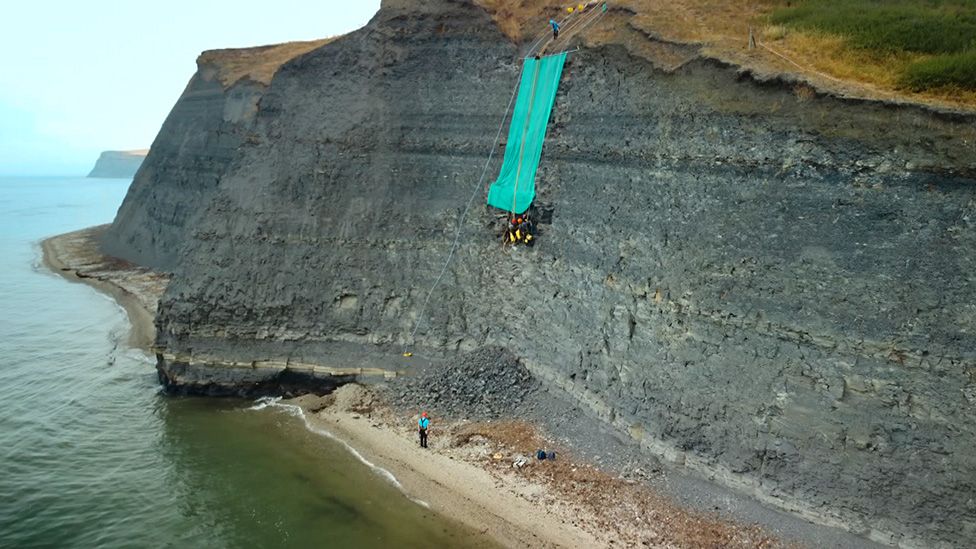
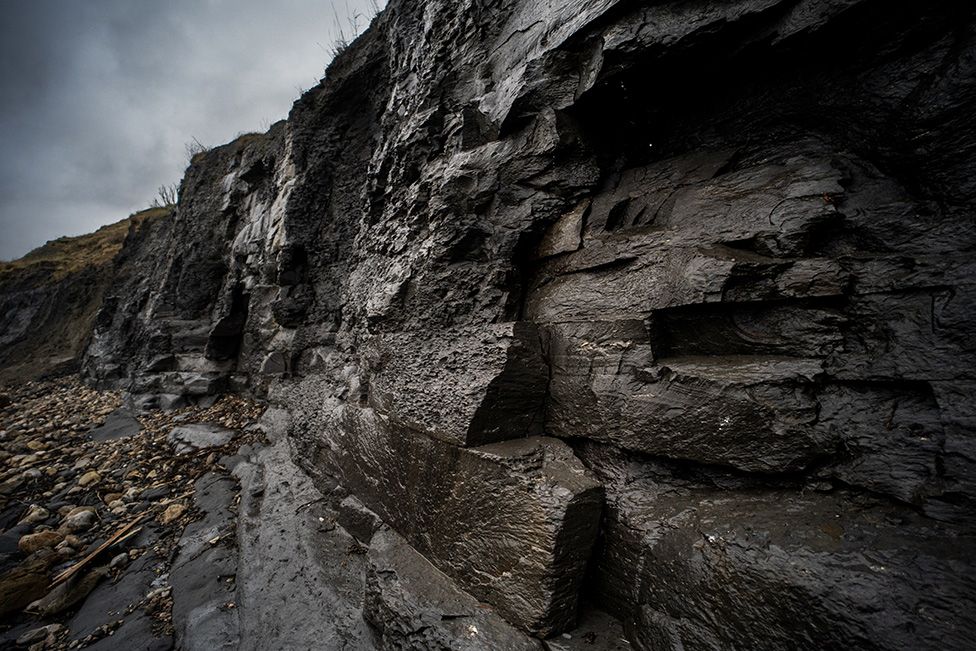
The extraordinary discovery was made on a chance stroll along the Kimmeridge Bay as Steve Etches’ friend Phil Jacobs walked by.
He quickly reached out to Etches and the two managed to craft a makeshift stretcher to pull the fossil fragment back to safety.
BBC
advertisement
With an almost fully intact skull now in their hands, they are certain that the rest of the animal could possibly be found in the same location with some digging.
BBC
advertisement
Extraction however is a delicate art.
"I stake my life the rest of the animal is there."
"And it really should come out because it's in a very rapidly eroding environment. This part of the cliff line is going back by feet a year. And it won't be very long before the rest of the pliosaur drops out and gets lost. It's a once-in-a-lifetime opportunity."
BBC