

A Canadian dentist has explained exactly how we should be brushing our teeth, and there are a few common misconceptions
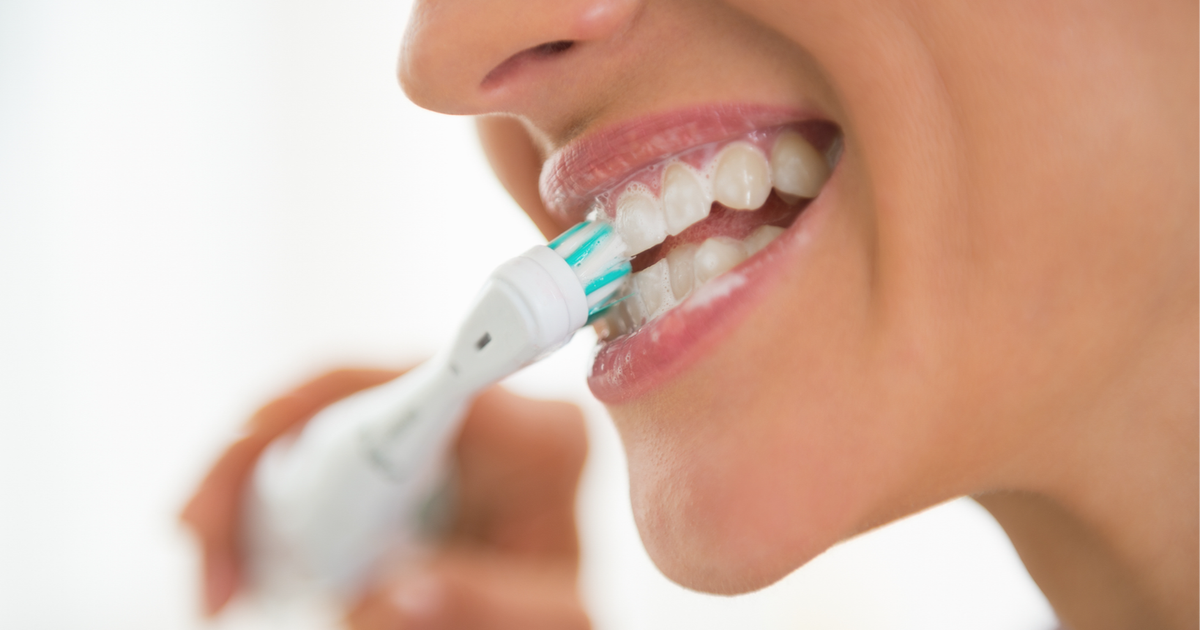
Dentist Reveals Five Common Mistakes People Make While Brushing Teeth
By
maks in
Health and Fitness
On 1st April 2025
advertisement
It turns out that many people have been brushing their teeth the wrong way for years without even realizing it.
While brushing might seem like a simple part of everyone’s daily routine, Canadian dentist Dr. Arash Ravanbakhsh says that quite a few people are actually doing it incorrectly.
Here’s a breakdown of the most common mistakes people make and how to avoid them.
Too much pressure when brushing
Trying to achieve a brighter smile by brushing with more force may seem like a good idea, but it's actually not helpful at all.
"Just because you brush your teeth harder does not mean you are giving them a more thorough clean," the owner of Inglewood Family Dental in Calgary told the New York Post.
"In fact, this could damage your teeth and gums."
advertisement
He added: "To safely and properly clean your teeth, use a manual brush with soft bristles or an electric toothbrush."
"Another simple technique to soften your teeth cleaning is simply by holding your brush with just three fingers, this way it helps keep the pressure light compared to using your whole wrist."
'Breakfast then brush'
Many people assume that brushing their teeth right after a big breakfast, especially one with coffee or juice, helps keep their smile bright. But that’s not quite right.
As Ravanbakhsh pointed out: "Dentists recommend brushing first thing in the morning before breakfast, as it removes plaque and bacteria from your mouth built-up during your sleep."
"The toothpaste also provides greater protection against acidic foods, while the method of brushing jump-starts your saliva production, helping break your food down."

Brushing our teeth is something we've learned since we were little, but there's a few common misconceptions - like thinking brushing after you eat breakfast is good for your teeth
Getty stock
advertisement
'I've brushed my teeth twice today'
If you’ve been to the dentist, you've probably been reminded that brushing alone isn't enough to keep your teeth fully protected. Flossing plays a key role in oral health too.
Dr. Ravanbakhsh emphasized that scientific studies suggest flossing before brushing helps remove more plaque overall, and that flossing once a day should be a standard part of your routine.
advertisement
Rinsing your mouth out after brushing
Many people are used to brushing their teeth and then rinsing out with water right afterward. It’s a habit that might seem harmless but could actually reduce the effectiveness of your toothpaste.
Turns out, that’s something you should skip.
"Once you have finished brushing your teeth, you should spit out any residual toothpaste," Ravanbakhsh explained.
advertisement
"By rinsing your mouth with water immediately after brushing, you wash away the fluoride, which is there to help prevent things like tooth decay."
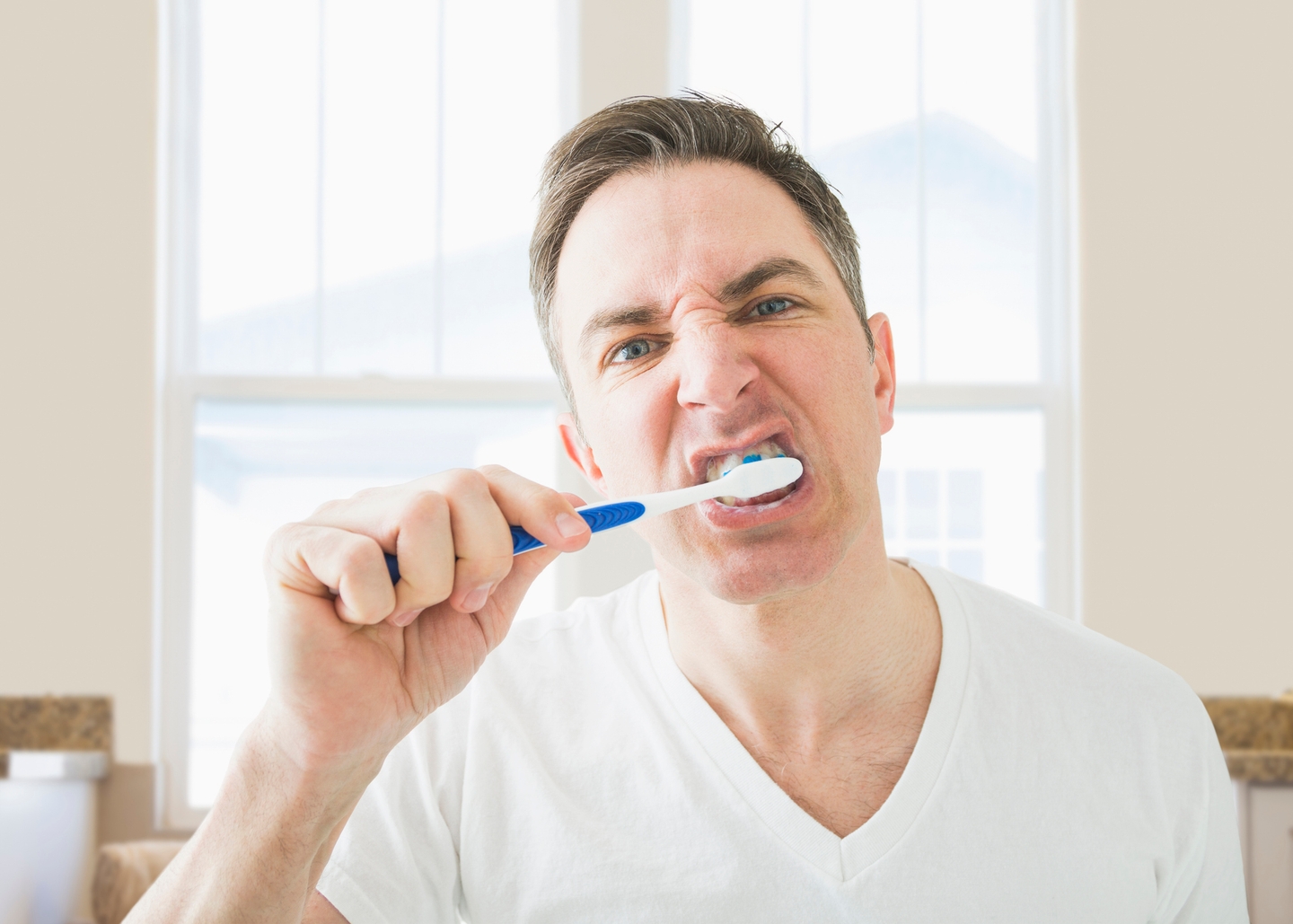
Applying too much pressure while brushing your teeth actually does more harm than good
Getty stock
advertisement
Brushing left to right
One common method many people use is brushing their teeth with quick left-to-right strokes. But this broad brushing technique may not clean your teeth as well as it should.
To get the job done properly, it's better to focus on each tooth individually. Spending about four seconds per tooth is a good way to make sure nothing is missed — and with 32 teeth, that can really add up.
"You may think your teeth brushing method is effective and doing no harm, but you could be missing vital spots. Simply going along your teeth in broad strokes from left to right is not recommended," the medical expert told the publication.
advertisement
"Instead focus on tooth-by-tooth, massaging each one softly in back-and-forth or circular motions. Keeping your toothbrush at a 45-degree angle is also beneficial in helping you reach all the small nooks and crannies in your mouth."
He also pointed out that it’s just as important to give your tongue a gentle clean during brushing, as it can help with overall oral hygiene.