Common Mistakes People Make During Workouts And How To Do Them Right
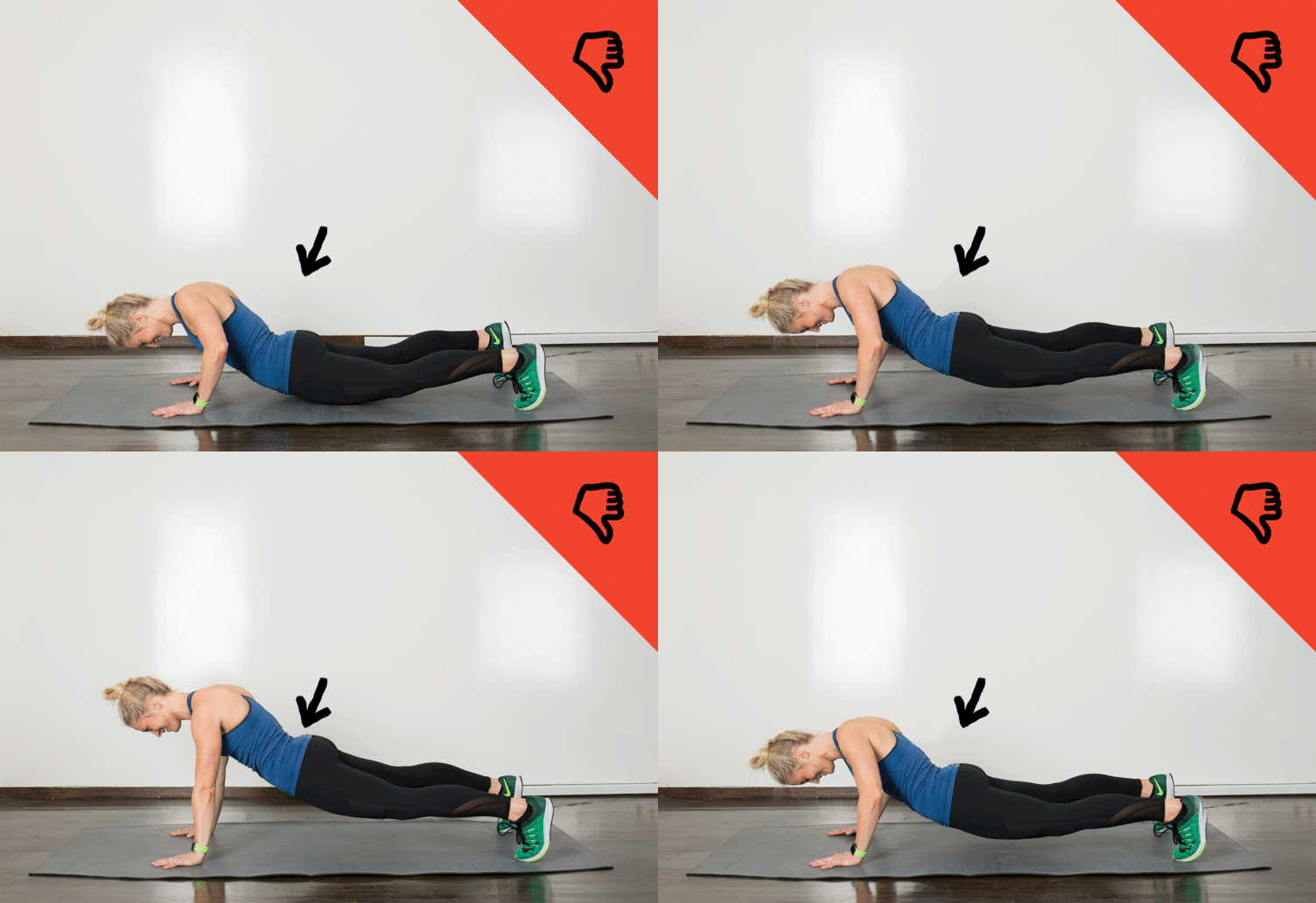
Common mistake no.1: Your hips sag
This generally indicates a lack of core strength or that you're not engaging your core. To activate these muscles, think about bracing your core (contracting the muscles as if you were about to take a punch), and pulling your belly button in toward your spine. If your lower back arches or sags, this could also mean you're not engaging your glutes.
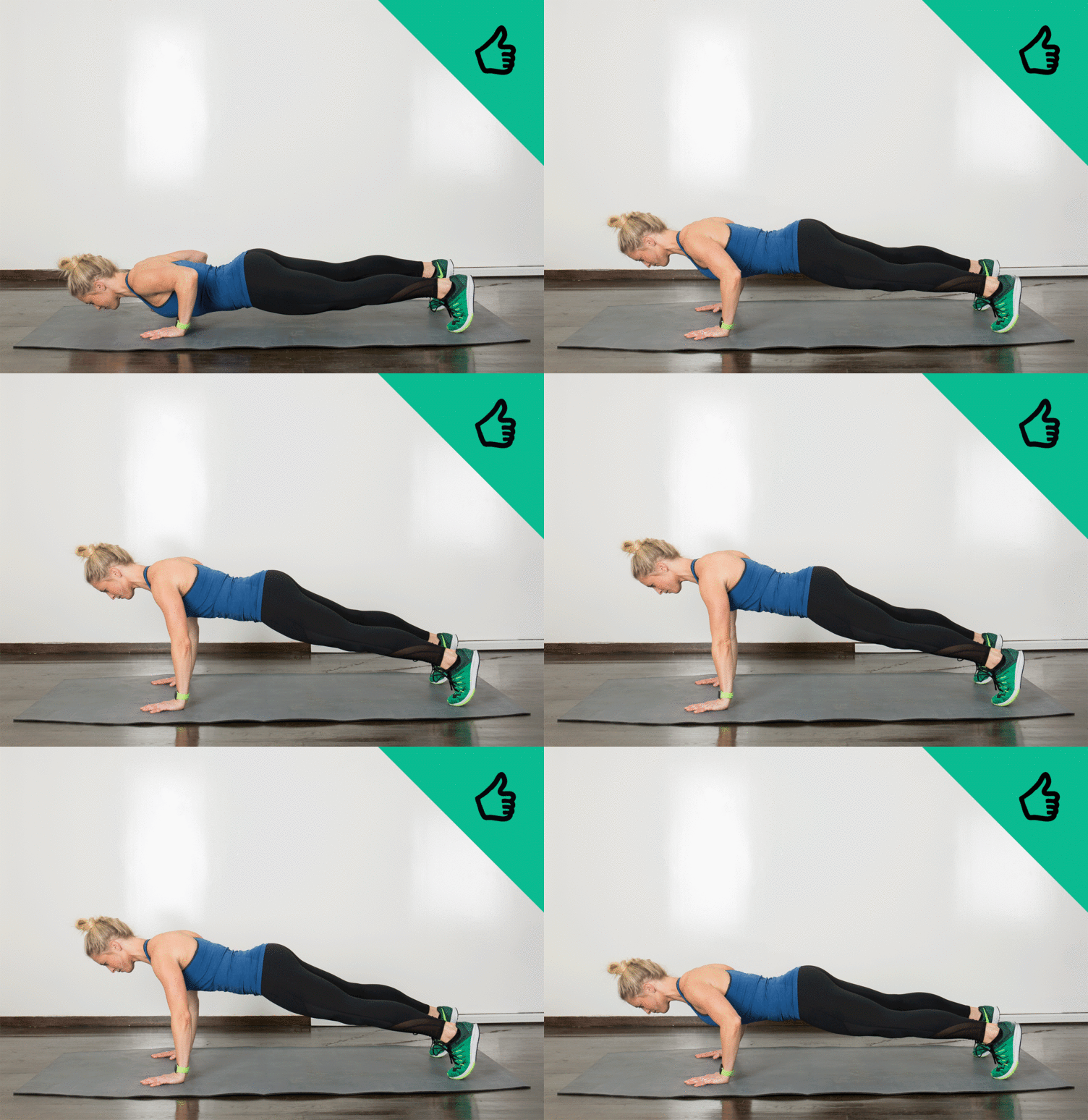
The right way to do it
Start in a high plank position, with wrists under shoulders, back flat, and core engaged. Bend your arms and drop your chest toward the floor. Focus on getting your arms to bend to 90 degrees, so your chest is just a few inches off the ground, before you push back up.
Common mistake no.2: Your knees buckle in as you lower or stand
If your knees are turning in to the midline of your body, it generally means you need to strengthen your gluteal muscles and hamstrings.
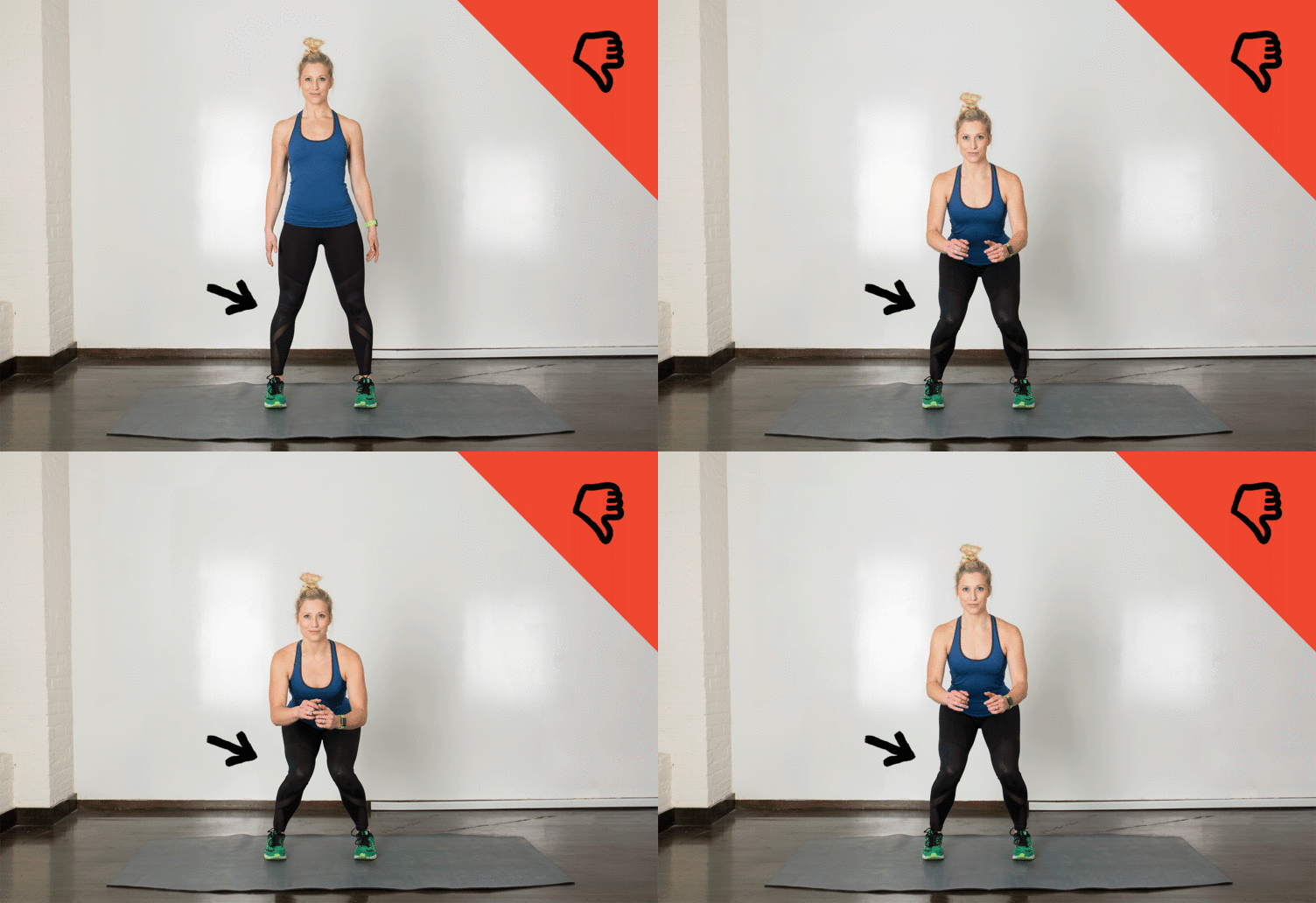
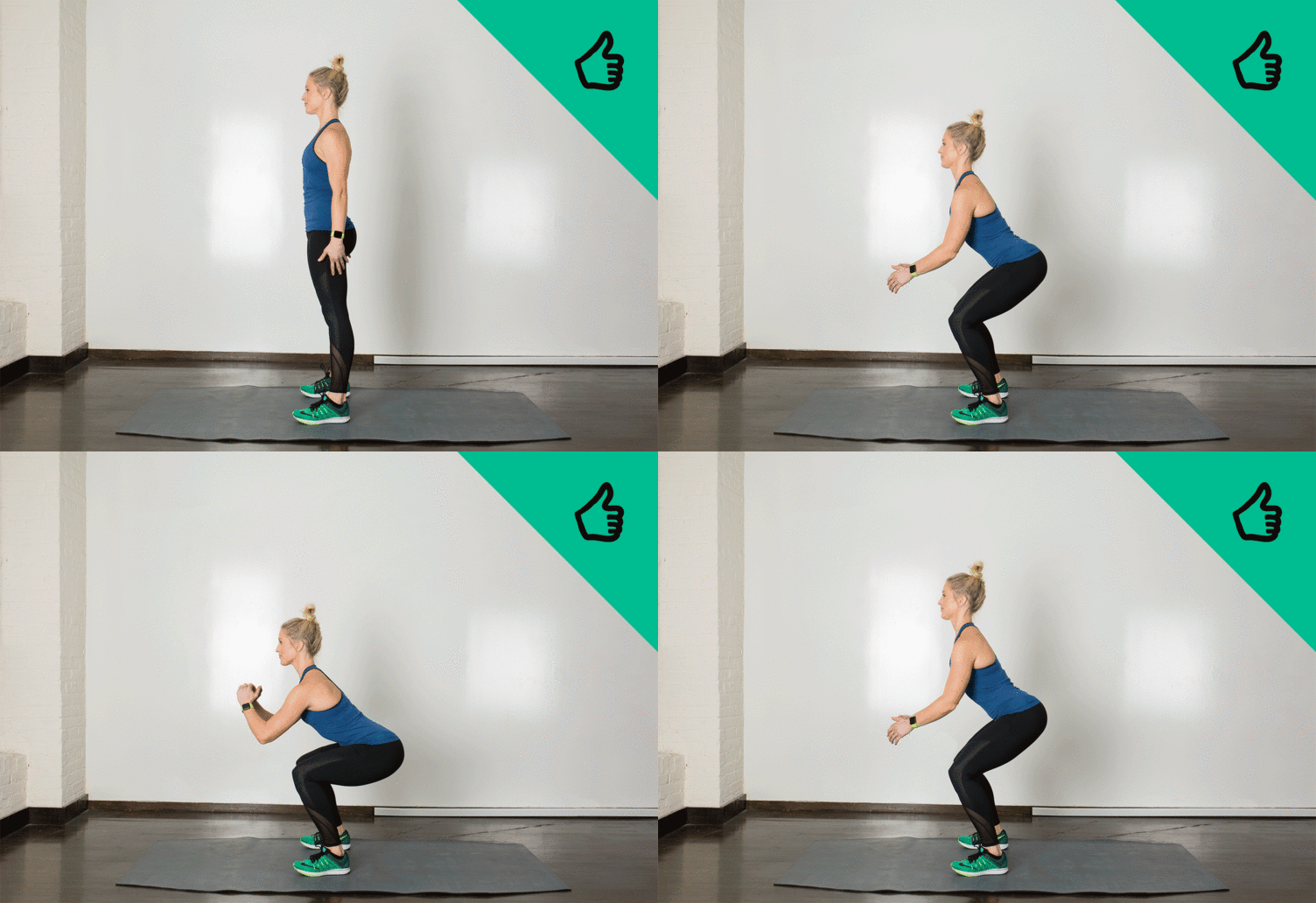
The right way to do it
Start with feet parallel and hip-width apart. Make sure you're standing with a neutral spine, hips over knees, knees over ankles. Extend both arms in front of you for balance. Brace your core and send hips back first, then slowly bend your knees to lower into a squat. Maintain a neutral spine throughout.
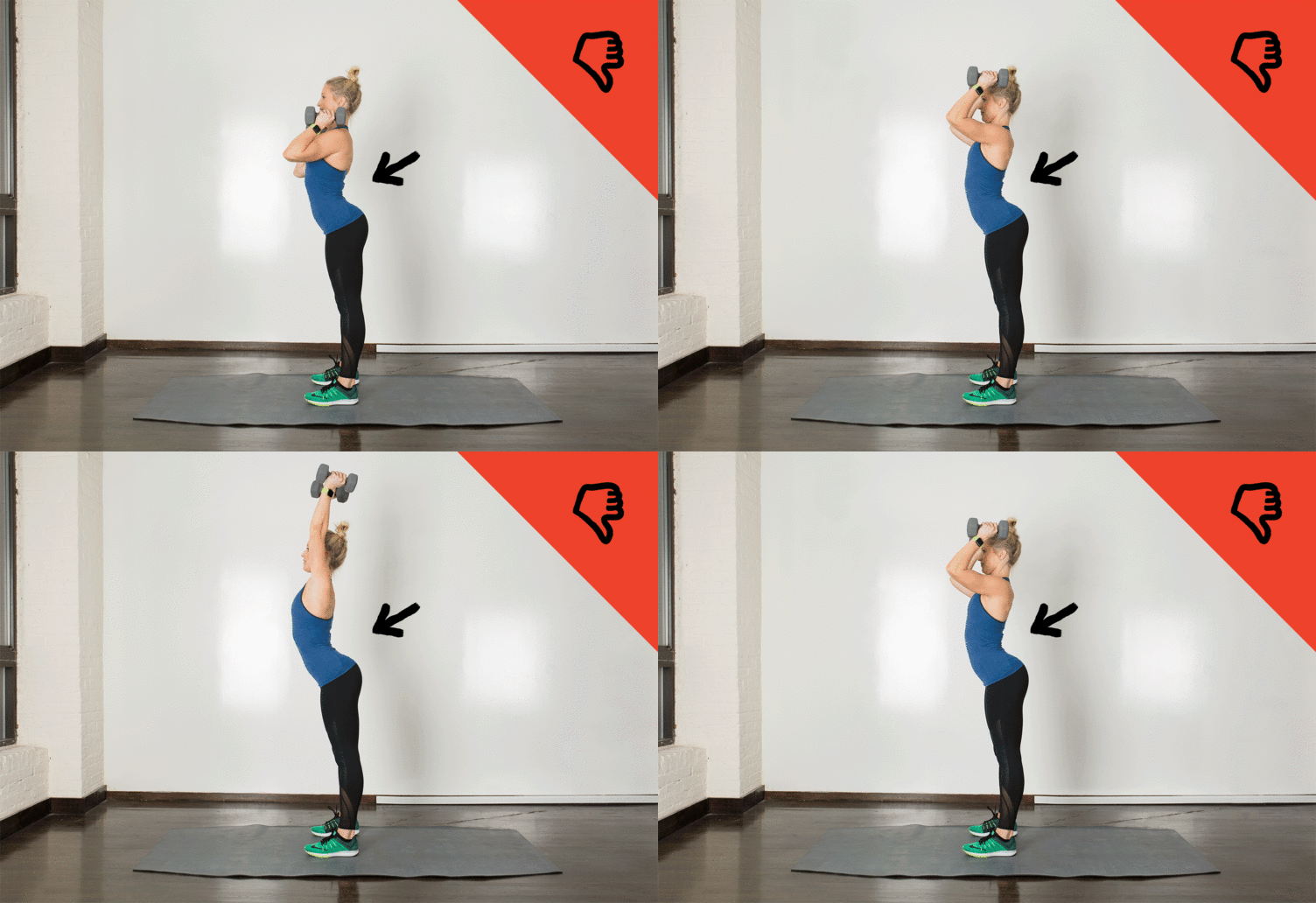
Common mistake no.3: You arch your lower back excessively as you raise the weights
Typically, this means you have a lack of core stability and core strength, or that your hip flexors (the muscles on the front of your pelvis) are tight and not allowing you to keep your hips directly over your knees.
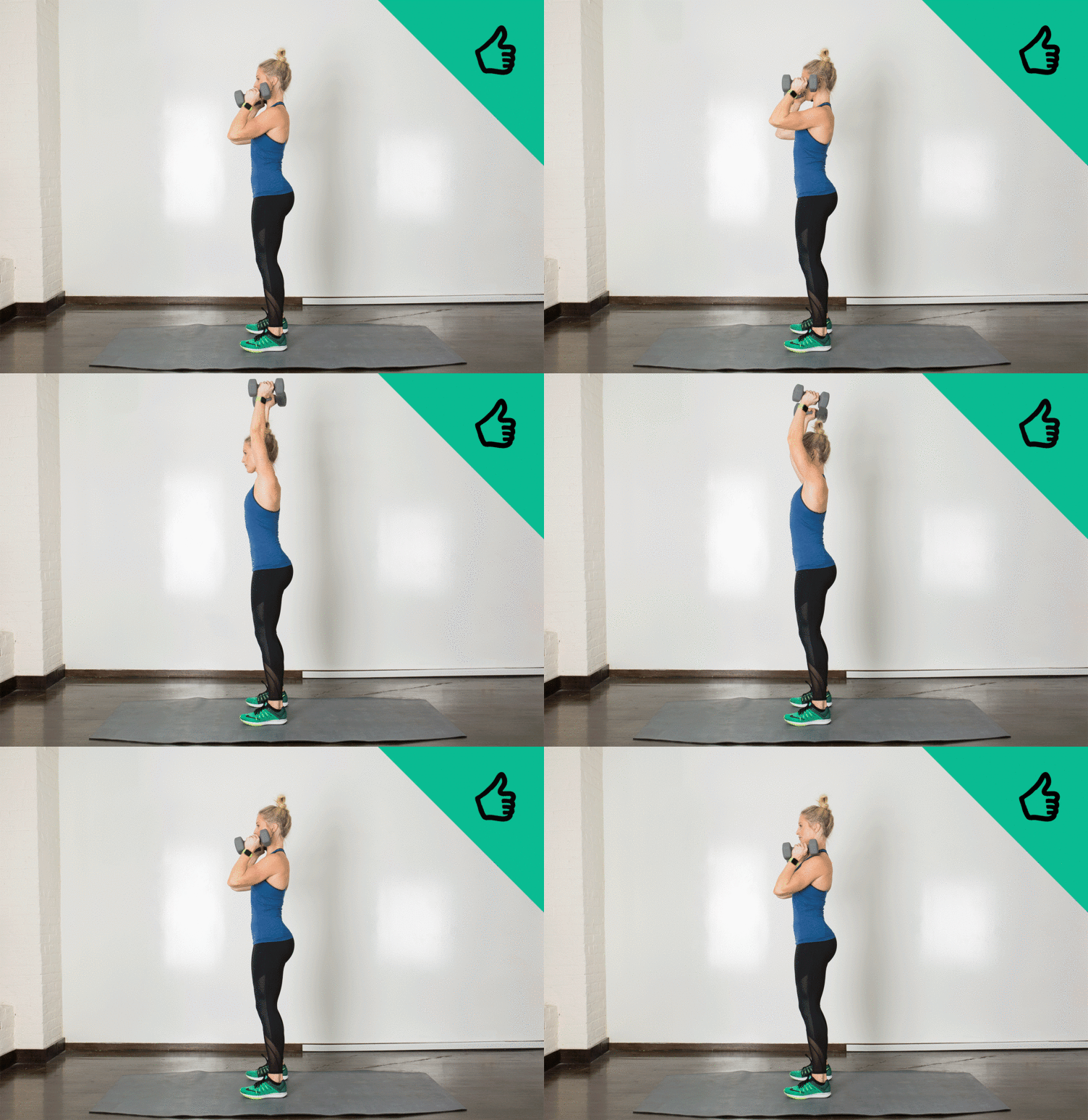
The right way to do it
Hold one dumbbell in each hand, with wrists turned in to face each other and dumbbells level with your shoulders. Keep knees soft and core engaged. Press weights up overhead, focusing on fully extending your arms, before lowering the weights with control to your shoulders. For this assessment, pick a weight with which you can perform at least 8 to 12 reps.
Common mistake no.4: You hike your hips
Whether your hips sag or you hike them, the issue is basically the same: a lack of core strength.
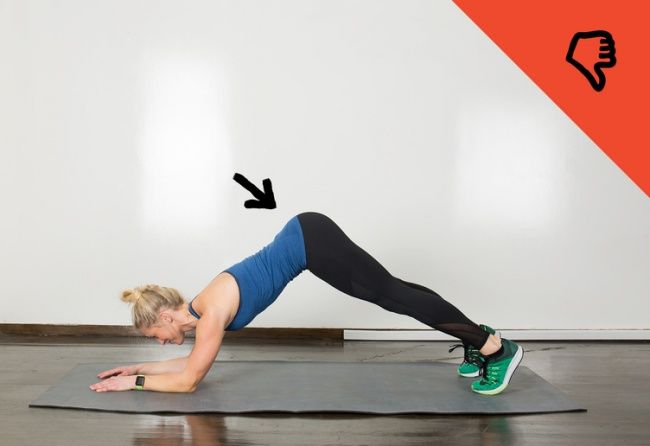
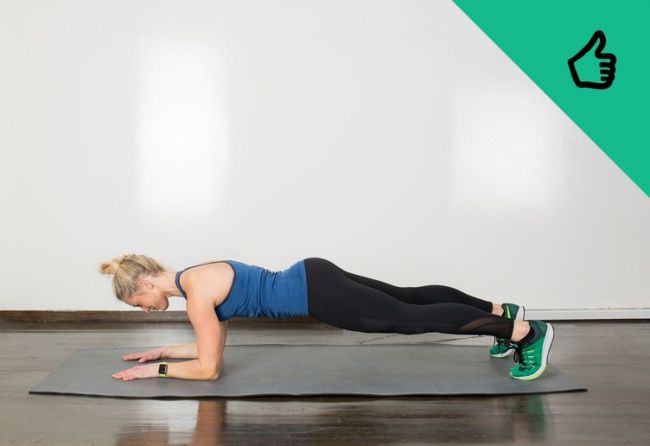
The right way to do it
From a facedown position, use your forearms and toes to lift your entire body off the ground. Engage your core, and keep elbows directly under your shoulders and forearms and hands parallel. Maintain a neutral neck position, keeping your back flat and ankles flexed at 90-degree angles.
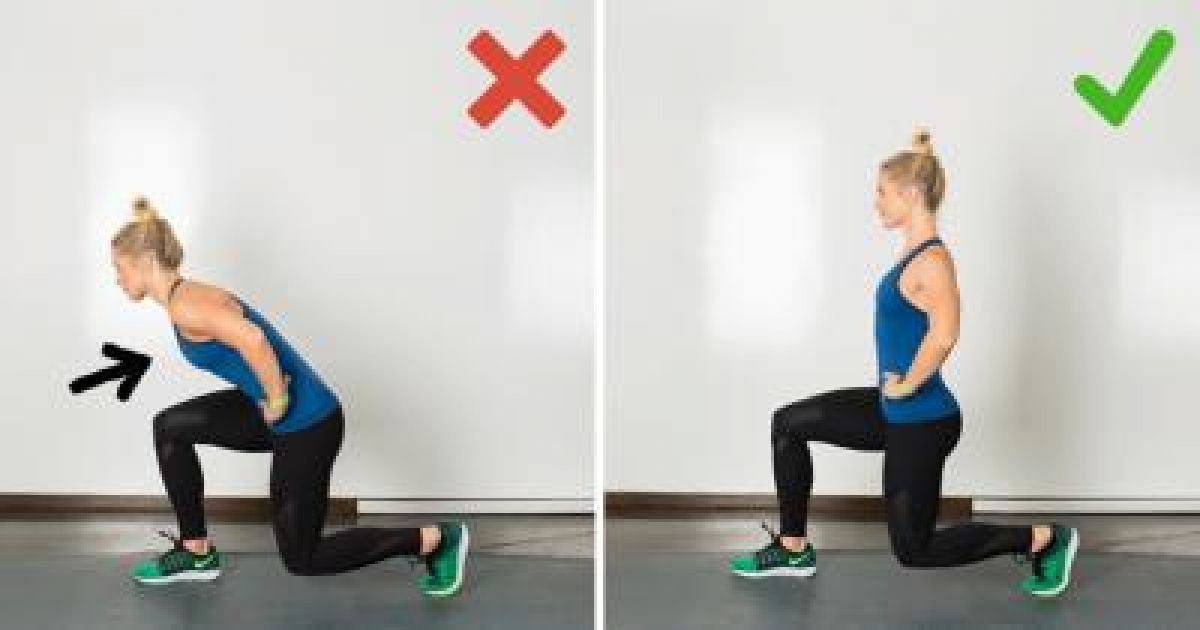
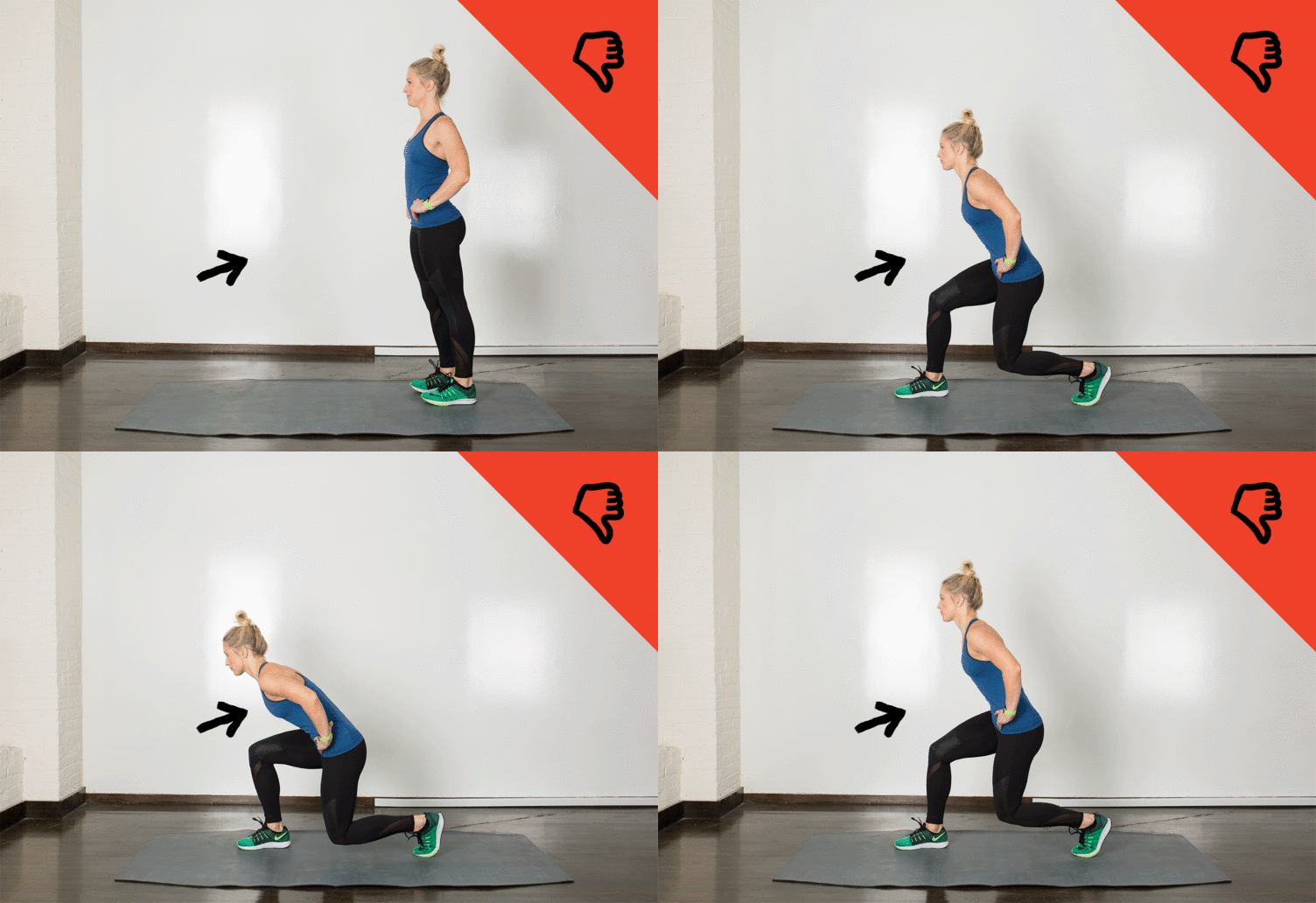
Common mistake no.5: You lean too far forward with your chest
Though it is acceptable for your chest to come forward slightly (the same type of motion as when you're walking or climbing stairs), leaning too far forward can be an indication of weak glutes and core, or an over-emphasis on the quads. Remember to engage your glutes and hamstrings as you perform the movement.
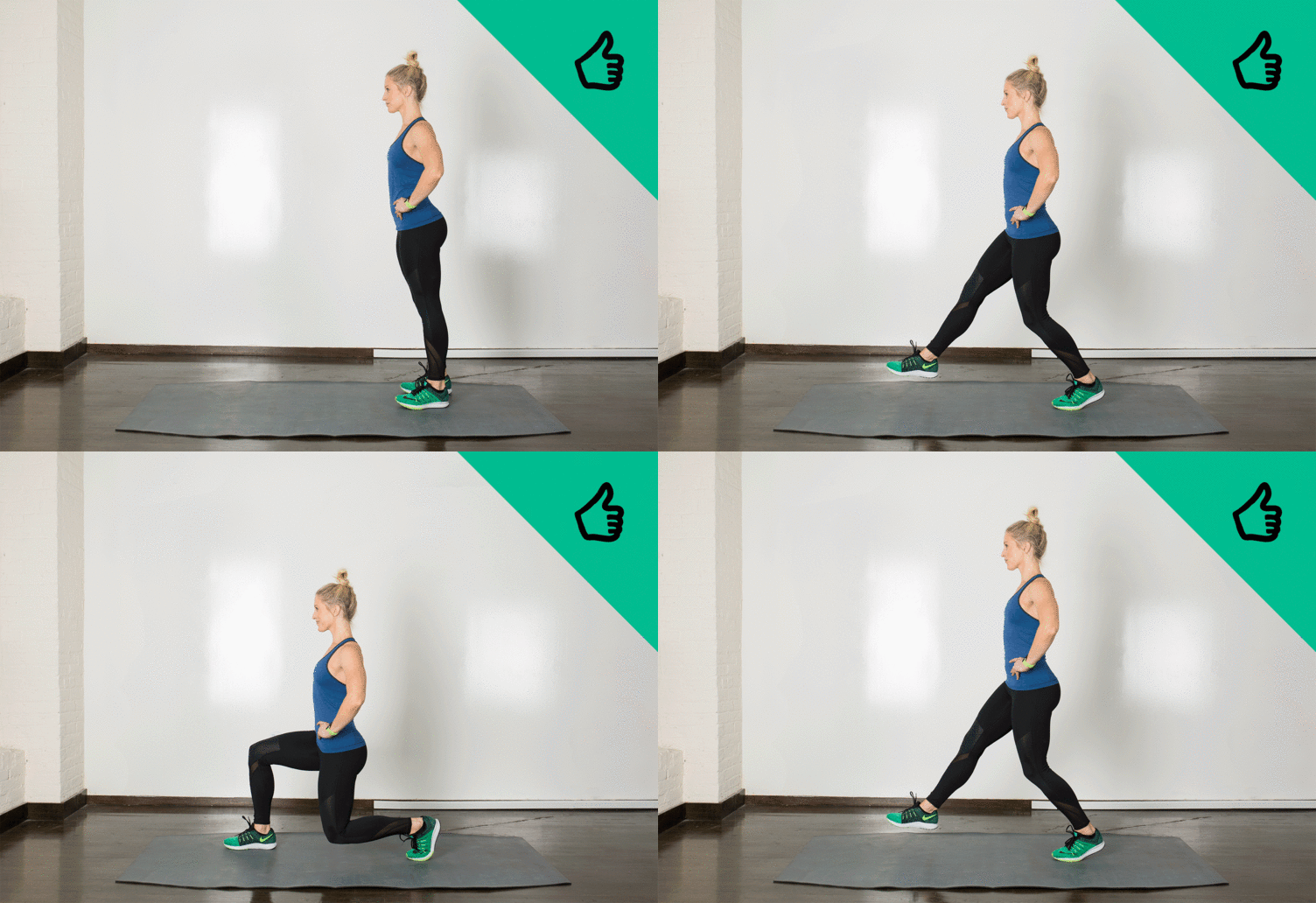
The right way to do it
Stand with feet hip-width apart and step forward with your right leg. Lower into a lunge position, so that both the front and back legs are (ideally) bent to 90 degrees. Your upper body should be straight (not leaning forward or back). Hold this position for a moment, then push off the right foot and return to stand. Repeat on the other side.