We live in a wonderful time of mass media. The news is at our fingertips, and entertainment is ever present. Unfortunately, advertisers slip in suggestions for us and we usually follow along without even a second thought.For some of us, our parents taught us certain things because they learned from someone else down the line. No matter, we all do things in the name of our health.But do we really know whether the healthy things we do for ourselves are beneficial? The following list may challenge your health practice beliefs, leaving you to question everything you do to stay healthy.

Common Practices That Are Actually Hurting Us
By
Editorial Staff in
Health and Fitness
On 27th August 2017
advertisement
#1 Hand Sanitizer
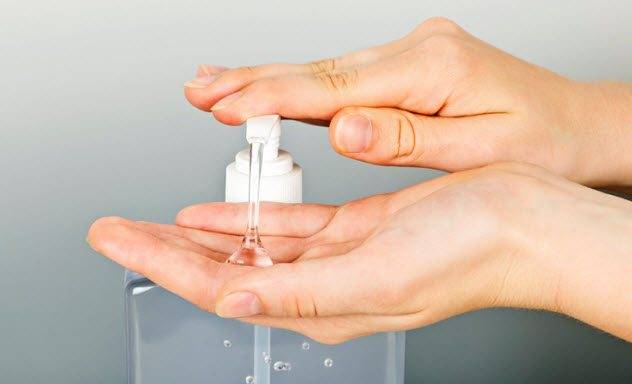
Teachers at schools all around the nation are seen squirting dollops of hand sanitizer on their students as they line up for lunch. This is after they have held the yearly school supply drive for parents to scramble to get a list full of items that includes hand sanitizer. Maybe those teachers would think twice if they knew the dangers of using this product.At its least obtrusive, hand sanitizer creates wrinkles on the hands of users because it dries out the skin. It also contains chemicals (aside from the usual alcohol) which can be very harmful if used frequently.Most importantly, the use of these products is creating more resistant bacteria and viruses (superbugs). Soon, it won’t be worth using hand sanitizer other than to relieve our anxieties.
#2 Taking Antibiotics
Much like hand sanitizer, the frequent use of antibiotics is helping to create resistant bacteria. Soon, these drugs will be of no use to people with bacterial infections. For the common cold, we just have to wait it out with rest and plenty of fluids anyway. Another adverse effect of antibiotics like rifampin is the risk of pregnancy.Many women know that their birth control pills are rendered useless while taking certain antibiotics. However, there are a few who do not know this fact and risk pregnancy just by taking these drugs.

advertisement
#3 Going To The Doctor For The Common Cold
By no means should you avoid going to the doctor if you believe that there is something seriously wrong with you. But consider the consequences first. The main place that viruses and colds end up are in health-care facilities.Why? Because that is where everyone goes to get better.Even if health-care workers remain diligent about disinfecting, the likelihood of picking up a bug by going to the doctor’s office is extremely high. Next time you want to see your physician because of a cough, you may think twice.

#4 Wearing tight fitting jeans, or trousers
Skinny, tight pants can spell trouble for your vagina. “It’s really common for some women to get recurring yeast infections [with tight pants],” says Dr. Unjali Malhotra, a women’s health specialist from Vancouver. The restricted quality of the trousers along with the heat and moisture that they create can leave you feeling itchy and sore.
To steer clear, Malhotra recommends wearing looser fitting clothing. Or, sleep without underwear to give the area a chance to breathe.

advertisement
#5 Wearing high heels
Sexy, fashionable footwear can lead to an ugly assortment of health ailments. According to Peter Guy, a professor at Toronto’s Michener Institute, and a chiropodist in Whitby, Ont., habitually wearing sky high heels can change the way you walk, create pain in your back and knees, shorten your calf muscles, and stiffen and thicken the Achilles tendon that runs down the back of your heel.
“High heels will make bunions – a protrusion of bone and soft tissue on the side of your foot – appear faster, and because your toes are squeezed in the shoe’s front, you can get hammertoes, ingrown toenails and corns,” he says.
If these painful, unattractive conditions weren’t enough to make you kick off your heels, these problems could also make you an early candidate for arthritis in your feet. To lower your risk, Guy suggests alternating your footwear.
Wear one heel height one day, don a lower heel the next, and try flats after that, but don’t jump straight from a three-inch heel to flats. “If you quit heels cold turkey, you’ll have heel pain,” he says.

advertisement
#6 Texting So Damn Much
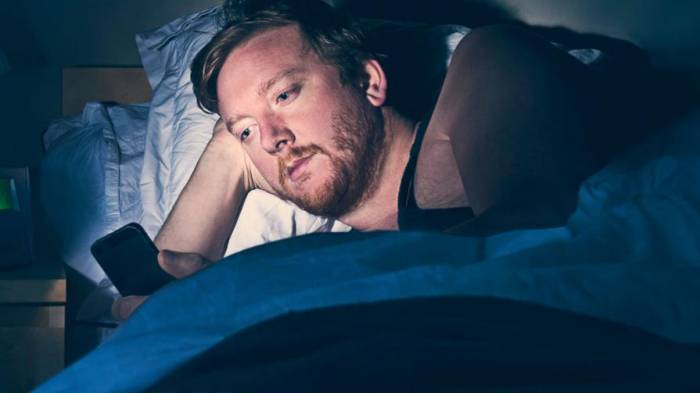
The human head weighs 10 to 12 pounds. Tilt your head down to look at your phone, though, and you can put up to 60 pounds of weight on your spine, according to a new study published in Surgical Technology International. “It can also lead to tightness of the muscles in front of the shoulder like the pectoralis minor, contributing to rotator cuff tendinitis and other potential problems,” says Guillem Gonzalez-Lomas, M.D., assistant professor of orthopaedic surgery at NYU Langone Medical Center. Meanwhile, high-volume texting has been associated with thumb tendon inflammation, which is indicative of early tendinitis. “If you're texting and playing games, you're compounding that risk, as well as risking possible arthritis at the base of the thumb (carpometacarpal joint) later in life,” he says.
advertisement
#7 Using Anti-Bacterial Soap on Your Junk
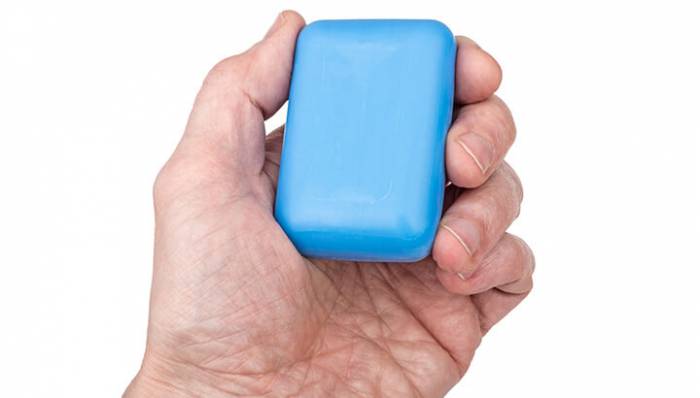
You know that “good bacteria” that’s in your gastrointestinal tract and is apparently the key to better health? Well, it’s also all over your man parts, so using antibacterial soap on them decreases their number of good bacteria, making you susceptible to infections, even of the sexually transmitted variety, says Darius A. Paduch, M.D., Ph.D., director of sexual health at Weill Cornell Medical College. He recommends using Dove non-antibacterial soap. If you’re circumcised, wash up with it once per day. And if you’re sporting a turtleneck—which acts as a mucosal barrier to bad bacteria—opt for every other day. On your days off, just use water.
advertisement
#8 Trying Not to Masturbate So Often
No woman likes to think of her partner masturbating. But when it comes to your sex drive, if you don’t use it—even by yourself—you lose it. The more often you orgasm, the more libido-revving hormones you’ll produce, says Paduch, who notes that his patients who make a point to masturbate end up having higher sex drives that his patients who don’t.

advertisement
#9 Not Keeping Your Contacts Clean
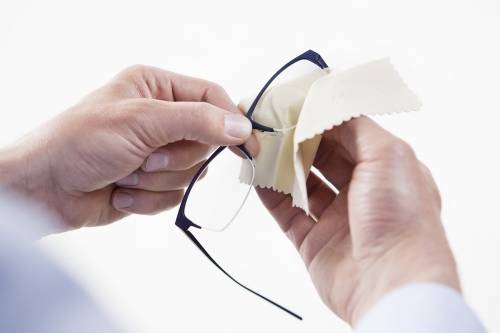
Out of every 100 contact-wearers, only two actually do what they’re supposed to do to keep their eyes clean, per research in Optometry and Vision Science. Researchers say that, besides causing pus and ulcers, sleeping in your contacts, not washing them with saline solution, and not washing your hands before putting them in, can potentially result in blindness. Read your contact lens’ instructions ASAP… granted you can see them.
advertisement
#10 Too much screen time
Everything these days seems to be electronic, from your daily news to your books. But, that doesn’t mean it’s healthy. In fact, it can be incredibly unhealthy when screens become your main mode of enjoyment and taking in information.

advertisement
#11 Skimping on sleep
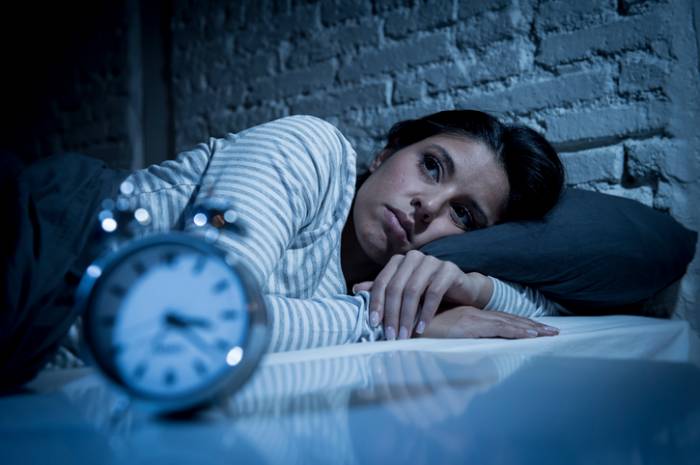
Speaking of sleep, staying up way too late might seem fun, fashionable, and feasible. But, in the long run (and even the short term) sleep deprivation is no laughing matter. Not only does sleep deprivation wreak havoc on your skin, eyes, and general appearance, but it can compromise your health.
advertisement
#12 Mindless eating
This is a big one, and it’s easy to do. If you find yourself eating at your desk, or nibbling away while in front of the television, it’s time to stop and look at what you’re doing.

#13 Constantly chewing gum
You might think gum gives you fresh breath, or maybe it helps alleviate tension, like squeezing an oral stress ball. But if you chew gum all the time, it could be putting too much pressure on your jaw. "The temporomandibular joint—at the top of the jaw—is a synovial joint just as seen in the knees," says Jeannette South-Paul, MD, medical director of the community health services division of UPMC, Andrew W. Mathieson Professor and chair of the department of family medicine at the University of Pittsburgh Schools of the Health Sciences. "If you use those joints too much, you can develop arthritis, clicking, and pain." Plus, swallowing too much air can lead to stomach upset, according to the National Institute of Diabetes and Digestive and Kidney Diseases (NIDDK).

advertisement
#14 Biting your nails
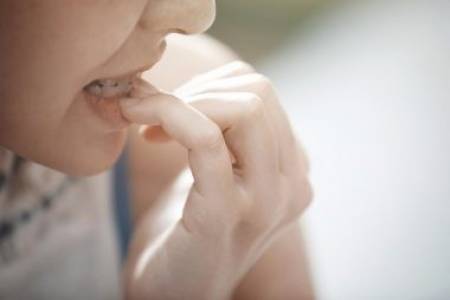
Another nervous habit that's really not good for you is chewing on your nails. "Biting your nails can result in damage to the nails and infection of the skin surrounding it, called paronychia," Dr. Ansari says. The spread of germs can work the other way, too. "In addition, this can introduce viruses into the body, resulting in upper respiratory and other infections," he says. Dr. Fowler says you could also damage your teeth, or even crack a tooth! Plus, the psychological reasons why you do it need to be addressed. "Biting nails is usually a subconscious habit frequently made worse by anxiety," Dr. Fowler says. "What is making you so anxious? Anxiety itself may not be dangerous, but it can affect the quality of your life." A recent study from Canada found that nail biting is also caused by boredom and frustration—two traits of perfectionists, according to the research.
#15 Skipping brushing or flossing
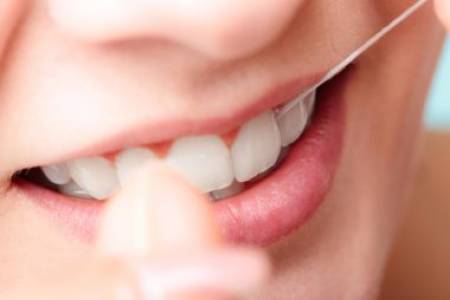
You're tired and fall into bed without taking care of your teeth—we've all done it, right? Well, skipping a brushing or flossing is worse for you than you think, especially if you make a habit of it. "Skipping teeth brushing or flossing are the biggest risks for dental decay," Dr. Fowler says. "And poor dentition is a risk factor for many things including major, overwhelming infections and malnutrition—especially in the elderly—and also cardiovascular disease." Whoa, heart disease? Turns out, the connection is not yet fully understood, but studies have shown a link. The theory is bacteria in the mouth can move into the bloodstream, creating an inflammation of the blood vessels, according to the Cleveland Clinic. Brush twice daily, floss once a day, and see your dentist regularly to avoid this. "Not maintaining this routine contributes to cavities and gingivitis—gum infections and inflammation—the major cause of early tooth loss," Dr. South-Paul says. Dr. Fowler also recommends an electric toothbrush to get to places regular brushes miss.
advertisement
#16 Sitting for too long
Along with staring at a screen, simply sitting all day has bad consequences for our health. "As a chronic behavior, [sitting] leads to all the risks associated with a sedentary lifestyle including weight gain, diabetes, and high blood pressure," Dr. Ansari says. Although some research shows an increase in blood pressure or numbness specifically while sitting cross-legged, Dr. Ansari says those effects are only temporary, and won't really affect long-term health. "Crossing your legs doesn't cause clots except for those at risk of arthritis or high blood pressure, or those who are physically inactive longterm," Dr. Fowler agrees. But, walking throughout the day helps to prevent arthritis, and can also help to prevent high blood pressure. "Most of the harmful effects are from the simple act of sitting for prolonged periods," Dr. Ansari says. Studies show walking around periodically can help. When you are seated, it's important to have good posture so you don't get neck or backaches. "When you do sit make sure you scoot into the seat and use the back of the chair to help you sit up straight," Dr. Ansari says. "This will help ease the tension on your back muscles. Your knees should be at 90 degree angles and your feet flat on the floor."

#17 Over-Caffeinating
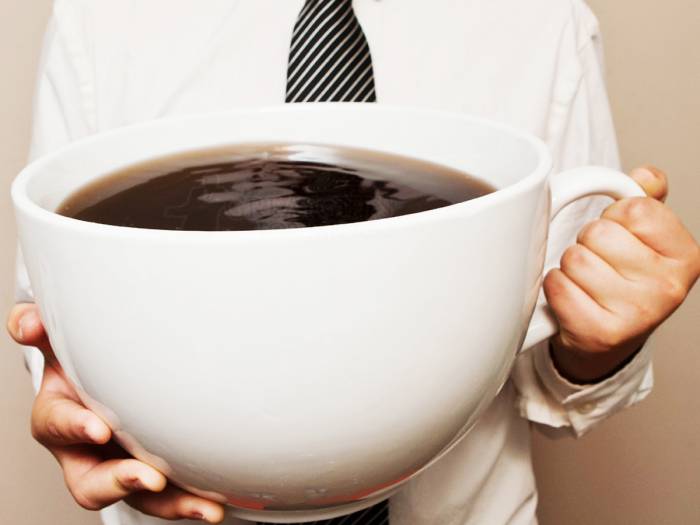
Start your day with one cup of coffee or black tea, but cut your caffeine intake after that. By switching over to water or herbal tea for those later-in-the-day refreshments, you’ll be feeding your body’s need for hydration and avoiding the extra acidity caused by too much caffeine. Elevated acid levels can lead to calcium depletion and weaken bones.
advertisement
#18 Skipping Lunch
On a busy day, it’s easy to suppress your appetite and focus on the projects at hand, but regularly skipping lunch will result in consequences even more negative than a grumbling pre-dinner tummy (we know — that already sounds pretty miz). Skipping a meal will cause your blood level to drop, which can slow you down and restrict your ability to think clearly. Be mindful of your physical and mental health by prioritizing midday nutrition for your body.
#19 Rubbing your eyes
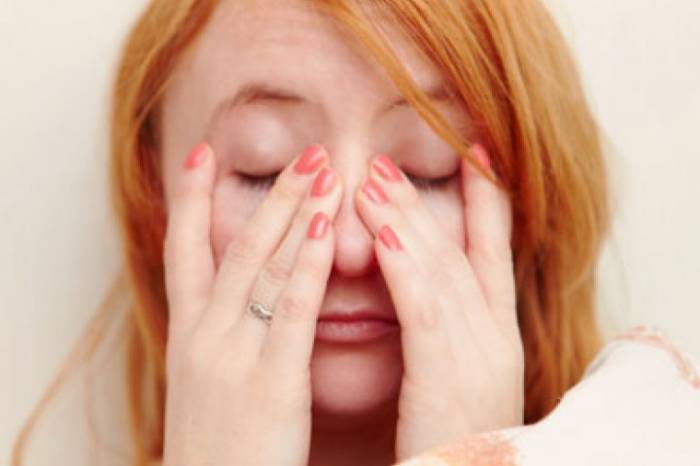
It may give you a moment of relief, but you're also spreading dirt and bacteria into your eyes when you rub them. “You transfer germs into your eyes this way, classically bacteria that causes pink eye,” Jessica Ciralsky, M.D., a cornea specialist at Weill Cornell Medicine, tells SELF. “Eye rubbing has been linked to permanent corneal damage—like disorders known as keratoconus in which the cornea thins and begins to bulge outward—and it can also break the fragile vessels around the eye.” It’s also important to note that if you feel something in your eye, trying to rub it away can possibly dig the debris in deeper. Instead, try to blink rapidly so that your tears wash it away. If that doesn’t work, put in a few eye drops to flush out the eye.
advertisement
#20 Smoking
“In ophthalmology, [smoking] is associated with a higher risk of cataracts and age-related macular degeneration which, ultimately affects your vision,” Ciralzky says. The National Eye Institute explains age-related macular degeneration as damage to a small spot on your retina, which is used for sharp, central vision. When this part of the retina begins to deteriorate, so does your vision. Unfortunately, this is the leading cause of vision loss among people over 50, and smoking actually doubles your risk of developing the condition.