

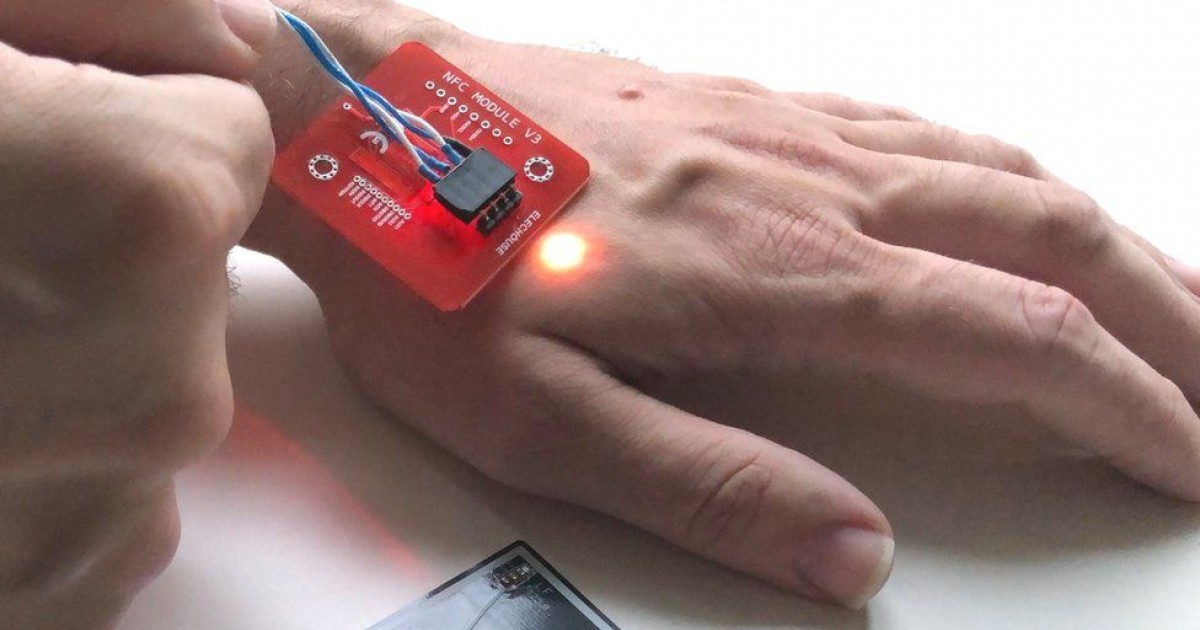
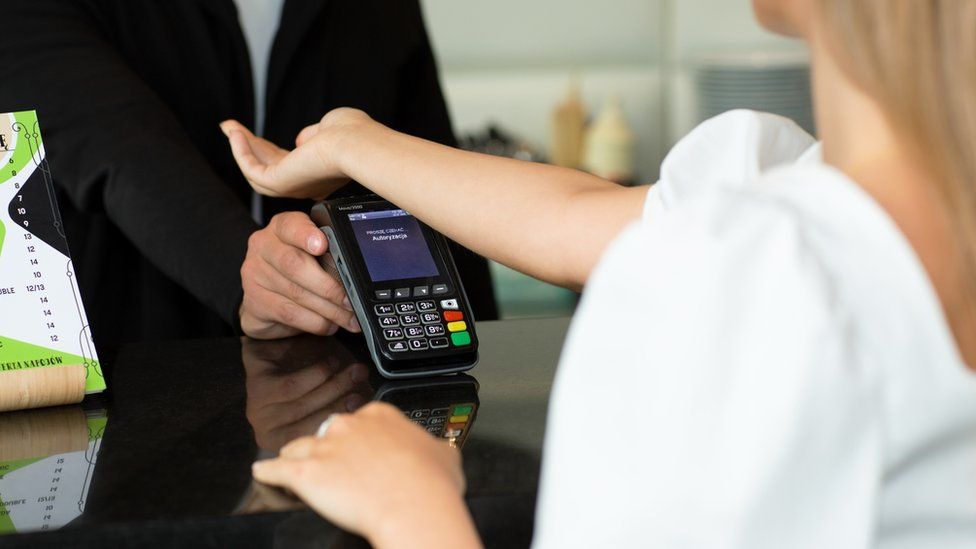
A company claims to be the first to sell contactless bank-card chips. The procedure to fit one leaves customers with a small stitch below the wrist. To make a purchase they can simply wave their hand over a contactless reader.
Company Claims To Be First To Sell Microchip Implants That Let You Pay With Your Hand
By
Zainab Pervez in
Science and Technology
On 13th July 2022
advertisement
Wojtek Paprota, a British-Polish businessman is founder of Walletmor — which claims to be the first company in the world to sell contactless bank-card chips that can be implanted into humans.
On networking website LinkedIn, entrepreneur Wojtek Paprota calls himself a 'transhumanism believer'. He is referring to a radical, but growing, movement that wants humans to use technology to evolve beyond their physical limitations.
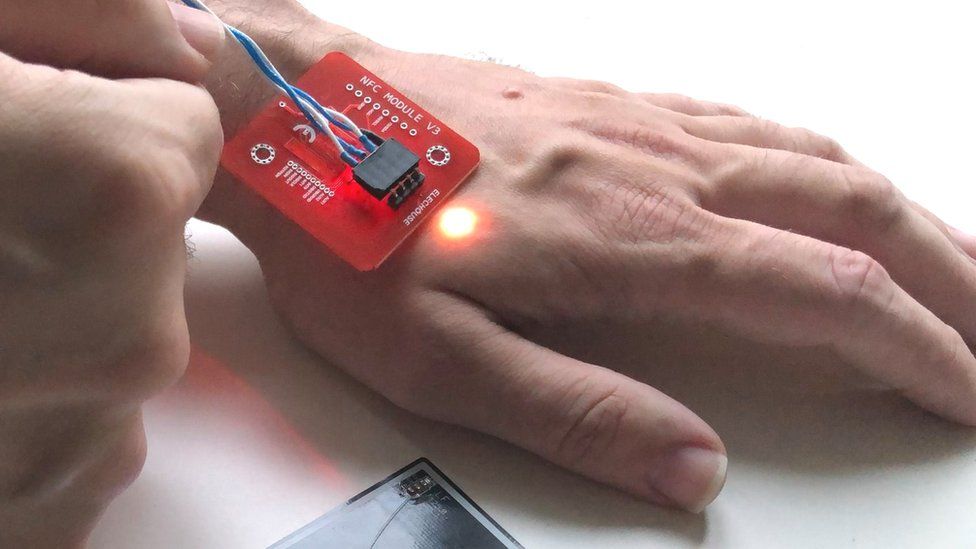
The ‘about’ section on Walletmor’s LinkedIn reads: “Walletmor is the first-ever company providing legitimate payment implants.” The company’s mission is to eradicate ‘bulky wallets’ and allow people to pay for things with ‘a wave of their hand’, making round-buying down the bar dangerously easy. Walletmor’s website states that implants cost €199 (£168) and entail a three-step process.
advertisement
Firstly, customers must download an app called iCard - which is a digital wallet that can be linked to the Walletmor implant - and set up an account. Next, customers must activate their implant via the iCard app and add money to their account.
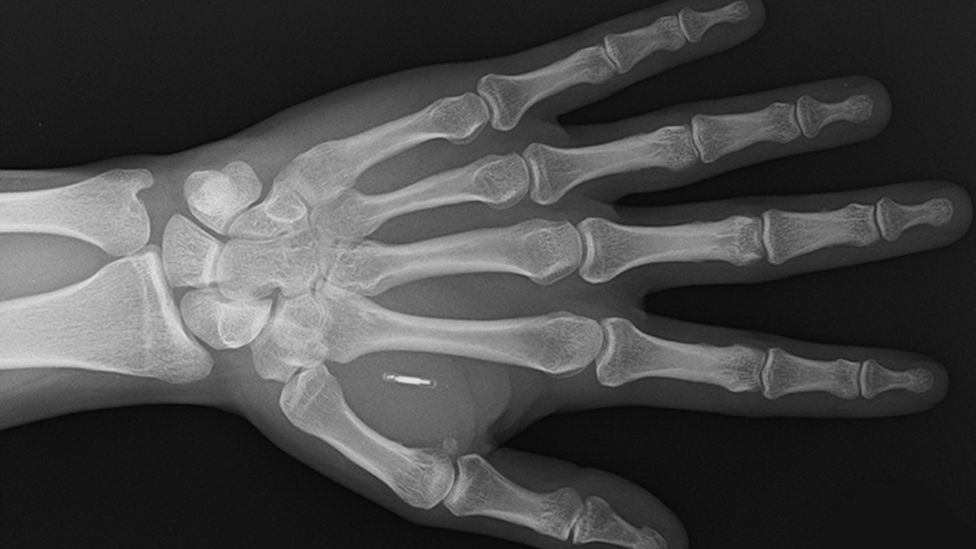
The final step is booking an appointment to have the implant installed at a medical aesthetics clinic. The implant is injected on the outside of the hand or in the forearm, just above the wrist. It’s recommended not to have the implant injected on a location where you’d normally wear jewellery or a watch.
A warning on Walletmor’s site reads: “Injecting the Walletmor implant is relatively easy, however, we do not recommend performing the injection process on your own.
“Not only every surgeon but also every piercer from your hometown is able to perform the installation process with the attached instruction.”
Walletmor decided to create payment implants because the company thinks that ‘in order to move forward and constantly evolve, we must live in symbiosis with technology’.
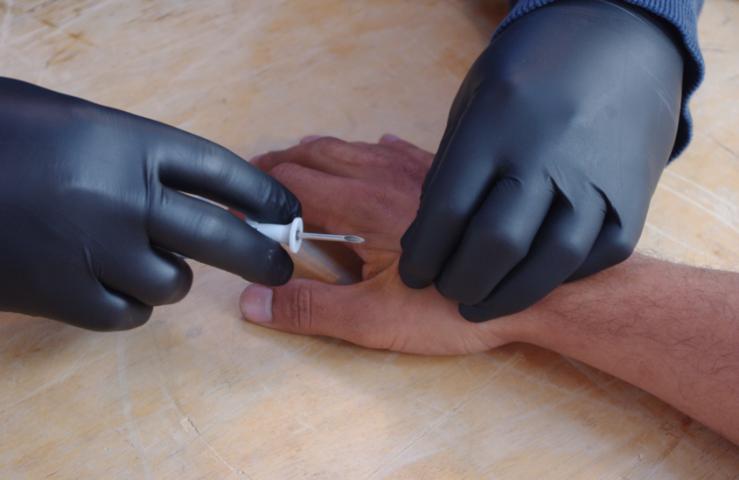
advertisement
"The implant can be used to pay for a drink on the beach in Rio, a coffee in New York, a haircut in Paris - or at your local grocery store," says founder and chief executive Wojtek Paprota. "It can be used wherever contactless payments are accepted.
Walletmor's chip, which weighs less than a gram and is little bigger than a grain of rice, is comprised of a tiny microchip and an antenna encased in a biopolymer - a naturally sourced material, similar to plastic. Mr Paprota adds that it is entirely safe, has regulatory approval, works immediately after being implanted, and will stay firmly in place. It also does not require a battery, or other power source. The firm says it has now sold more than 500 of the chips.
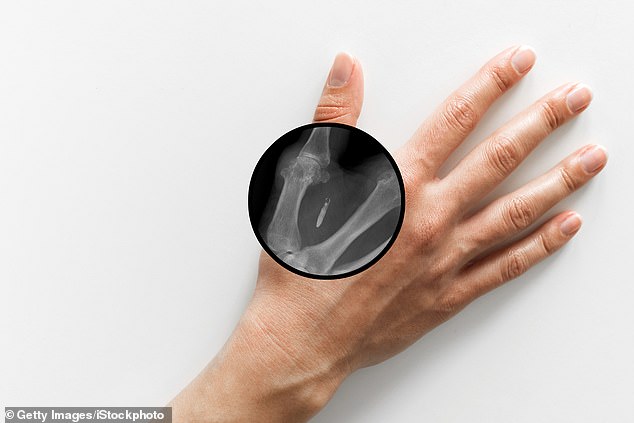
advertisement
The technology Walletmor uses is near-field communication or NFC, the contactless payment system in smartphones. Other payment implants are based on radio-frequency identification (RFID), which is the similar technology typically found in physical contactless debit and credit cards.
For many of us, the idea of having such a chip implanted in our body is an appalling one, but a 2021 survey of more than 4,000 people across the UK and the European Union found that 51% would consider it. However, without giving a percentage figure, the report added that "invasiveness and security issues remained a major concern" for respondents.

advertisement
Yet card payments are still by far the most popular payment mode, with 1.7 billion debit and credit card transactions recorded in February this year, according to UK Finance.
A Mastercard spokesman says: 'This is not a product we are involved with or endorse. This is an area that requires considerable review to ensure the safety of the transaction and the individual.
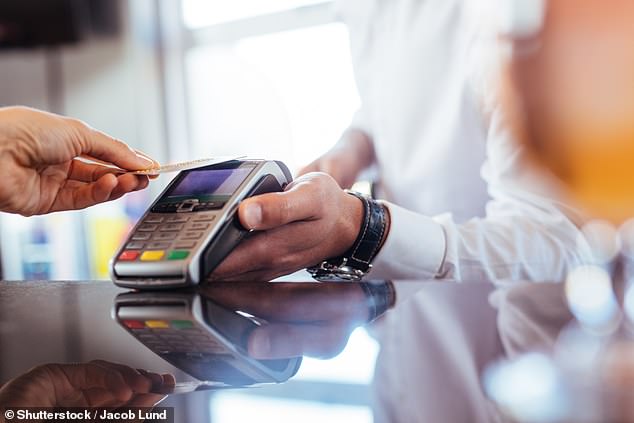
Firms are clear: without efficient regulation, payment implants will never be embraced beyond the small cult of 'transhumanism believers'.