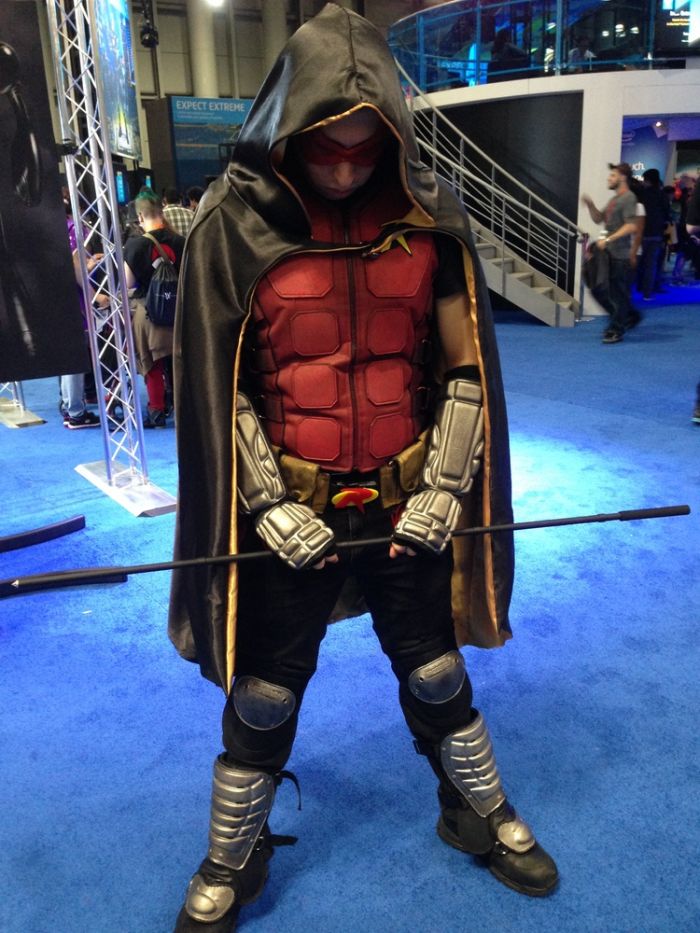
Cosplay is a shortened form of two words – costume and play. The early 90s saw the rising of cosplay into popular culture, although it probably originated initially in Japan. It is the practice of portraying a fictional character – at times completely identifying as that character while in costume (and thus acting as if the individual was that character to add to the authenticity of the experience).
advertisement
Cosplay is a contraction of the words costume play
It is a performance art in which participants called cosplayers wear costumes and fashion accessories to represent a specific character. Cosplayers often interact to create a subculture and a broader use of the term "cosplay" applies to any costumed role-playing in venues apart from the stage. Any entity that lends itself to dramatic interpretation may be taken up as a subject and it is not unusual to see genders switched. Favorite sources include manga and anime, comic books and cartoons, video games, and live-action films and television series.
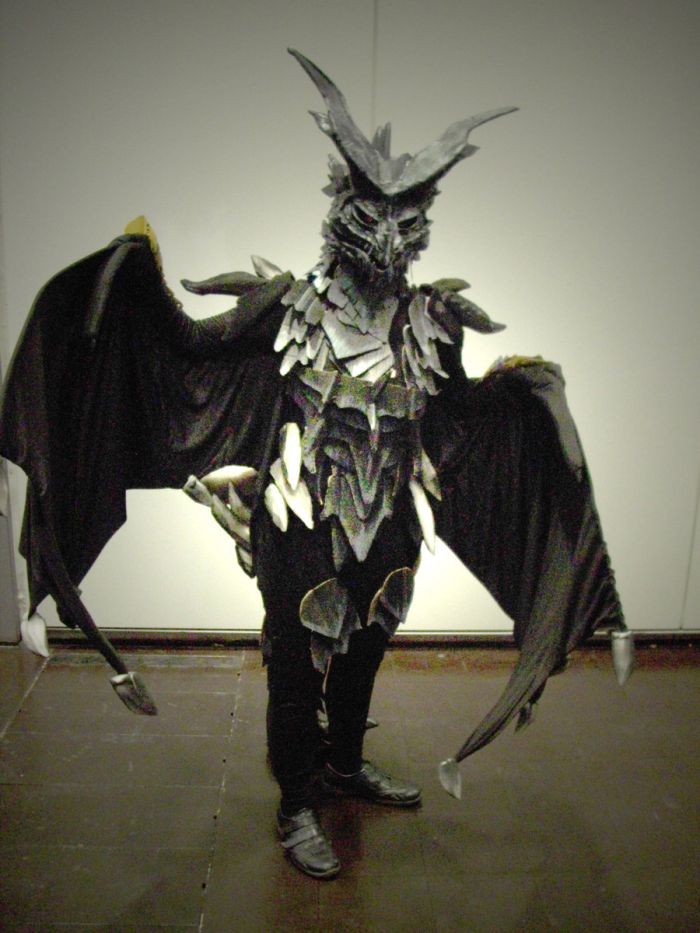
Cosplay. It’s a word that’s been on the lips of almost every geek lately.
It's surrounded by controversy, currently a major representation of the misogyny that women encounter in the geek subculture. People love it, hate it, live it and breathe it, or merely accept it. It's a fundamental part of conventions, and as the years have gone by cosplay has gone from the few and the hardcore to a massive net of costume enthusiasts spreading across the globe. If you go to a convention and you're NOT in a complex costume, you are the minority. Image sharing websites like imgur and tumblr explode with cosplay photos, and it has made its way so dominantly into pop culture that "cosplay" has even been trending on twitter a few times over the last few months.
advertisement
The rapid growth in the number of people cosplaying
as a hobby since 1990 has made the phenomenon a significant aspect of popular culture in Japan and some other parts of Asia and in the Western world. Cosplay events are common features of fan conventions and there are also dedicated conventions and local and international competitions, as well as social networks, websites and other forms of media centered on cosplay activities.
Etymology
The term "cosplay" is a Japanese portmanteau of the English terms costume and role-play. The term was coined by Nobuyuki Takahashi of Studio Hard while attending the 1984 World Science Fiction Convention (Worldcon) in Los Angeles. He was impressed by the hall and the costumed fans and reported on both in Japanese magazine My Anime. The coinage reflects a common Japanese method of abbreviation in which the first two moras of a pair of words are used to form an independent compound: 'costume' becomes kosu (コス) and 'play' becomes pure (プレ).
advertisement
Practice of cosplay
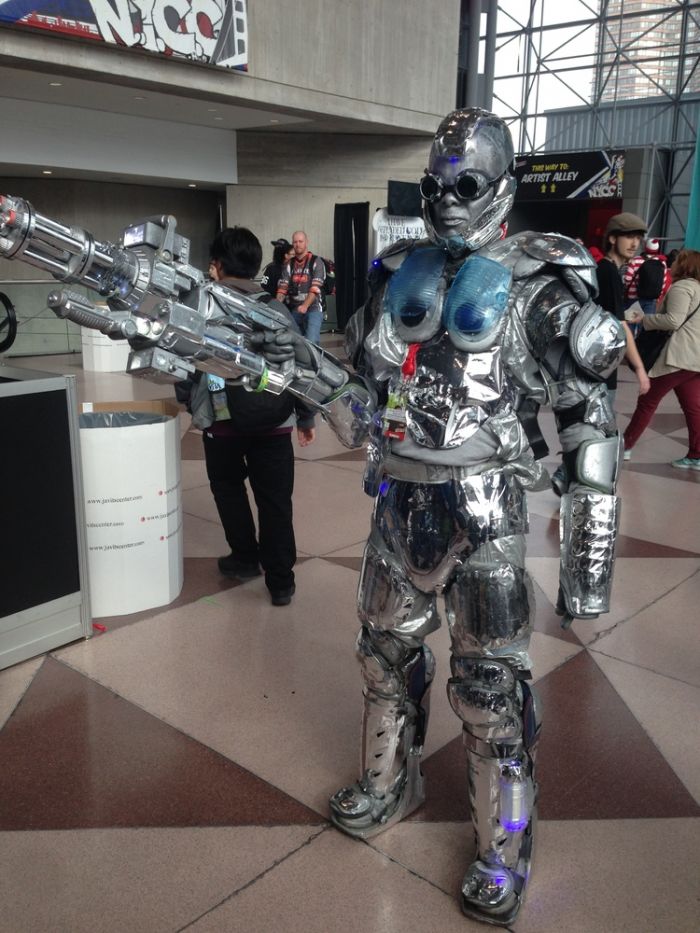
Cosplay costumes vary greatly and can range from simple themed clothing to highly detailed costumes. It is generally considered different from Halloween and Mardi Gras costume wear, as the intention is to replicate a specific character, rather than to reflect the culture and symbolism of a holiday event. As such, when in costume, some cosplayers often seek to adopt the affect, mannerisms, and body language of the characters they portray (with "out of character" breaks). The characters chosen to be cosplayed may be sourced from any movie, TV series, book, comic book, video game, or music band anime and manga characters. Some cosplayers even choose to cosplay an original character of their own design or a fusion of different genres (e.g. a steampunk version of a character)
advertisement
Costumes
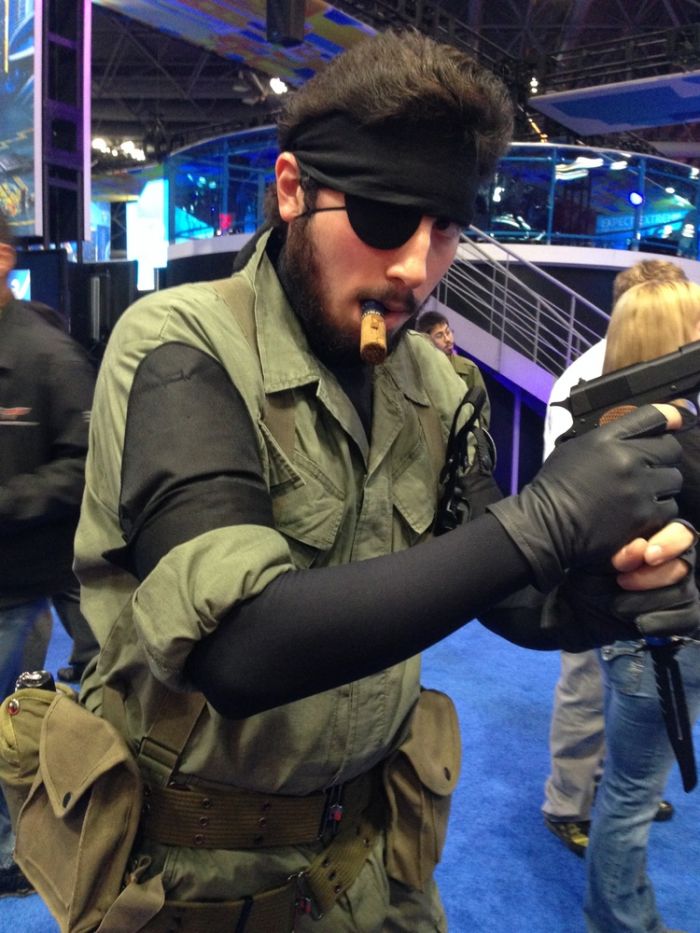
Cosplayers obtain their apparel through many different methods. Manufacturers produce and sell packaged outfits for use in cosplay, with varying levels of quality. These costumes are often sold online, but also can be purchased from dealers at conventions. Japanese manufacturers of cosplay costumes reported a profit of 35 billion yen in 2008. A number of individuals also work on commission, creating custom costumes, props, or wigs designed and fitted to the individual. Other cosplayers, who prefer to create their own costumes, still provide a market for individual elements, accessories, and various raw materials, such as unstyled wigs or extensions, hair dye, cloth and sewing notions, liquid latex, body paint, costume jewelry, and prop weapons.
advertisement
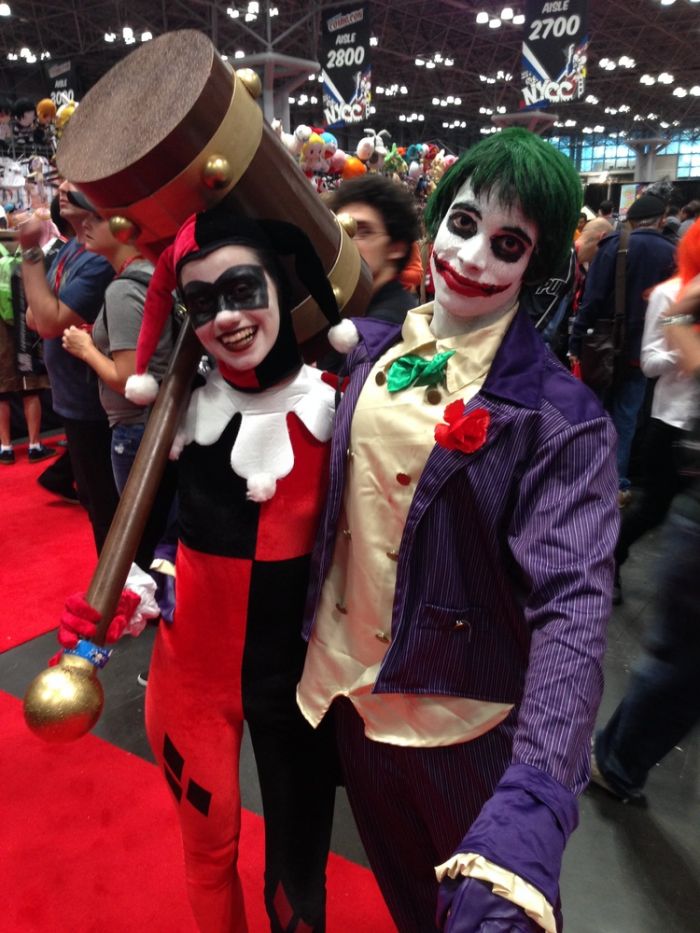
Many cosplayers create their own outfits, referencing images of the characters in the process.
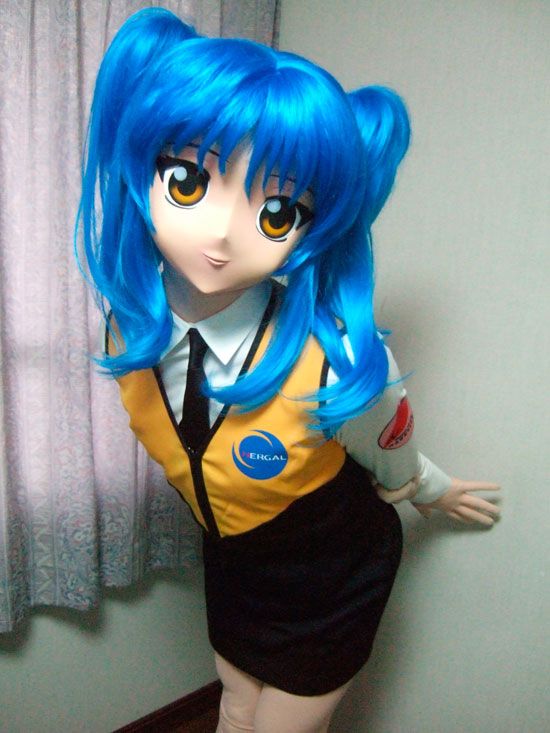
In the creation of the outfits, much time is given to detail and qualities, thus the skill of a cosplayer may be measured by how difficult the details of the outfit are and how well they have been replicated. Because of the difficulty of replicating some details and materials, cosplayers often educate themselves in crafting specialties such as textiles, sculpture, face paint, fiberglass, fashion design, woodworking, and other uses of materials in the effort to render the look and texture of a costume accurately. Cosplayers often wear wigs in conjunction with their outfit to further improve the resemblance to the character. This is especially necessary for anime and manga or video-game characters who often have unnaturally coloured and uniquely styled hair. Simpler outfits may be compensated for their lack of complexity by paying attention to material choice and overall high quality.
advertisement
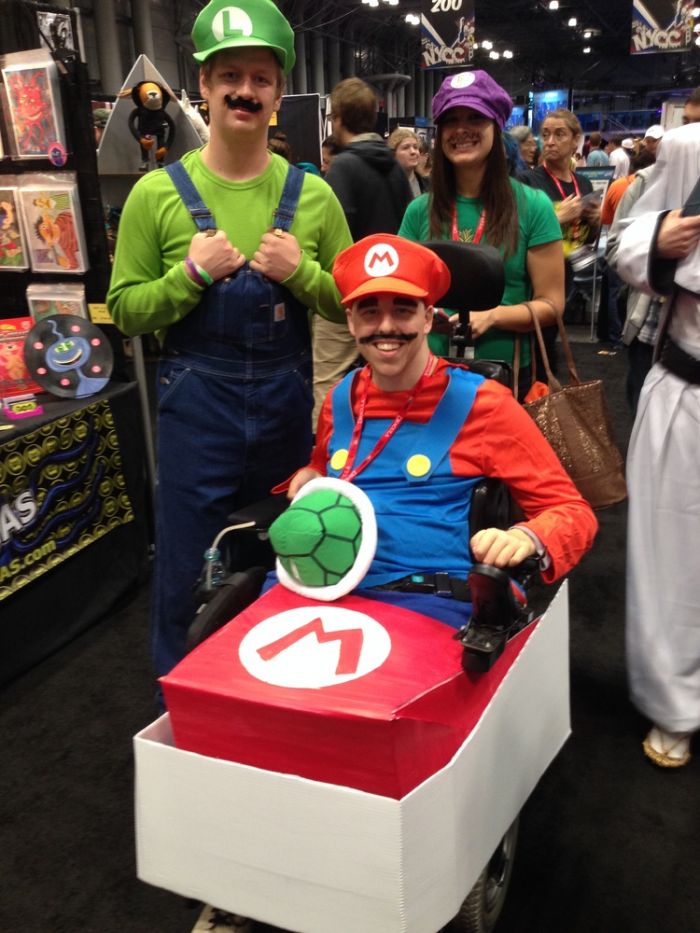
To look more like the characters they are portraying
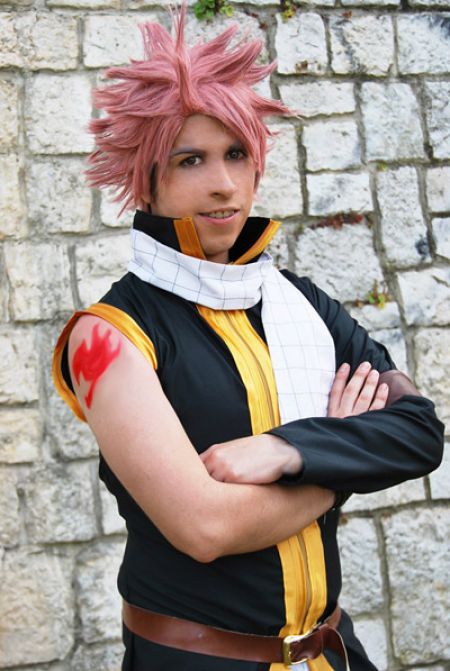
Cosplayers might also engage in various forms of body modification. Contact lenses that match the color of their characters' eyes are a common form of this, especially in the case of characters with particularly unique eyes as part of their trademark look. Contact lenses that make the pupil look enlarged to visually echo the large eyes of anime and manga characters are also used. Another form of body modification in which cosplayers engage is to copy any tattoos or special markings their character might have. Temporary tattoos, permanent marker, body paint, and in rare cases, permanent tattoos, are all methods used by cosplayers to achieve the desired look. Permanent and temporary hair dye, spray-in hair coloring, and specialized extreme styling products are all used by some cosplayers whose natural hair can achieve the desired hairstyle. It is also commonplace for them to shave off their eyebrows to gain a more accurate look.
advertisement
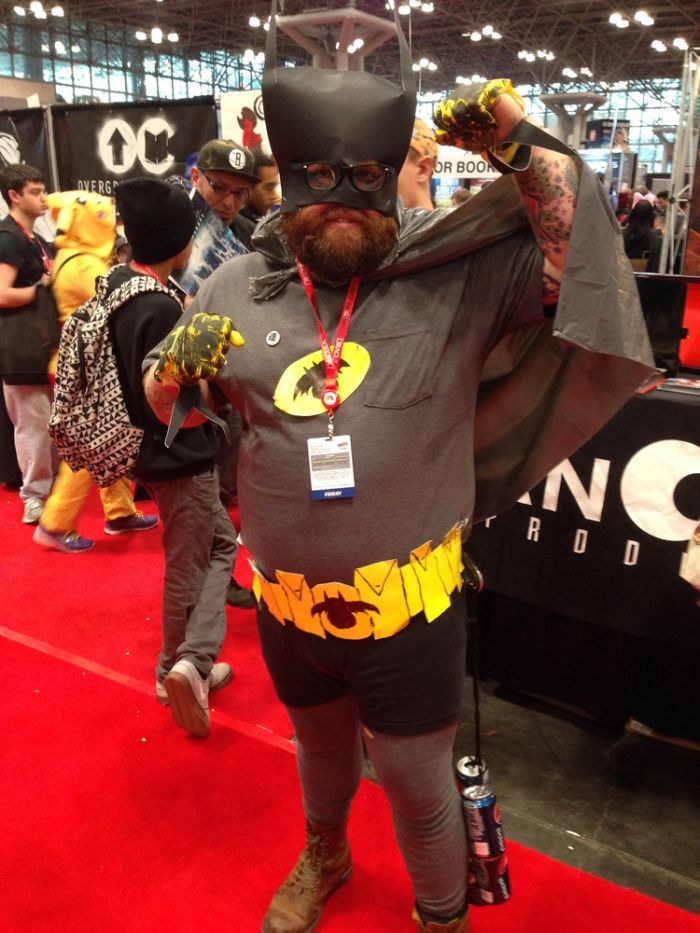
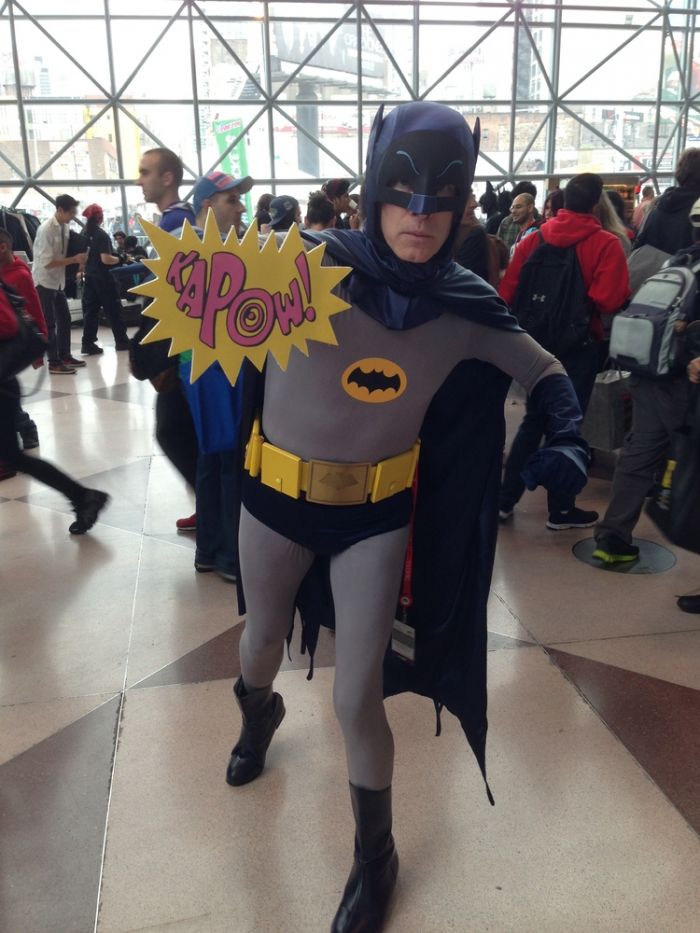
But you don’t need the fortune of Bruce Wayne to create an outfit
advertisement
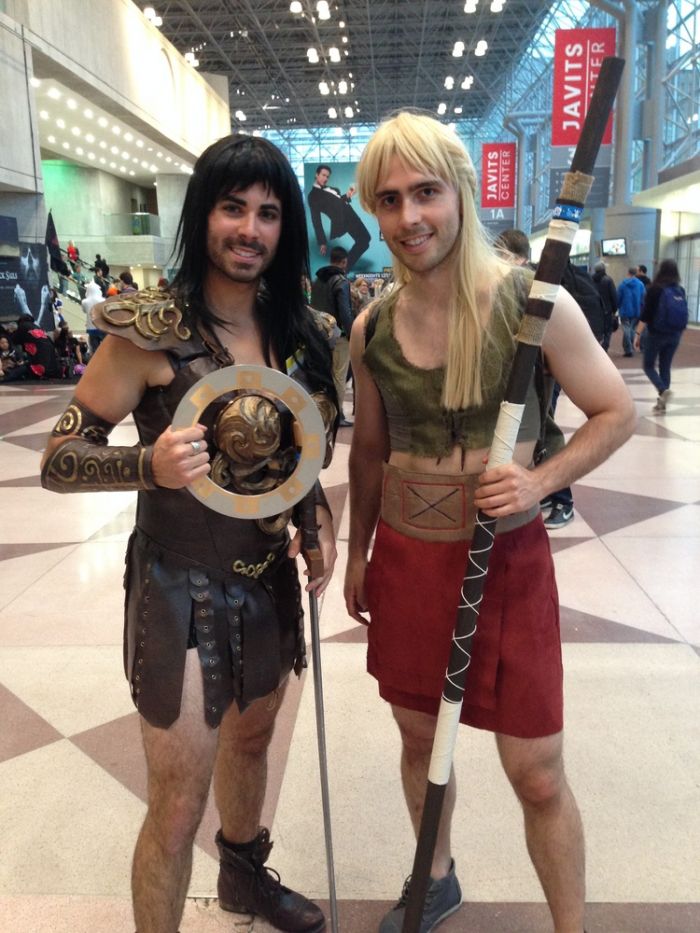
It’s a chance to stand out (not blend in)
advertisement
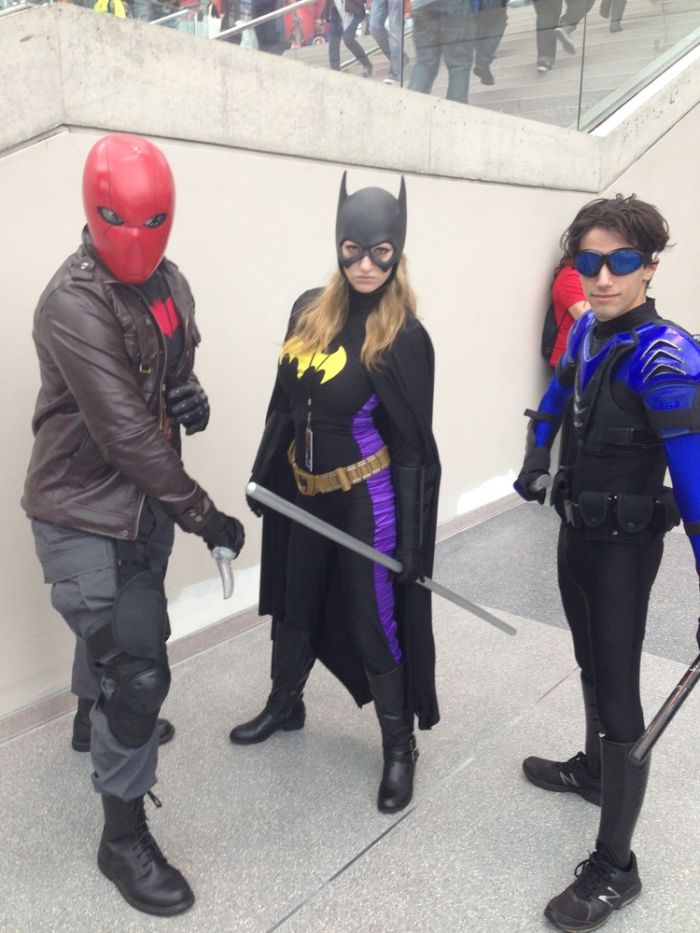
Because whether you’re in it for the photo ops
advertisement
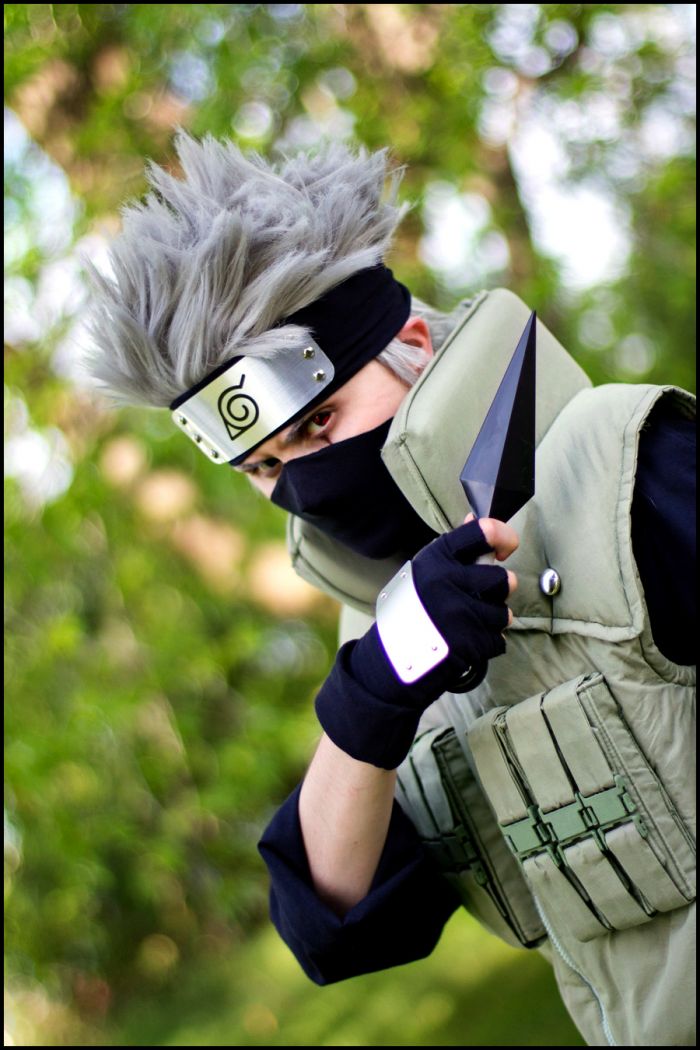
Or shameless selfies
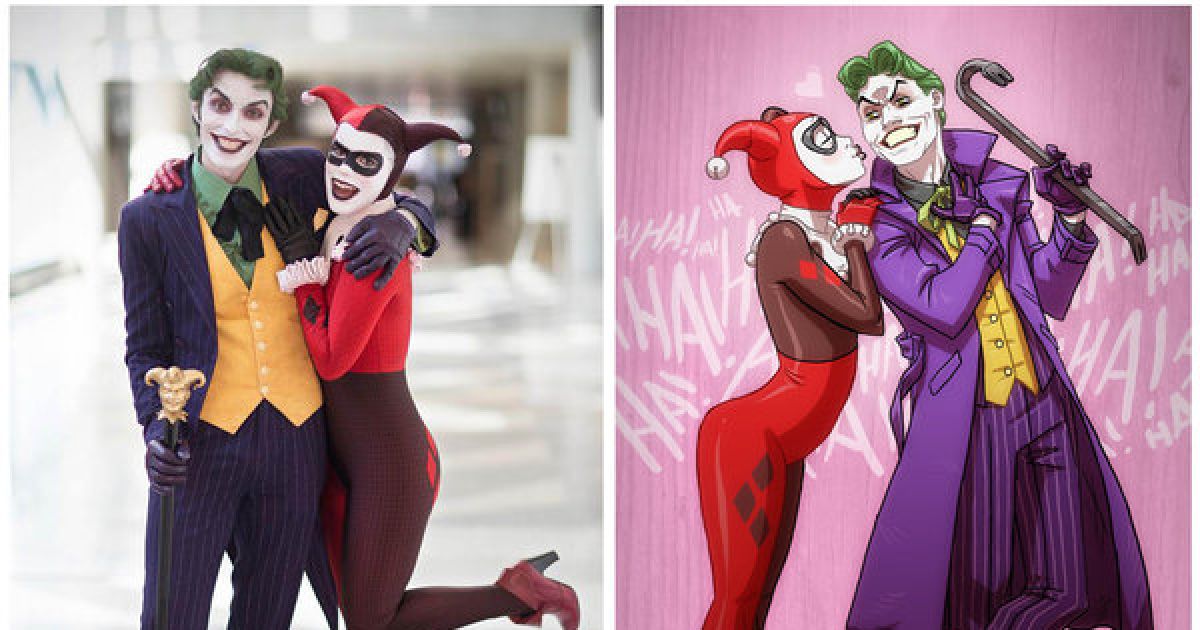
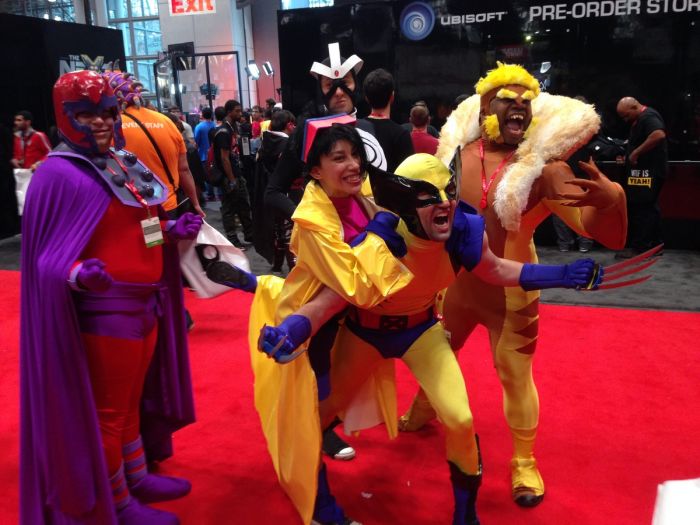
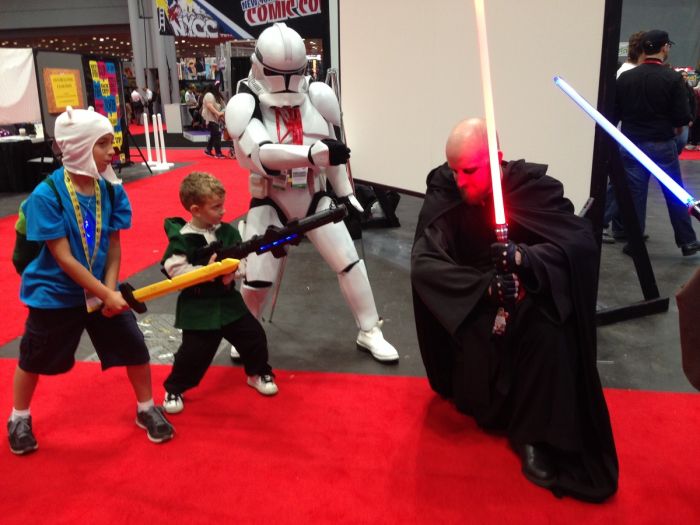
Even sworn enemies who tire of fighting can come together
advertisement
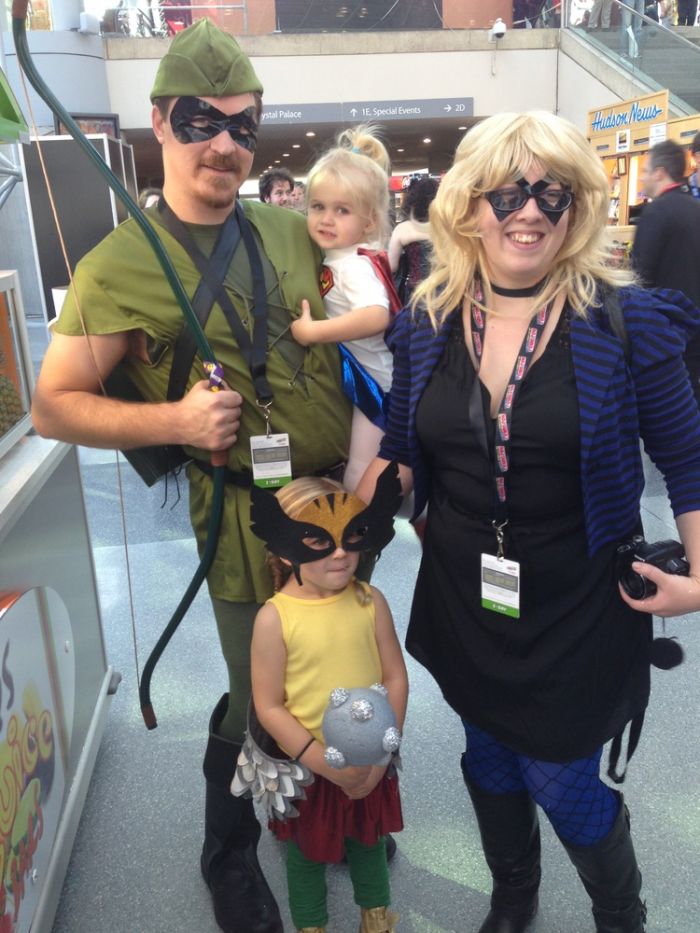
Because some were born to play certain characters
Because come time for your midlife crisis, copping a screen-accurate costume of your favorite childhood hero is still cheaper than buying a Porsche
advertisement
Because age is just a number, especially when you bring a gun to a sword fight
And while it might be easy to dismiss as the stuff of teenaged-boy fan service
advertisement
It’s really about going back in time
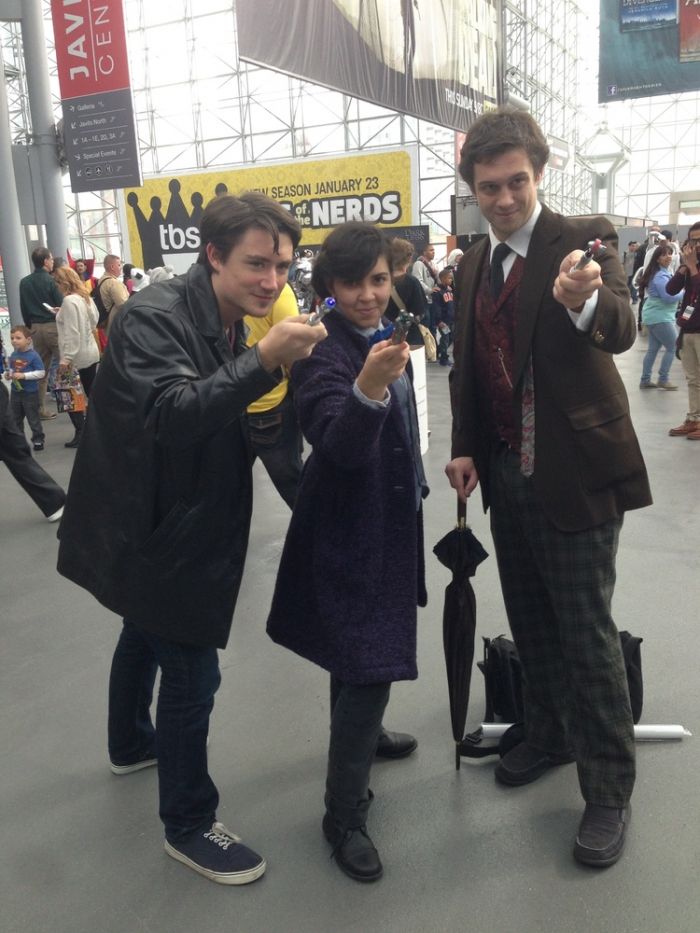
And celebrating what makes us different