Could Mouthwash Be Causing Your Bad Breath? Find Out Here.
Introduction
Bad breath is a big turnoff. People usually suffer from bad breath (or chronic halitosis as doctors call it), which usually originates from the tongue or gums. In this article, we will tell you how you can beat bad breath, but before that please take this quick and efficient DIY test to find out if you suffer from it.

Bad breath test
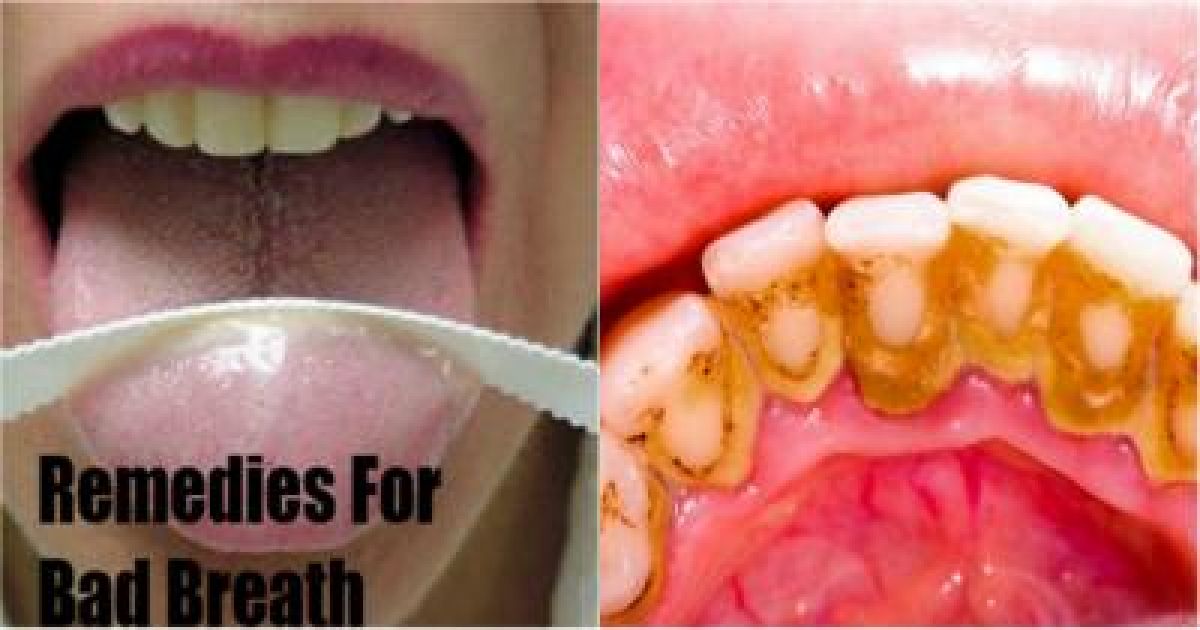
Begin by looking at your tongue in the mirror to check its color. A pink tongue is healthy, meaning no bad breath. But a white or yellow tongue means that you might need to clean your tongue. Next, lick the back of your hand and allow it to evaporate. If you have a bad breath, chances are that you would be able to smell it on your hand. You can also try breathing into a brown paper and sniff it.

Beating bad breath
If one of the tests above mentioned has established that you indeed have a bad breath, here are 10 tips and tricks to keep stinky breath at bay.
1. Brush your teeth twice daily
Brushing your teeth at least twice daily for about two or three minutes can remove food residue and plague. It is important to brush your teeth before going to bed. A great way to reduce the acidity in your mouth is to brush your teeth using baking soda. This also prevents bad breath causing bacteria from growing.

2. Floss daily
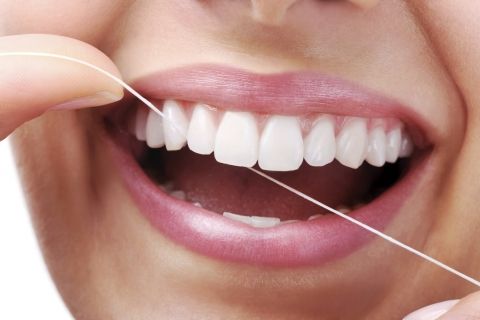
The plaque buildup in your teeth, which a toothbrush cannot get rid of, is often removed by flossing. If it is not removed, bad breath causing bacteria may start to feed on it.
3. Clean your tongue
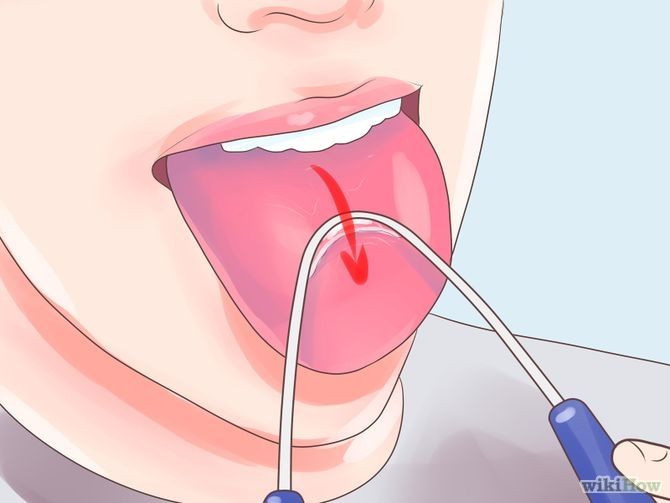
A tongue scraper is very effective in removing residue that builds up in the folds of the tongue and the taste buds.
4. Rinse your mouth
If your bad breath is caused by a dental issue, rinsing will only camouflage it, and not cure it. To freshen up your mouth, rinse it with green or black tea, which according to a study conducted by the University of Illinois at Chicago, suppresses the growth of bacteria that cause mouth odor. You can also try a quick rinse of a few drops of peppermint oil with water.

5. Go for dental checkups regularly
Good dental hygiene is essential to combat bad breath. Making frequent trips to your dentist is the best way to ensure good dental hygiene.

6. Avoid tobacco products and quit smoking
One of the main causes of bad breath is smoking. Tobacco products tend to dry your mouth up and leave behind a foul odor which tends to stay on long after you have brushed your teeth.

7. Drink plenty of water
Drink plenty of water, at least six to eight glasses a day, to combat dry mouth. Drinking water washes away bacteria and food particles, which are the main cause of bad breath. It also washes away the toxins in your system.

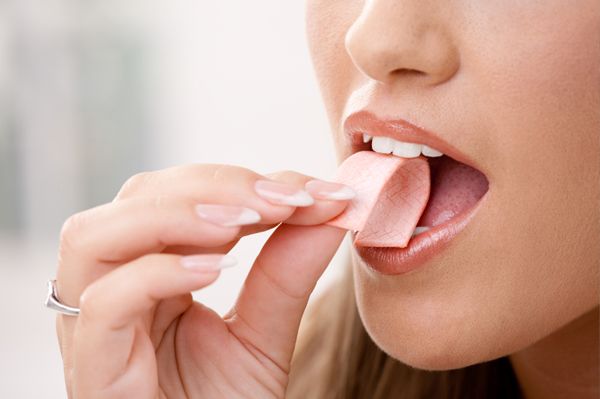
8. Chew sugarless gum or candy
Dry mouth can be combated by chewing some sugarless gum or sugarless candy to stimulate saliva flow. Saliva helps to wash away bacteria and food particles that cause bad breath.
9. Snack on an apple, celery or carrot
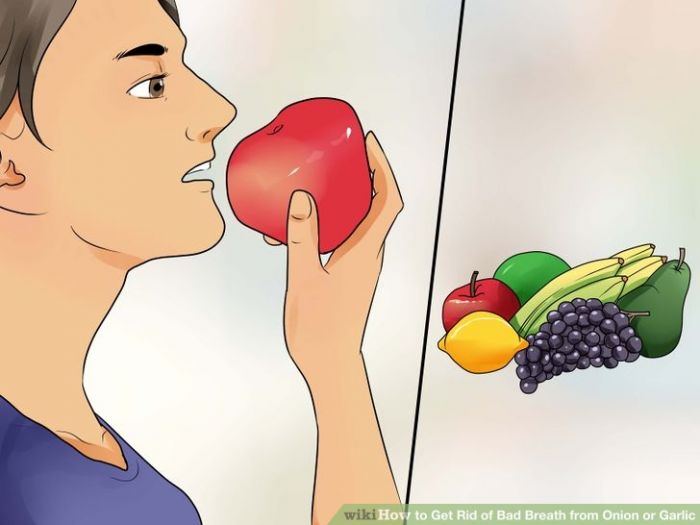
Snacking on fresh fruits and vegetables increase the flow of saliva in your mouth between meals ad gets rid of bacteria from your gums, tongue and teeth. Healthy snacks such as these keep bad breath caused by fasting or hunger at bay. Skipping meals can lead to acid buildup in the stomach, and therefore, lead to bad breath.

10. Eat right things
Parsley, cardamom and fennel have been known to have excellent success rates when it comes to fighting bad breath. Parsley contains chlorophyll, which is known to be a great breath deodorizer. Add some on your plate as a garnish or add a few sprigs to your juice every morning. Cardamom is a popular spice that Indians tend to use a lot in our cooking. It has antibacterial properties and has been used as a natural breath freshener for ages. It is high in cineole, which is a potent antiseptic that kills bacteria and eases bad breath. Ditch store-bought mint for cardamom seeds. Also try fennel seeds, which are yet another herbal remedy known to work on bad breath.
Next we tackle morning breath.
If there's one thing on this Earth that, on the face of it, makes no sense whatsoever, it's morning breath. How could the simple act of breathing in and out for eight hours during sleep cause such a momentous shift in oral aroma?
Well, the simple answer to that is ‘Reduced Saliva Function', which is a fancy term I've decided to coin that basically means when we sleep, our mouth produces a lot less saliva than when we're awake. Saliva is responsible for getting rid of the bacteria we naturally produce in our mouth, so when it's in short supply, that bacteria builds up and causes the bad breath we wake up to each day.
Perhaps you're not that bothered about the secrets to fresh morning breath but for the sake of everyone you have to speak to after having just woken up, read on anyway.

1. Don’t Eat Garlic or Onions
Yes, it's annoying if you enjoy eating any kind of food because garlic and/or onions can be found in the vast majority of savory dishes. But if you value fresh breath, you should at least try to avoid them, because the potent sulfur compounds in both foods are absorbed into the bloodstream and released when you exhale. Because of this, no amount of brushing or chewing gum can rid you of the odor, just mask it to an extent.

2. Don’t Skip a Brushing Session Before Bed
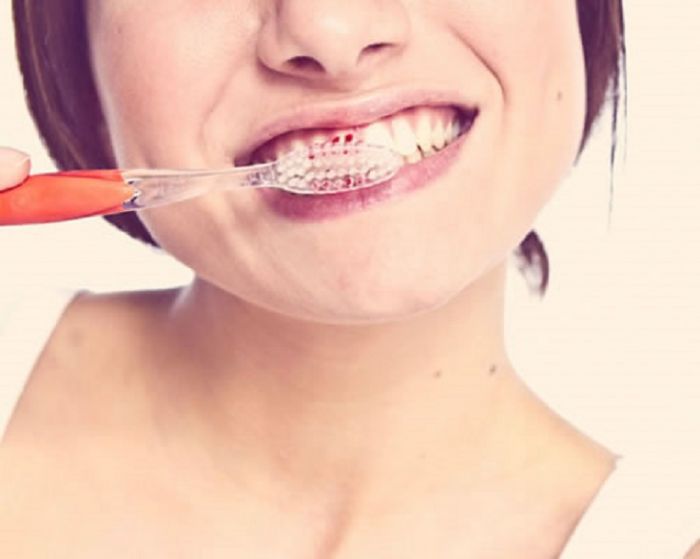
Your dentist told you to brush twice daily, right? We know the morning brush is to lather our mouths with minty freshness for the day ahead, but the evening brush is also for more than just your teeth. Without getting rid of the excess food in your mouth before you sleep, the bacteria that causes bad breath during the night has a major head start, and will turn your breath into a noxious gas come sunrise.
3. Don’t Drink Coffee or Alcohol
I know, having good breath is really starting to drag down all that's fun in life, isn't it? Both coffee and alcohol create a drying effect in the mouth, reducing saliva production and creating the perfect setting for fragrant bacteria to linger and multiply. A Friday night alcohol binge has the ability to repel anyone and everyone with its resultant morning breath, so maybe it is better to leave that one-night-stand at 4 am before you wake up next to them in the early afternoon.
4. Don’t Use Mouthwash After Every Brush
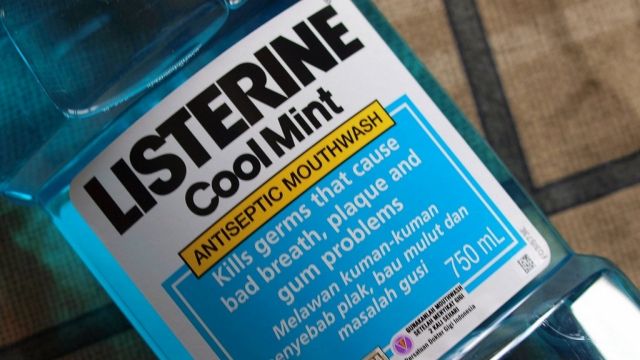
Mouthwash is a double-edged sword in the arsenal of oral hygiene. Sure, it makes your breath smell like mint, but it also dries out your mouth (especially the ones that contain alcohol) and as we already know, that's no good for keeping bad-smelling bacteria at bay. Using it in the morning is fine as our saliva can omit that dryness relatively quickly, but using it at night will keep your breath fresh for an hour and then serve to increase the rate at which the bacteria multiplies.
5. Don’t Sleep With Your Mouth Open
So this one's slightly more difficult to fix yourself because we all have our preferred way of sleeping but it will really help. The fast moving air that goes in and out of your mouth (otherwise known as breathing) whilst you're asleep causes dryness like a hair dryer and once again encourages bacteria to settle. Breathing through your nose means that the air skips your mouth and what little saliva there is has a better chance of moving the bacteria away.

6. Try Oil Pulling
Now, I say ‘try' oil pulling because it might not be the best option for the impatient ones among you. This fresh breath method originated in India around 3,000 years ago but the art is simple enough. Take a teaspoon of oil (coconut is recommended but sesame and sunflower work as well) and swish it around your mouth for 20 minutes yes, that's 20 minutes. Studies have shown that when the microorganisms in your mouth come into contact with oil, they adhere to it, and so get disposed of when you eventually spit the oil out.

7. Brush Your Tongue
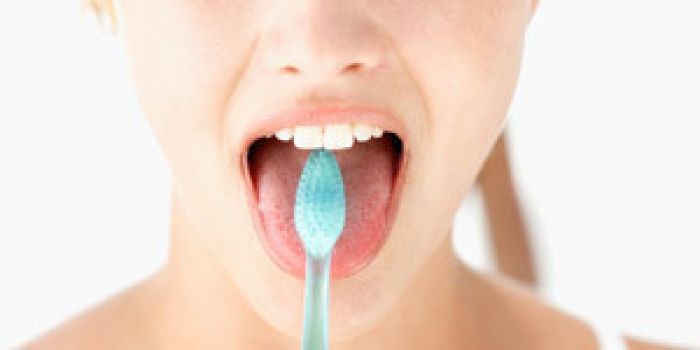
Yup, turns out this little idea wasn't just created for toothbrush manufacturers to flog us brand new gimmicks. Just like your teeth (and in fact your whole mouth) the tongue is a breeding ground of bacteria that causes bad breath, so if you don't brush it, they will multiply throughout the day and night. The good news is that a regular old toothbrush is more than capable of getting the job done although brushing too vigorously could damage your taste buds, so be careful!
8. Smell Your Floss
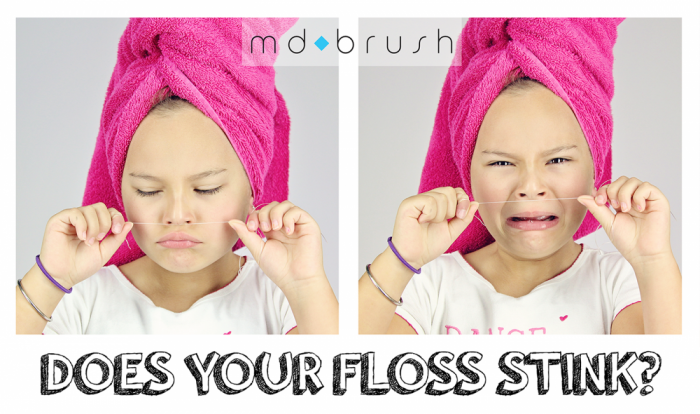
Ok, I know gross, right? But smelling your floss (after you've used it obviously) is a wonderful solution to that age old problem of telling whether you yourself have bad breath. This technique, brought to you by dentist John Woodall, DDS, dictates that if your floss smells bad or there is blood on it, there are foul odours in your mouth. If that is the case, then go through this list until that floss is smelling as fresh as a person with beautifully minty breath.
Conclusion
If you follow all the steps provided in this handy guide your breath will be minty fresh in no time. Do yourself and your loved ones a favor and give it a try.