Even some of the most mundane words can have delightful back stories. Here are some more common words and where they came from originally. Poppycock!

Crazy Unexpectedly Delightful Origins of 22 Common Words
By
Editorial Staff in
Facts
On 20th September 2015
advertisement
#1 SCHOOL
From Greek skhola, which meant leisure or spare time. What a luxury it was to just hang around and learn!

#2 COMPANION
From Latin com+panis, "together+bread." A companion is someone you share bread with.

advertisement
#3 SQUIRREL
From the Greek skia oura, or "shade tail." The big, fluffy tail of a squirrel makes a nice parasol.

#4 PERSON
From the word Persona meaning "mask". Originally pertains to theatrical masks, which has different characters in a play. The word mainly suggests that everyone is wearing a mask, that the outside appearance is not really what it appears to be.

advertisement
#5 SINISTER
From the Latin word Sinistra meaning Left. Why is the word "left" so attached to such a sinister meaning? Well, centuries ago, being left-handed is frowned upon by many people. They attribute the rare case of left-handedness to the works of EVIL. This is true across several religions and traditions.
Currently, it is estimated that 10% of the world's population is left-handed. So many evil people!

advertisement
#6 WINDOW
From Old Norse vindauga for "wind eye." It won out over other old words meaning "eye hole" and "eye door."

advertisement
#7 EAVESDROP
From the Old English term for the line around a house where rain would drip down from the roof. It came to represent the activity of standing within the eavesdrop in order to spy on what the neighbors were up to.

advertisement
#8 MUSCLES
From Latin musculus for "little mouse." A rippling muscle can sometimes look like a little mouse running around under the skin.

advertisement
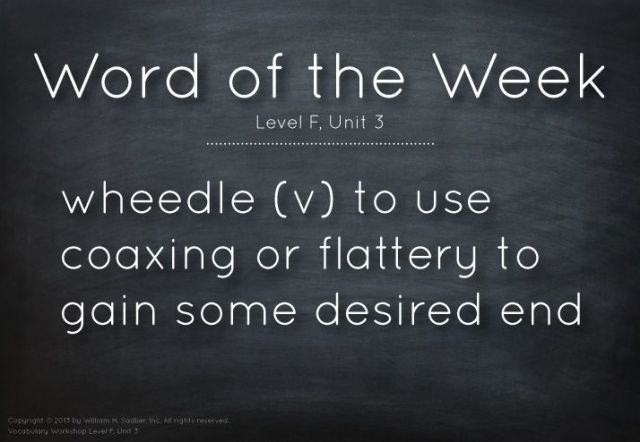
#9 WHEEDLE
From the German wedeln for tail wagging. Dogs know that the best way to wheedle something out of you is to adorably wag that tail.
advertisement
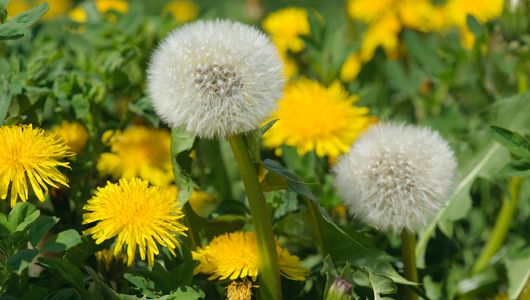
#10 DANDELION
From French dent de lion, "tooth of the lion," for the jagged outline of the flower petals.
advertisement
#11 DISASTER
Dis meaning bad and Aster meaning Star. Put them together and you get "Bad Star". Who are the people that speaks of disasters to come? The oracles and astrologers! By looking at the stars they can tell whether the planetary and stars' alignment mean trouble or fortune.

advertisement
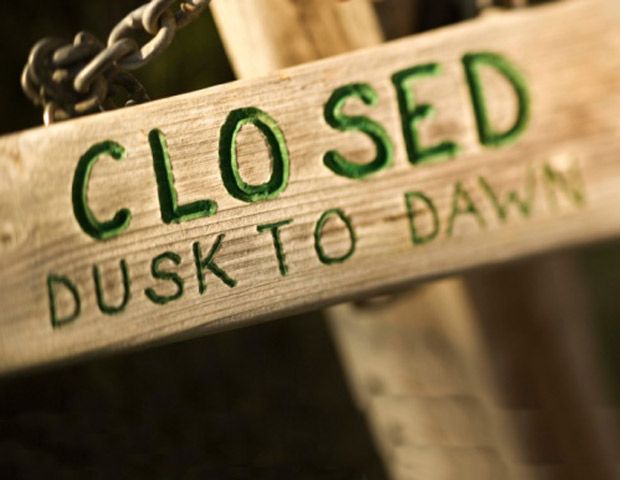
#12 CURFEW
From French couvre feu for "cover fire." In medieval Europe there were fire safety regulations under which a bell would ring in the evening when it was time to extinguish fires and go to sleep.
#13 ASTRONAUT
Formed from the Greek roots for star (astro-) and sailor (nautes). An astronaut sails among the stars.

advertisement
#14 FLAIR
From Latin flagrare, an altered form of fragare, "to smell" (related to "fragrant"). A flair for something is a bit of extra perceptiveness, an ability to catch the scent. Today someone with flair is artistic or "hip" to new trends.

#15 HOWDY
A friendly shortening of the more formal "how do ye?" or "how do you do?" Normally used in the US Southern area, it was a catchphrase for Minnie Pearl and Buffalo Bill back in the 1940's - 60's.

advertisement
#16 CUSHY
From the Hindi khush for pleasant or happy.

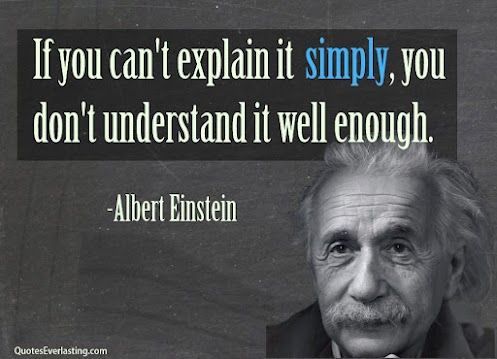
#17 EXPLAIN
From the Latin explanare for "smooth out, flatten, or make planar." A good explanation will make the rough, pointy bits easier to understand.
advertisement
#18 DAISY
From Old English daeges eage, meaning "day's eye." A daisy opens with the day and closes at night.

#19 GOODBYE
Goodbye is a contraction of the phrase "God be with you". Similar instances of attributing a farewell term with God can be seen in Spanish, Adios.

advertisement
#20 CEREAL
Derived from the Roman goddess Ceres, the goddess of agriculture and crops. So, the next time you eat your Coco Crunch be sure to thank Ceres!

#21 FORTNIGHT
Fourteen nights. Two weeks.
Commonly seen on books like A Song of Ice and Fire and Lord of The Rings. There are many instances of contracted words like this, such as beyond from be yonder and breakfast from break your fast.

advertisement
#22 CHEMISTRY
From the Arabic word Al-kimiya which was derived from the Greek word Chemia. Before the chemists there were the alchemists, and over the years the word and concept shifted from occultism to science.