

Early animal and laboratory results suggest creatine may strengthen parts of the immune response used against cancer, though human trials are still needed.
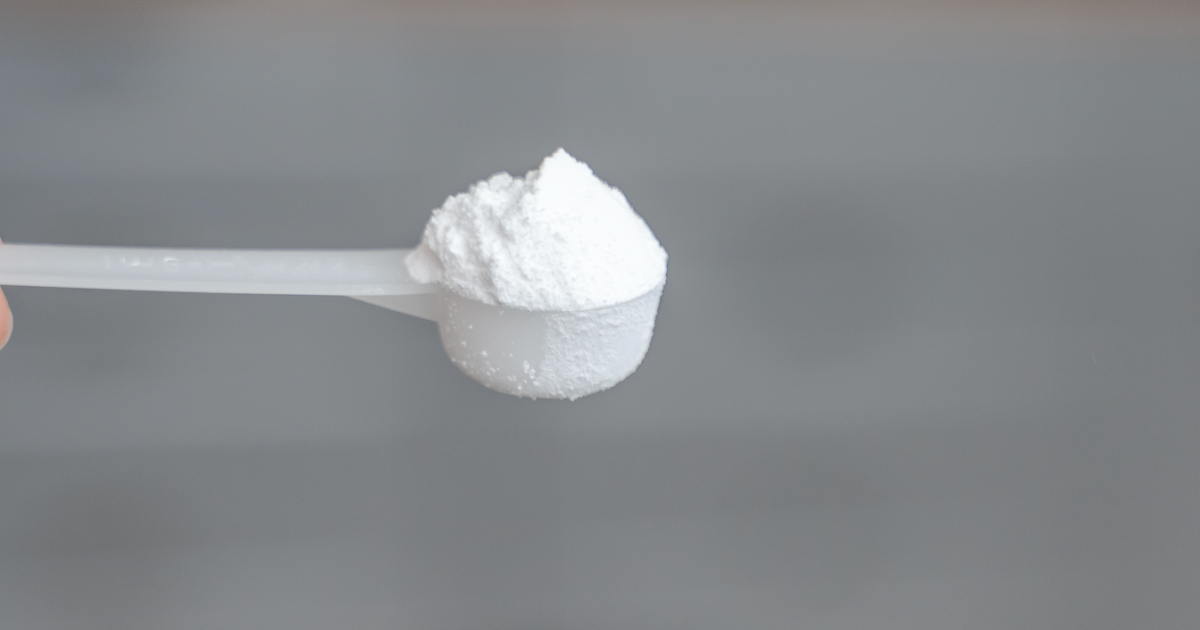
Creatine Could Support Cancer-Fighting Immune Cells, Early Study Suggests
By
maks in
Science and Technology
On 15th July 2026
advertisement
Creatine is best known as a gym supplement, but early findings suggest it may also help the body organize an immune response against cancer. The research looked beyond muscle growth to study how immune cells use creatine while responding to tumors.
The supplement is already one of the most popular options for people trying to improve strength and muscle growth. Researchers from the University of California, Los Angeles now say it may also give important immune cells more energy as they work against cancer.
The study focused on dendritic cells. These specialized cells detect signs of a tumor and help direct other parts of the immune system toward it. Rather than working alone, they act as coordinators that guide cancer-fighting T cells and help keep the response active.
"Immunotherapy has shown remarkable promise, but it only works for a subset of patients," said Professor Lili Yang, the study's senior author. Her point reflects one of the main limits of current immunotherapy: it can produce strong results, but many patients receive little or no benefit.
Yang explained that creatine appeared to support more than one part of the immune response: "What this study shows is that creatine doesn't just help the T cells fighting cancer -- it also energizes the entire infrastructure supports and guides them. "
She added, "That makes creatine a promising supplement to holistically support the immune response that modern immunotherapies depend on." The finding suggests that creatine may help the cells that identify a threat as well as the T cells that carry out the attack.
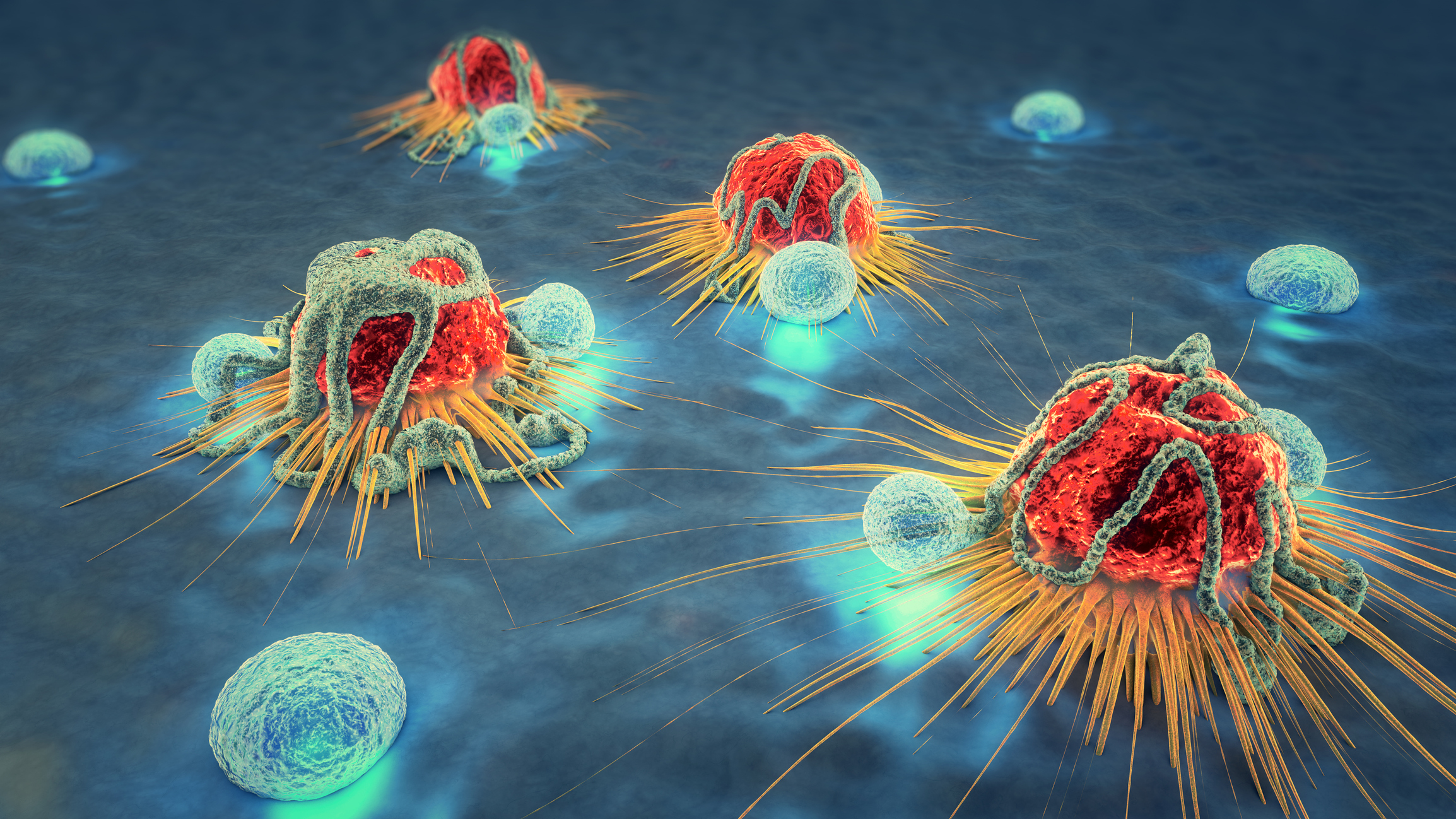
Studies indicated that creatine helped boost the cells used to attack cancer
Getty Stock Photo
advertisement
Many modern cancer treatments try to activate so-called 'killer T cells'. These immune cells move through the body, identify abnormal cells, and destroy those they recognize as cancerous.
Immunotherapy can help those T cells find and attack tumors, but it does not bring a meaningful benefit to every patient. The UCLA team found that creatine may support the network of cells that prepares and directs that response, which could make it useful alongside some forms of cancer treatment.
In experiments involving mice, creatine slowed tumor growth. The researchers also tested it on human immune cells in the laboratory and found signs that the supplement helped those cells as well. The results support more testing, but they do not yet prove that taking creatine improves cancer outcomes in people.
"The potential we see here is that creatine could be used in two complementary ways: as a supplement to enhance the immune response of patients already receiving immunotherapy, and as a tool to improve the quality of dendritic cell-based vaccines before they're administered," said study co-author James Elsten-Brown.
The first possible use would involve giving creatine as a supplement to patients who already receive immunotherapy. The second would involve using it while preparing dendritic cell-based vaccines, with the goal of improving those cells before doctors administer them.
Both ideas remain at an early research stage. Scientists would still need clinical trials to learn whether the effects seen in mice and laboratory cells also happen in patients, which doses work best, and whether creatine adds a real benefit to existing care.

Further tests would need to be done but creatine appears to help boost immunotherapy treatments
Getty Stock Photo
advertisement
Why the cancer findings are promising but still early
Results from mice and isolated human cells can help researchers decide which treatments deserve further study. They cannot show on their own that the same approach will safely slow a person's cancer or improve survival.
Creatine should not be treated as a cure or used in place of surgery, chemotherapy, radiation, immunotherapy, or any other treatment recommended by an oncology team. The new work looks at whether it could support existing treatment, not replace it.
Future studies will also need to examine which cancers respond, which patients may benefit, and whether creatine interacts with other medicines. Anyone receiving cancer care should speak with their medical team before adding a supplement, even one that is easy to buy without a prescription.
advertisement
How creatine supports muscle energy
The body makes about half of the creatine it normally uses, while food supplies much of the rest. People who take extra creatine as a supplement often do so because it can support strength, training performance, and muscle growth.
Most stored creatine sits in skeletal muscle. There, it combines with phosphoric acid to form 'phosphocreatine'. That stored compound helps the body quickly rebuild adenosine triphosphate, or ATP, which muscles use for energy during short and intense exercise.
Having more energy available can help a person complete harder sets or maintain effort for longer. Creatine also supports the muscle cells involved in repairing tissue after training, when small tears formed during exercise are rebuilt stronger.
advertisement
Better energy during training and improved repair afterward can make it easier to build muscle mass over time. Creatine does not create muscle without exercise, but it may help a person get more from a steady resistance-training routine.
The supplement has also been linked with changes in growth-related hormones and an increase in the amount of water held inside muscle cells. That added water may help some people experience fewer cramps while also making the muscles feel fuller.
This water retention can give muscles a 'bigger' appearance before a person has built a large amount of new tissue. It may also cause a small rise on the scale, which is often water weight rather than body fat.

Creatine has a number of benefits, otherwise people wouldn't take it so much, but there are also some side effects
Getty Stock Photo
advertisement
What researchers are studying in the brain
Muscle cells are not the only parts of the body that need a steady supply of energy. Studies have also examined whether creatine can support the brain, especially when energy demand rises or sleep and illness place the body under stress.
Research has suggested possible links with slower cognitive decline and reduced fatigue. Those effects have also led scientists to examine whether creatine could help people dealing with the lasting tiredness and mental strain reported with long COVID.
A study published in Scientific Reports found that a dose of creatine helped the brain cope with sleep deprivation. Another paper reported that it may 'reduce inflammation and oxidative stress, which can affect the brain'.
advertisement
Scott Forbes, PhD, has said creatine could 'reduce the risk of depression and anxiety' and may have a 'neuroprotective' effect. Research into those uses continues, and the strength of the evidence is not the same for every condition.
Creatine has also been studied for a possible link with a lower risk of certain cancers. One theory is that a stronger and better-supplied immune system may be more capable of responding to abnormal cells before they develop further, though that does not prove the supplement prevents cancer.
Scientists are therefore examining creatine as more than a muscle product. Its possible effects on brain energy, fatigue, immunity, and cell function have made it a subject of wider medical research, but several of those uses still need stronger human evidence.
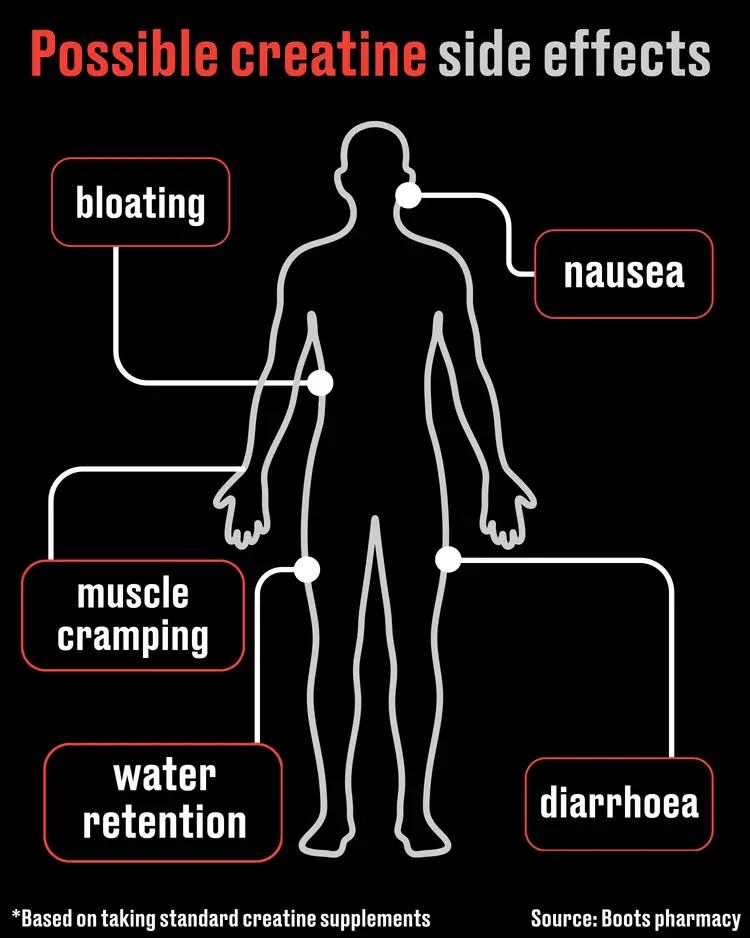
There are some recorded side effects to creatine
LADbible
advertisement
Creatine side effects and safety questions
The supplement's benefits for muscle growth are well known, and its popularity among gym-goers continues to rise. Even so, taking more than the recommended amount does not guarantee better results and may make side effects more likely.
Doctors have warned that overusing creatine powders, fortified snacks, and other supplements may upset the digestive system and contribute to gut inflammation. Large amounts taken at once can also be harder for some people to tolerate.
Some studies have raised concerns about possible kidney damage after researchers found increased markers linked with kidney problems in urine. Those results need careful interpretation because creatine use can also affect creatinine, a waste product commonly measured during kidney tests.
advertisement
Creatine can also cause bloating because it draws more water into muscle cells. For some users, that leads to a short period of uncomfortable fullness, a heavier feeling, or a quick increase on the scale.
The effect is often most noticeable when someone begins with a large loading dose. Taking a smaller amount and following the product directions may be easier on the stomach, though people can respond to the same dose in different ways.
Anyone with kidney concerns, an ongoing medical condition, or active cancer treatment should check with a doctor before taking creatine. The new cancer study gives researchers a reason to keep investigating the supplement, but it does not make self-treatment safe or replace advice from a medical professional.