Hundreds of utopian communities sprung up in the 19th century and they all failed, for a combination of perfectly predictable and perfectly strange reasons.
Creating A Real Utopia Is Easier Said Than Done. Just Look At These 19th Century Examples.
By
Michael Avery in
History
On 14th September 2015
advertisement
New Harmony—1825-1829
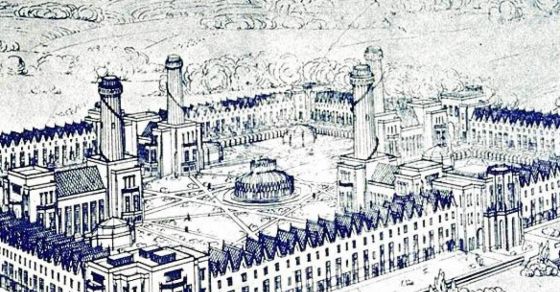
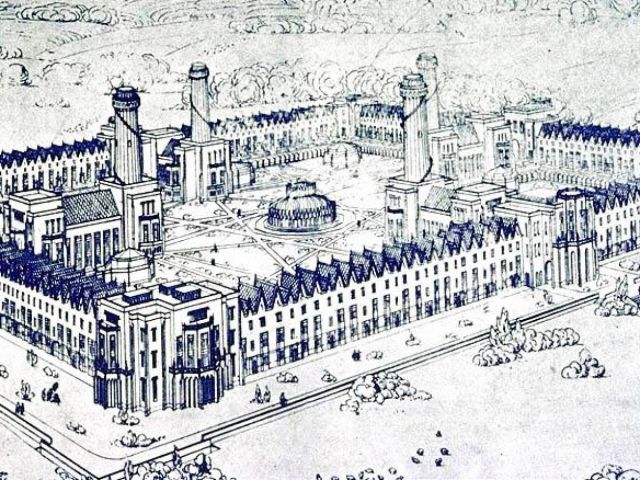
Robert Owen made his fortune in Scotland running textile mills. He travelled to the United States to found a town and implement his vision for a "new moral world." Owen believed happiness, enlightenment, and wealth would come from education and communal living. Owen purchased a town in Indiana and renamed it New Harmony. Soon idealistic people were joining the town, along with a large group of free-loaders. Owen left his son William in charge of the town, while he went out to recruit more people to move. The town began failing almost from the start, and the socialist community only lasted two years. It was completely dissolved two years after that.
Why New Harmony Failed
When hundreds of free-loaders join your utopian socialist community, bad things are bound to happen. Robert Owen only lived in New Harmony for a few months out if its two-year existence and the town lacked the strong leader it needed. While the town adopted two constitutions over the course of its life, there was never a clear explanation of how New Harmony would function on a day-to-day basis. Owen also tried to bring too much of upper-class Europe to frontier America. He antagonized religion and failed at gaining investment from rich donors. Ultimately, no one in New Harmony could agree how to work togetherthe whole point of a collective community.
advertisement
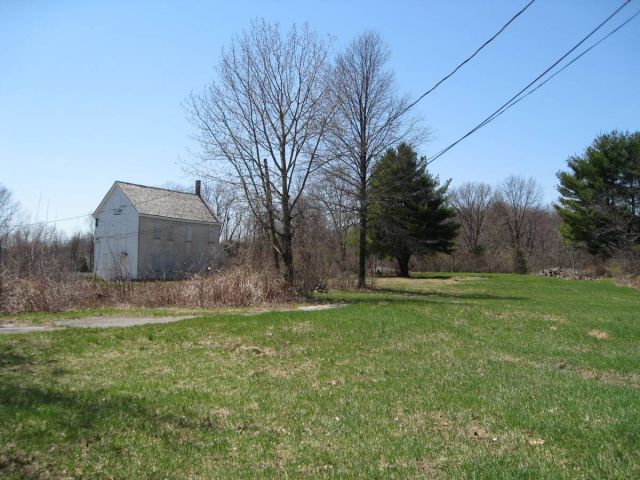
Brook Farm—1841-1846
Brook Farm was founded in Massachusetts as a joint stock company. People who joined the utopian experiment believed that by performing an equal share of the work and getting an equal share of the profits they would have more leisure time to follow other pursuits. Every member was free to do any job he or she wanted to do. The community would make money through farming, selling handmade products, and tuition from its school. Money was always tight, and when a fire destroyed a massive new collective residence the community was building, it dissolved.
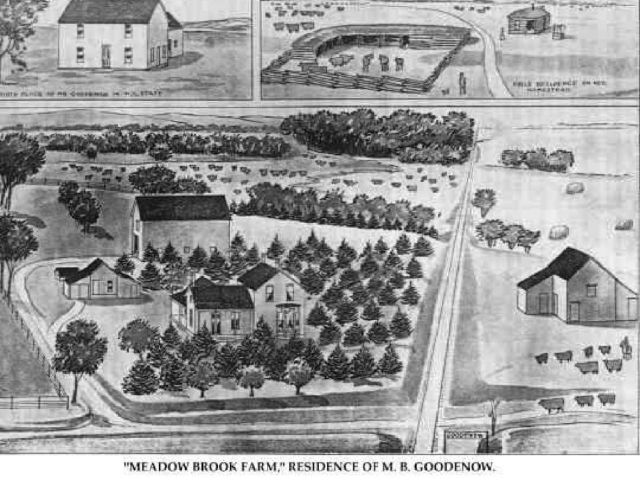
Why Brook Farm Failed
The true problems began when the founder of Brook Farm, George Ripley, adopted the socialist teachings of French philosopher Charles Fourier. The main teaching was that the younger members of the community needed to do the most difficult work, like slaughtering animals and repairing roads. Naturally, young people thought this was unfair and started leaving. At the same time members started building a large "phalanstery"a building designed by Fourier intended to replace the traditional house. The phalanstery at Brook Farm was uninsured, and it was destroyed in a fire soon after its construction. An outbreak of smallpox was the final nail in the coffin.
advertisement
Fruitlands—1843-1844
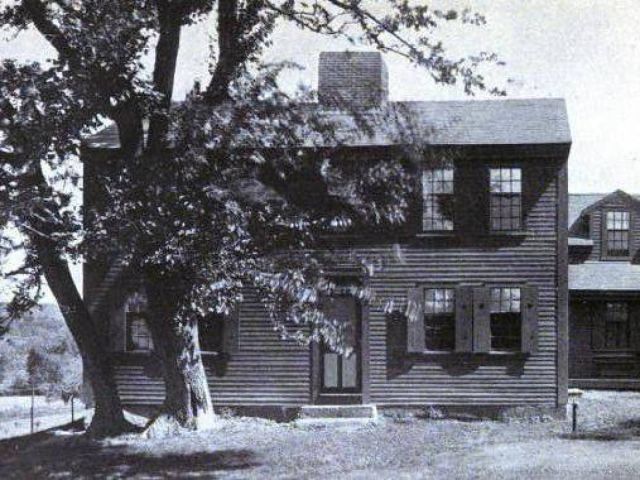
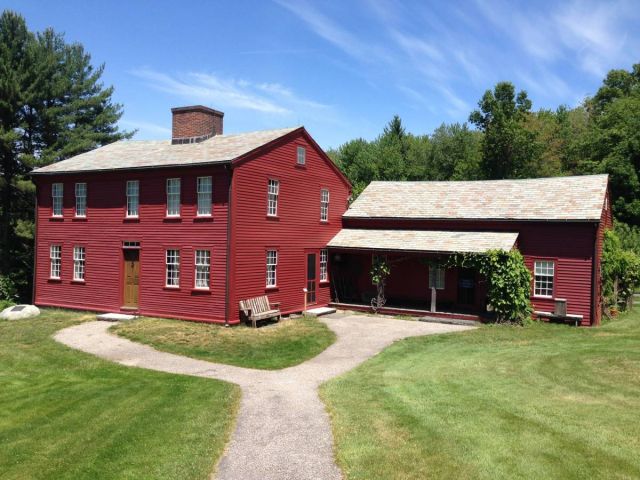
Bronson Alcott and Charles Lane visited Brook Farm and thought it was a great ideathere just weren't enough rules. With their families they started Fruitlands, a self-sufficient farming community that promoted strict vegetarianism, forbid the use of any animal labor, and even encouraged celibacy within marriage. The male members found work of any sort "spiritually inhibiting," leaving the women and children to maintain the farm. By the time winter set in, the diet of fruits and grains left everyone malnourished. The community collapsed in January, only seven months after it had been founded.
advertisement
Why Fruitlands Failed
Bronson Alcott and Charles Lane thought it would be a great idea to found a utopian farming community, except they had no farming experience. Their approach toward animals was especially crazy. The farm couldn't use animal products of any kind, like wool, honey, or manure. Only vegetables and grains that grew above the soil could be planted, so worms wouldn't be disturbed. Now it makes perfect sense why everyone was starving in just a few months.
advertisement
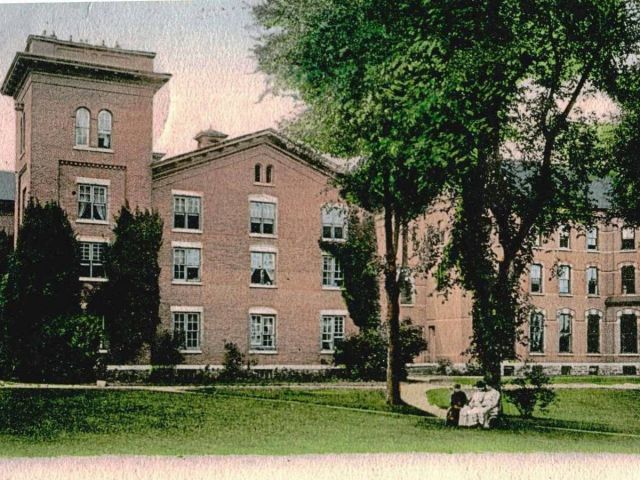
The Oneida Community—1848-1881
The Oneida Community was easily the most successful of the 19th century utopian organizations, but it too ended in strife. John Humphrey Noyes founded his group on the basis of communalism. Everything was communalfrom property to sexual partners. The men and women at Oneida practiced "complex marriage," where anyone was free to have sex with anyone else. Oneida grew from 87 founding members to 300 at its peak, but once the founding generation grew older, the descendants didn't want to live communally anymore. Oneida dissolved in 1881, but it did live on as the silverware manufacturer Oneida Limited.
advertisement
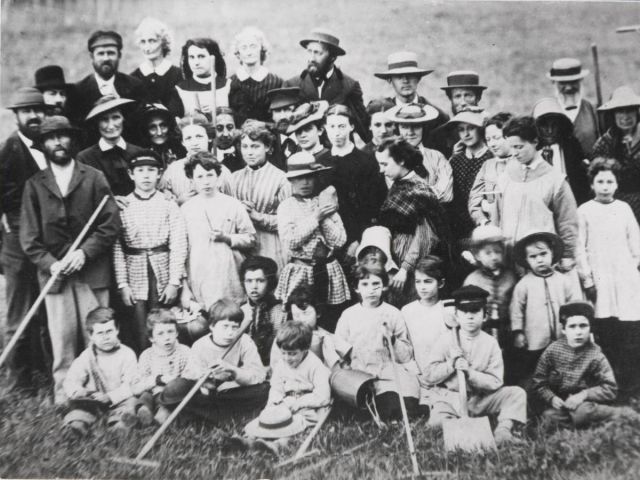
Why The Oneida Community Failed
Founder John Humphrey Noyes attempted to pass leadership of Oneida on to his son, Theodore, but Theodore proved to be an ineffective leader. There was also debate inside and outside the community about sex and complex marriage. Members disagreed about when children should lose their virginity and who they could have sex with, and whether complex marriage was even an appropriate practice. Fearing he would be arrested for statutory rape, Noyes fled the community in 1879 for Canada and recommended complex marriage be abandoned. Once it was, Oneida members partnered up, married and left the community.
advertisement
Octagon City—1856-1857
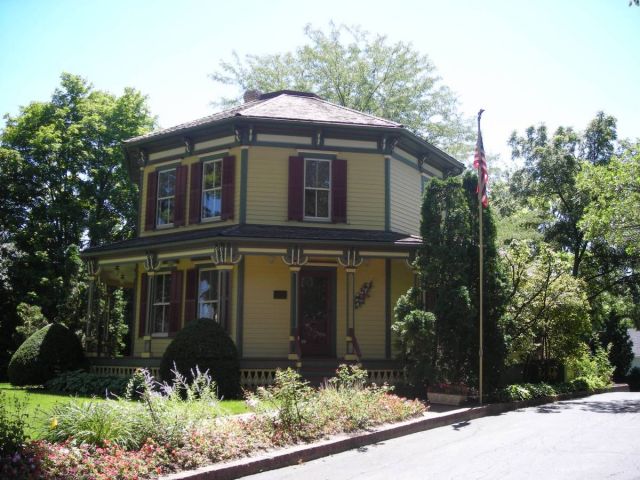
According to phrenologist Orson Squire Fowler, it was most practical to build a home in the shape of an octagon, because more light could enter compared to a square building. Inspired by this theory, vegetarian Henry Clubb founded an entire community In the wilds of Kansas based on the octagon. Eight roads would radiate out from an eight-sided town square, and 64 families would build octagonal houses and barns. Clubb wanted Octagon City to be for vegetarians only, but it soon became a "moral community" for all. Octagon City started with about 100 settlers, but that number had dropped to 4 by the following year.

advertisement
Why Octagon City Failed
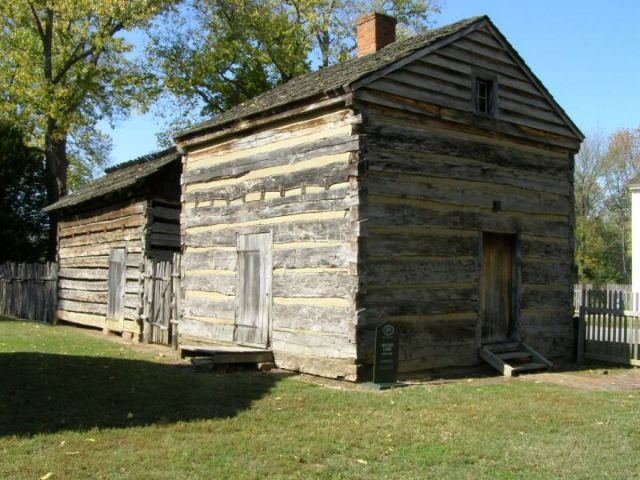
Settlers arrived at Clubb's "city" expecting to see a thriving town with a sawmill. Instead they found one windowless log cabin, one plow, and newly arrived families living in tents. Things progressively got worse. The spring dried up so there was no reliable fresh water, the local Native Americans stole the settlers' crops, people were frequently getting sick from malaria, and severe thunderstorms were a constant problem. There aren't even any ruins of Octagon City that survived to the present day. Fowler's legacy is a few octagonal houses, built by other followers across the country, that are still standing.