With the continual advancements in aerospace technology, it's hard to keep up with all the amazing things planes today are capable of doing (and withstanding).It’s hard to surprise an experienced traveller, but there are still some things you’ve probably never thought of.Here are some things airline workers won't tell you.
Curious Things On Airplanes You Probably Never Knew About
By
Sughra Hafeez in
Facts
On 10th June 2017
advertisement
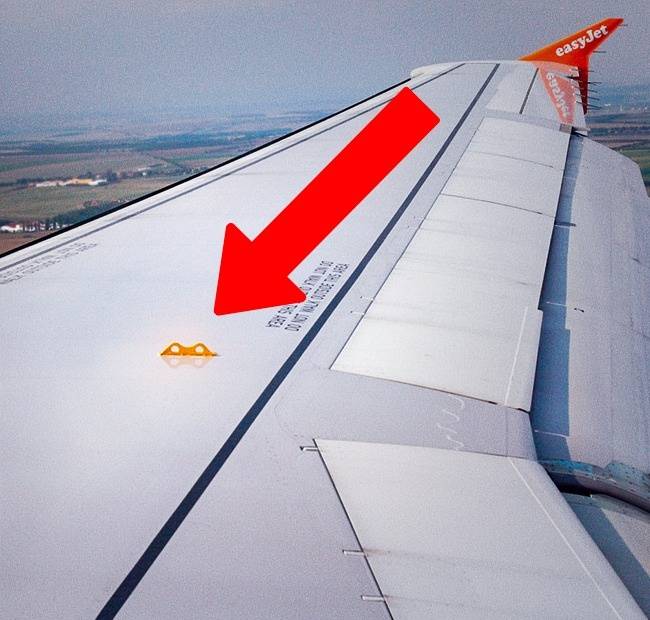
#1 Hooks on the wings
The use of overwing exits in a ditching varies from airline to airline. On aircraft fitted with overwing exits, there is typically a raised escape rope bracket (about a third of the way from the door) attached to the wing's upper surface and typically painted yellow. This is accompanied by an escape rope found in the frame of the exit after opening the hatch. Once this rope is attached to the escape rope bracket, it will aid passenger evacuation onto the wing to await rescue or to enter the water (depending on the airline's procedures). On aircraft with life rafts to be launched via the overwing exit, the wing will be used to provide a boarding platform onto the life raft. On certain regional aircraft, the overwing exits are the only escape route in the event of a ditching.
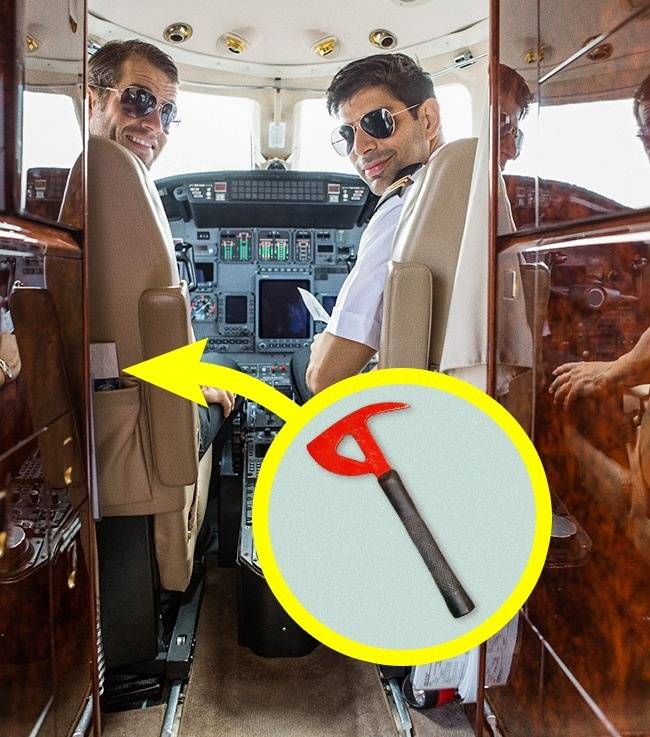
#2 An axe in the cockpit
According to Ogursky, axes are kept in the cockpit, and in the case of Flight 9525 the cockpit door had been locked by the co-pilot, and therefore the axe would have been out of reach of the pilot. According to many countries’ laws (such as the USA), an axe is a piece of emergency equipment and must be stored in the cockpit.An axe can help contain a fire, open a stuck door, or even hack a new one — there are markings on the fuselage that show the best place to make an emergency exit.In the past axes were commonly carried as part of an aircraft's fire fighting equipment.
advertisement
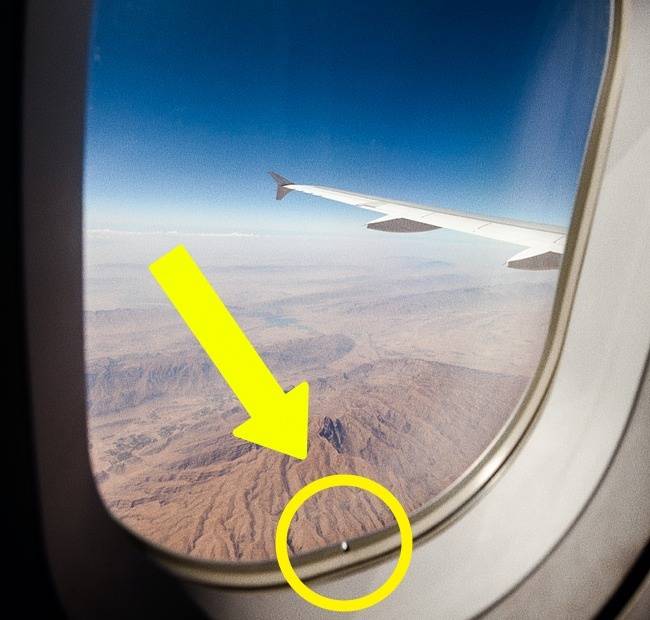
#3 Tiny Hole in Airplane Windows
These tiny window holes are actually called 'bleed holes', and they're wedged between two other panes of acrylic material, meaning that when you look through an airplane window, you’re actually peering through three different panes.The first of these panes – the one you can touch and dirty up with fingerprints – is called a scratch pane. The middle pane is the one with the bleed hole, and the whole system is completed by the outer pane - the most important one since it protects you from the pressure difference outside.
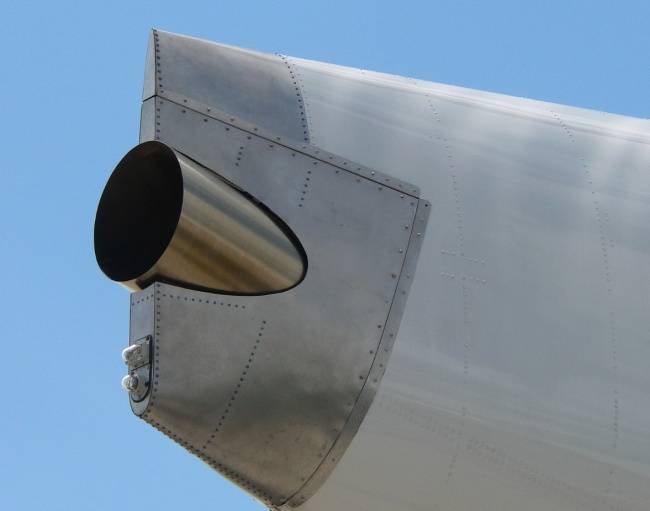
#4 An auxiliary power unit
When boarding the plane, we always hear a noise even though the engines aren’t working yet. It is caused by an APU that provides power for the systems while the engines are out. The APU is a small jet engine that is used to start the larger jet engines. In airliners, it's usually at the very rear of the aircraft, below the tail.
It provides cabin air and electric power before the engines are started (saving battery power).
It provides an emergency source of electric power in the event of engine failure.
It can start the aircraft engines mid-flight in an emergency.
advertisement
#5 Air Marshal Service
Air Marshals fly incognito and can quiet down a troublemaker or even disarm a terrorist. The USA, France, Canada, and other countries have their own Air Marshal Services, and there’s even a movie about their work.

advertisement
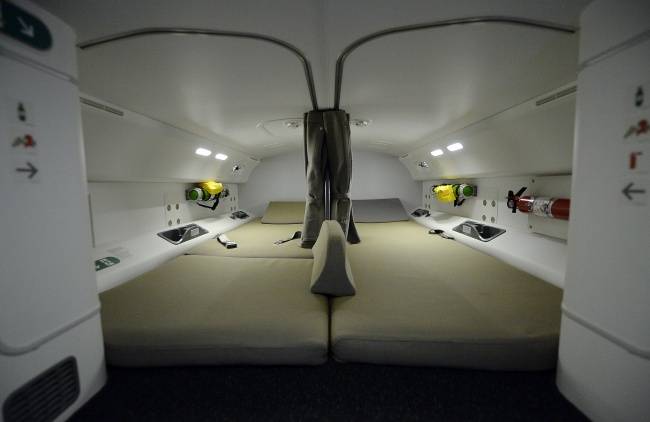
#6 Crew rest compartments
Some airplanes have small hidden rooms for the cabin crew where they can relax during lengthy flights. The hidden areas where cabin crews rest when not pacing up and down plane aisles have been revealed in a series of fascinating photos.
The sleeping areas, known as Crew Rest Compartments (CRC), are even hidden behind entrances that resemble overhead luggage bins.
The size and position of the bedroom areas differ on each plane, but typically they are placed behind the cockpit and above first class.
advertisement
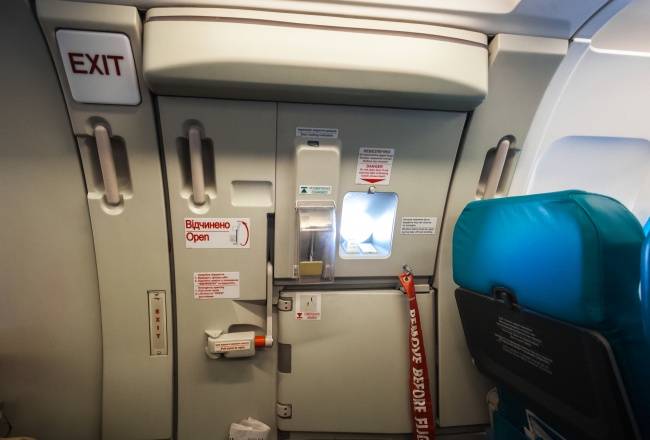
#7 Handles by the emergency doors
These handles are made first and foremost for the flight attendants to hold in the case of panic onboard so they aren’t pushed off the plane by passengers rushing to the exits.
advertisement
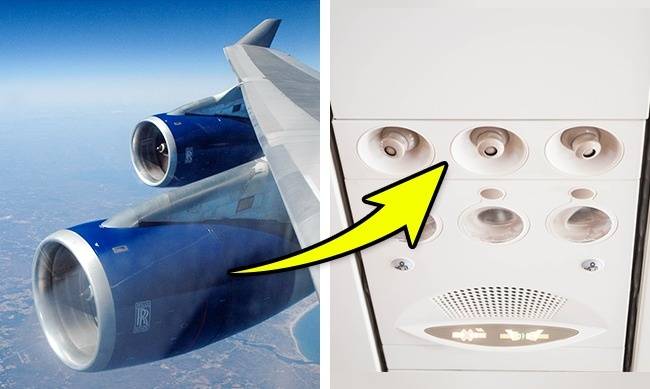
#8 Air conditioning system
To continue flying; an airplane is always supported by atmospheric air (an airplane can not fly in space where there is no air). Atmospheric air contains oxygen and at higher altitudes.However, no need to worry: the air is filtered and cooled first, and the filters, in fact, retain up to 95% of bacteria. So there is no need for an airplane to carry oxygen to all the passengers for the complete duration of flying (it, of course, carries some for emergency only). The only drawback is that the atmospheric pressure at higher altitudes is less and hence the corresponding quantity of oxygen is also less.
advertisement
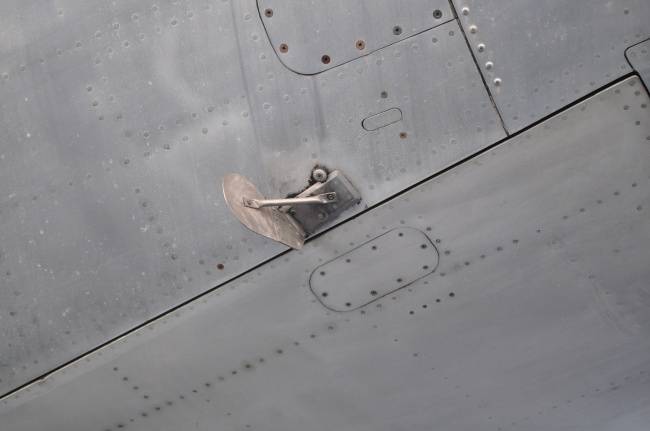
#9 Cooper Vane
A Cooper Vane is a security device which is fitted onto aircraft with built in sets of stairs, known as “Airstairs.” Most aircraft do not have Airstairs anymore because they are designed to taxi up to terminals, and at small airports, airport staff will wheel out a stairway for passenger
advertisement
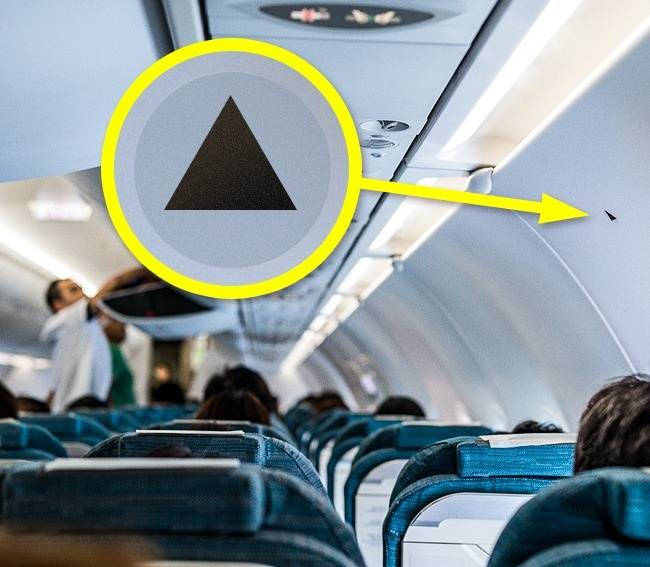
#10 The black triangle
The black triangle marks the location of what has been called "William Shatner's Seat," the seat with the clearest view of the wing. This is the place inside the airplane from which you can get the best visual check for ice or other problems. It is a mark to tell the best position to view various exterior bits of the aircraft