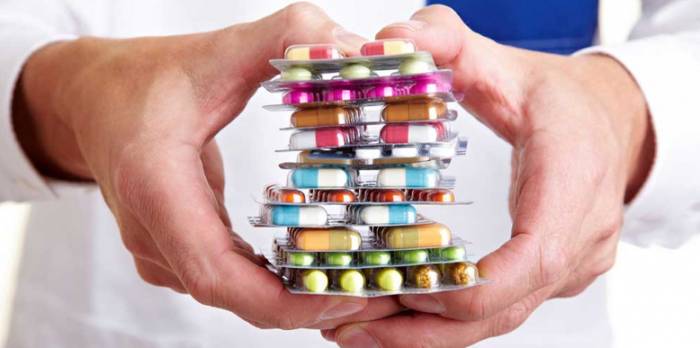
It’s not just milk — there are many other foods that can interfere with antibiotics, as well as other drugs. Drop that glass! Some drink and drug combos can be hazardous to your health.
Dangerous Food-Drug Interactions: Here Is What You Should Know
By
Sughra Hafeez in
Health and Fitness
On 16th January 2018
advertisement
Dairy products, antacids, and iron preparations prevent some medications from being properly absorbed into the body.
If the medication is not properly absorbed, it may be less effective.
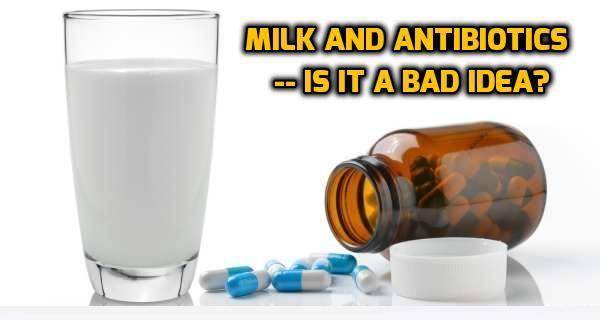
In order for oral antibiotics to be effective
They must be absorbed from the gastrointestinal tract, make their way into the bloodstream, and be delivered to the infected area.
advertisement
For most antibiotics, food results in either a decrease in absorption or have no effect.
However, some antibiotics are actually better absorbed when taken with food, and it is recommended that others be taken while eating because the food does not have a significant impact on absorption and may decrease any potential stomach upset from the drugs.
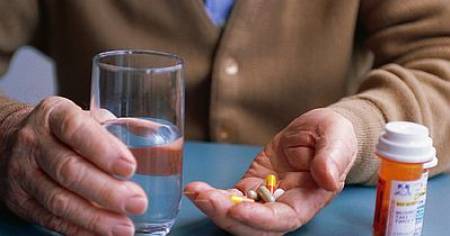
There are several factors that affect the body’s ability to absorb medications very well, including:
The relative acidity of the stomach, the presence or absence of fat nutrients or other nutrients, and whether there are certain elements such as calcium.
advertisement
Before you wash down medication with just any beverage, watch out:
Common drinks, from fruit juice to coffee, can lessen the effectiveness of certain drugs as well as pose serious health threats when combined with some prescriptions.
advertisement
Dairy products (milk, cheese, yogurt, ice cream):
These products contain large amounts of calcium, which can react with some medications and prevent them from being absorbed into the body.
advertisement
Calcium supplements:
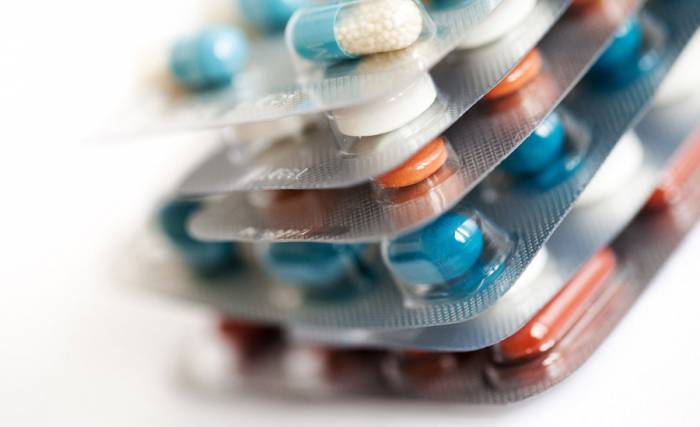
Calcium (e.g., calcium carbonate, calcium gluconate, calcium citrate) can be found in multi-vitamins, over-the-counter medications, and prescription medications.
advertisement
Iron-containing products:
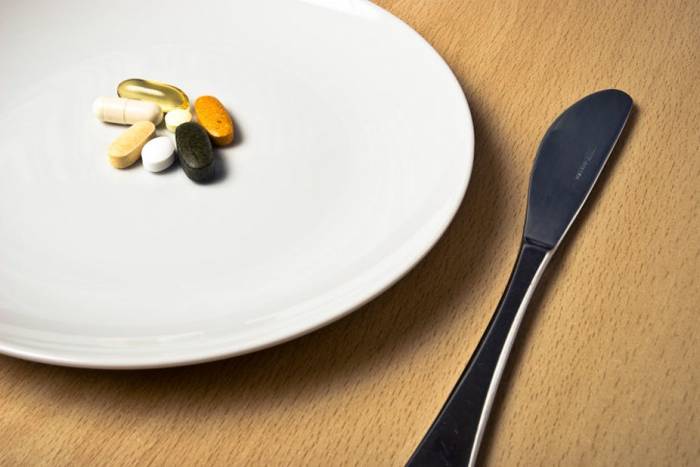
Iron (e.g., ferrous sulfate, ferrous gluconate, ferrous fumarate) may be found in multi-vitamins and over-the-counter medications. Like calcium, it can react with some medications and prevent them from being absorbed into the body.
advertisement
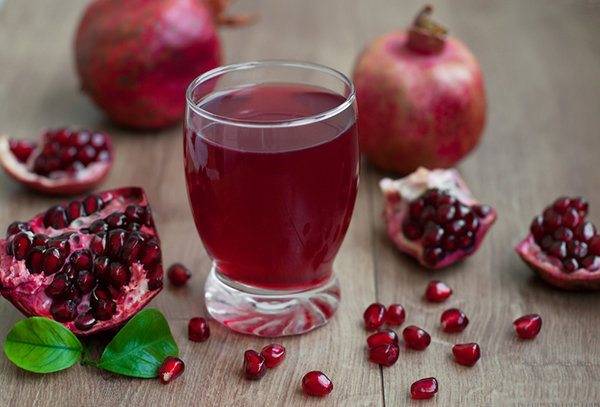
Pomegranate Juice
n enzyme found in pomegranate juice can break down several blood pressure prescriptions.
advertisement
Soy Milk, Milk-Based Smooth
Calcium can interfere with the effectiveness of thyroid medication. Wait at least 4 hours after dosage to drink any calcium-rich beverages.

advertisement
#11
advertisement
Alcohol
Don't drink it if you take a host of different medications, but particularly sedatives like certain antihistamines, painkillers including morphine, codeine, and paracetamol, diabetes medication, drugs for HIV/AIDS and antibiotics. The more medications or drugs that are combined with alcohol, the greater the risk. Make sure you read any warnings or ask your doctor or pharmacist before drinking if you're on any medication.
Green Leafy Vegetables
Blood-thinning drugs such as Coumadin® (warfarin) interfere with vitamin K-dependent clotting factors. Eating too much green leafy vegetables, which are high in vitamin K, can decrease the ability of blood-thinners to prevent clotting. But you don't have to give up greens altogether. Problems arise from significantly and suddenly increasing or decreasing intake, as it can alter the effectiveness of the medicine. So eat your greens inconsistent amounts.
advertisement
Natural Black Licorice (Glycyrrhiza)
According to Plogsted, glycyrrhiza — a natural ingredient used to make black licorice — can deplete the body of potassium while causing an increased retention of sodium. When the body is depleted of potassium, the activity of digoxin, a medication used to treat heart failure, can be greatly enhanced, resulting in the heart not beating properly.
Glycyrrhiza can also decrease the effectiveness of high blood pressure medicines. And people taking Coumadin® (warfarin) should beware that glycyrrhiza can break down the drug, resulting in an increase in the body's clotting mechanism.
Excessive amounts of natural licorice should be avoided when taking all of these medications. However, Plogsted notes that artificially-flavored black licorice doesn't contain glycyrrhiza and is not of concern.
Green Tea (with vitamin K)
Vitamin K, also found in broccoli and kale, can decrease the effect of blood thinners such as coumarin or warfarin.
advertisement
Tyramine-Containing Foods
High blood levels of the amino acid tyramine can cause an increase in blood pressure. Several medications interfere with the breakdown of tyramine, including monoamine oxidase inhibitors (MAOIs) which treat depression, and drugs used to treat the symptoms of Parkinson's disease. Plogsted advises those taking these drugs to steer clear of tyramine-rich foods. The list is lengthy and includes, but is not limited to: chocolate, aged and mature cheeses, smoked and aged/fermented meats, hot dogs, some processed lunch meats, fermented soy products and draft beers (canned and bottled beers are OK).
Do painkillers with added caffeine work better?
The amounts of caffeine added to painkillers are typically similar to a cup of coffee. If you’re buying a generic painkiller it will usually be labeled as “paracetamol with caffeine” or “ibuprofen with caffeine” whereas with branded painkillers it may not be as obvious from the name, so check the label if you want to know.
advertisement
It is very important to follow the directions on the prescription bottle because pharmacists are the experts in these interactions.
Not following directions may result in the antibiotic failing to cure the infection.
#19