

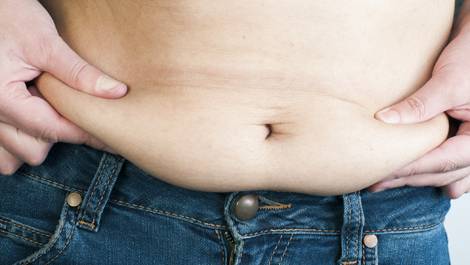
When you consume more protein than your body needs, the excess protein is used to provide your body with energy or turned into fat. You can't store extra amino acids or protein for later use, so if you consume too many calories in an effort to increase your protein intake you will gain weight.

Dangerous Signs You Could Be Eating Way Too Much Protein
By
Editorial Staff in
Health and Fitness
On 19th August 2017
advertisement
#1
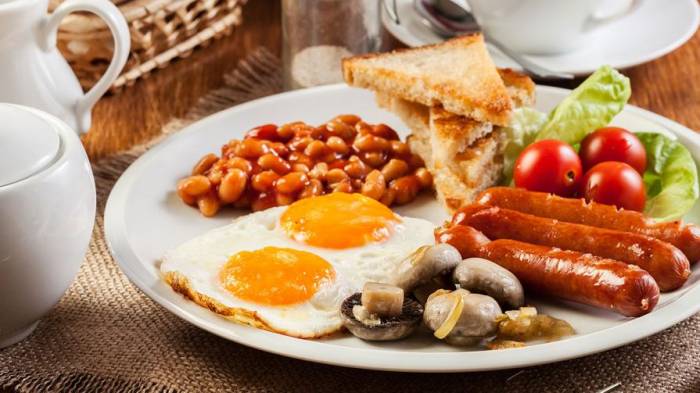
Protein keeps your hard-earned muscles happy, your stomach from growling an hour after you eat, and your metabolism humming at a fiery pace. But just like other really good things, getting tons and tons of extra protein isn't always better.
#2
The average adult needs about 0.8 grams of protein per kilogram of bodyweight a day, which comes out to roughly 56 grams of protein a day for men and 46 for women, according to the Institutes of Medicine.
But despite protein showing up on more and more food labels, we’re already getting way more than our 46 or 56 grams. In fact, men ages 20 and over get an average of 98.9 grams of protein a day, and women ages 20 and over get 68 grams, according to the U.S. Department of Agriculture’s latest What We Eat In America report.
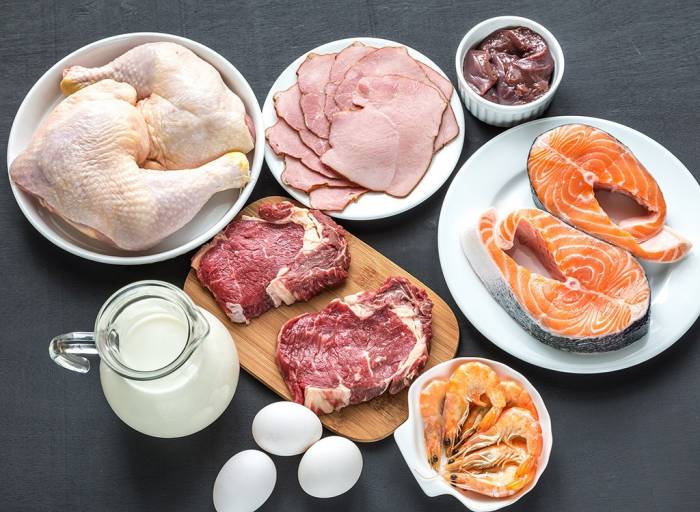
Getting protein is, of course, an important part of a balanced diet. For starters, our bodies simply wouldn’t be able to build and repair its cells without the stuff. We know that high-protein breakfasts can help us keep unhealthy snack urges in check. And according to a new analysis, a diet higher in protein, especially from fish, seems to lower stroke risk.
However, more isn’t necessarily better. “[B]ecause Americans consume so much protein, and there is plenty in foods from both plant and animal sources, and there is no evidence of protein deficiency in the U.S. population, protein is a non-issue,” Marion Nestle, Ph.D, MPH, Paulette Goddard Professor of Nutrition, Food Studies, and Public Health at New York University, tells The Huffington Post in an email. “Why make it into one? The only reason for doing so is marketing. Protein used as a marketing tool is about marketing, not health. The advantage for marketing purposes of protein over fat or carbohydrates is that it’s a positive message, not negative. Marketers don’t have to do anything other than mention protein to make people think it’s a health food.” (Case in point: A serving of those new protein-packed Cheerios also contains 16 or 17 grams of sugar, depending on the flavor.)
advertisement
#3 You've got dragon breath
If you've noticed that when you laugh, not everyone laughs with you—or that your co-workers are pulling back when they have to sit near you in meetings, you might be wondering what's up. It was a common complaint of those on the Atkins diet, back in the hayday of its popularity, and for good reason: A lot of meat doesn't just give you meat sweats, but a stinky mouth too. "Your brain and body like to run on carbs, so when you don't eat enough carbs, your body starts to use fat as fuel, producing ketones, which can make your breath smell like nail polish remover," McMordie says. This can be especially dangerous for diabetics, she adds. Besides paring back your protein and adding in some healthy carbs, try these bad breath and halitosis remedies to freshen up fast.

#4 Your mood takes a dive
Maybe the Hulk-size bodybuilders at the gym are grunting because they're working crazy hard. Or maybe they're just in a crappy mood. Your brain needs carbs in all their sugary, starchy glory to stimulate the production of the mood-regulating hormone serotonin. Strip them from your diet, and you're more likely to feel grouchy, irritable, or just blah. And yes, science backs this up: One Australian study of overweight adults found that those who followed a strict low-carb diet for a year reported more crankiness compared to those who followed a higher-carb, low-fat diet—even though both groups lost roughly the same amount of weight.

advertisement
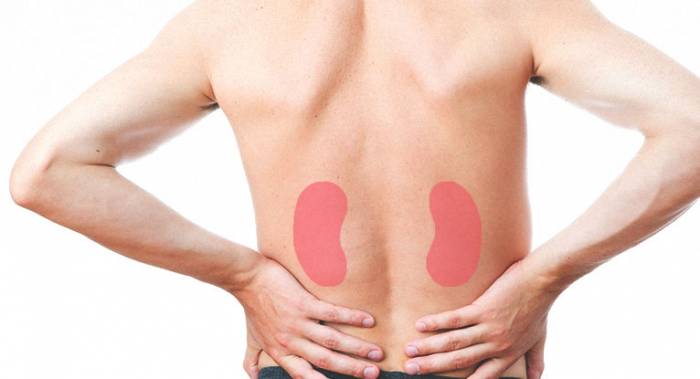
#5 You might wreck your kidneys.
This gets a little sciencey, but hear us out. When you chow down on protein, you also take in nitrogen byproducts that your kidneys then have to work to filter out of your blood. If you're eating a normal amount of protein, you pee out the nitrogen, and it's no big thing. But when you gorge on the muscle builder, you force your kidneys to work harder than usual to get rid of all the extra nitrogen. Which, over time, might have the potential to cause kidney damage, says Cording.
advertisement
#6 You're plagued with GI issues.
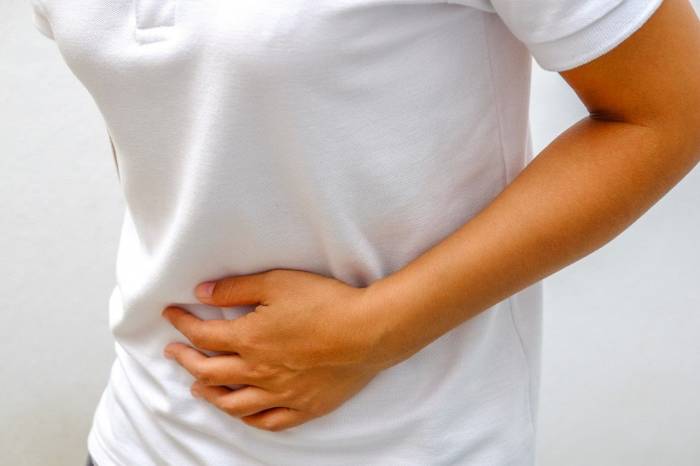
Chicken breast and cottage cheese are great for packing on muscle, but they deliver precisely none of the fiber that your digestive tract needs to stay regular. Which means that if you swap too many complex carbs—like whole grains, beans, vegetables, and fruit—for animal proteins, you'll have a hard time getting the recommended 25 to 35 daily grams of fiber. The result? You end up feeling constipated, bloated, and pretty much all around gross. "It's probably the main complaint I get from my clients who have been on a low-carb diet," Cording says.
advertisement
#7 You're gaining weight
It's true that having a high-protein diet can satisfy your hunger, but if you go too far over the side of the pyramid, you might find your scale tipping over, too. "That's especially true if you're eating excess animal protein or downing protein shakes. Meat often means extra fat and also calories. And many protein shakes have added sugar to make them taste better," McMordie says. "Over time, too many excess calories, no matter from fat, sugar, or protein, will cause weight gain." To shift your meals in a healthier direction, McMordie says to "aim for balanced meals that include lean protein, whole grains, fruit and vegetables." As a general rule, she adds, half of your plate should be fruits or vegetables, one quarter should be protein, and one quarter should be starch or whole grains.

advertisement
#8 YOU'LL PACK ON FLAB
Not only will you gain weight—the majority of the weight will be in the form of flab. You know those abs you worked so hard to uncover? Kiss those goodbye. When you take in more protein than your body needs—many experts say that 30 grams are the max your body can handle per meal—the extra protein will likely be stored as fat, while the excess amino acids will simply be excreted.
advertisement
#9 YOU COULD DIE SOONER
According to a study that followed thousands of adults for nearly 20 years, those who eat a diet rich in animal protein are four times as likely to die of cancer than those who follow a low-protein diet. And other findings back the finding: In another study of thousands of people, researchers found that high-protein dieters had up a 66 percent greater risk of death during the study period than those who ate less protein. So, go ahead and settle for being average. Seriously!

advertisement
#10 YOU'LL FEEL NAUSEATED —ALL THE TIME
When you down too many chicken breasts, protein shakes, and eggs, your digestive enzymes can't keep up with all the protein you are ingesting, says Bjork. "This can lead to indigestion and nausea. Easing up on your protein intake should easy your shaky stomach," she adds.

advertisement
#11 You're acting hangry
When too much time passes between meals, you might feel your upper lip curl and your patience run out. You might call it "hangry," but a nutritionist might question whether you've had a few too many grams of protein in your day. "Without enough carbs, your body's blood sugar dips, and you don't produce enough mood-regulating serotonin, causing you to be 'hangry,'" McMordie says. If you start to feel your fuse run short, McMordie suggests snacking on a side dish like Greek yogurt with berries, string cheese with fruit, or hummus with whole grain crackers, to stabilize your blood sugar and your mood.

advertisement
#12 You’re dehydrated.
One of the waste products created by the kidneys during the filtering process is blood urea nitrogen. Researchers and physicians use blood urea nitrogen levels to evaluate kidney function, and it’s also a measure of how hydrated a person is, WebMD reported. In a 2002 study, as protein intake went up, hydration went down, likely because the body has to use more water to flush out that additional nitrogen, Monica Reinagel, MS, LDN, CNS, told HuffPost in 2013. Dehydration isn’t necessarily a reason to avoid extra protein as long as water intake is increased simultaneously, she said.

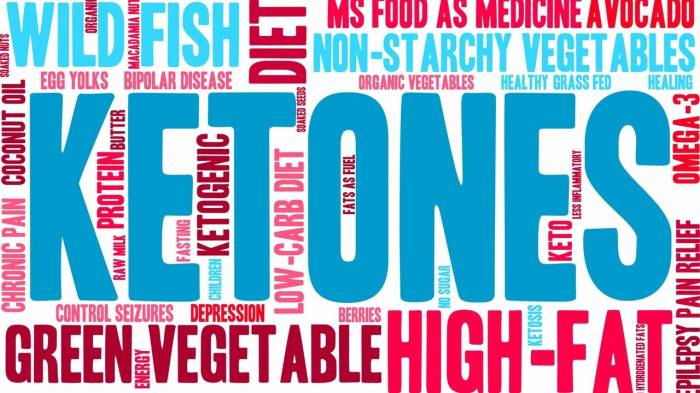
#13 Ketosis
Ketosis, the doctor explains, "is a normal metabolic process [which occurs] when a lack of carbohydrates in your diet can mean your body turns to fat for its energy source." So when a person assumes a high-protein diet, they typically end up neglecting many of the other vital food groups they need such as carbohydrates, which break down into glucose, and therefore end up depriving the body of its typical energy source. The symptoms of ketosis, Dr Rankin describes, include "fatigue, excessive thirst and dizziness."
advertisement
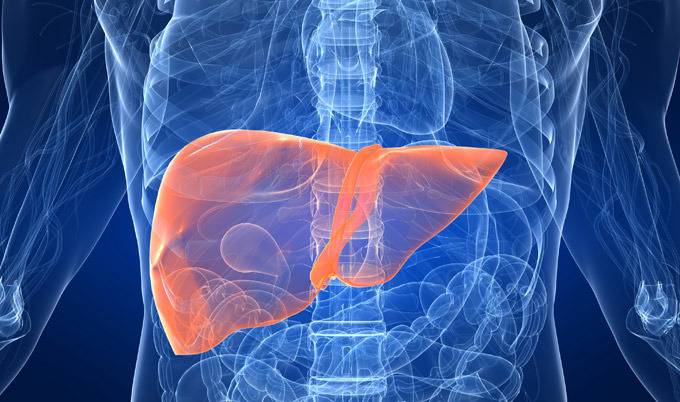
#14 Overworking your liver.
This third possible eventuality can occur as a result of ketosis. Dr Rankin says ketosis "can put a lot of stress onto the liver", and explains: "The liver is an essential organ that detoxifies chemicals, and purifies your blood of toxins. Therefore, it is very important that we do not stress the liver and allow it to function properly".
So how much protein is the right amount of protein? "Don’t go nuts. You may lose weight but you don’t want to lose you liver too," the doctor says. "The best advice is to stick to the recommended daily intake. The recommended amount if you are a male it is 56 g a day and for the females it is 46g a day."
#15 How much protein we need
There are many elements to consider when determining just how much protein you personally need on a daily basis, from how often you squeeze in a sweat sesh to how your body's digestion is functioning. That said, there are some overall guidelines. As McMordie explains, "The RDA for protein for adult men and women is around 50 to 62 grams of protein per day. This will typically prevent any protein deficiencies," she says. Though that's a rough estimate, CCHE Chief Culinary Officer, Ken Immer notes, "Most often, we hear about recommending protein in specific gram amounts per day. However, that can be misleading because it should be closely tied to your total calorie needs, rather than just an arbitrary number," he says. "There is a wide range of recommendations when it comes to the ideal percentage of calories from protein—10 to 35 percent of total calories, 10 percent being the absolute minimum, and 35 percent being the maximum before there is a toxicity to be concerned about." As a general rule, Immer recommends that men aim for 140 grams and women shoot for 110 grams per day, which is more than the RDA, but still within safe limits. But what happens when you go overboard?

Remember: everything in moderation.