

It is nothing new when we say that human sexuality is often a very unpredictable thing. Society has moved away from the heterosexual norms and clearly sees that gender and sexuality are on a spectrum. Scientists have been studying LGBTQ+ people in order to find if there are any specific factors that increase the chances of a person becoming a part of this spectrum. They have some interesting findings. One of them is that they have found that having an older brother increases the chance of a man being gay.
Did You Know That Men With Older Brothers Are More Likely To Be Gay? It's True!
By
Missy aka Tizzy in
Life Style
On 15th December 2017
advertisement
#1
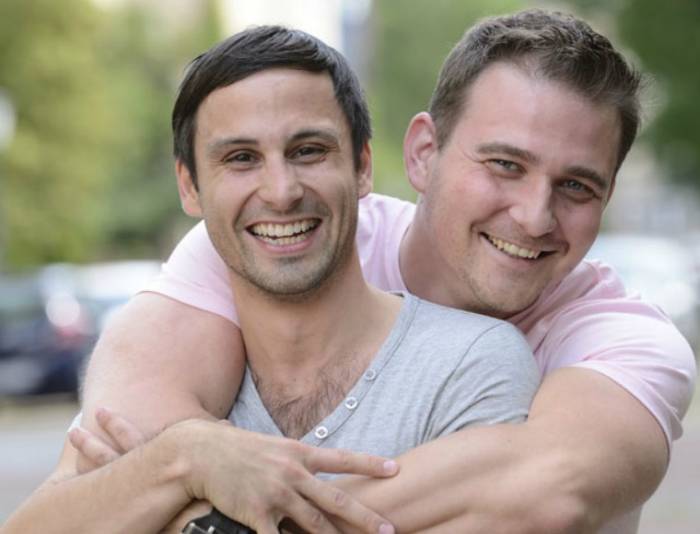
It is no secret that society, nowadays, is becoming much more accepting when it comes to the LGBTQ+ community. We are still far from living in a world where these people are not discriminated against. That is what makes it so hard for them to come out to their friends and family. Hate crimes against LGBTQ+ people have increased by a whopping 78% over the last five years.
#2
Older people grew up in a world that was not accepting towards LGBTQ+ people. They would think of having a gay child as a loss especially if it is a male because that would mean the family name would not be carried on to future generations. Parents also fear for the safety of their LGBTQ+ children because of discrimination and higher chances of a gay man contracting HIV.
advertisement
#3
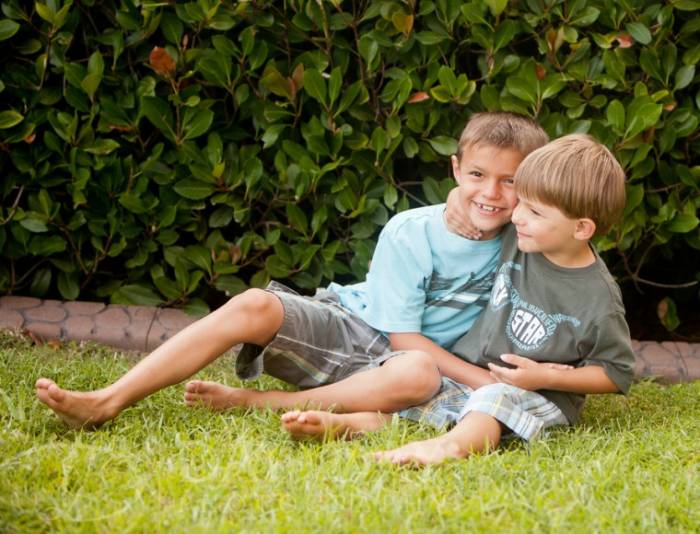
A researcher at Brock University named Professor Tony Bogaert, along with his team, are trying to find out if the birth order of children has an influence on a person's sexuality. His team discovered there were several identifiable factors that could influence male sexuality including birth order. They called these findings the "fraternal birth order effect."
#4
The team's findings were published in the PNAS journal. They reveal that a person's sexuality could be established by a person's chromosomal makeup. This disproves any arguments that stated upbringing would determine sexuality.
advertisement
#5
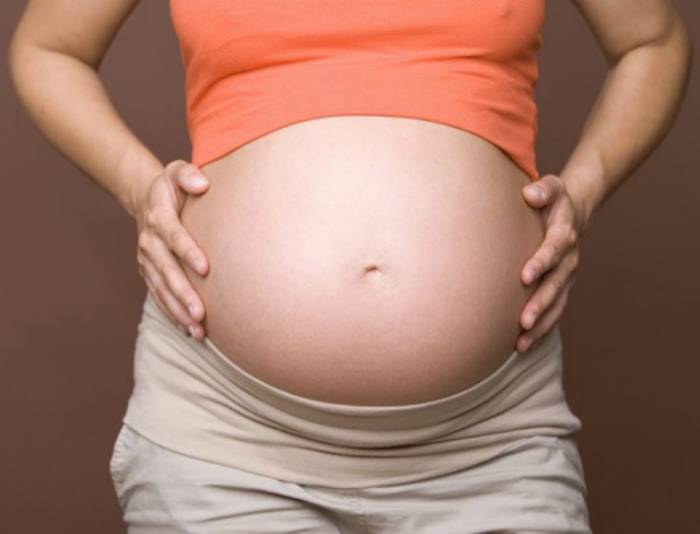
A protein called NLGN4Y, which associated with a Y chromosome, can influence a man’s attraction towards a partner. During a woman’s first pregnancy, the Y chromosome in question is present in her bloodstream, however, because it’s not naturally present in a woman, it’s seen as foreign by her immune system, which subsequently creates antibodies to fight it.
advertisement
#6
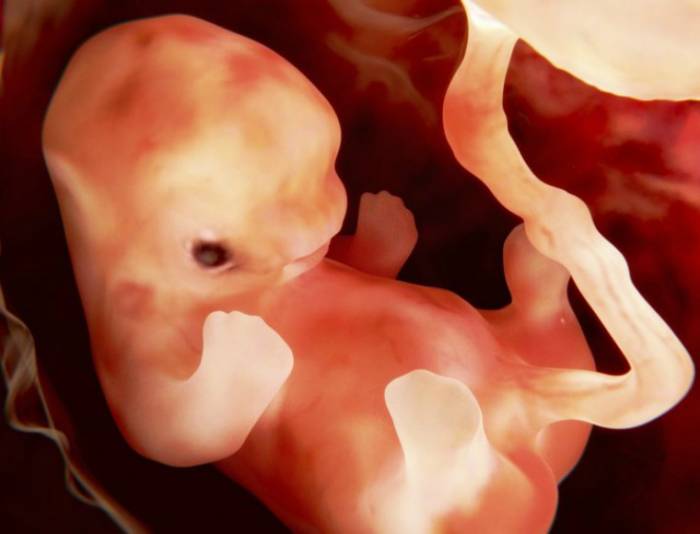
Because of this, if a woman becomes pregnant with a second son, the pregnancy will not be the same. The antibodies from the first pregnancy are able to enter the baby's brain which can then alter the baby's development and influences the child's sexual orientation. But, the results of the study are not comprehensive since it was done around 142 women and 12 men between the ages of 18 and 80 years old. Also, we already know that not every subsequent male child in a family turns out to be gay.
advertisement
How did they study these people?
Scientists looked for the protein NLGN4Y and its antibodies. The found out that they were at their highest levels in women whose younger sons were homosexual compared to women who birthed heterosexual sons or only gave birth to girls.
advertisement
#8
"I wouldn’t say we’ve solved the fraternal birth order effect puzzle, but we are getting close to finding a mechanism," Bogaert said. He and his team claim that the odds of giving birth to a homosexual son are simply increased by 33% with each subsequential son that they give birth to.
advertisement
#9
It is not just the male sexuality that can be influenced in the womb. Female sexuality is able to be influenced as well. It has been reported that women who are exposed to high levels of androgen, the male sex hormone, have higher chances of ending up being lesbians. Unlike male homosexuality, female sexuality can also be influenced by societal and cultural factors.
While the science surrounding sexuality is quite interesting, it could potentially cause would-be parents to make decisions on whether or not they have children depending on the sexuality that they would prefer them to be. We just hope to live in a world where more people are accepting of the entire LGBTQ+ community.