

An expert explained what you should drink instead if you still crave something carbonated.
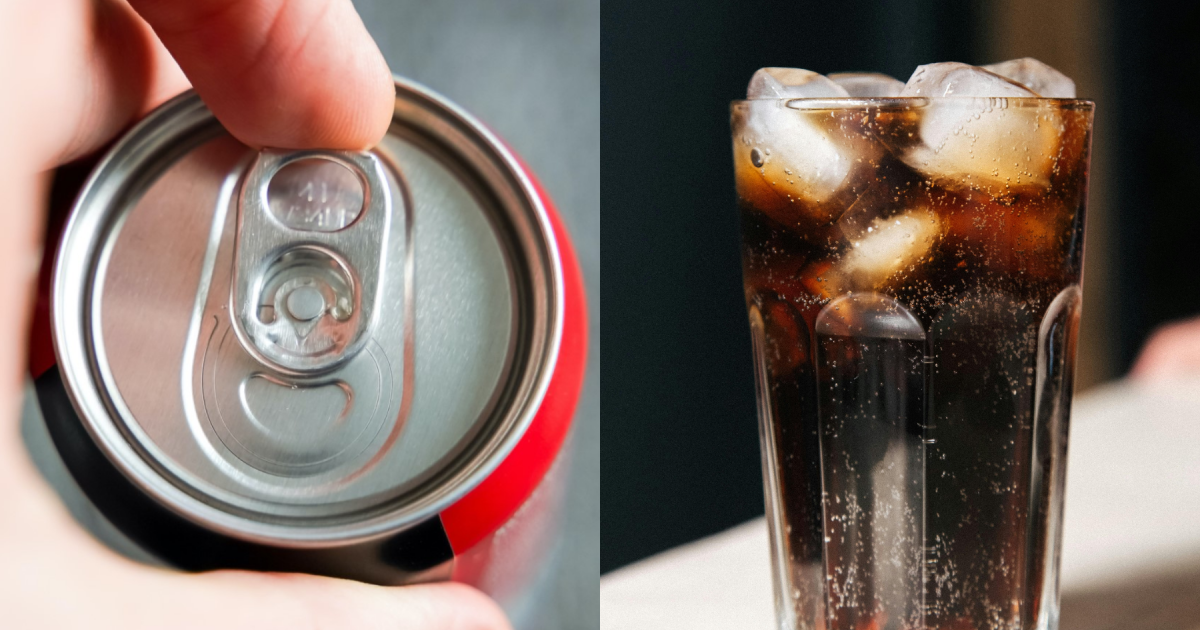
New Study Reveals Why A Can Of Diet Soda Might Be Worse For You Than Regular Soda
By
maks in
Health and Fitness
On 8th October 2025
advertisement
That can of diet soda you grab for a guilt-free refreshment might not be as safe as it seems. A new study has revealed that low- or zero-sugar drinks could harm your health just as much as, or even more than, their sugary counterparts.
Many people love a fizzy drink with a meal or use diet versions as a way to cut calories while still enjoying a sweet taste. But new findings show that whether your drink is made with sugar or artificial sweeteners, it could still put your body at risk.
For fans of diet cola, sparkling lemonade, or even trendy “dirty sodas,” researchers now warn that both types of drinks could raise the risk of liver damage and other serious health issues.
At the UEG Week 2025 conference, scientists presented new evidence showing that both sugar-sweetened and diet sodas are linked to a greater risk of developing metabolic dysfunction-associated steatotic liver disease (MASLD).
MASLD is now considered the most common form of chronic liver disease worldwide. It develops when fat accumulates inside the liver, making it harder for the organ to function properly, according to the Cleveland Clinic.
Over time, this buildup can lead to inflammation, discomfort in the upper right side of the abdomen, loss of appetite, and unexplained weight loss — all signs that the liver is under strain.
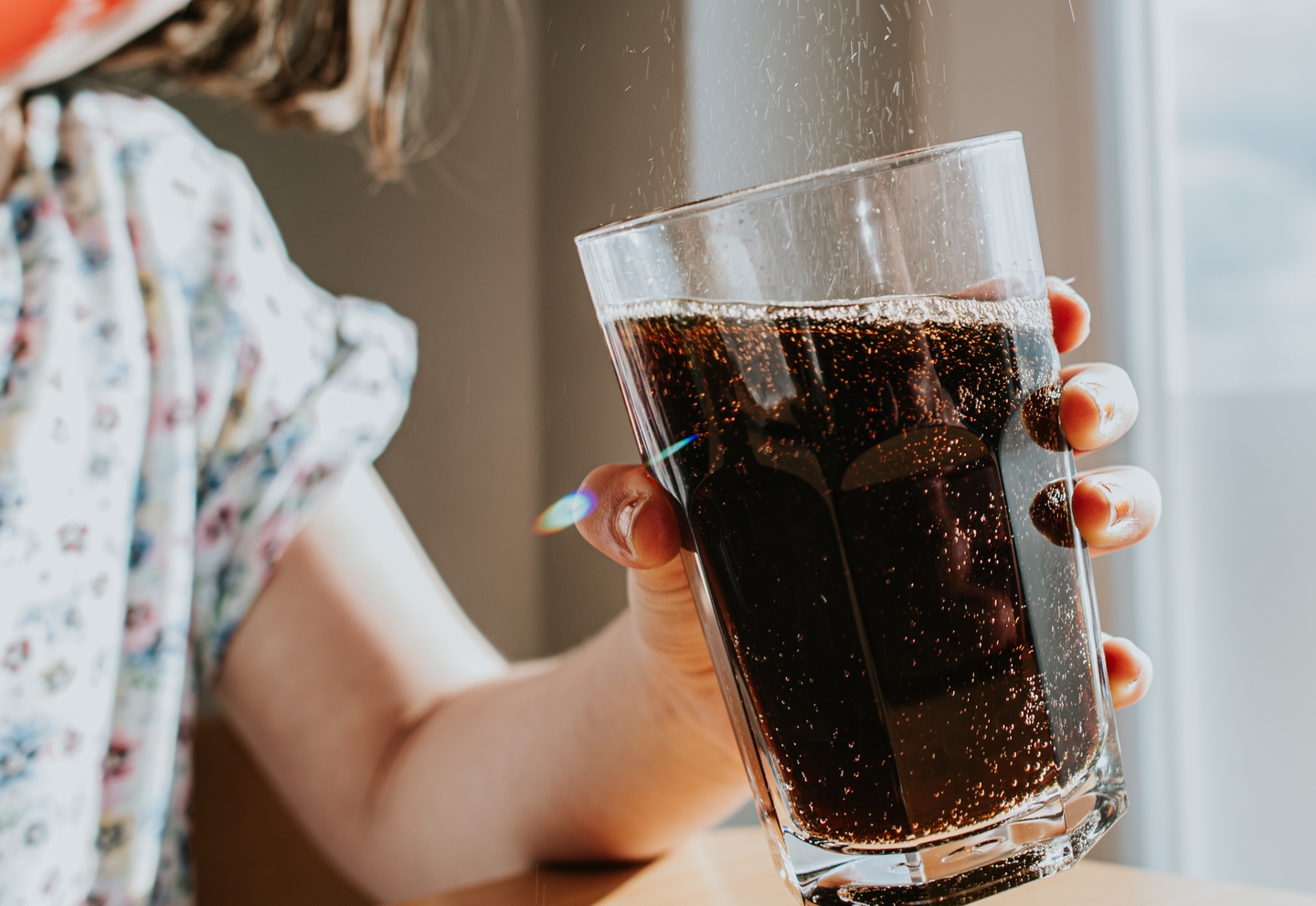
Your daily soda habit could increase your risk of liver disease
Getty Stock Image
advertisement
The study, led by researcher Lihe Liu from the First Affiliated Hospital of Soochow University in Suzhou, China, tracked participants using detailed 24-hour dietary surveys to record what beverages they drank.
Researchers analyzed how soda consumption affected the chances of developing MASLD, fat buildup in the liver, and liver-related deaths. Their analysis revealed that people who drank sugar-sweetened drinks had a 60 percent higher risk of developing MASLD, while those who consumed diet sodas still faced a 50 percent higher risk.
Both kinds of drinks were linked to increased liver fat, suggesting that even “light” or “zero” sodas aren’t a healthy choice in the long run.
Over the course of the 10.3-year follow-up period, the study found that 1,178 participants developed MASLD, and 108 people died from liver-related causes.
While the connection between sugary sodas and liver-related deaths wasn’t significant, diet or artificially sweetened sodas were associated with a higher risk of fatal liver complications.
In both cases, researchers noted a clear link between soda consumption and fat buildup in the liver, adding to growing evidence that carbonated drinks — regardless of sugar content — can contribute to long-term liver problems.
An expert advises you swap your soda fix for a glass of water instead
Getty Stock Image
advertisement
Discussing the results, lead author Liu said: "[Low- or non-sugar-sweetened drinks] have long been under scrutiny, while their 'diet' alternatives are often seen as the healthier choice. Both, however, are widely consumed, and their effects on liver health have not been well understood."
Liu explained that even a single can of diet soda could increase the risk of liver damage. Artificial sweeteners may disrupt the gut microbiome — the bacteria that help control digestion and appetite — leading to stronger sugar cravings and abnormal insulin responses.
"These findings challenge the common perception that these drinks are harmless and highlight the need to reconsider their role in diet and liver health, especially as MASLD emerges as a global health concern," Liu added, noting that the findings could reshape how people think about diet sodas and their role in maintaining liver health.
advertisement
After reviewing the results, researchers recommended that people cut back on both regular and diet sodas to protect their liver health.
"Water remains the best choice as it removes the metabolic burden and prevents fat accumulation in the liver, whilst hydrating the body," Liu advised, emphasizing that water remains the healthiest and safest choice for daily hydration.
The team also plans to conduct further research into the biological reasons behind these effects to understand exactly how sweeteners — both natural and artificial — influence liver function.
advertisement
The researchers said future trials will look at how sugar and artificial sweeteners interact with gut bacteria over long periods of time. They plan to use genetic and randomized studies to identify which mechanisms lead to liver disease and fat buildup.