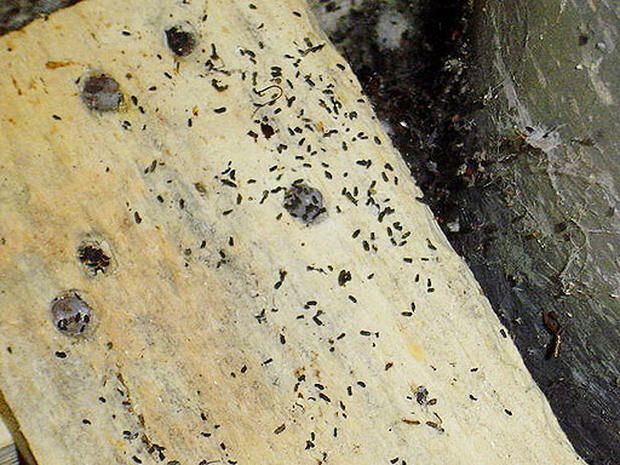
You have to eat, but these things that manufacturers and companies do to our foods are just disgusting and gross and will take your hunger pangs away in a hurry. And, they're all LEGAL!

Disgusting Things Done To Your Food That Are Perfectly Legal
By
Editorial Staff in
Food
On 31st March 2016
advertisement
#1 Re-Hydrated Hot Dogs
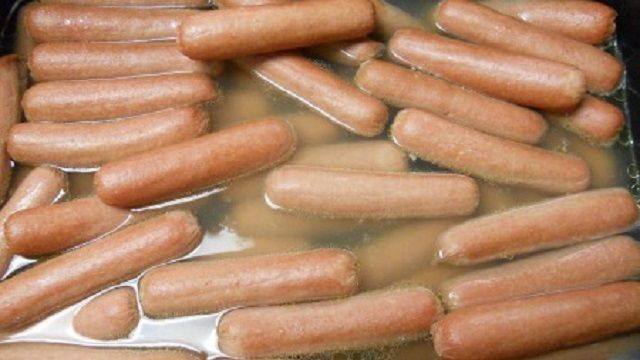
If you've ever been to a baseball game or stopped quickly at a convenience store for a hot dog, you've no doubt seen them sitting on the roller, getting wrinkly and dry all day long going unsold? Well, it's perfectly legal according to the FDA to take the wrinkly wiener's and soak them in water to re-hydrate them. So they can try to sell them again the next day.
#2 Bugs In Veggies
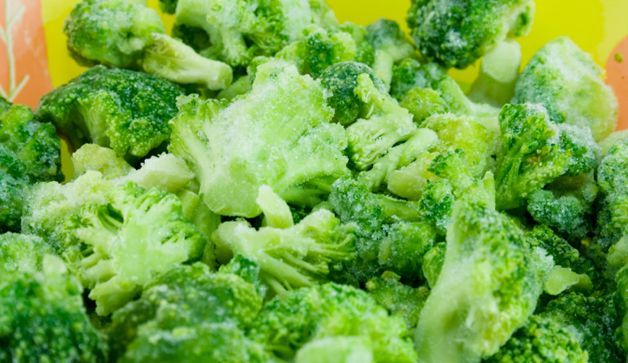
According to the FDA, frozen broccoli can have "60 or more aphids and/or thrips and/or mites per 100 grams." Thrips are the main culprit for getting into foods. Their favorite foods are broccoli, asparagus and the hops used to make beer. If too many thrips show up the FDA takes action. Otherwise, enjoy.
advertisement
#3 Insects In Chocolate
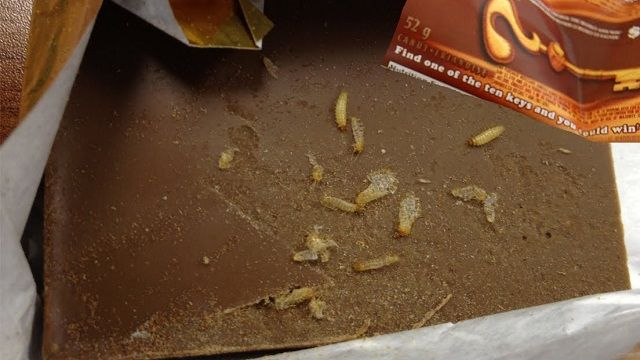
Nothing is truly sacred when it comes to bug bits. Per 100 grams of chocolate, 60 insect parts are allowed. Somehow, the fact that it's parts and not even whole insects makes it worse. Apparently any insect that goes into the machinery and gets chopped up is safe for us consumers as long as it's in tiny 'bits'. The chocolate industry is the biggest offender of allowing foreign ingredients into their products. Yummy!
#4 Fish Cysts
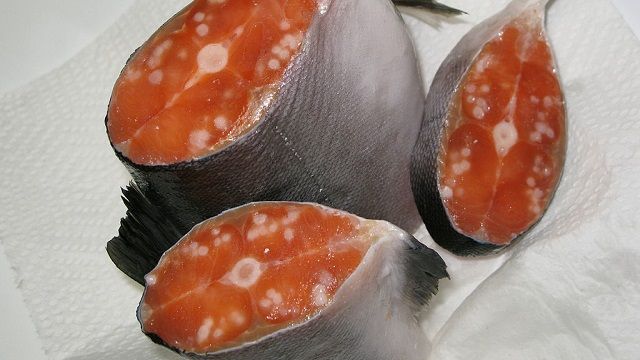
If you love seafood or fish, this one is disgusting. Fish are allowed certain numbers of parasitic cysts before the FDA flags the flesh. This is a picture of cyst-ridden salmon. Fish like fresh water herring are allowed 60 parasitic cysts per 100 fish. That's a 3 in 5 chance of getting a cyst-ridden fish. A cyst is caused by a parasite and they are becoming more and more common even in fresh water fish due to invasive species attacking waterways worldwide. The biggest culprit is the copepodkils which infects salmon, bass, herring, catfish, and numerous other fish by living inside their bodies and causing a build up of rotting flesh.
advertisement
#5 Combining Ketchup Bottles
If you've ever been bored while waiting for your food to arrive at your table and read the back of the ketchup bottle, you may have noticed that these bottles say "do not reuse" on them. But that doesn't stop the restaurant from combining two half empty bottles together, crusty formations and all. The issue with this is that someone could have put something in those bottles and it does actually expire. Your ketchup will have an expiration or 'best by' date on it, so combining an old bottle with a newer one makes it hard to tell if the ketchup is still good enough to consume. And, it's all legal to do as long as they don't use dirty utensils to move the product from bottle to bottle.

advertisement
#6 Pizza Sauce
The FDA says that any canned or jar of pizza or spaghetti sauce is allowed no more than 30 fly eggs or two maggots per 100 grams. Sound tempting? Last year the agency found 3 of every 5 large cans of pizza sauce in the Pizza Hut storage facility had over 200 maggots per can. Let yourself go...

advertisement
#7 Rat Hair In Peanut Butter
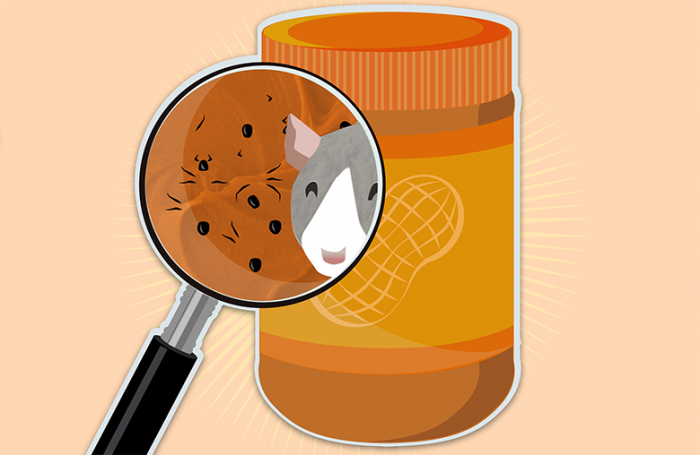
Is there mouse fur or slivers of rat hair in your peanut butter? Insect parts? Feces? Could be. The FDA says peanut butter can have no more than an average of one rodent hair per 100 grams, and no more than 50 grams of insect parts or feces. You can buy smooth or chunky peanut butter, but maybe food producers should offer "gritty" peanut butter too. Makes brown bagging that PB&J sound delightful.
advertisement
#8 Slime And Mold In Ice Machines
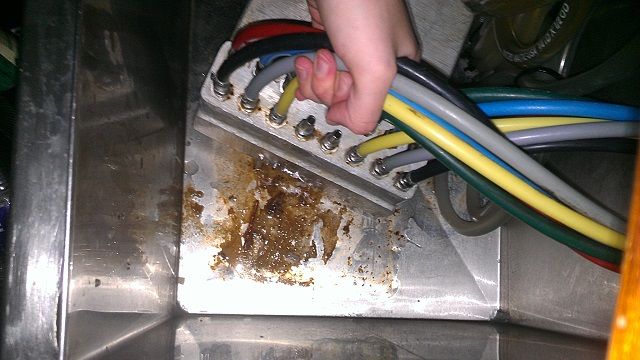
Something that anyone who has worked in fast food knows first hand is the grit and slime found inside the ice machines and soda fountains. Many restaurants don't clean them, and if they do, it's not nearly often enough to prevent mold and slime from forming, which gets on the ice. But guess what? Most people don't notice because it's been washed off by your ice cold refreshing soda. And, sometimes the soda coming through those hoses is also flowing through sludge and mold because those aren't cleaned either. Don't worry, the FDA does require these machines be cleaned, as often as the manufacturer recommends. Unfortunately, that's usually only 2-4 times a year.
advertisement
#9 Rodent Droppings In Wheat Or Rice
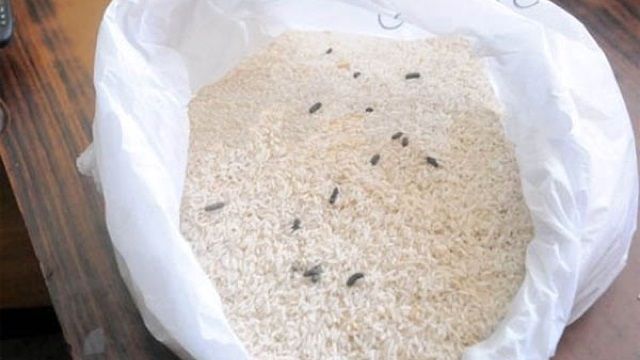
The FDA allows up to 11 milligrams of rat droppings per 1 kilogram of wheat or rice before refining. Which means that products made with rice or wheat already contain a ton of feces or bugs before they are even processed into other foods. Yikes!
advertisement
#10 Mold In Frozen Fruits
Canned or frozen berries or fruits are allowed up to 60% mold count. Mold? This is hard to understand because it's preventable, unlike having a bug make its way into a vat of chocolate or peanut butter. Sixty percent of the container is mold? That's just gross!

advertisement
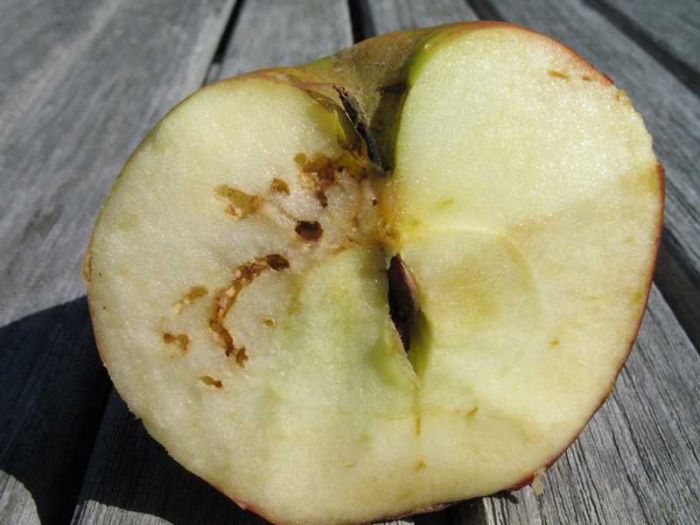
#11 Rotten Apples
Fruits sold in grocery store produce aisles can contain mold, legally. What says wholesome goodness like apple pie, apple sauce and apple butter? But apples get moldy, and the FDA will have something to say to the producer if the "average of mold count is 12 percent or more." Wholesome, indeed.
advertisement
#12 Formaldehyde In Shrimp
As if shrimp soaked in oil sludge from all the recent spills wasn't bad enough, you probably didn't know that your shrimp has contained formaldehyde since 1974. Shrimp is the United States' most popular seafood, consisting of 25% of all seafood consumed. The fact is, our waters are running out of shrimp and we now get most of the crustaceans from Asia. How do they keep the fish from going bad on their journey to our plates? Treat them with formalin, a form of formaldehyde. FDA approved!

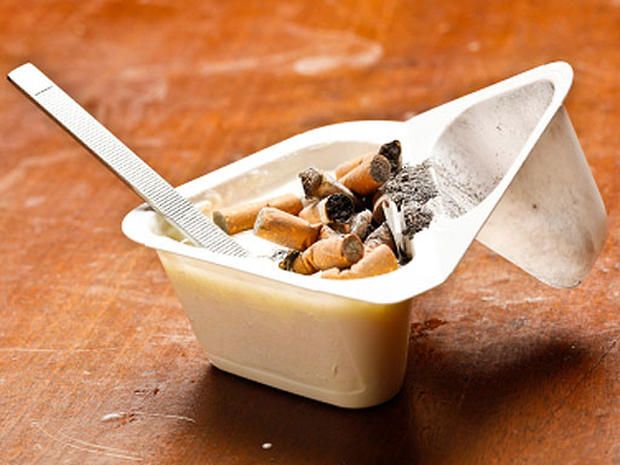
#13 Cigarette Butts
This is by far the sickest item on our list. The FDA says that ALL manufactured food products can contain a certain amount of "foreign matter," a term that includes cigarette butts for that special smoky flavor. The amount depends on the food item, but workers smoking in factory's is common in other countries, so who knows what else is in our products.
advertisement
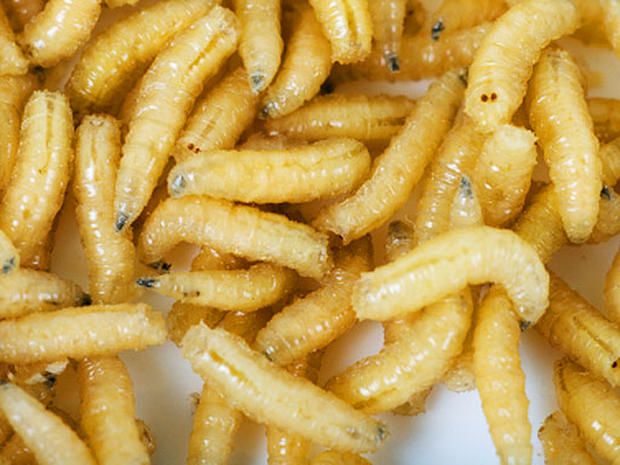
#14 Insect Eggs and Maggots
Canned mushrooms are a good place to find maggots. If there are "over 20 or more maggots of any size per 100 grams of drained mushrooms" or "five or more maggots two millimeters or longer per 100 grams," the FDA will pay attention. Otherwise, eat up.
#15 Berryless Strawberry Shakes
Unless you go to an ice cream shoppe that says 'made with real berries you are most likely not getting ANY berries in a strawberry milkshake. Of the 59 ingredients in a McDonald's strawberry milkshake, "strawberry" is not one. "Artificial strawberry flavor" is, however, which also has zero strawberries in it.

advertisement
#16 Parsley Sage Rosemary And Thyme
Do you know what insect parts look like? They look like twigs. Do you know what thyme looks like? TWIGS. Bugs love spices. They feed on spices, poop in spices - and even leave their body parts behind after they die. The FDA allows up to 325 insect fragments per 10 grams of ground thyme, to take one example. So spice up that dish and enjoy.
The picture is cockroach feces, by the way, in case you want to add it to your dish.