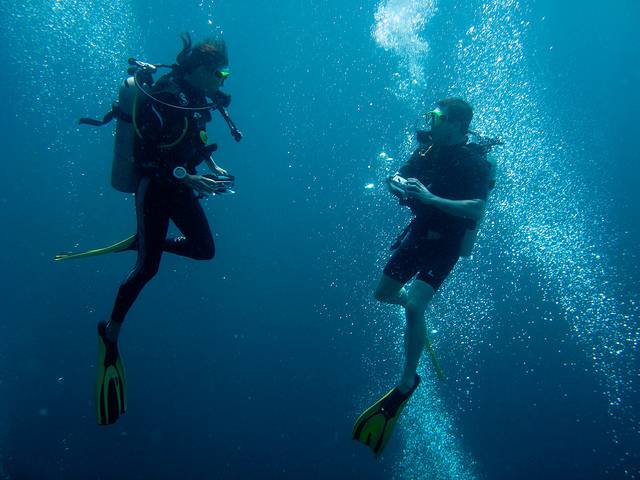
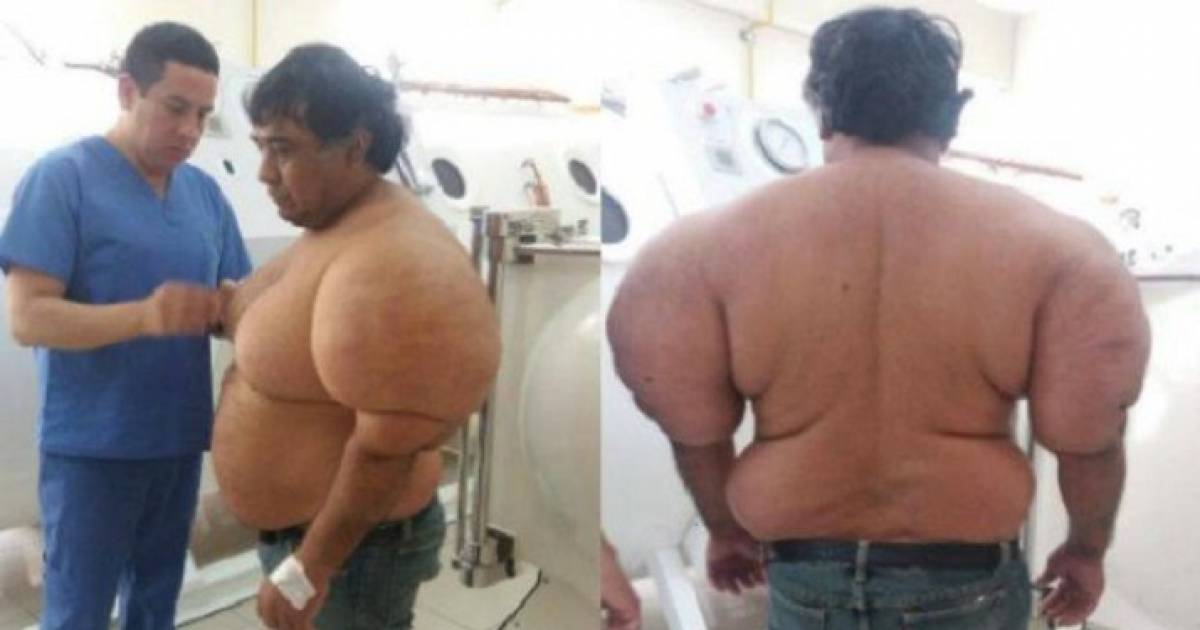
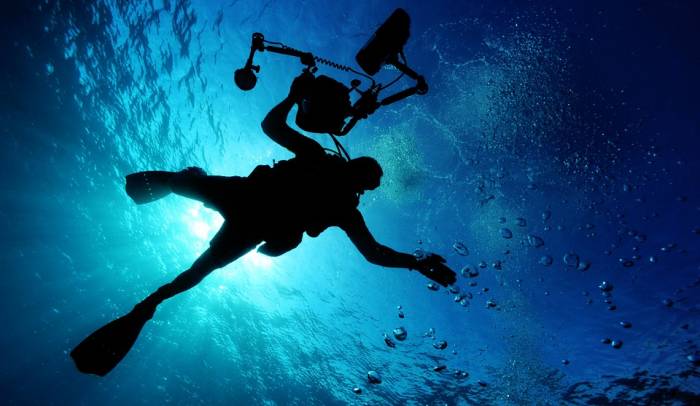
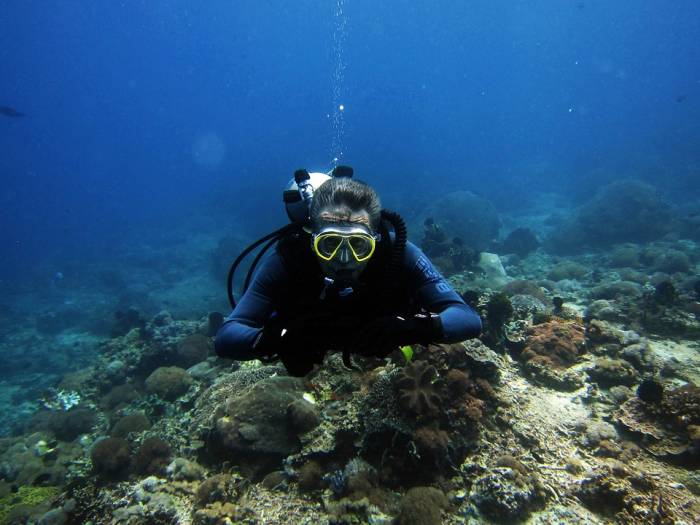
Alejandro Ramos Martinez of Peru is an experienced diver who makes a living by descending to the depths of the ocean and going for some fresh catch. But one day, he made a mistake of surfacing rather too quickly, which left him looking like a balloon.
Diver Becomes Like A Human Balloon After Surfacing From The Ocean Too Fast
By
Sughra Hafeez in
Bizarre
On 10th September 2017
advertisement
#1
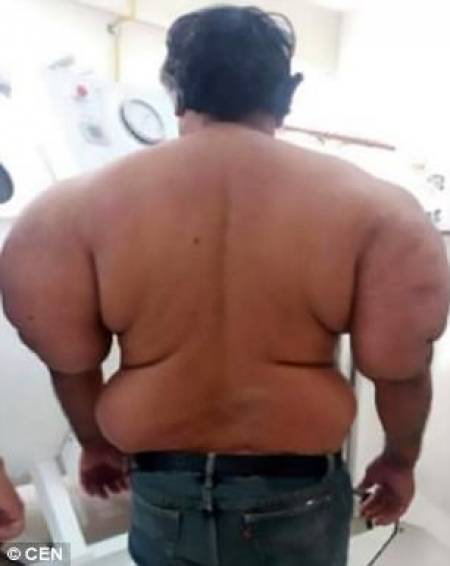
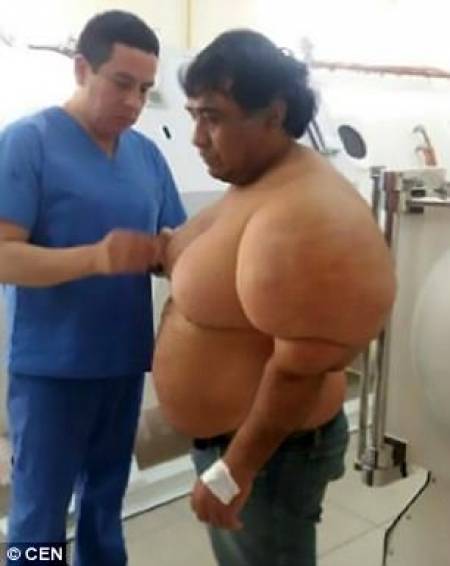
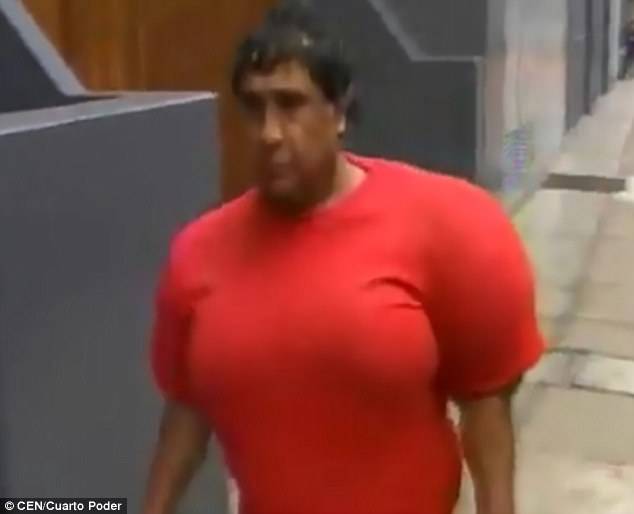
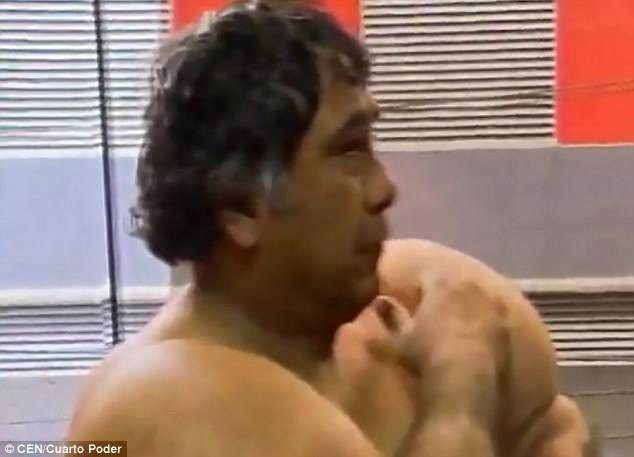
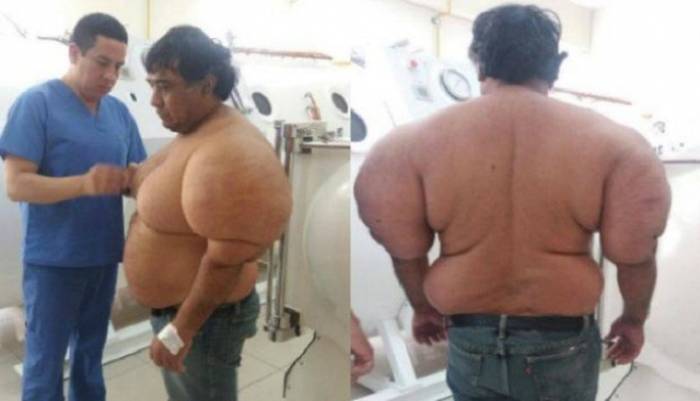
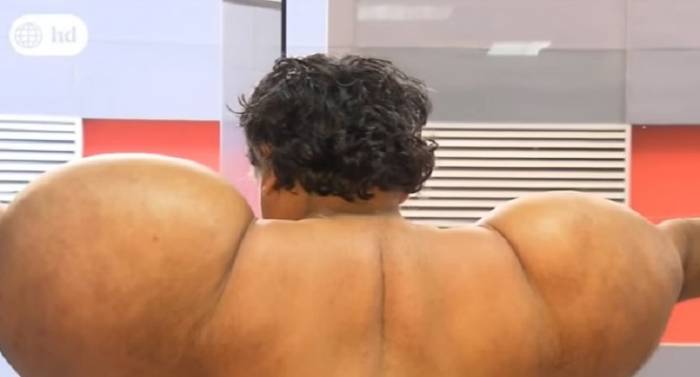
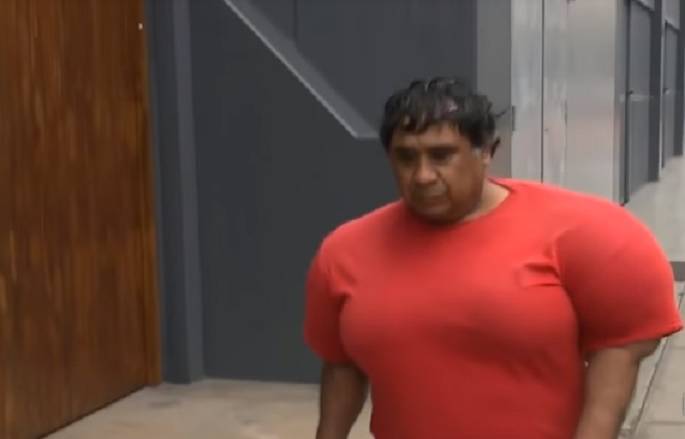
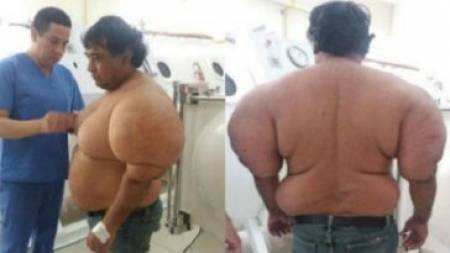
Peruvian Alejandro Ramos Martinez gained nearly five stone in weight as his arms and chest ballooned after he went diving to collect sea creatures from the seafloor.He suffers from a condition called "the bends."
#3
The bends, also known as decompression sickness (DCS) or Caisson disease occurs in scuba divers or high altitude or aerospace events when dissolved gases (mainly nitrogen) come out of solution in bubbles and can affect just about any body area including joints, lung, heart, skin, and brain.
advertisement
#4
Decompression sickness (DCS) is caused by the formation of bubbles of gas that occur with changes in pressure during scuba diving. It is also experienced in commercial divers who breathe heliox (a special mixture of oxygen and helium), and astronauts and aviators that experience rapid changes in pressure from sea level.
#5
Nitrogen or any gas from a diver's air tank increases in pressure as a diver descends. For every 33 feet in ocean water, the pressure due to nitrogen goes up another 11.6 pounds per square inch,. As the pressure due to nitrogen increases, more nitrogen dissolves into the tissues. The longer a diver remains at depth, the more nitrogen dissolves. Unlike the oxygen in the air tank a diver uses to swim underwater, the nitrogen gas is not utilized by the body and builds up over time in body tissues. The underlying cause of symptoms throughout the body is due mainly to nitrogen bubbles being released when the diver returns to sea level and blocking blood flow and disrupting blood vessels and nerves by stretching or tearing them. They may also cause emboli, blood coagulation and the release of vasoactive compounds.
advertisement
#2
His nearly fatal error was to rise through the water too fast, causing the nitrogen in his blood to form enormous, grotesque bubbles.
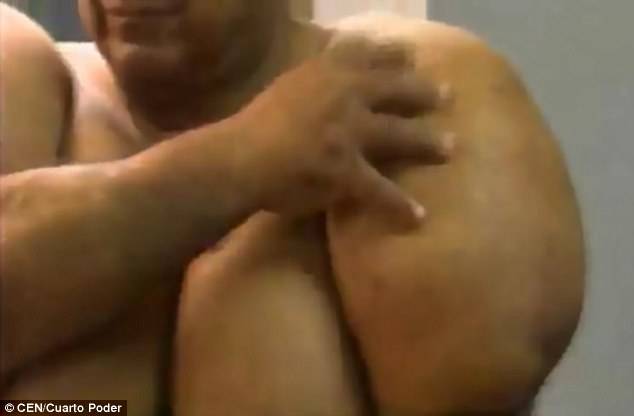
The nitrogen swelled into great sacs and left him suffering from the extreme agony of decompression sickness - also known as the bends.
advertisement
#6
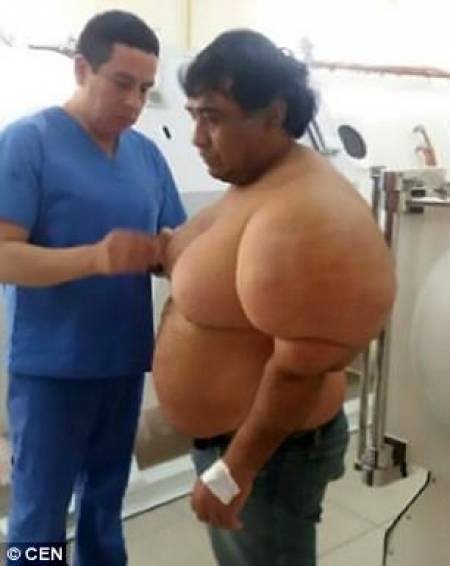
Doctors were stunned by the effects of nitrogen on his body.Alejandro's case, where nitrogen has stuck in balloon-like pods around his muscles, is believed to be unique.
advertisement
#7
Factors that put you at higher risk of decompression sickness include:
Heart muscle birth defects, including patent foramen ovale, atrial septal defect, and ventricular septal defect
Being older than 30
Being female
Low cardiovascular fitness
High percentage of body fat
Use of alcohol or tobacco
Fatigue, seasickness or lack of sleep
Injuries (old or current)
Diving in cold water
Lung disease
advertisement
#8
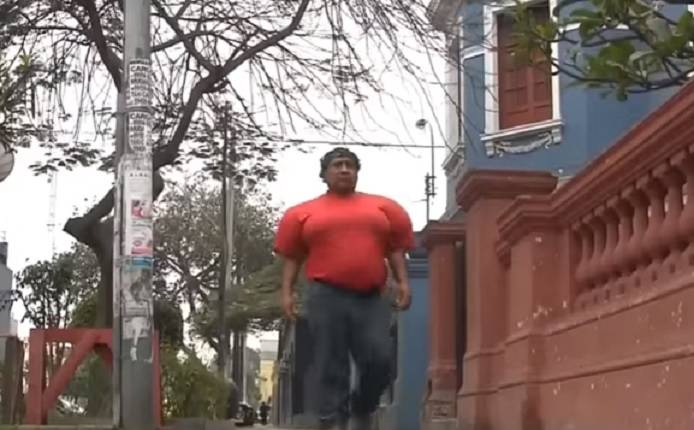
Alejandro endures severe pain and walks with difficulty because of the accident.
advertisement
#9
He also suffers from serious hypertension.
advertisement
#10
Symptoms of decompression sickness include:
Joint pain
Dizziness
Headache
Difficulty thinking clearly
Extreme fatigue
Tingling or numbness
Weakness in arms or legs
A skin rash
In rare cases, it can also cause paralysis or worse – death.
advertisement
#11
Performing surgery on him can be risky since the nitrogen bubbles are attached to the muscles.
advertisement
#13
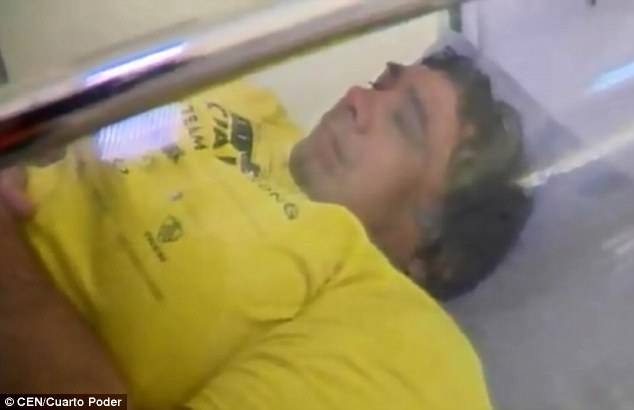
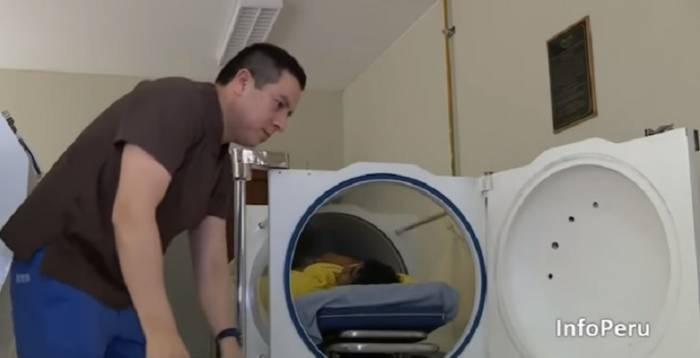
The best that doctors can do is to administer oxygen therapy.
#14
Through this method, San Juan de Dios hospital doctor Miguel Alarcon said that he and his colleagues were able to reduce 30 percent of the volume of nitrogen in Martinez’s body.
advertisement
#15
According to Peruvian news site Alvaroz (via Oddity Central), Martinez is eligible for surgery to improve his appearance if doctors are successful in further reducing the volume of nitrogen in his body. However, such procedure could cost $100,000, which he could not afford.
#12
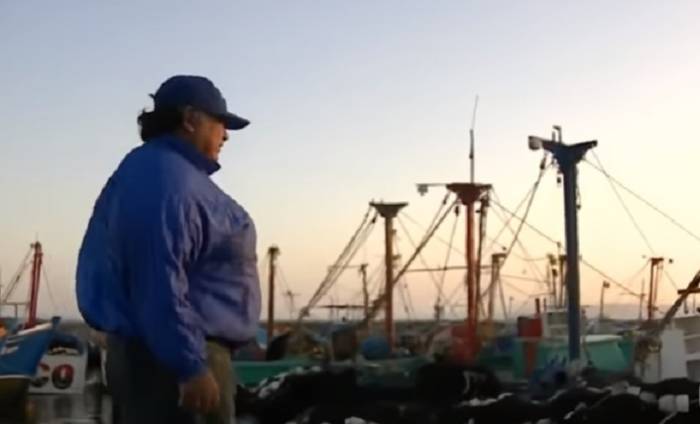
It was not clear what caused Alejandro to ascend so fast that he contracted the bends - or how he makes his living now that he can no longer dive.
advertisement
#16
To minimize the risk of decompression sickness while diving:
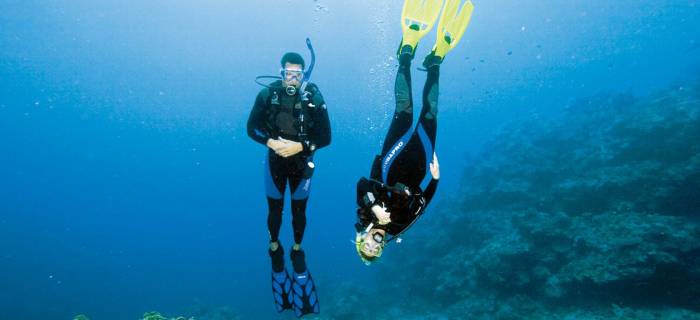
Dive and rise slowly in the water, and don't stay at your deepest depth longer than recommended. Scuba divers typically use dive tables that show how long you can remain at a given depth.
Do not fly within 24 hours after diving.
Don't drink alcohol before diving.
#17
Avoid hot tubs, saunas or hot baths after diving.
Make sure you are well hydrated, well rested and prepared before you scuba dive. If you recently had a serious illness, injury or surgery, talk to your doctor before diving.
advertisement
#18
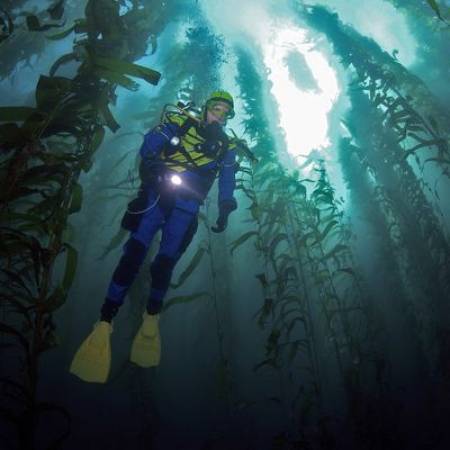
Some people should avoid diving altogether, or should consider special risks. If you have a heart defect, it is not safe to dive. If you have asthma, a history of a ruptured lung at any time in your life or another lung disease, discuss diving safety with a doctor before deciding whether to dive.
#19
A person who requires insulin to treat diabetes may have wide swings in blood glucose levels during a dive, and caution is advised.
advertisement
#20
Avoid diving if you have a groin hernia that has not been repaired since expanding gas in a hernia can cause symptoms.