

Skilled diver cancels Titanic tour to assist in rescue operations of the missing submarine, emphasizing the need for composure and preserving oxygen supplies. Submarine crews are trained to remain calm and react effectively during emergencies.
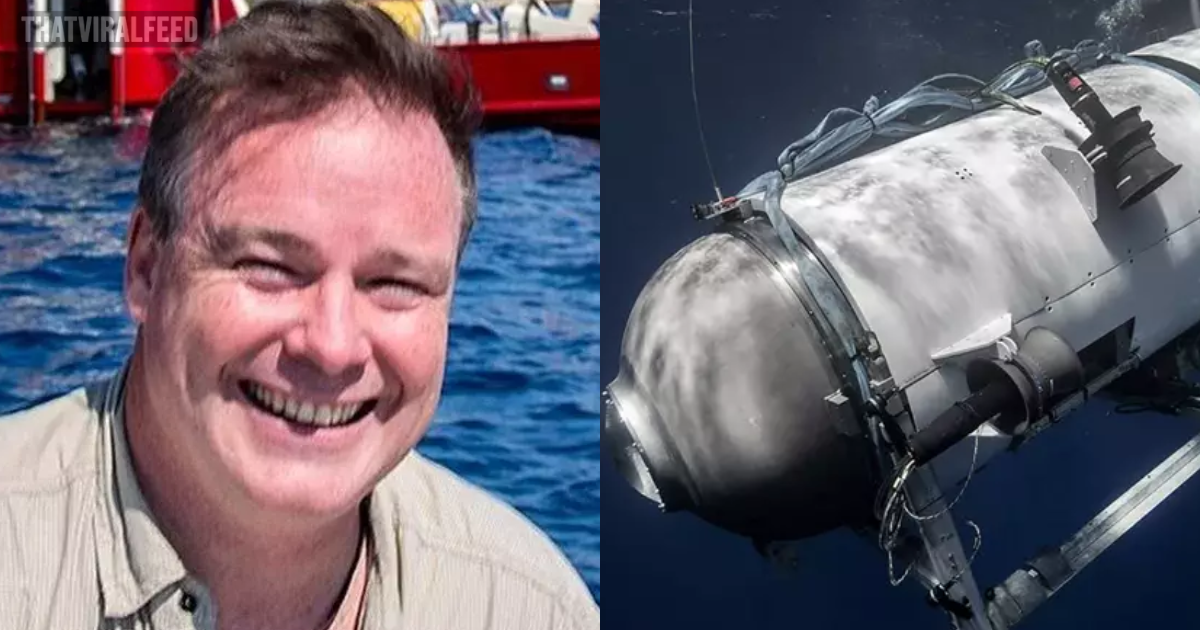
Diver Who Pulled Out Of Missing Titanic Tour Days Before Is Now Helping To Find Missing Submersible
By
Haider Ali in
News
On 21st June 2023
advertisement

Credit: tekdiveusa.com
A skilled diver who was scheduled to board the missing submarine canceled the Titanic tour just days prior and is now assisting with rescue operations.
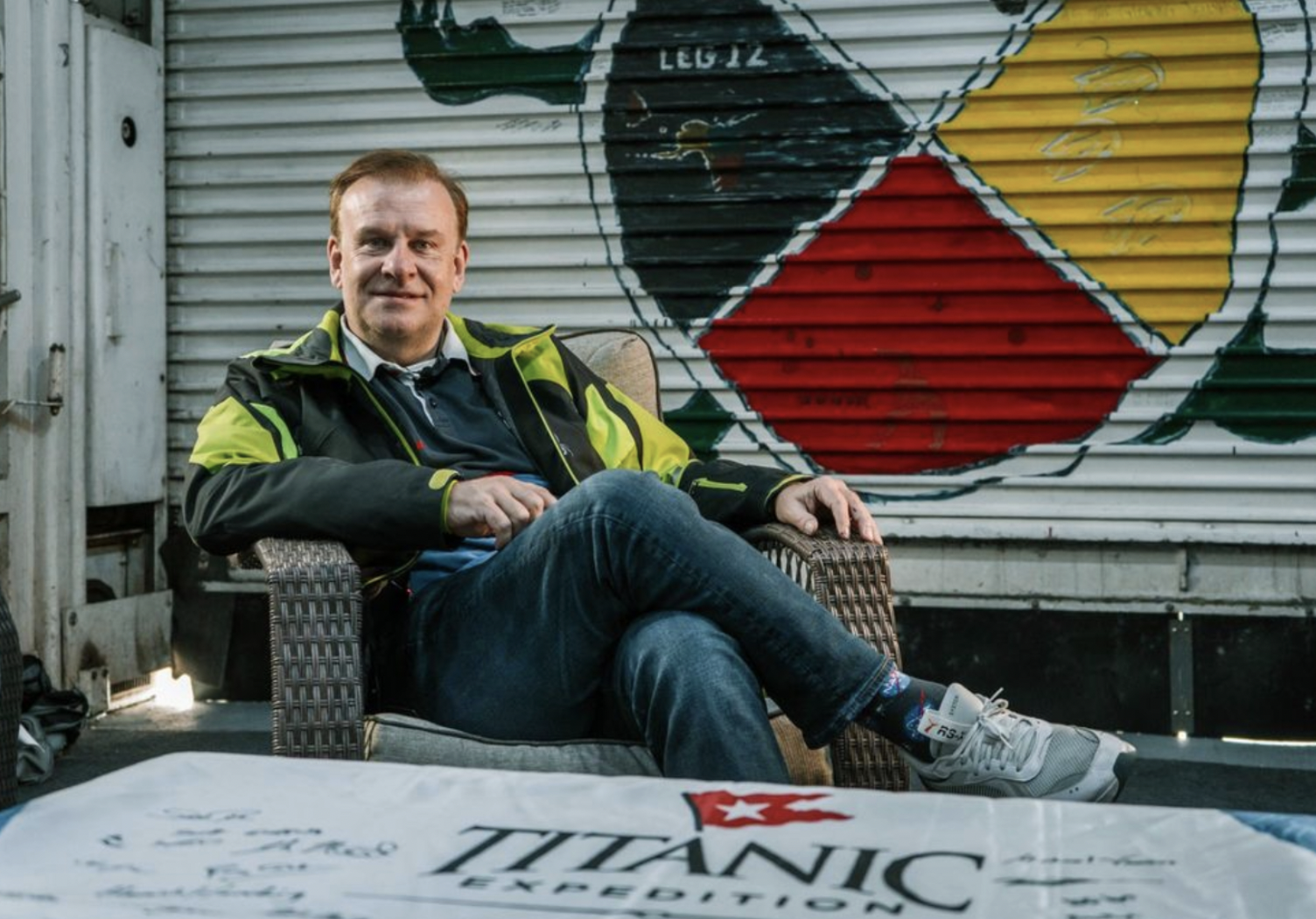
Lawyer David Concannon, a "New Jersey wreck diver," has nearly four decades of diving experience and has previously investigated a number of shipwrecks.
Concannon wrote on social media that he had to cancel his trip on the lost Titanic tourist submarine owing to a work-related situation.
advertisement
Alamy
Concannon continued, "I immediately agreed" when I was asked to assist in the rescue efforts.
He explained: "Dear Friends, Re: Titanic. As I posted last week I was supposed to be on this expedition and, indeed, on this dive, but I had to cancel to attend to another urgent client matter.”
"Last night, I was called and asked to provide whatever assistance I could to ensure the safe return of everyone in the sub. Of course, I immediately agreed.”
advertisement
"I know you are concerned for the safety of me and everyone at sea, but PLEASE STOP calling, texting, messaging, sending carrier pigeons and all other forms of communication during this critical time. You are interfering with more important communications that need to be made to resolve this situation as quickly and as safely as possible. Thank you!”
The submersible, which vanished on Sunday (18 June), was meant to transport tourists to the Titanic ruin, which is located nearly 400 miles off the Canadian province of Newfoundland.
advertisement
When it vanished, there were five individuals on board; among them were British billionaire Hamish Harding, Shahzada Dawood, 48, and his son Sulaiman Dawood, 19.
The missing vessel's owner, OceanGate Expeditions, issued the following statement: “Our entire focus is on the crewmembers in the submersible and their families.”
advertisement
On 19 June Rear Admiral John Mauger stated the ship was built with a 96-hour "emergency capability", which implies it has 96 hours' worth of oxygen supplies.
"We anticipate there is somewhere between 70 and the full 96 hours available at this point."
advertisement
In a recent interview with the BBC, Owen shed light on the importance of composed behavior and cautioned against frantic movements that could deplete vital resources, specifically oxygen supplies. While submarines typically carry provisions to sustain occupants for up to 96 hours, the duration can be significantly reduced if panic ensues and individuals start moving around excessively.
advertisement
Owen's insight into this matter underscores the criticality of remaining calm in such confined and potentially stressful environments. A submarine's oxygen supply is carefully calibrated to sustain the crew throughout their mission, factoring in normal breathing rates and minimal physical exertion.
advertisement
However, if panic takes hold and occupants begin to engage in unnecessary movements or hyperventilation, the rate at which oxygen is consumed can skyrocket, putting everyone at risk.
To mitigate the risks associated with panic, submarine crews undergo rigorous training and are instilled with the importance of remaining calm and composed under pressure.