Do You Know What Really Causes That Sunburn?
By
Suzanne in
Facts
On 24th August 2016
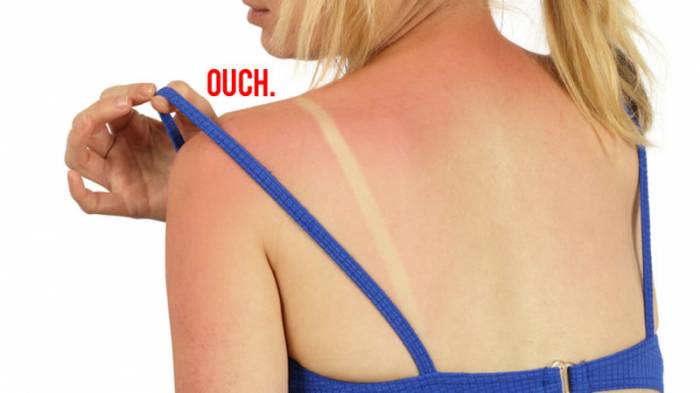
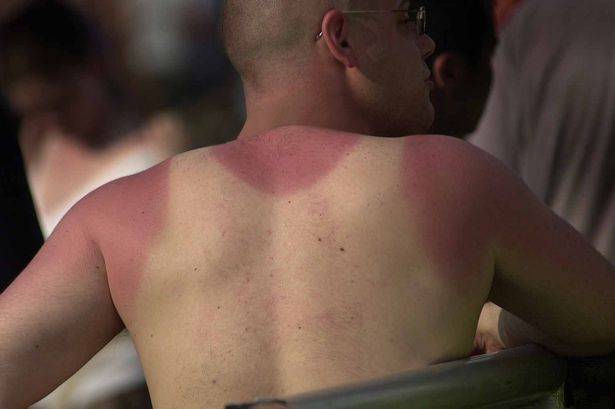
Summer means lots of out-of-doors time. Whether at beaches, barbeques, hanging out in the park or at the pool, most people catch more sun rays this season than other times of the year. In the process, some will get a suntan while others, unfortunately, will experience the painful redness, peeling, and blistering that can occur with a bad sunburn.
Here's the science behind how the skin tans or sunburns while hanging out on the beach or park in the summer.
#1
This is set to be the hottest summer on record and many of us know the all-too-painful feeling of having sunburn, resulting in that tight, aching, bright red skin that leaves us in agony.
#2
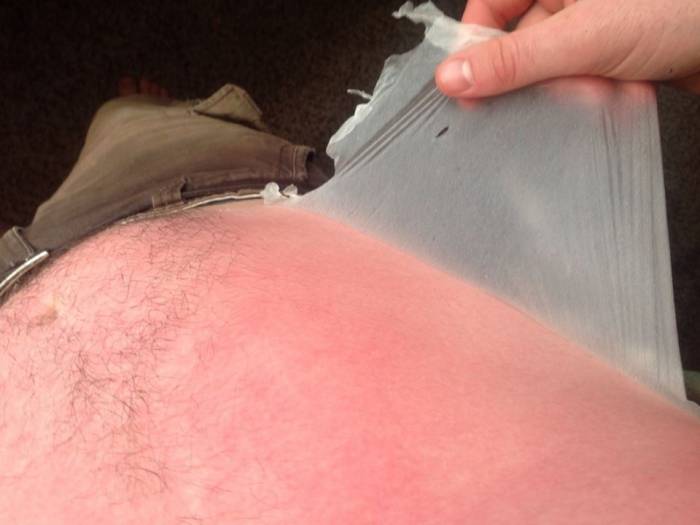
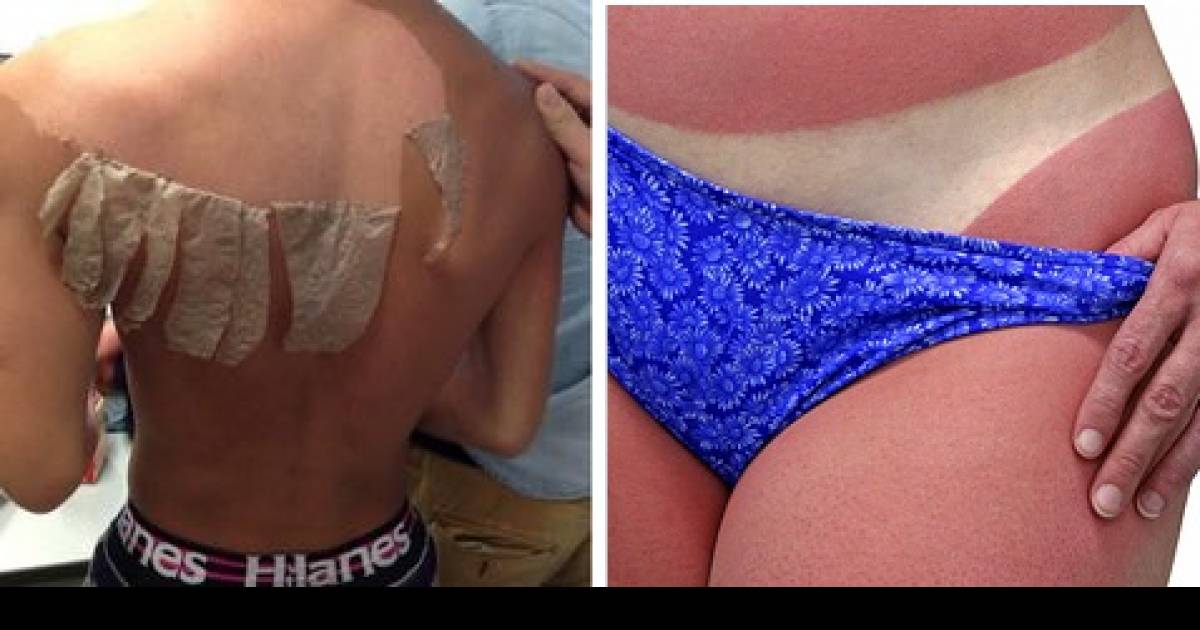
A few days later, we get the disgusting task of pulling the dead skin from our peeling bodies.
#3
Aside from being unsightly and irritating, getting sunburn dramatically increases the odds of getting skin cancer. In order to understand why that is, we need to know what actually happens when we get burned by the sun.
#4
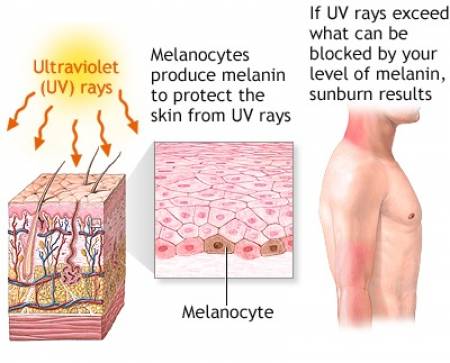
It might seem like sunburn happens the same way regular burns do, and the redness and flakiness is a byproduct of our skin being "cooked" by the heat of the sun. As Anna Rothschild of Gross Science explains in her latest video, this isn't the truth the truth is much stranger.
#5
The ultraviolet (UV) radiation that causes sunburns doesn't actually heat us up at all. Instead, it affects on a deep, cellular level, and our bodies have a really strange way of responding to it.
#6 Learn the surprising thing that actually makes our skin turn hot and red here:
#7 The Easiest Ways To Treat A Sunburn
Sunburns are no fun and can be dangerous, but there are ways to alleviate the pain and soothe the burn.
#8 Cool Off
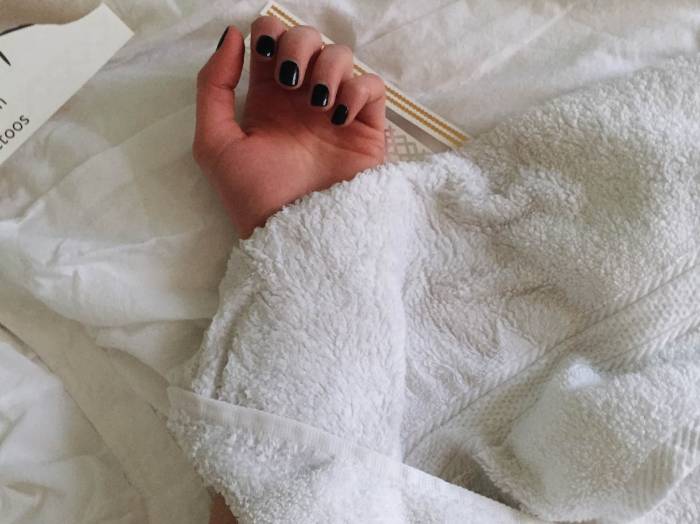
Lightly apply a cool compress like a wet washcloth to the burned skin. However, skip the ice. It can damage your skin or irritate the burn even more. If it's too painful to use a cool compress, you can also run cool water (but not ice cold) over the burn for 10 or 15 minutes.
#9 Soothe the sore
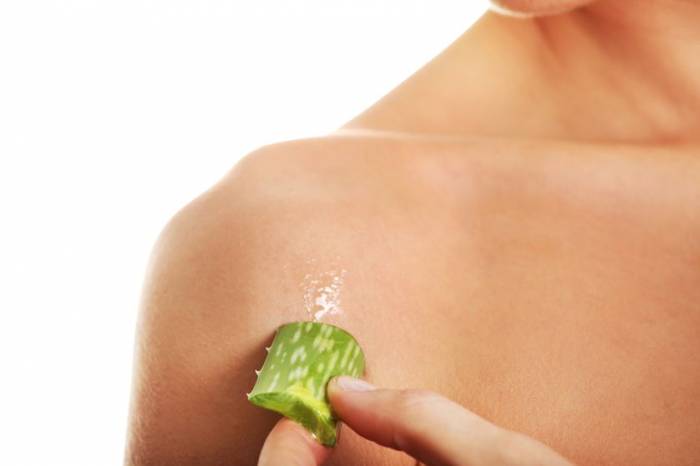
Try applying some aloe to help reduce skin inflammation. Skip skin products that contain alcoholthis may dry out skin even more.
#10 Hit the pharmacy
Taking an anti-inflammatory like ibuprofen or aspirin may help. If your sunburn is extremely uncomfortable, you may be able to get a topical prescription from your doc for diclofenac, which according to one study, may reduce pain and swelling.
#11 Don’t pop the blisters
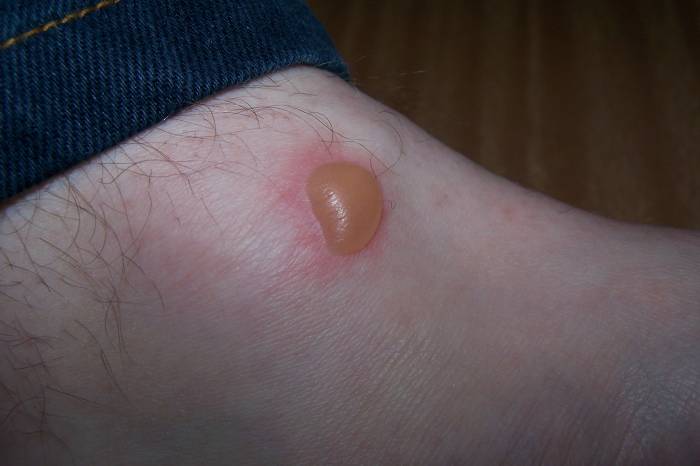
If blisters appear, don't break them. Instead, cover them lightly with gauze. If they do break, apply an antibiotic ointment and then cover them with gauze.
#12 Avoid tight clothing
This sounds like a no-brainer, but if your hands or arms are burned and swollen, remove any tight rings, bracelets or watches while you heal. Likewise, you'll probably be more comfortable in loose clothing.