

Doctors reattached a boy's head after an "internal decapitation" from a car accident. Suleiman Hassan, 12, from Palestine, made an incredible recovery without any neurological issues, thanks to advanced surgery techniques and innovative technology.
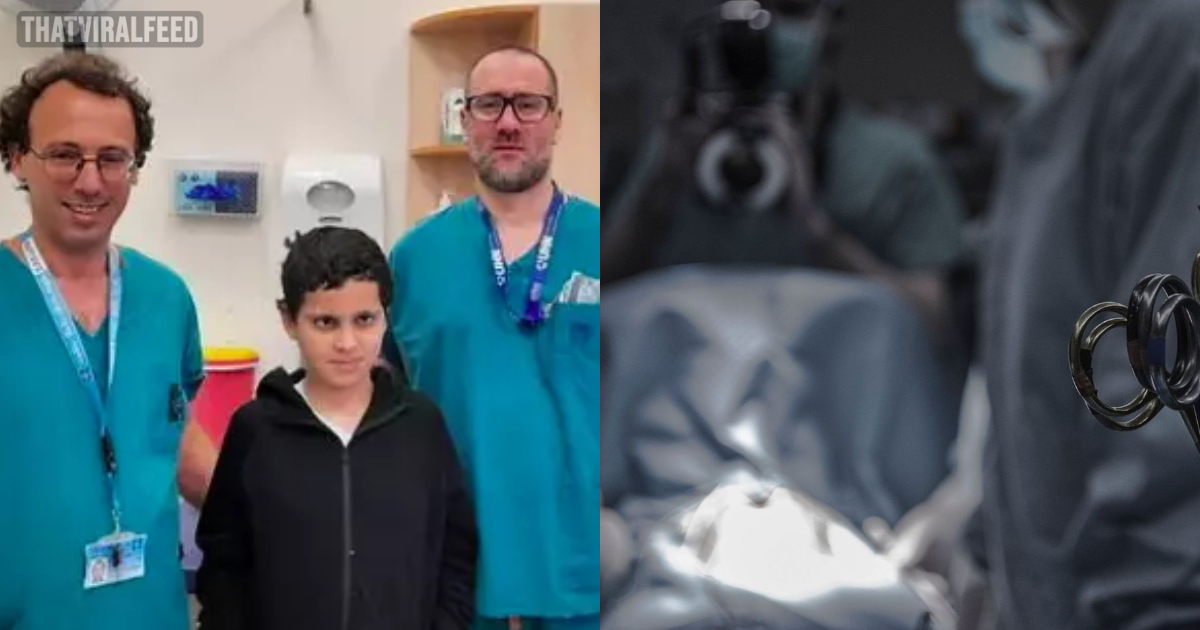
Doctors Successfully Reattach Boy's Head After He Was Decapitated In Car Accident
By
Haider Ali in
Health and Fitness
On 23rd July 2023
advertisement
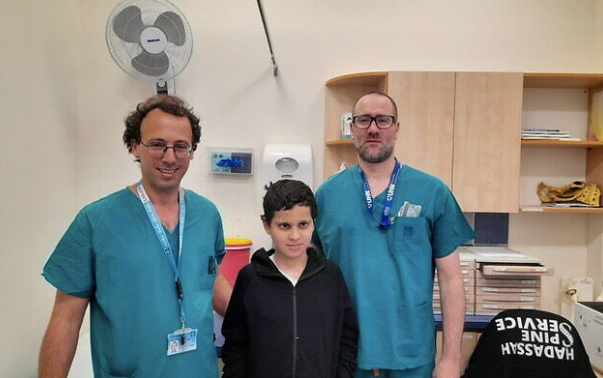
Credit: Hadassah Medical Center
Doctors have successfully reattached a boy's head after it was severed in a car accident, a technique that was previously thought to be impossible.
Suleiman Hassan, 12, of the West Bank, Palestine, was riding his bike when he was struck by a car, resulting in what is described as an "internal decapitation."
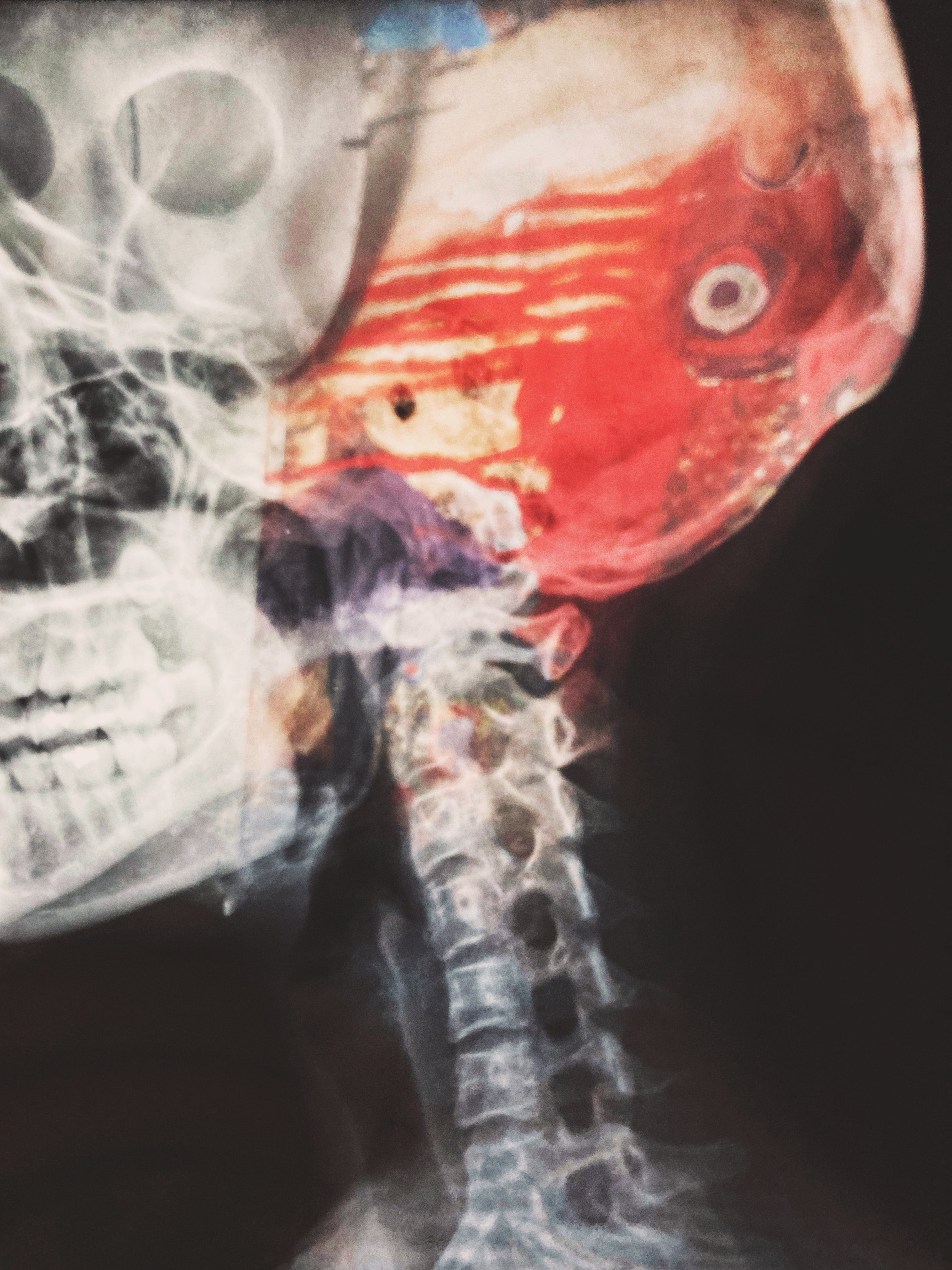
One percent of spinal injuries, or internal decapitations, involve the skull completely separating from the spine while the skin is still attached.
The ligaments and muscles keeping the skull in place can be torn by a quick trauma to the head, such as when someone is hit by a car.
advertisement
unsplash
70% pass away immediately or on their way to the hospital.
The small kid had to be taken to Jerusalem's Trauma Unit at Hadassah Ein Kerem following the horrific event.
When Hassan entered the emergency room, his head was "almost completely detached from the base of his neck," according to the medical staff.
Following that, he was taken right away to the operating room, where an intensive care team performed a lengthy, agonizing surgery on him.
advertisement
unsplash
By employing rods, screws, plates, and, less frequently, bone grafts, the skull and spinal column were fused during the procedure.
Unexpectedly, one of the physicians had successfully completed the procedure on adults while completing a recent residency in Toronto, Canada.
advertisement
One of the doctors who performed the patient's miraculous surgery, Dr. Ohad Einav, told The Times of Israel: "We fought for the boy’s life. The procedure itself is very complicated and took several hours.”
"While in the operating room, we used new plates and fixations in the damaged area."
advertisement
He added: "Our ability to save the child was thanks to our knowledge and the most innovative technology in the operating room."
Patients need therapy after surgery to recover neck movement.
advertisement
Although he received treatment in early June, the Israeli hospital didn't reveal the results until a month later when he was given a cervical splint and released. However, physicians will continue to keep an eye on his rehabilitation.
advertisement
Suleiman is currently able to walk unaided and does not have any neurological impairments, or sensory, or motor problems.
His father, who stayed by his bedside the entire time he was recovering, said: "I will thank you all my life for saving my dear only son. Bless you all.”
advertisement
"Thanks to you, he regained his life even when the odds were low and the danger was obvious. What saved him were professionalism, technology, and quick decision-making by the trauma and orthopedics team. All I can say is a big thank you."
The extraordinary success of this groundbreaking procedure serves as a testament to the remarkable advancements in medical science and technology.