

Before you toss your socks aside, you might want to hear what the experts have to say...
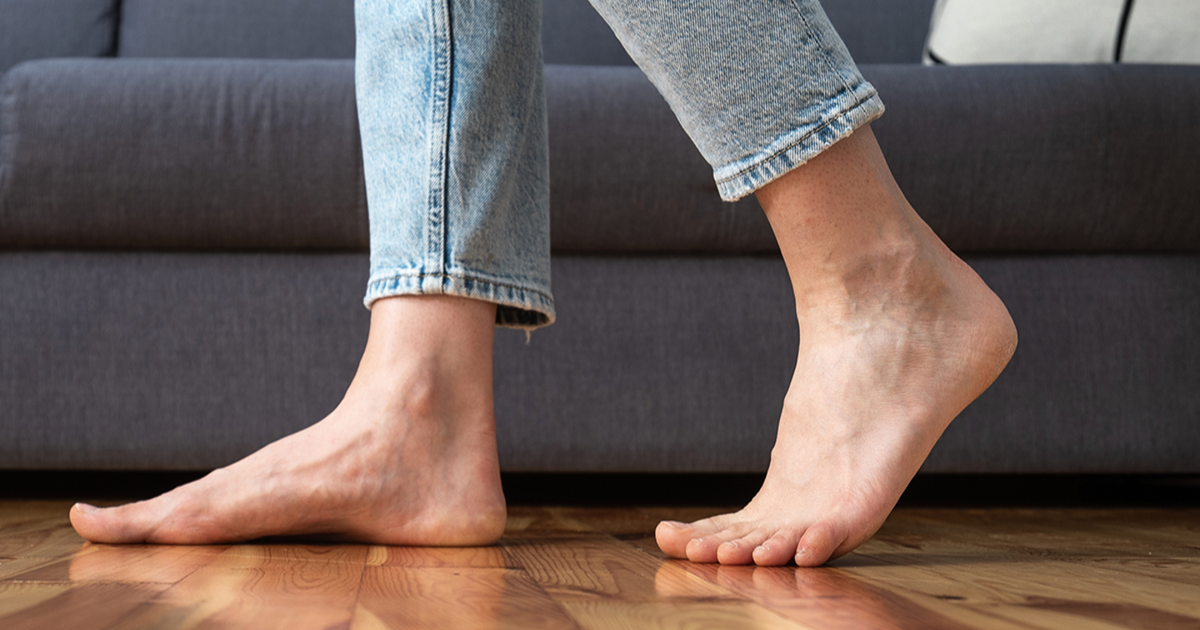
Doctors Caution: Walking Barefoot Regularly May Pose Risks
By
Johny in
Health and Fitness
On 5th March 2025
advertisement
If you're someone who enjoys walking barefoot around your home, health professionals have a few words of caution for you. While it may feel freeing, it does come with certain risks.
Maybe you're the type who jumps out of bed and lets your feet hit the floor first thing in the morning. Or perhaps you prefer to kick off your shoes and socks as soon as you walk through your front door after a long day. Either way, experts have some insights to share—although their opinions on the matter are somewhat divided.
To start with, the Cambridge Dictionary defines going barefoot as walking without any footwear, meaning direct skin contact with the ground. Clinical podiatrist Dr. Robert Conenello supports this definition, emphasizing that true barefoot walking means no socks or barriers between your feet and the surface beneath them.
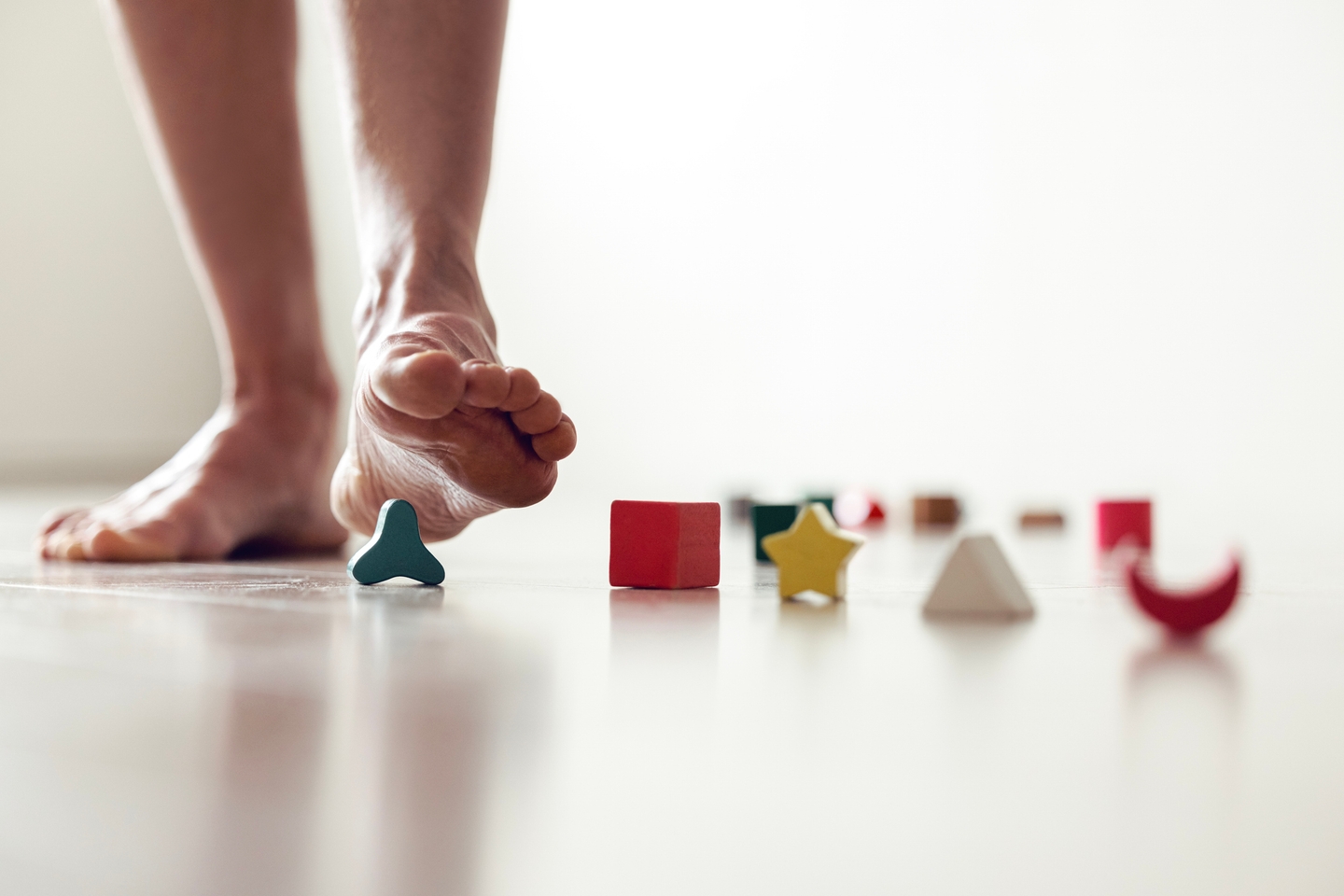
There are some more obvious risks to going barefoot
Getty Images
He added: "Anything else is considered to be shod, as even socks alter the mechanics of movement," reports BuzzFeed.
Despite the warnings, Dr. Conenello is actually a strong proponent of barefoot walking. He openly admits that he is a 'big advocate' for going without shoes or socks because it helps strengthen the intrinsic muscles within the feet.
Like many parts of our bodies, the muscles in our feet tend to weaken as we age. Unfortunately, wearing shoes for prolonged periods can contribute to this decline rather than prevent it.
advertisement
Since these muscles play a critical role in maintaining mobility, losing their strength over time can eventually lead to movement issues as we get older.
"Many of the pathologies that I see in my practice are due to the inability to engage these muscles for normal movements and metabolic efficiency," Conenello added.
From a skin health perspective, dermatologist Dr. Hannah Kopelman agrees that there are some benefits to walking barefoot.
She said: "Walking barefoot at home ... allows your skin to breathe, which can help prevent moisture buildup and reduce the risk of fungal infections like athlete's foot."
Another advantage that often goes unnoticed is how walking barefoot can enhance sensory awareness and overall well-being.
The doctor explained: "Feeling the texture of different surfaces underfoot can be grounding and relaxing, almost like a mini reflexology session."
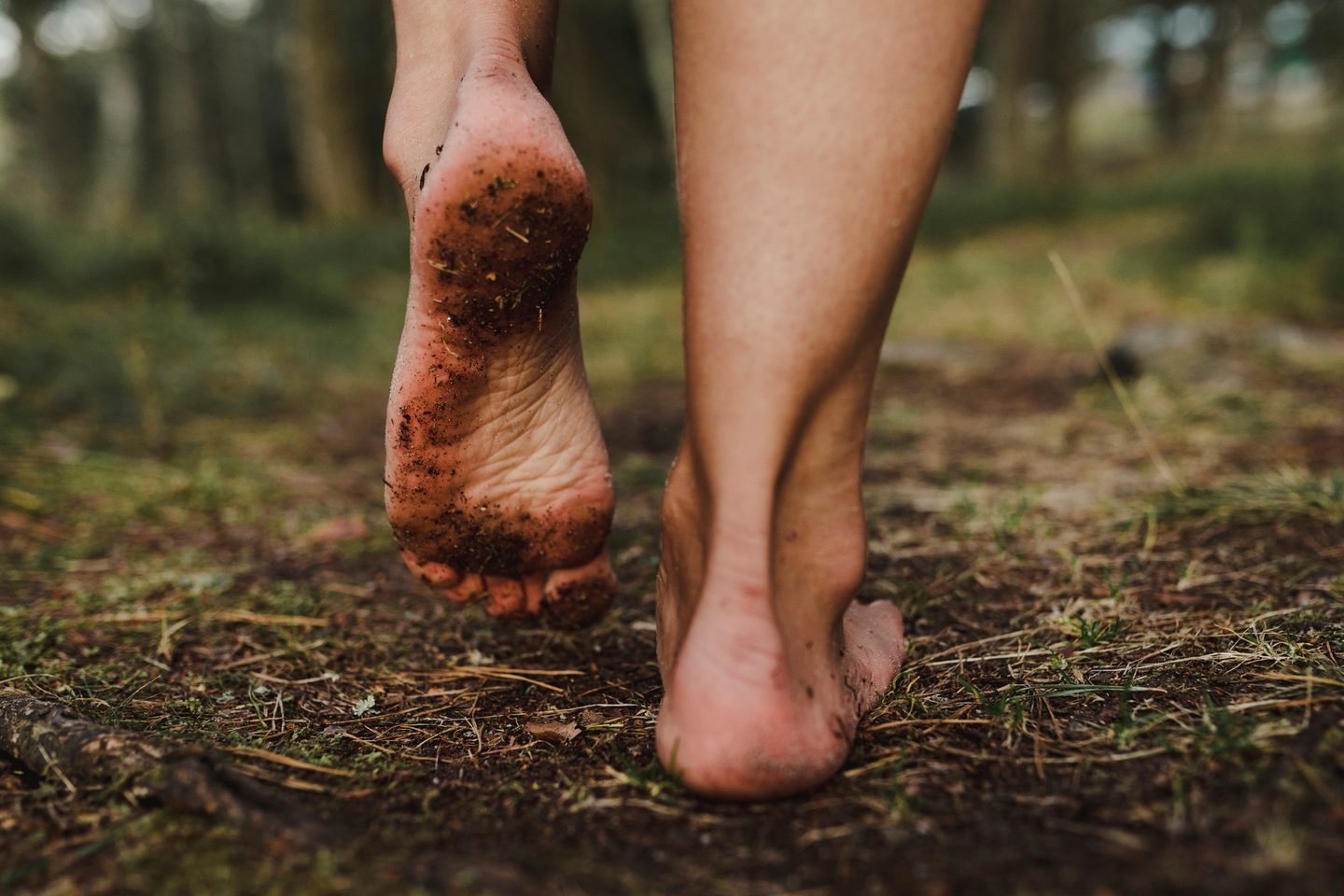
Be careful where you tread
Getty Images
advertisement
"For those without underlying skin or foot conditions, this can be a natural way to connect with your environment and promote mindfulness."
However, before you fully commit to a barefoot lifestyle and declare socks a thing of the past, it’s important to recognize that there are risks involved. The safety of walking barefoot largely depends on where you are doing it and how often you do it.
Dr. Kopelman pointed out that walking barefoot indoors is not always a good idea. Household floors can harbor allergens and irritants, such as cleaning product residues, dust, pet dander, or even small objects like Lego pieces or water spills, which could lead to injury.
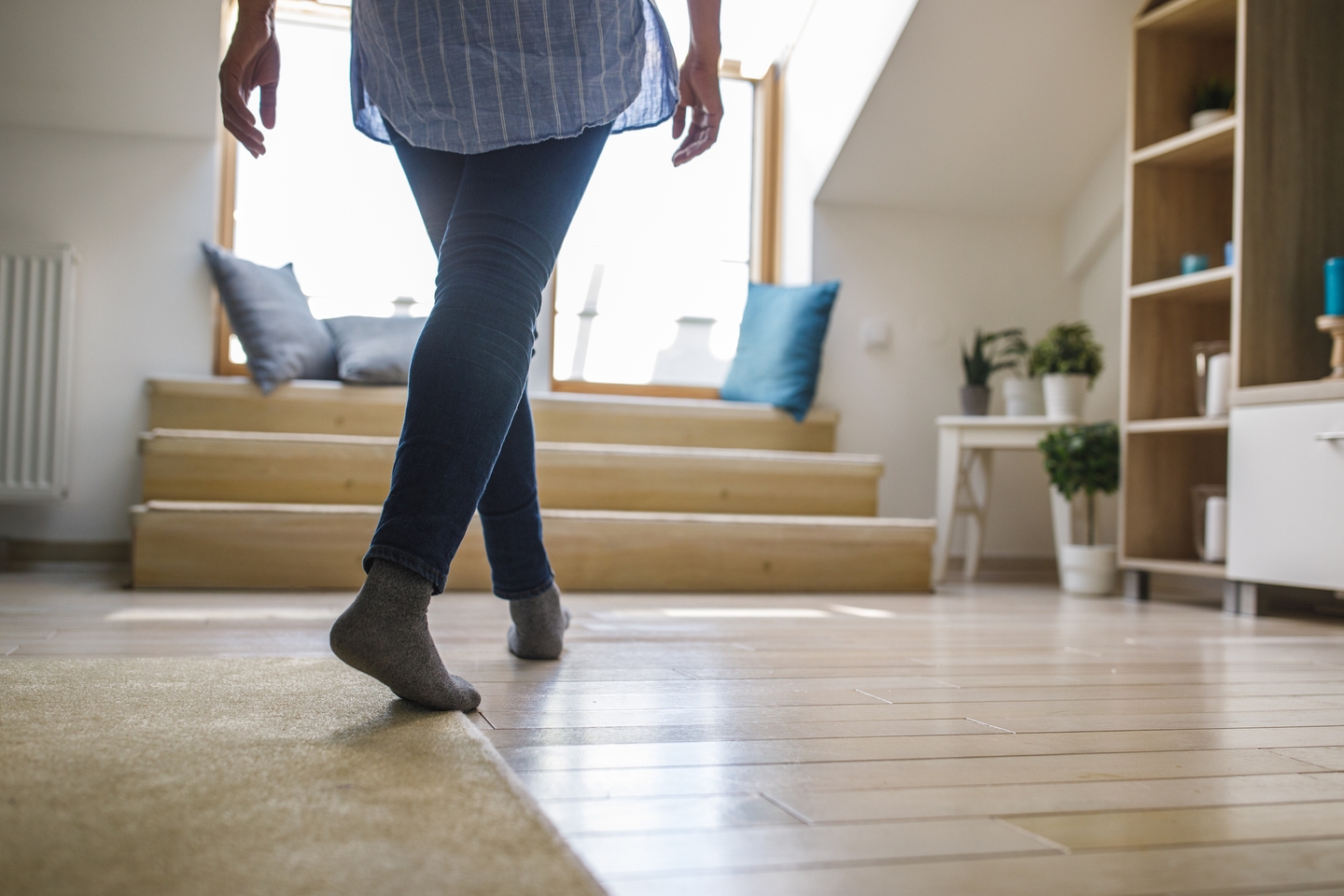
Socks could be the winning ticket when it comes to protecting our feet
Getty Images
advertisement
Individuals with sensitive skin or chronic conditions such as dermatitis, eczema, diabetes, or poor circulation need to be especially cautious. Even minor injuries to the feet can potentially lead to significant health complications.
That being said, most of these risks (aside from the pain of stepping on Lego bricks or plugs) can be minimized with proper hygiene.
Conenello advised: "Wash your feet frequently, dry them thoroughly, and moisturize."
advertisement
Dr. Kopelman also warned that consistently walking barefoot on hard surfaces might cause foot fatigue or even plantar fasciitis, a painful condition that affects the heel and arch of the foot.
"Over time, the lack of cushioning can put stress on the joints, especially in those who already have foot or joint issues," she said.
Dr. Conenello added that spending long periods without any footwear can lead to excessive pressure being placed on certain parts of the foot, particularly if you’re standing for extended durations while doing activities like cooking.
advertisement
The good news is that socks can offer a simple solution. According to Dr. Conenello, socks act as a ‘filter’ between the hard floor and the foot, providing some level of cushioning.
Dr. Kopelman further explained that while socks may not offer as much protection as shoes, they do provide some defense against abrasions and allergens while still allowing the feet to feel relatively unrestricted.