There is a place and a function for everything.
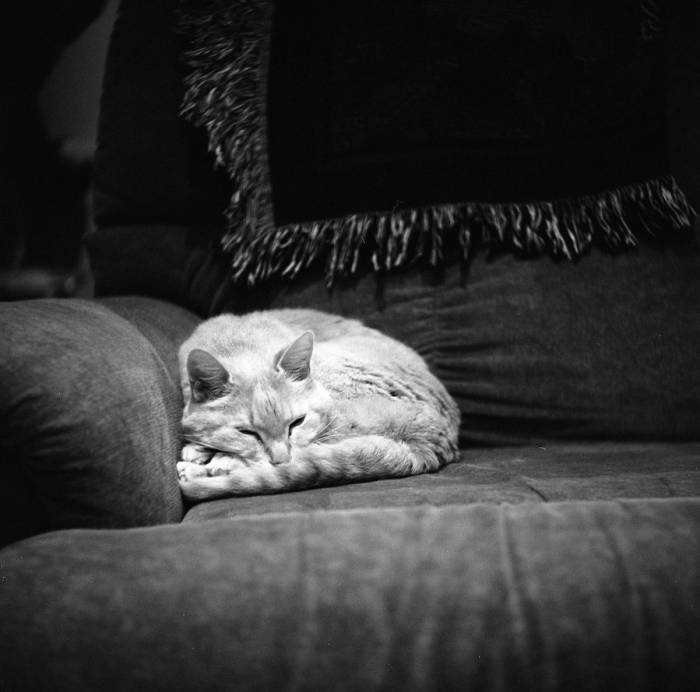
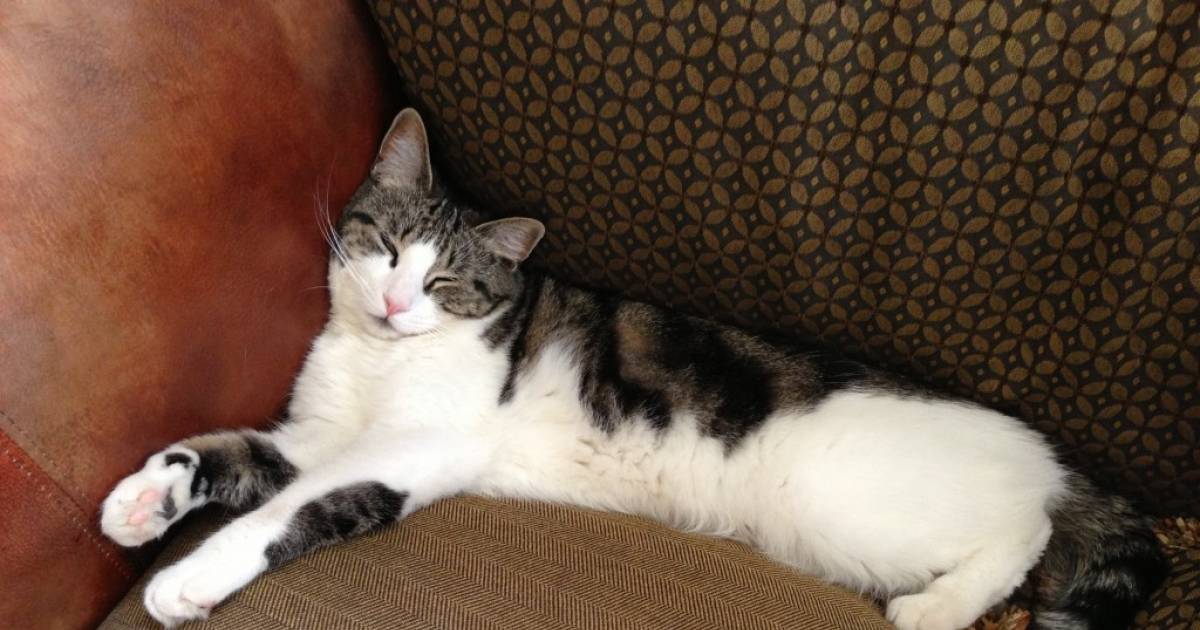
While litter boxes function as feline restrooms, sofas and beds are supposed to be for relaxing, sleeping, and (if we're lucky) cuddling cats. We expect to find cat urine in the litter boxes, not where we unwind and nap.
Cats aren't bad or purposely being naughty, nor are they seeking revenge when they urinate on the couches and the places we sleep. They should never be punished there are legitimate reasons for the unwelcome behavior. Cats' urinating in the wrong places sends a message to everyone in the household that there's a problem that needs immediate attention.
There might be a medical problem
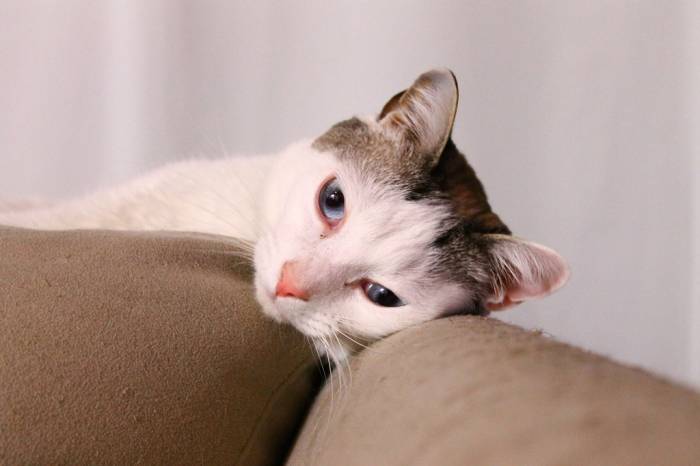
Whenever your cat has a behavior challenge or exhibits a change in behavior, have her examined as soon as possible by a veterinarian. There are no exceptions to this rule. Many serious medical problems can cause cats to avoid using litter boxes. A short list includes urinary tract infections, diabetes, and arthritis as well as a host of other painful and serious conditions.
High places feel safe
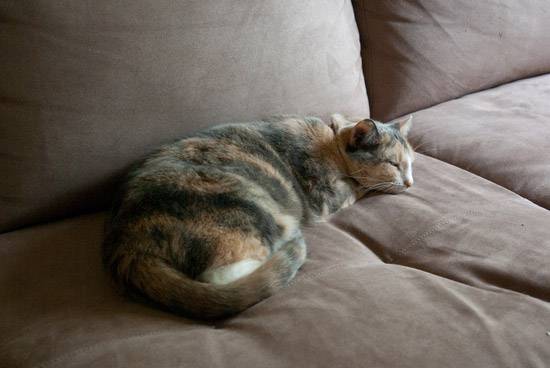
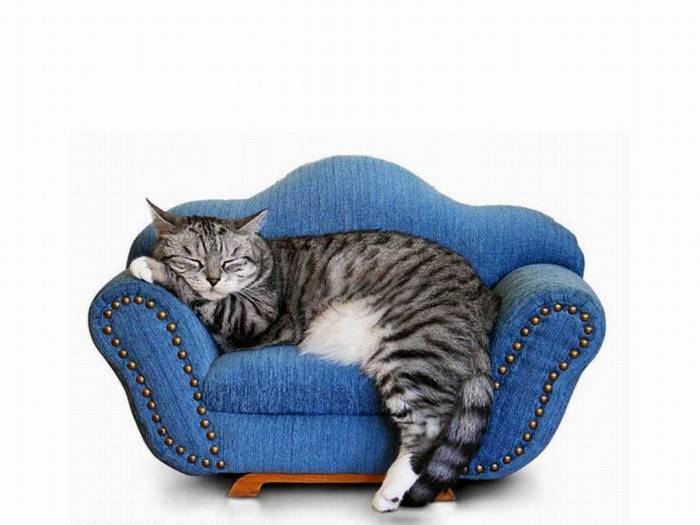
What do sofas, beds, chairs, and counters have in common? They have surfaces that are higher than the floor and have good views. The elevation is perfect for kitties to identify and escape potential threats and stressors. Survival is a priority it's instinctual, cats naturally don't want to be ambushed. Sometimes kitties will urinate on sofas and beds because these places feel safer than their litter boxes. It's harder for other animals to corner and trap them on elevated areas because the perpetrators are easily seen.
There might be problems with the litter box
Sometimes it's the cat owner's fault. The cats just don't feel safe using their litter boxes. From the feline point of view, the locations and types of boxes can be setups for other animals to corner and possibly trap them.
Depending on the stressors, people can help their kitties feel more secure as well as stop or prevent the unwelcome behavior by making a few simple changes to the litter boxes. Cats need choices if one litter box doesn't feel right, there needs to be others located throughout the home. The litter box rule is one per cat and one for the household. If you have three cats, then your special felines need four litter boxes. The locations will make the difference between usage and avoidance. Place them in areas with good views where it would be challenging for other household animals to trap them. Avoid places such as closets, cabinets, and small rooms.
The box itself makes a difference as well. Litter boxes need to be uncovered. Kitties can be trapped and ambushed in covered litter boxes. Other faux pas that can cause cats to avoid their boxes include providing them with litter boxes that are too small and not scooping the boxes at least once a day.

It might be relationship issues
Mild as well as serious disputes with the other resident animals can cause cats to urinate on elevated surfaces. Squabbles are often over status, territory, and resources, and can occur when other animals are introduced too quickly into the household. Dogs can be a source of stress as well some are serious threats, others chase or play too rough. The end result is often the same cats eliminating on areas with good views that they can quickly vacate.
The situation needs to be evaluated new cats should be separated and reintroduced gradually to the other resident animals. Most likely you will have to add more vertical territory cat trees, shelves, and other tall pieces of furniture that the cats can use. One way kitties show their status is by where they sit in relationship to each other. These high places are also refuges from dogs and other threats. They should be at least five feet high. In addition to vertical territory, add scratching posts and horizontal scratchers. One way cats mark their territory is by scratching.
It might be separation anxiety
Kitties are not socially solitary they often form close attachments with people and other animals. Sensitive kitties can become anxious when their favorite person is away from them for an extended period of time. These little ones might respond to the absence by urinating on places such as pillows and beds that are saturated with their human's scent. They're mingling their own scents with that of their beloved.
Although separation anxiety can be heartbreaking, there are steps you can take that will help your cat feel more secure when left alone. These include enlisting someone to either stay with your cat or visit at least twice a day. During their visits they should interact with her, doing activities she enjoys, such as play and maybe grooming. Your scent can help your kitty feel like she hasn't been abandoned. Before leaving, place small towels and other articles of clothing that have your scent on them in sealable plastic bags one for each day you'll be away. Your cat sitter needs to put one new scented item out every day for your cat.

When kitties urinate on elevated surfaces, they are sending a clear message that there is a potentially serious problem.
Although frustrating, never punish the cat for the behavior. Instead, identify the reasons for the behavior and address them. If you can't resolve the problem, then get help from a qualified expert certified in behavior.