Does Your Heel Hurt in the Morning or Whenever You Stand Up? Here’s What You Need to
#1
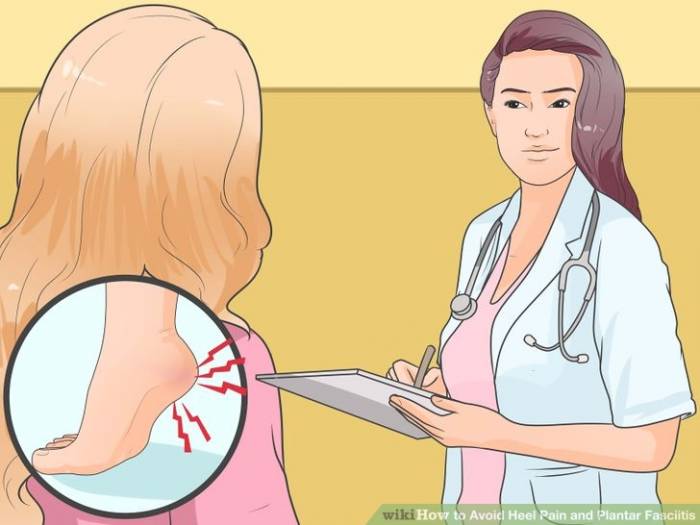
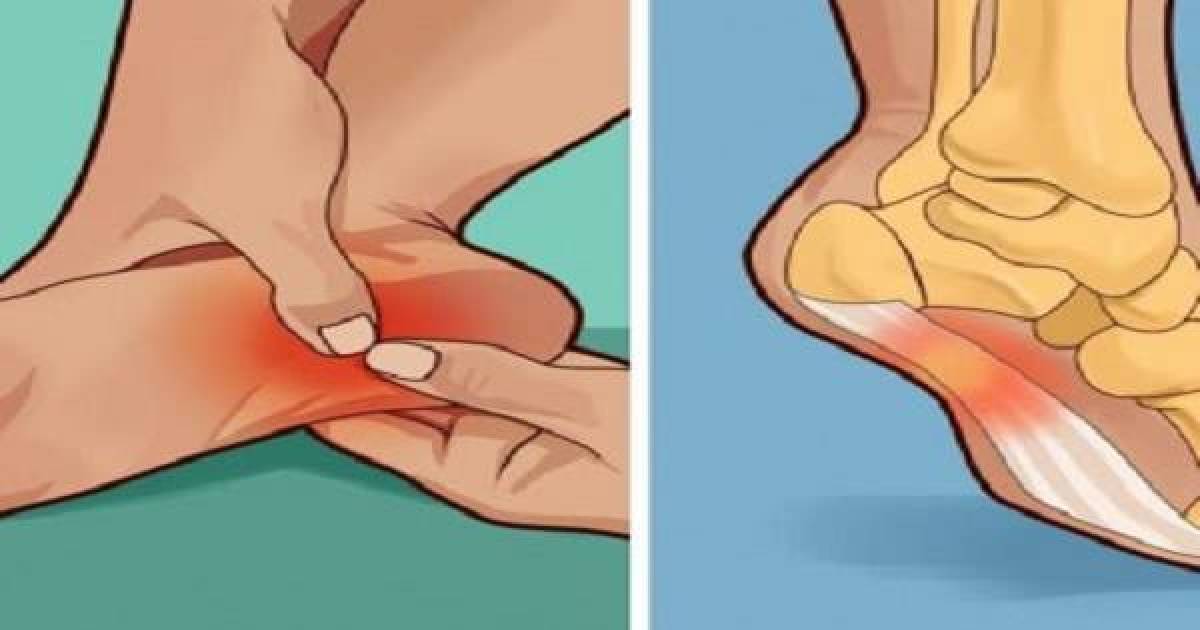
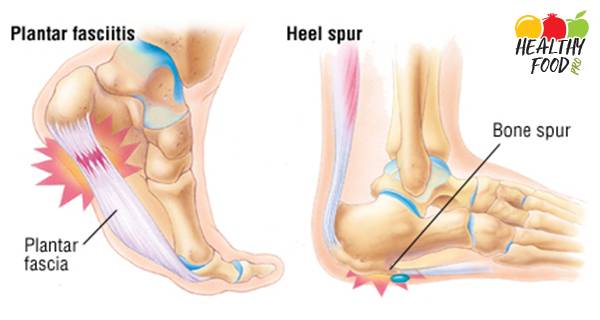
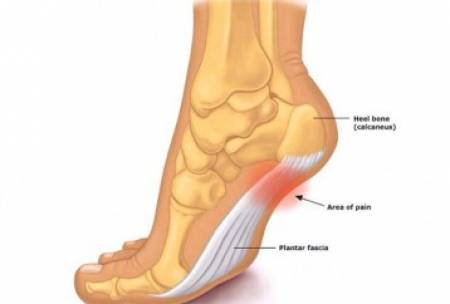
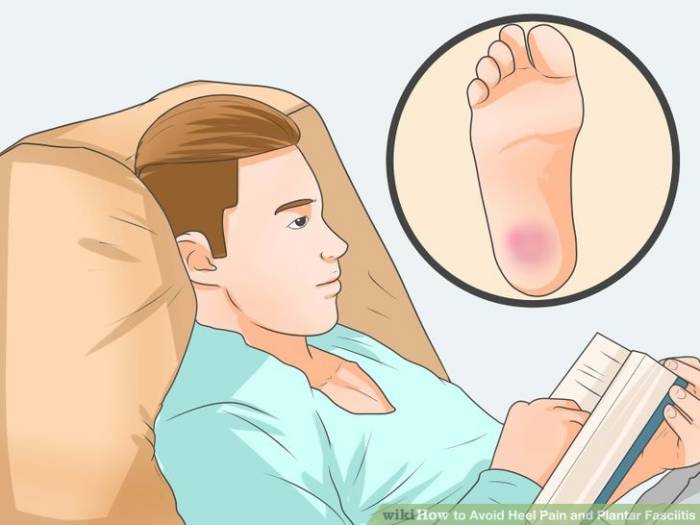
If your first few steps out of bed in the morning cause severe pain in the heel of your foot, you may have plantar fasciitis (fashee-EYE-tiss), an overuse injury that affects the sole of the foot. A diagnosis of plantar fasciitis means you have inflamed the tough fibrous band of tissue (fascia) connecting your heel bone to the base of your bones.
#2
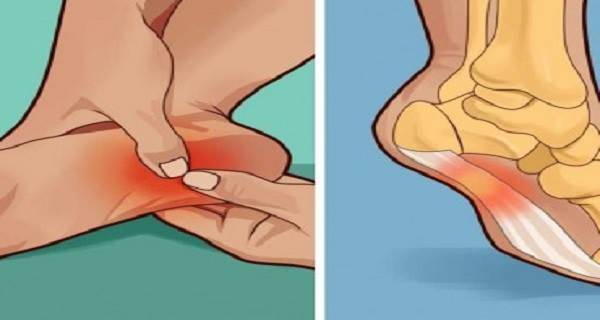
You're more likely to develop the condition if you're female, overweight or have a job that requires a lot of walking or standing on hard surfaces. You're also at risk if you walk or run for exercise, especially if you have tight calf muscles that limit how far you can flex your ankles. People with very flat feet or very high arches also are more prone to plantar fasciitis.
The condition typically starts gradually with mild pain at the heel bone often referred to as a stone bruise. You're more likely to feel it after (not during) exercise. The pain classically occurs right after getting up in the morning and after a period of sitting.
If you don't treat plantar fasciitis, it may become a chronic condition. You may not be able to keep up your level of activity, and you may develop symptoms of foot, knee, hip and back problems because plantar fasciitis can change the way you walk.
#3 Treatment
Stretching is the best treatment for plantar fasciitis. It may help to try to keep weight off your foot until the initial inflammation goes away. You can also apply ice to the sore area for 20 minutes three or four times a day to relieve your symptoms. Often a doctor will prescribe a nonsteroidal anti-inflammatory medication such as ibuprofen or naproxen. Home exercises to stretch your Achilles tendon and plantar fascia are the mainstay of treatment and reduce the chance of recurrence.
#4 Stretching Solutions
Taut muscles in your feet or calves aggravate plantar fasciitis. Soothe or prevent the pain with some of these easy stretches recommended by personal trainer and triathlete Deborah Lynn Irmas of Santa Monica, Calif. Irmas, who is certified by the American Council on Exercise (ACE), endured bouts of plantar fasciitis after overtraining with too many sprints. This stretching routine, which she practices and recommends to her clients, keeps her free of heel pain.
#5 Grab a Chair and Stretch Your Plantar Fascia
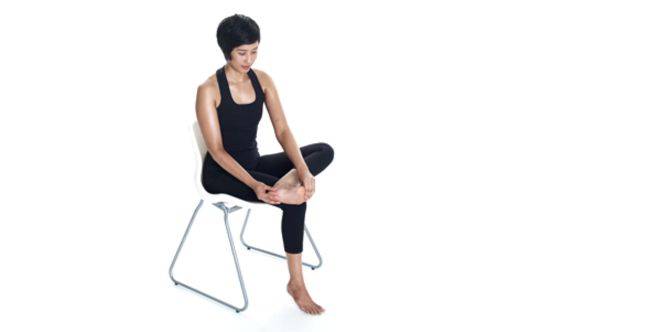
These three seated stretching exercises will also help relieve plantar fasciitis. Remember to sit up straight while you do them
While seated, roll your foot back and forth over a frozen water bottle, ice-cold can, or foam roller. Do this for one minute and then switch to the other foot.
#6 Toe Stretch
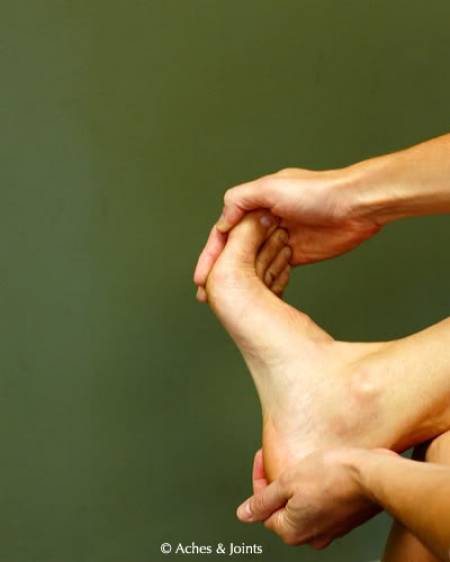
Next, cross one leg over the other for the big toe stretch. Grab your big toe, pull it gently toward you, and hold for 15 to 30 seconds. Do this three times, then reverse and do the same with the other foot.
#7 Exercise Strap
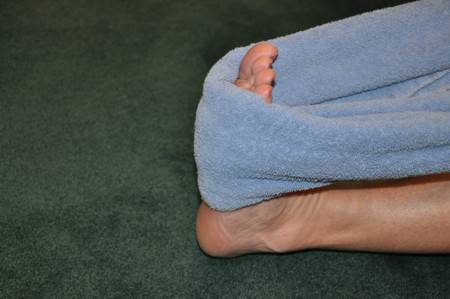
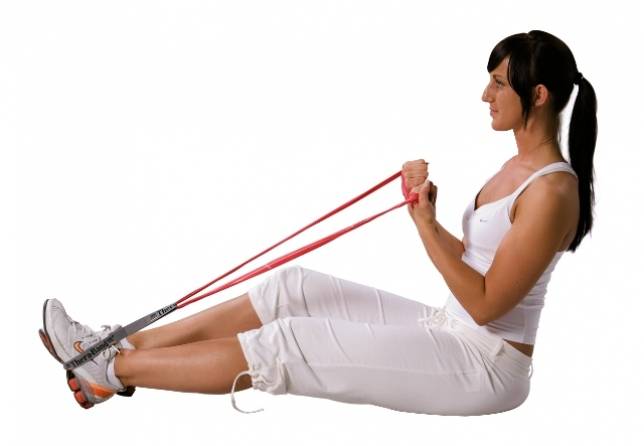
For the third seated exercise, fold a towel lengthwise to make an exercise strap. Sit down, and place the folded towel under the arches of both feet. Grab the ends of the towel with both hands, and gently pull the tops of your feet toward you. Hold for 15 to 30 seconds, and repeat three times.
Not only can these stretches help to reduce heel pain, but doing them faithfully before your workout "absolutely can prevent plantar fasciitis," says Irmas.
#8 Some Other Tips and Precautions
Ease Up
You'll need to give running a rest until the inflammation in your plantar fascia calms down. Runners heal at different paces, but Irmas generally suggests taking about two weeks off. Ice your plantar fascia, perform the stretches, and take an anti-inflammatory medication like ibuprofen if you need it.
Start Slowly
When rest and ice have alleviated your heel pain, then you can try "tiny runs," Irmas says. "Run a short distance slowly, like from one telephone pole to the next. Stop at each telephone pole to stretch." Lengthen the runs gradually by running the distance between two telephone poles (or houses, trees, or another marker you identify on your route). Continue to stop at each marker and punctuate your run with calf stretches, Irmas says.
#9 More Support
While rest and regular stretching help mend plantar fasciitis, be sure you have sturdy shoes when you get back out there for your runs. The American Academy of Orthopaedic Surgeons points out that adequate support and proper fit are also important to avoid heel pain and prevent other running-related injuries. Be sure to buy new shoes as frequently as you need to so that they provide the support and cushion your body needs to stay free of injury.