
While the thought of your dog falling ill is certainly not a pleasant one, it’s vital to pay attention to certain signs and messages that your dog is attempting to convey.
These 11 prominent signs could potentially save the life of your fury friend.


While the thought of your dog falling ill is certainly not a pleasant one, it’s vital to pay attention to certain signs and messages that your dog is attempting to convey.
These 11 prominent signs could potentially save the life of your fury friend.
If your dog collapses, especially multiples times, that's obviously a major cause for concern. Collapsing that is met with general fatigue, little or no interaction, and refusal to greet people is often a sign of cancer according to Jake Zaidel, DVM, of the Malta Animal Hospital in New York.
As a word of concern, even if your dog falls down and appears to be 100 percent the following day, a visit to a trusted veterinarian is still necessary. Your dog could be suffering from a hidden or silent medical issue that has yet to be addressed.

While isolated coughing, just like in humans, typically signifies nothing of sorts, persistent coughing is a cause for major concern. If your dog has coughed for several days on essentially a continuous basis, this could be a sign of lung cancer. Additionally, small breeds can develop a chronic cough due to windpipe issues.
Regardless of the final medical diagnosis, perpetual coughing is certainly not normal and a professional examination is needed in order to properly diagnosis and eliminate a variety of potential issues.

According to Dr. Zaidel, weight loss in a dog has been deemed as the number one symptom of cancer. Sudden weight loss, within a matter of weeks, can be a sign of gastrointestinal tumors which can prompt your dog to stop eating entirely.
Additionally, weight loss while maintaining normal eating habits is also a cause for major concern. If your furry friend has continued to eat in his or her normal pattern yet weight has continued to drop, you're advised to take your dog to a veterinarian as soon as possible.

Due to the fact that a dog's mouth is often not the source of detailed examination, many problems can arise that are not noticed until the advanced stages. Bleeding, lumps, sores, and general changes in gum color can be a sign of oral cancer.
As an owner, you're encouraged to have your dog's mouth inspected by a trained professional once every month as a means to stay on top of the situation. Oral cancer during the latter stages can be tough to remedy and the consequences can be fatal.

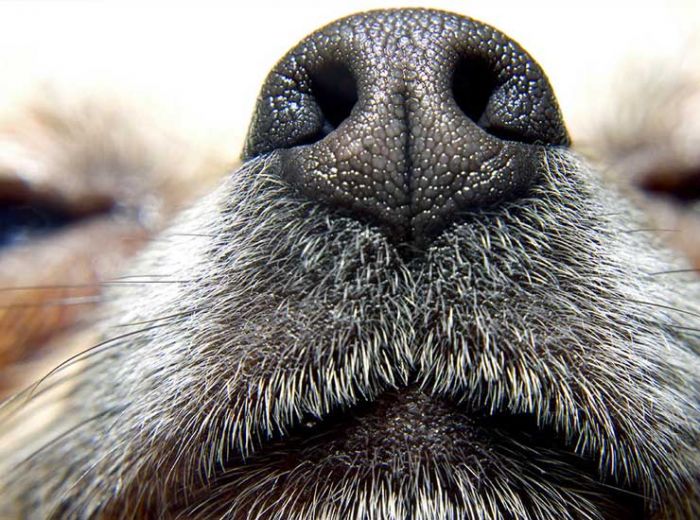
Nosebleeds are never normal for dogs and the occurrence of such a rare event could be a warning sign that your dog is suffering from cancer in the nose. This is especially a point of major concern if your dog has entered his or her senior years. On the contrary, nosebleeds in younger dogs, while cancer is a possibility, could very well be due to the presence of a foreign object.
If you're personally unable to locate the cause, you're advised to take the animal to the veterinarian as soon as possible for a proper diagnosis and much needed care.
While occasional bouts with diarrhea are expected, diarrhea that continues for days at a time or even gets worse in terms of frequency is a red flag and a major cause for immediate medical attention. Additionally, trouble urinating, moving bowels, and stool/urine that includes blood are all symptoms of cancer.
Once a trust veterinarian examines your dog and is made aware of your dog's current diet, the truth of the matter will become clear. Many times the ruling out of various medical issues is as equally important as the final diagnosis.

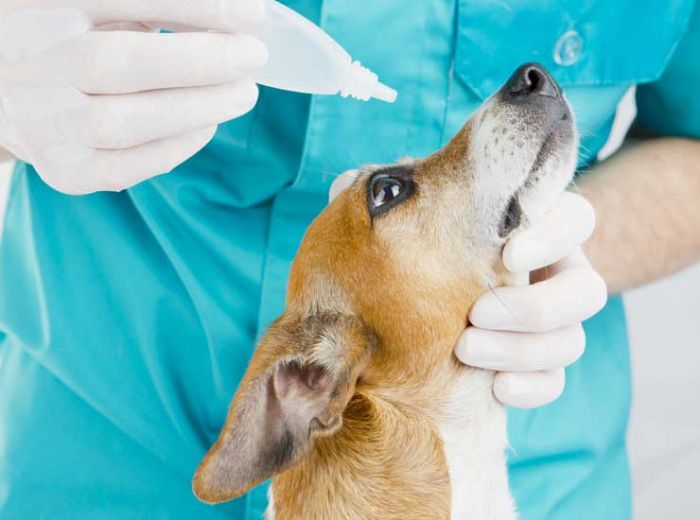
Discharge from your dog's eyes and/or nose is another sign of cancer. Nasal discharge is often a sign of facial cancer while discharge from the eye(s) is typically a sign of a tumor within the eye itself.
Since discharge is quite rare in dogs, this symptom calls for immediate medical attention. While discharge can happen to any dog at any age, this cancer symptom is most commonly found in older dogs.
If your dog is currently exhibiting hasty and uncontrollable movements, sudden bursts of chomping or chewing, violent leg shaking, or foaming at the mouth, these unfortunate symptoms can all potentially be signs of a brain tumor.
Typically associated with older dogs, a brain tumor can befall any dog at any age.
While emergency medical attention is demanded at this stage of symptom manifestation, even urgent care can only do so much if the diagnosis is terminal.

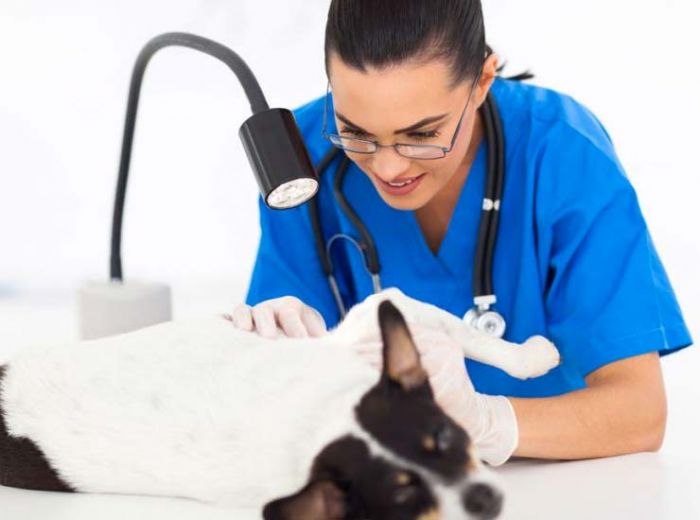
Have you noticed any bumps or lumps on your dog? Have you noticed any hard spots on your dog that you previously failed to notice before? If so, this could be a sign of skin cancer. As an owner, you're advised to take your dog to a trained veterinarian for a full checkup and proper diagnosis.
While various skin issues could be nothing more than benign of fatty tumors, the only way to truly know is through a proper medical examination. If you've encountered a mass on your dog's skin that doesn't show signs of going away, a medical consultation is paramount.
While the aforementioned weight loss is cause for concern and can be a symptom of cancer, your dog's ability to gain weight while still maintaining the same diet is also important. If your dog begins to gain a rapid amount of weight while also displaying a bloated appearance, you're advised to take your beloved animal to the veterinarian for a full checkup.
Not all cancer symptoms result in the stereotypical "skin and bones" appearance. Borderline obesity and bloating are as equally alarming.

While general pain and discomfort can be a symptom of many medical issues, some minor and some severe, pain associated with verbal cries and whines should be recognized.
Does your dog cry or whine when you pick them up? Does your dog make audible noises when you touch specific areas of the the body? Does something as simple as petting of the stomach trigger a negative response? If any or all of these questions ring true, medical attention is needed as soon as possible.
With so many other symptoms noted within this material, it's always important to note that some forms of cancer can cause physical pain.