

Do you have a doppelgänger? Perhaps you're a dead ringer for a famous person? If so, you may have more in common than your appearance.
Doppelgänger Study: People With Similar Faces Have Identical DNA And Behavior
By
Editorial Staff in
Science and Technology
On 25th August 2022
advertisement
The shared biological material seemed to result in similar lifestyle and appearance choices.
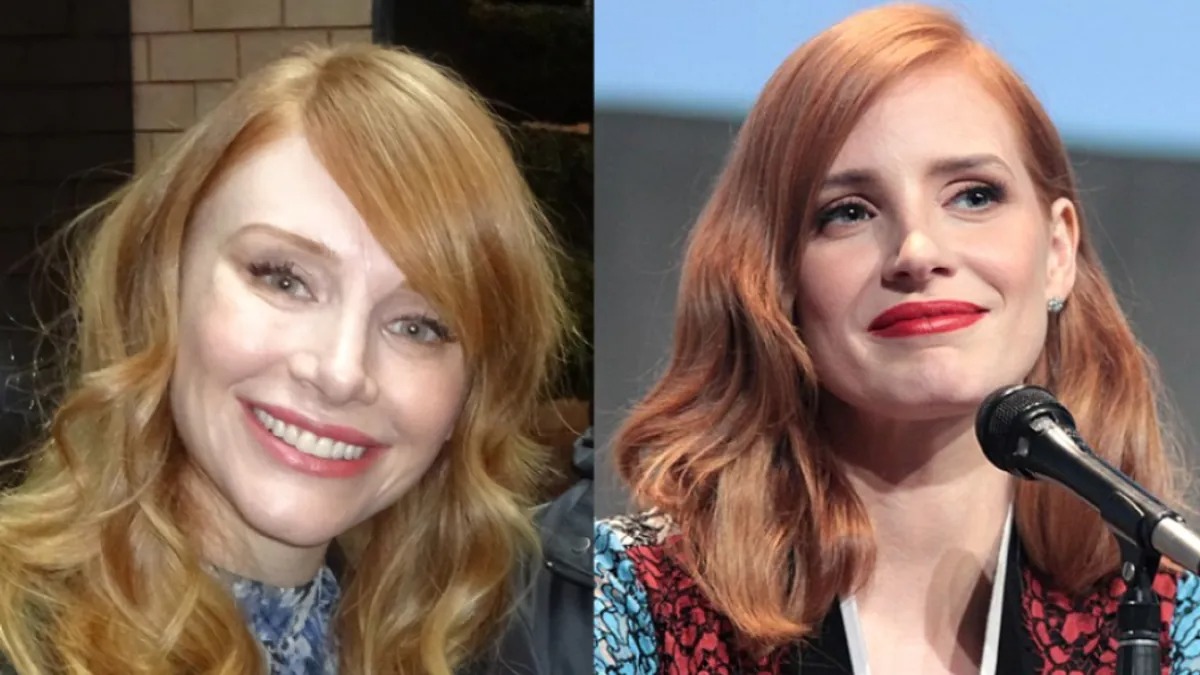
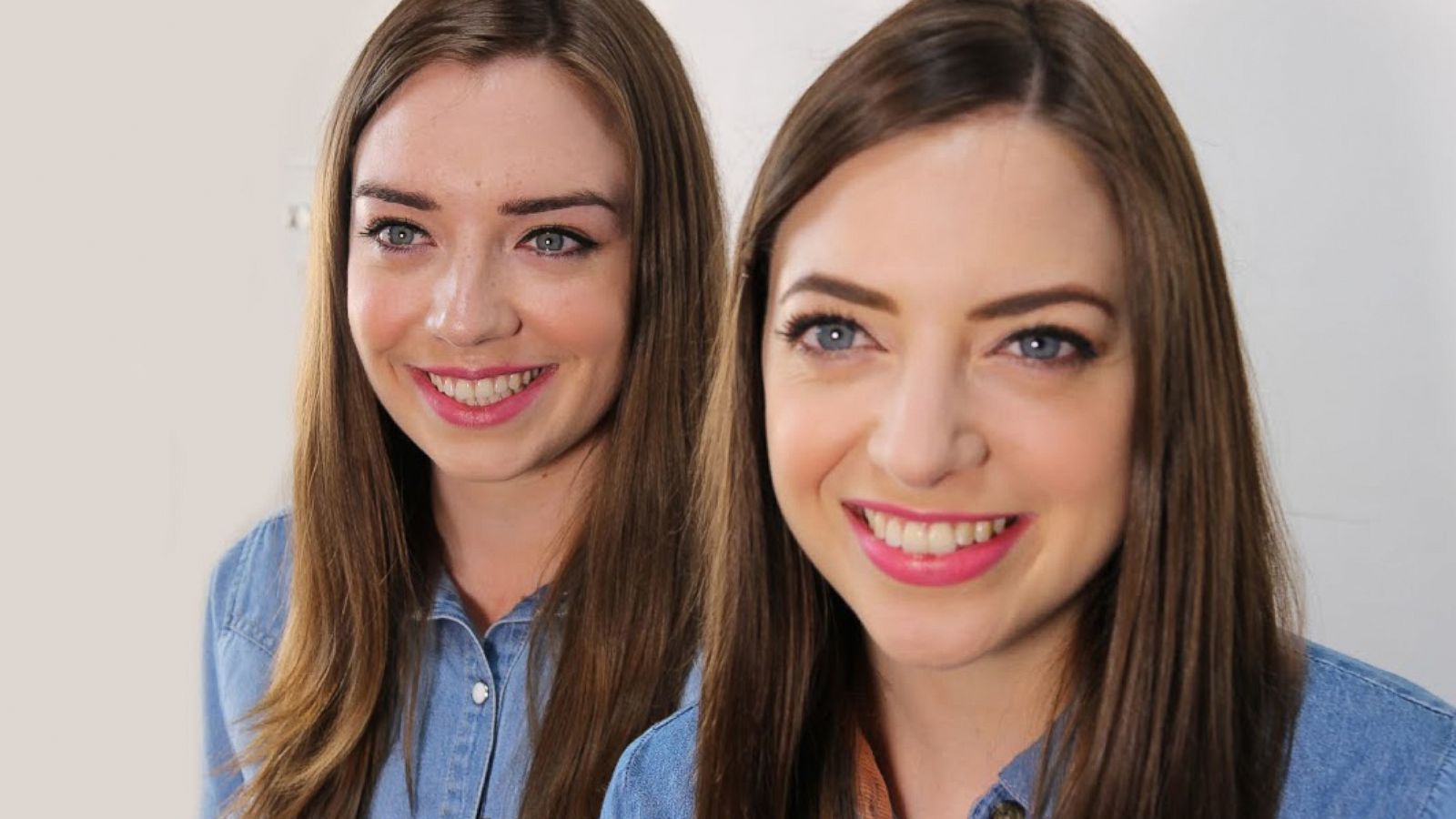
Have you ever been informed you have a twin? It's possible that you shared more than just appearances with that individual since new research reveals that individuals with comparable physical characteristics might share similar DNA.
IFLScience
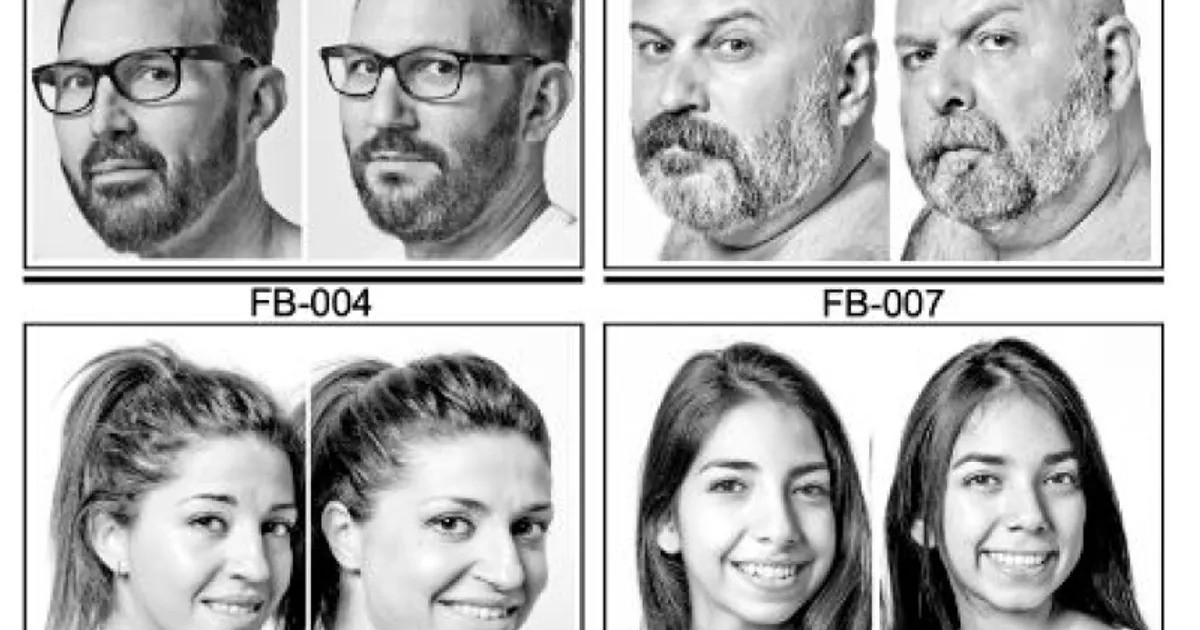
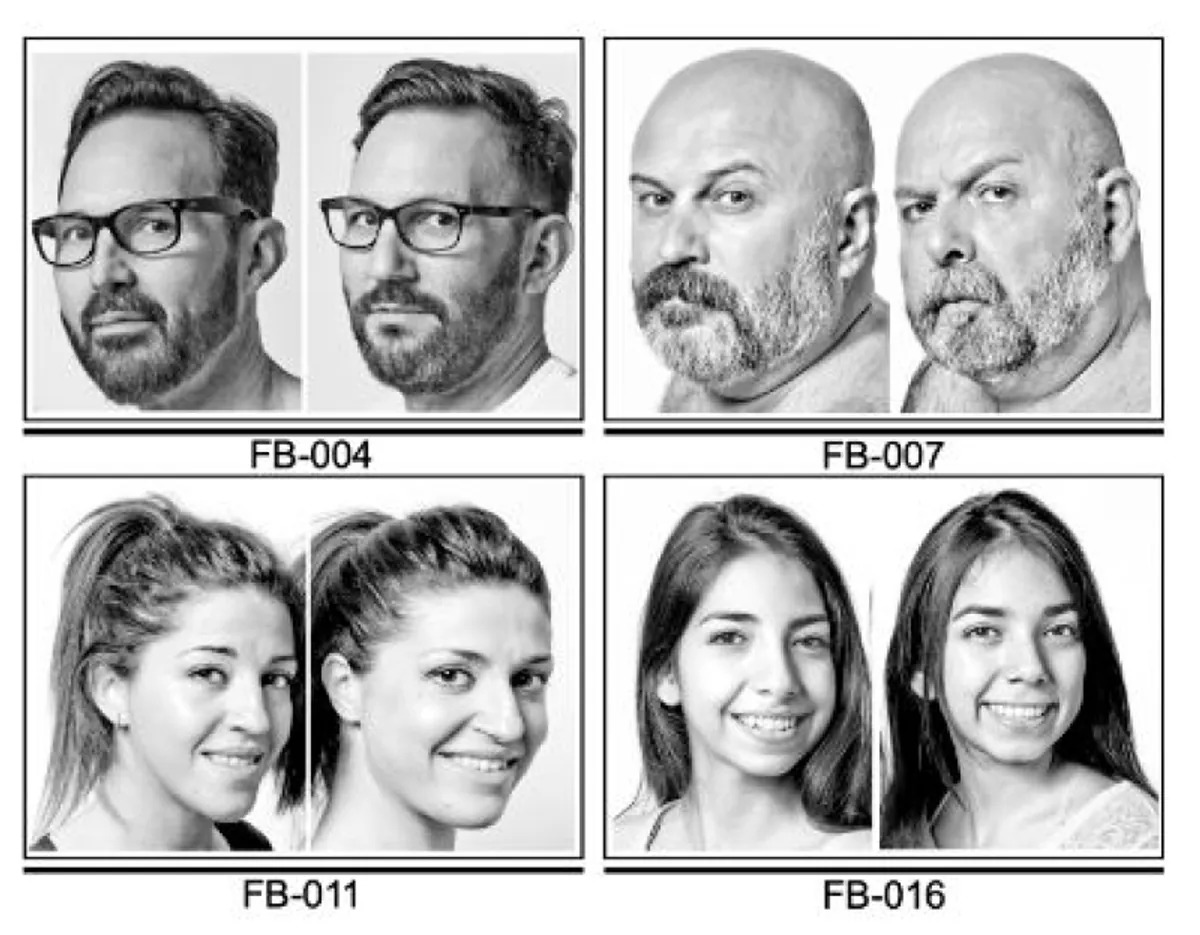
The intriguing discovery stems from examining some of the persons used in Canadian photographer François Brunelle's portfolio of human doubles, which he has been working on since 1999.
The study's authors evaluated the twins' appearance, lifestyle, and genetic material, discovering that similar DNA could relate to people through appearance and behavior. The researchers used facial recognition algorithms to identify the most convincing of the doppelgängers. They then asked individuals to complete a detailed biometric and lifestyle questionnaire, while saliva DNA samples were obtained.
advertisement
This data enabled them to analyze the likeness of the twins across their genomes, epigenomes, and perhaps microbiomes to understand how the mix of these might influence how a person looks. Combining the numerous "omes" in this way is a sort of biological analysis defined as "multi-omics," which compares multiple datasets to identify mechanisms behind disease, biomarkers, or, in this case, physical appearance.
IFLScience
The technique has potential when considering the big picture, but some are concerned about its applications because it inherits the intricacies of each "omic" dataset used in a given multi-omics study.
advertisement
Their findings revealed that duplicates had comparable genotypes but differed in their DNA methylation and microbiomes. Surprisingly, they discovered that doubles with comparable genetic makeup also had similar smoking and educational tendencies, implying that a person's DNA influences both their behavior and looks.
ABC News
advertisement
Manel Esteller, the senior author from the Josep Carreras Leukaemia Research Institute in Barcelona, Spain, made the announcement in a statement “Our study provides a rare insight into human likeness by showing that people with extreme lookalike faces share common genotypes, whereas they are discordant at the epigenome and microbiome levels.”
“We provided a unique insight into the molecular characteristics that potentially influence the construction of the human face. We suggest that these same determinants correlate with both physical and behavioral attributes that constitute human beings.”

Josep Carreras Leukaemia Research Institute (IJC)
advertisement
Esteller feels the multi-omics technique might go farther in perhaps assisting crime analysis and medicine, in addition to being a boon for anyone who is a huge fan of their celebrity doppelganger.
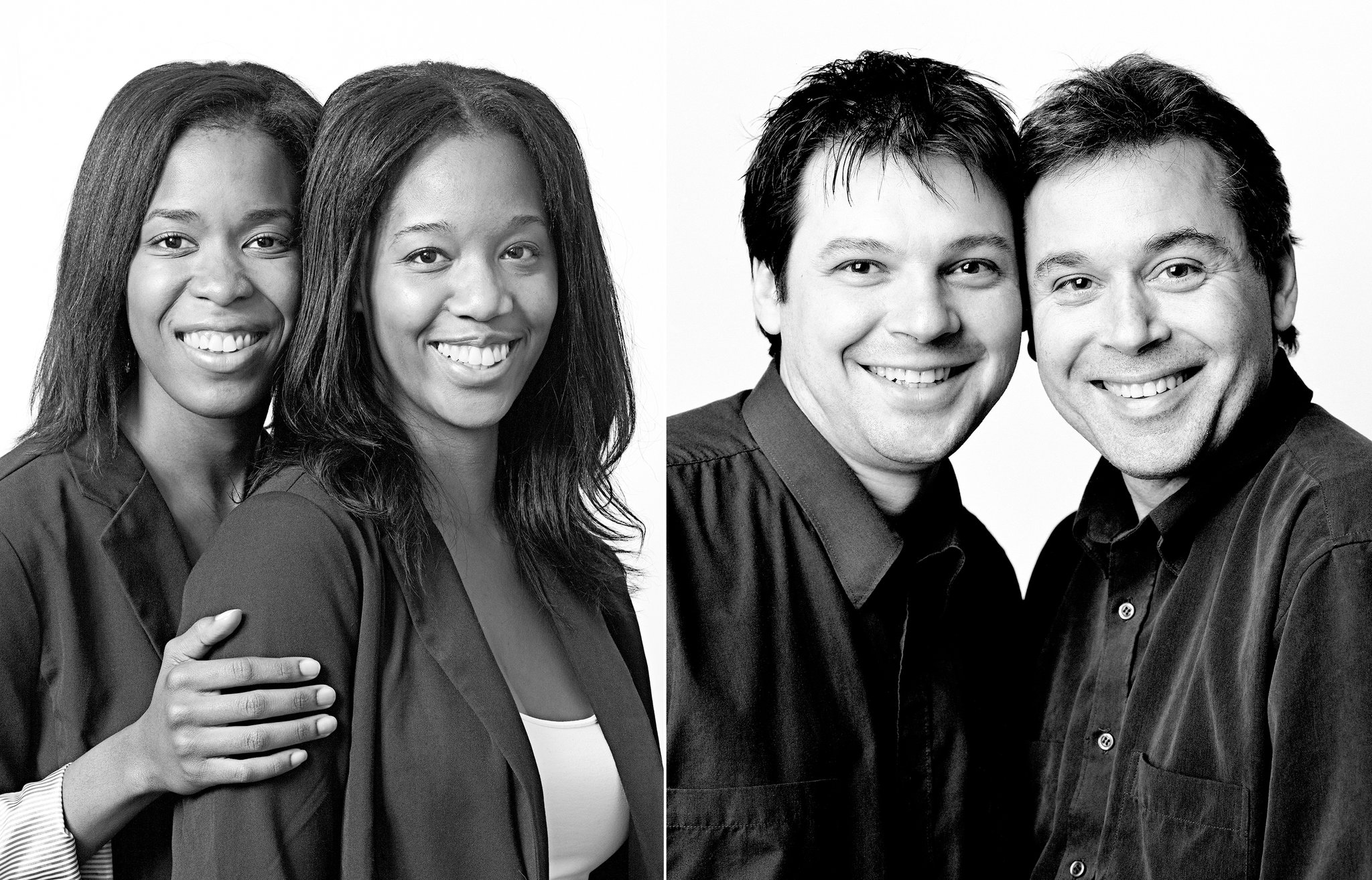
New York Times
advertisement
“These results will have future implications in forensic medicine — reconstructing the criminal's face from DNA — and in genetic diagnosis — the photo of the patient's face will already give you clues as to which genome he or she has.
Through collaborative efforts, the ultimate challenge would be to predict the human face structure based on the individual’s multi-omics landscape.”
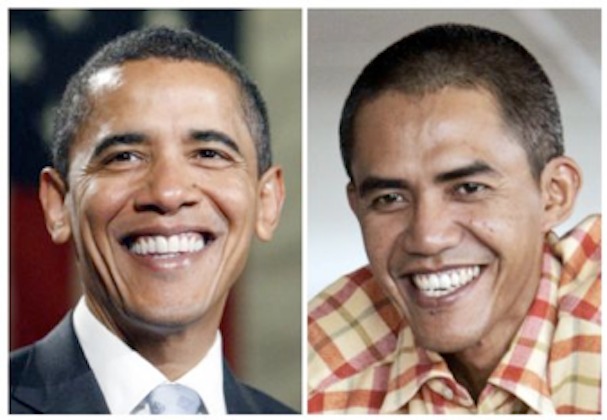
Scienceline