

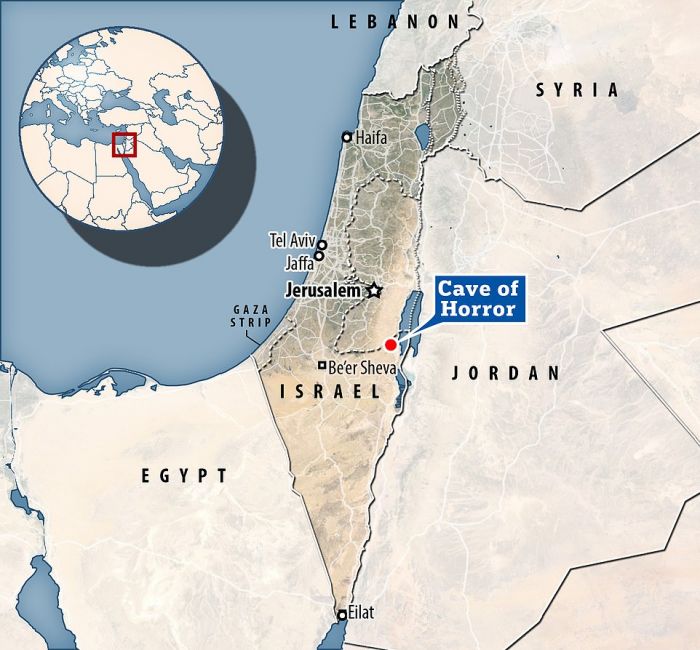
The ancient parchment fragments were found south of Jerusalem in the 'Cave of Horror.' This is the first object discovered from an archaeological dig in the Judean Desert in over 60 years. Greek lines of the biblical text from Zechariah and Nahum were discovered on parchment inside the cave. A 10,000-year-old woven basket and the skeleton of a young girl were also discovered in the cave.
Dozens Of New Dead Sea Scroll Fragments Bearing Biblical Text Are Discovered In Israel's 'Cave Of Horror'
By
Haider Ali in
News
On 18th March 2021
advertisement
A cave has revealed dozens of new Dead Sea Scroll fragments believed to have been concealed during a Jewish uprising against Rome 1,900 years ago.
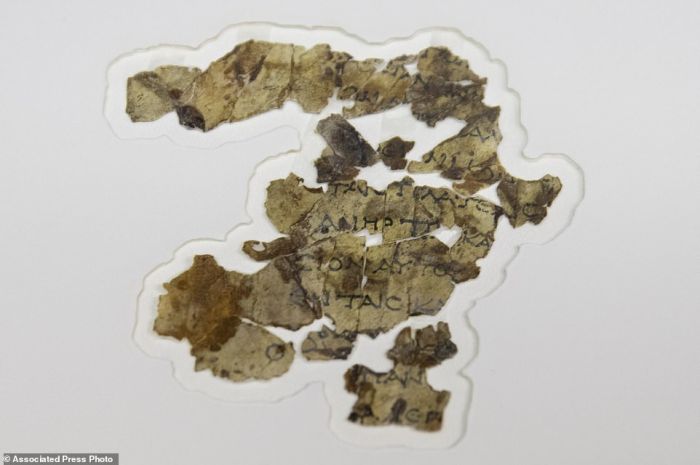
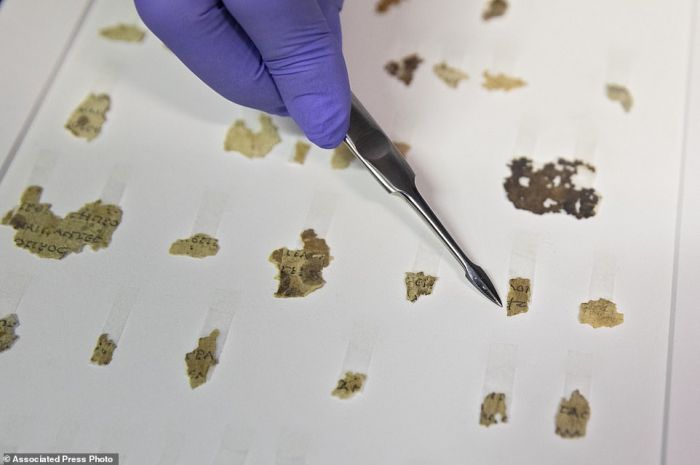
Experts verified that the fragments, which include lines of Greek text from the biblical books of Zechariah and Nahum, were radiocarbon dated to the 2nd century AD.
Credit: Associated Press
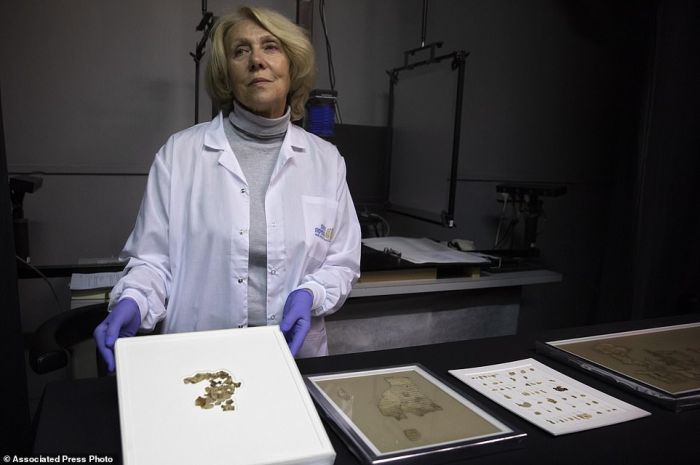
More than 20 fragments were discovered in a remote canyon in the Judean Desert, south of Jerusalem, according to the Israel Antiquities Authority. This is the first discovery of its kind in 60 years.
They were found in the Cave of Horror, which was identified in the 1950s after excavations revealed 40 skeletons of women, men, and children hiding from Roman soldiers during the 2nd century Jewish Bar Kochba Revolt.
Credit: Associated Press
advertisement
Teams of archaeologists and other specialists had to repel down the side of a 260ft cliff to gain entry to the cave, which is well concealed from view and difficult to find.
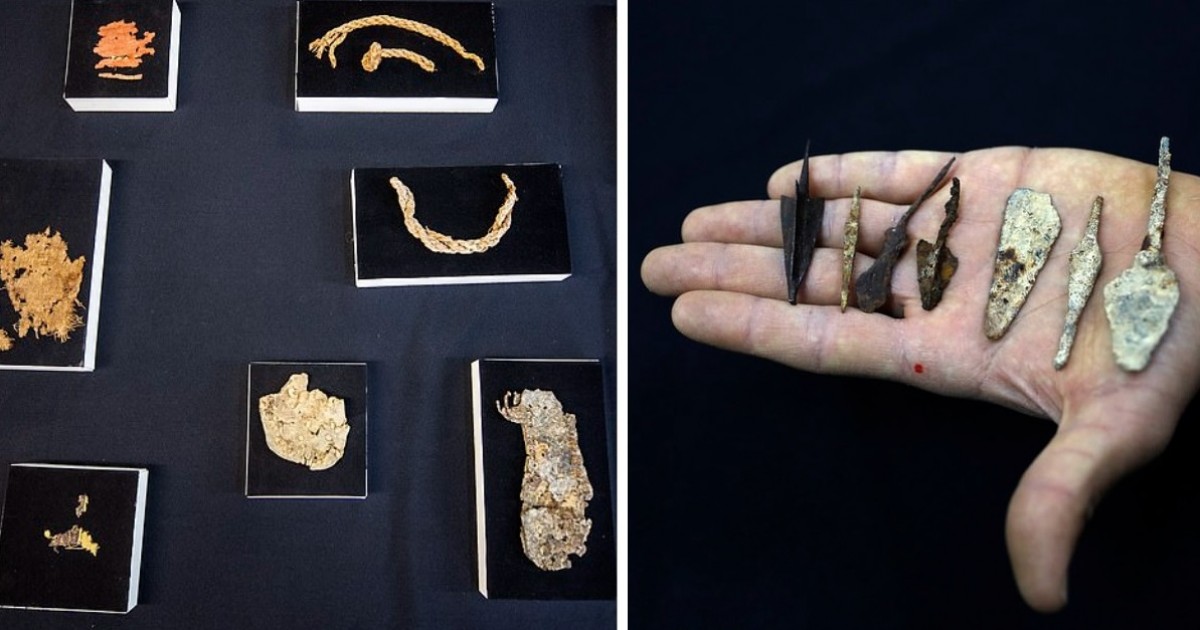
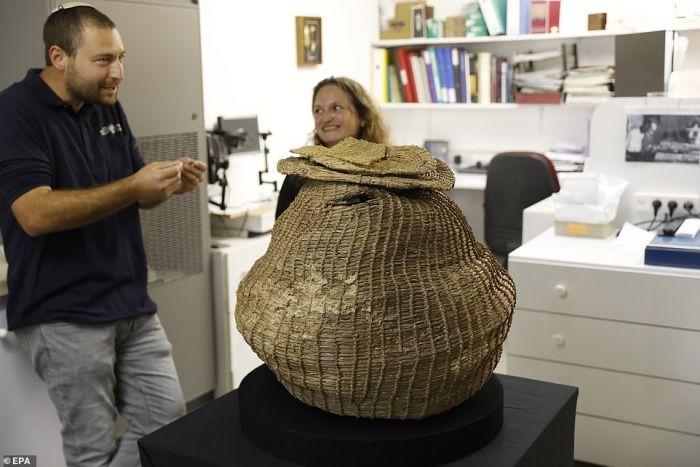
Several objects were discovered in the cave, including a 10,000year-old woven basket, a 6,000-year-old girl's skeleton, and biblical fragments.
Credit: EPA
So far, 11 lines of Greek text translated from the books of Zechariah and Nahum have been found in clumps and rolled up inside the cave.
The latest fragments are thought to be part of a larger group of parchment fragments that also includes a Greek rendition of the Twelve Minor Prophets.
advertisement
The recently discovered fragments are believed to be missing pieces of the scrolls discovered in 1952. Micah's prophecy regarding the End of Days is among them.
While the latest scroll fragments are written in Greek, they contain the name of God written in ancient Hebrew letters from the First Temple Era, according to the IAA.
Credit: EPA
advertisement
Experts clarified that the scrolls date from before the new 'Old Testament' was completed in the way we know it today.
The fragments were discovered near the Cave of Letters, in the southern cliff of Nahal Hever, near the site known as The Cave Of Horror, where several documents from the Bar Kochba Revolt were discovered.
Credit: EPA
advertisement
Between 132 and 136 AD, an armed Jewish rebellion against Rome took place during Emperor Hadrian's reign.
The revolt arose as a result of religious and political tensions in Judea, which were exacerbated by the arrival of a large Roman military force in the region.
Credit: Associated Press
advertisement
Archaeologists discovered the skeletons of 40 men, women, and children who sought shelter in the cave during the rebellion when it was excavated in the 1950s.
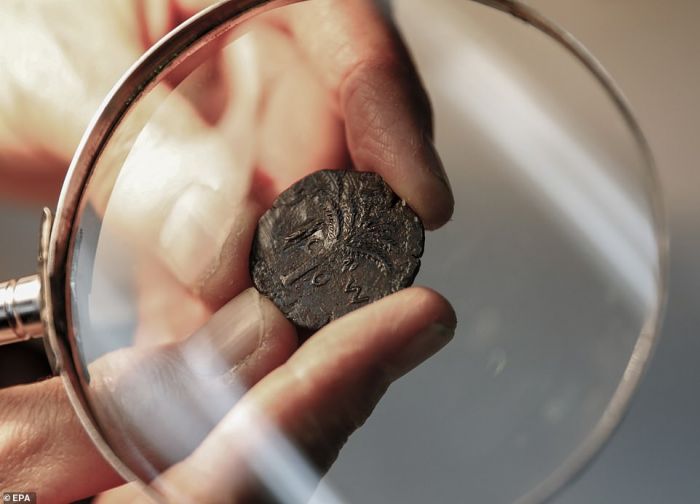
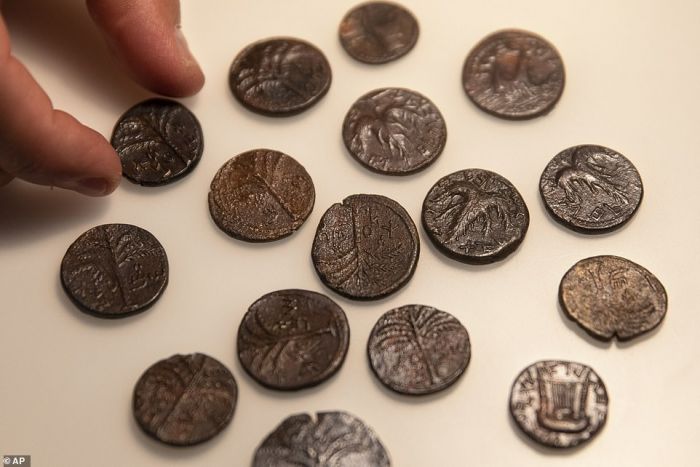
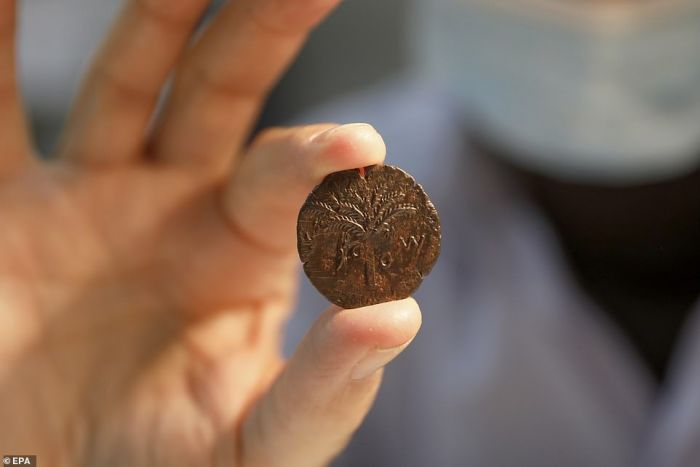
A cache of coins from the same time was also found, bearing Jewish symbols such as a harp and a date palm.
Credit: AP
advertisement
On a cliff near where the cave is situated, the ruins of a Roman camp were previously discovered. According to researchers, the Romans surrounded the cave until the rebels inside died of hunger or thirst.
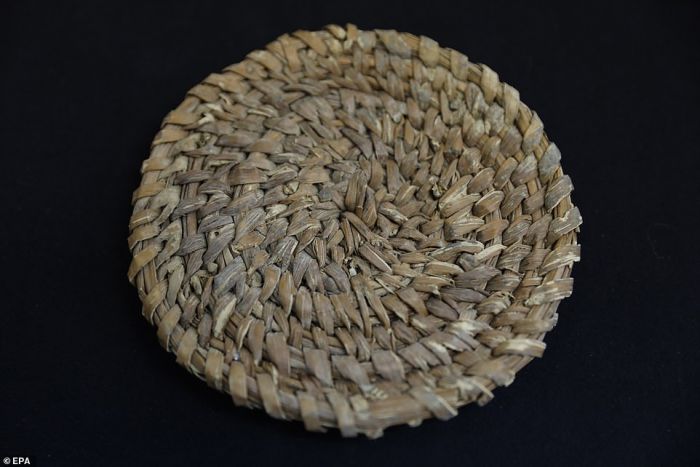
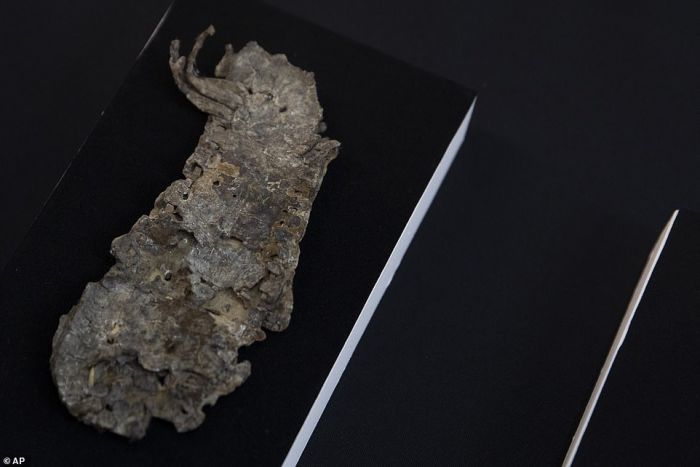
Along with the fragments, the team discovered what may be the world's oldest living woven reed basket.
Credit: AP
advertisement
It has a lid and radiocarbon dating suggests it may be 10,500 years old. This is before the arrival of pottery in the region.
'As far as we know, this is the oldest basket in the world that has been found completely intact and its importance is, therefore, immense,' said the IAA.
Credit: EPA
advertisement
The archaeologists have discovered the mummified and bundled into a blanket skeleton of a young girl dating back around 6,000 years.
'It was obvious that whoever buried the child had wrapped him up and pushed the edges of the cloth beneath him, just as a parent covers his child in a blanket. A small bundle of cloth was clutched in the child's hands,' said historian Ronit Lupu.
Credit: EPA
advertisement
'The desert team showed exceptional courage, dedication, and devotion to purpose,' said Israel Hasson, director of the Israel Antiquities Authority.
He said the work involved 'rappelling down to caves located between heaven and earth, digging and sifting through them, enduring thick and suffocating dust, and returning with gifts of immeasurable worth for mankind.'
Credit: EPA
'The newly discovered scroll fragments are a wake-up call to the state. Resources must be allocated for the completion of this historically important operation.'
'We must ensure that we recover all the data that has not yet been discovered in the caves before the robbers do. Some things are beyond value,' Hasson said.
Credit: EPA
advertisement
'For years we chased after antiquities looters. We finally decided to pre-empt the thieves and try reaching the artifacts before they were removed from the ground and the caves,' said Amir Ganor, head of the IAA's Theft Prevention Unit.
The Dead Sea Scrolls are a group of Jewish texts discovered in desert caves near Qumran in the West Bank in the 1940s and 1950s.
Credit: EPA
They include the oldest known copies of biblical text and records, dating from the 3rd century BC to the 1st century AD.
Muhammed Edh-Dhib, a shepherd, discovered the original scrolls while looking for a stray among the limestone cliffs at Khirbet Qumran on the Dead Sea's shores in what was then British Mandate Palestine - now the West Bank.
Credit: EPA