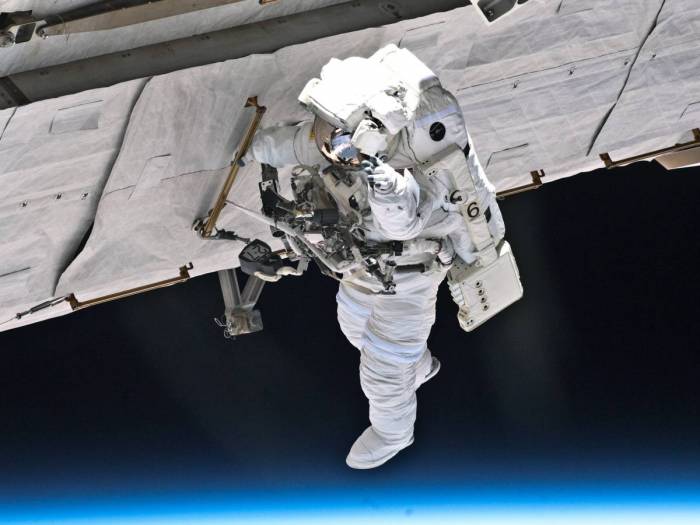
With zero gravity and little to no daily interaction with humans, life in space can be challenging, lonely, stressful, and vastly different from life on Earth.
advertisement
#1 Getting Your Period In Space
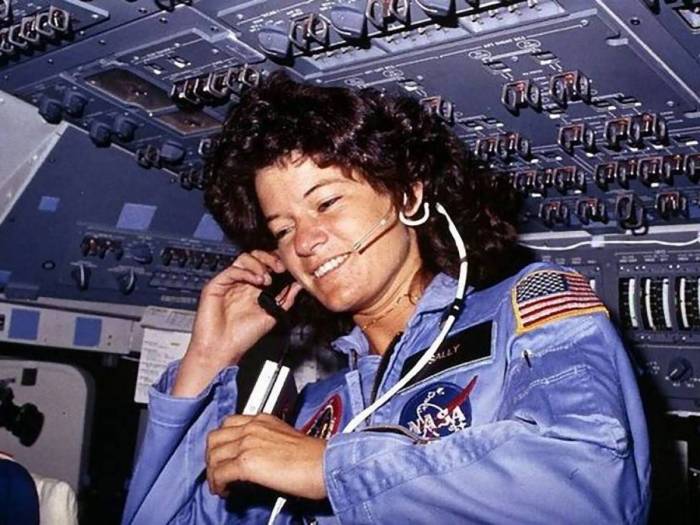
NASA scientists hadn't really considered how the lack of gravity might affect menstruation until they sent the first female astronaut into space. When Sally Ride embarked on her first long term flight, engineers packed 100 tampons for space use. Before her departure, NASA medics were concerned about the possibility of retrograde menstruation, but their worry was apparently unfounded. Periods are considered to be advantageous in space since they reduce iron levels, which often reach toxically high levels in orbit.
#2 Having Sex In Space
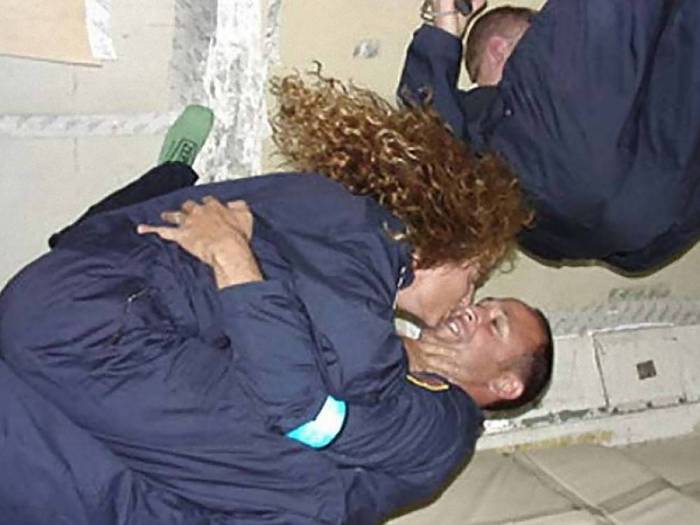
If you want to get laid in space, you're going to take on Newton's Third Law. According to the law of physics, a couple wouldn't be able to change velocity or thrust against one another while doing the deed in orbit. Luckily, two scientists from Russia had sex for science in an anti gravity chamber on Earth. They found that only four out of 20 frequently used positions were possible without special belts or mechanical assistance. Among those that were impossible was the missionary position, one of the most commonly used.
advertisement
#3 Sleeping In Space
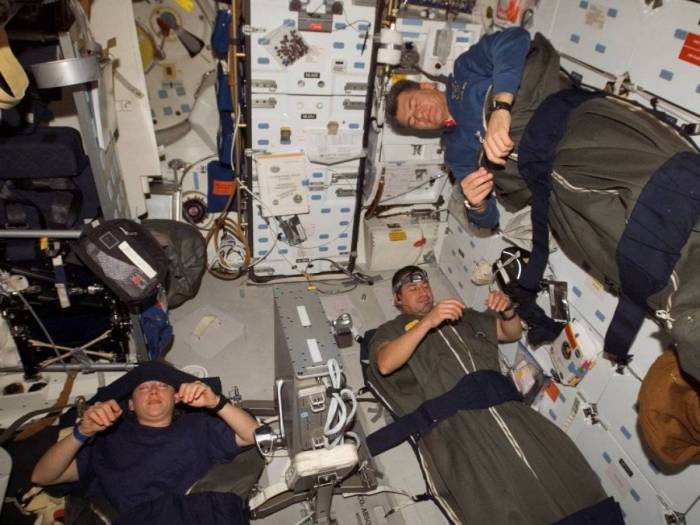
Instead of curling up in a nice, cozy queen size bed, astronauts in orbit have to be strapped down to the sides of their spacecraft to prevent their bodies from floating around as they dream. Even an astronaut's arms will float in front of him or her if they aren't crossed or strapped down. Drowsy ship passengers also have to be aware of the craft's ventilation system. If it's working improperly, carbon dioxide breathed out can just as easily be sucked right back in while sleeping.
#4 Dealing With Depression In Space
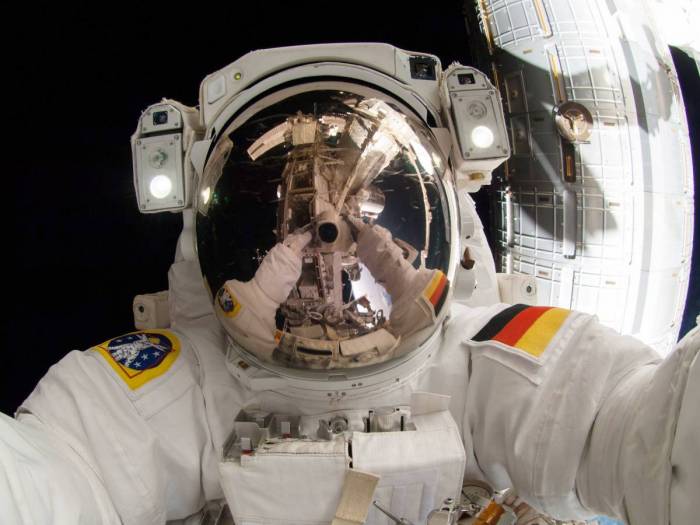
Traveling in the Earth's orbit is probably really cool, but it can also be psychologically tolling and some astronauts even develop depression. Long duration space flights, plus the risk and anxiety associated with multi million dollar launches all contribute to feelings of isolation, sadness, and stress that many astronauts admit to. Scientists are now working to combat those issues with computer programs.
advertisement
#5 Eating In Space
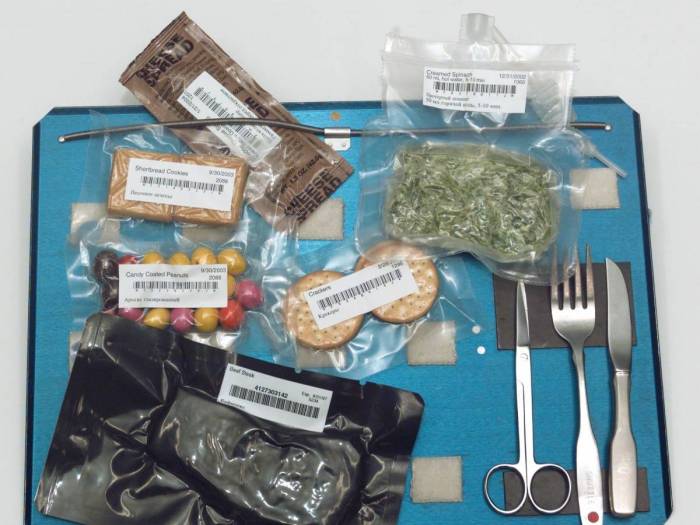
Once astronauts lift off, they must come to terms with missing out on their favorite foods for months at a time. Instead of crisp or fresh dinners, they eat packaged, dehydrated foods manufactured in the United States, Japan, and Russia. Utensils also pose a challenge since knives and forks can potentially puncture equipment if they're left to float away.
advertisement
#6 Keeping Clean In Space
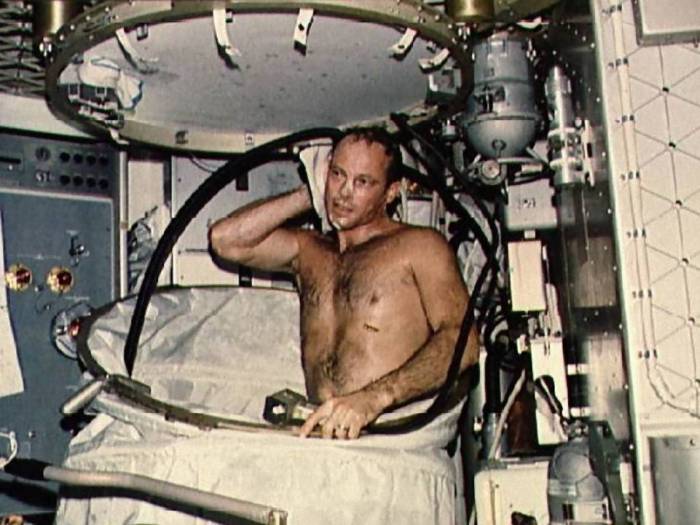
Basic human hygiene is no simple matter in space either. While astronauts float in the shower, they have to expertly open bags of water and shampoo without the contents splashing away. To wash themselves, they use clothes or sponges to make sure soap and water actually reaches their body. Similarly, instead of spitting out toothpaste after brushing their teeth, astronauts either swallow or spit the remaining fluids into a waste cloth.
advertisement
#7 Exercising In Space
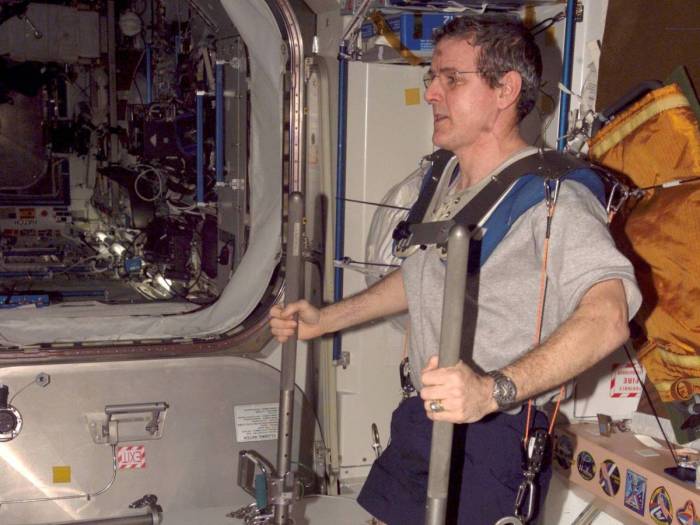
Because humans can suffer bone and muscle loss in space, astronauts must exercise two hours a day to keep their bodies active. According to NASA, three main machines are used. The cycle ergometer measures an astronaut's heart rate and overall fitness level and the resistance exercise device allows astronauts to do squats, leg exercises, arm exercises, and heel raises while strapped down. The treadmill machine is the most important exercise equipment as walking keeps bones and muscle healthy for an eventual return to Earth.
advertisement
#8 Getting Rid Of Waste In Space
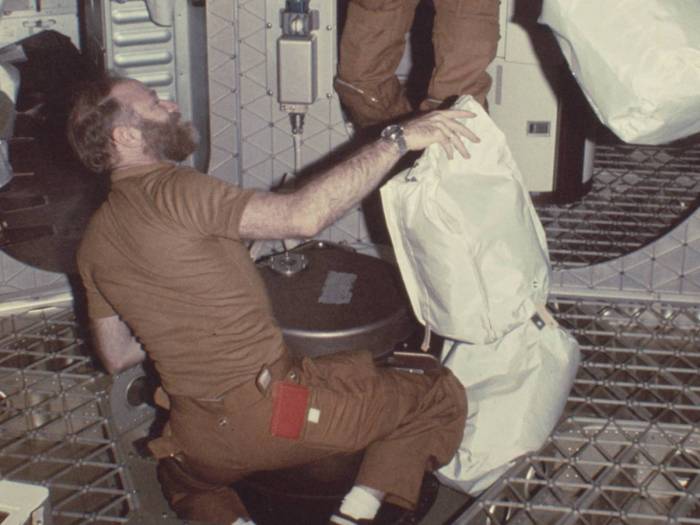
With several astronauts living on one spacecraft at a time, effective waste removal has always been important to NASA. Before the 21st century, urine was released straight out into space. When scientists realized the fluid was freezing and damaging ships' solar panels, they quickly changed gears. Today, urine is recycled into drinking water and fecal matter is packaged up with other trash and released into the atmosphere where it will eventually burn up.
advertisement
#9 Working In Space
Spaceflights aren't just all exercise and eating either. Astronauts work 12 hour days on daily spacecraft maintenance, experiments, robotic operations, and extravehicular activities. The work can be extremely stressful as multiple countries and an entire mission control board can be watching.