

If You See These Painful Red Bumps, You May Have Dyshidrotic Eczema.
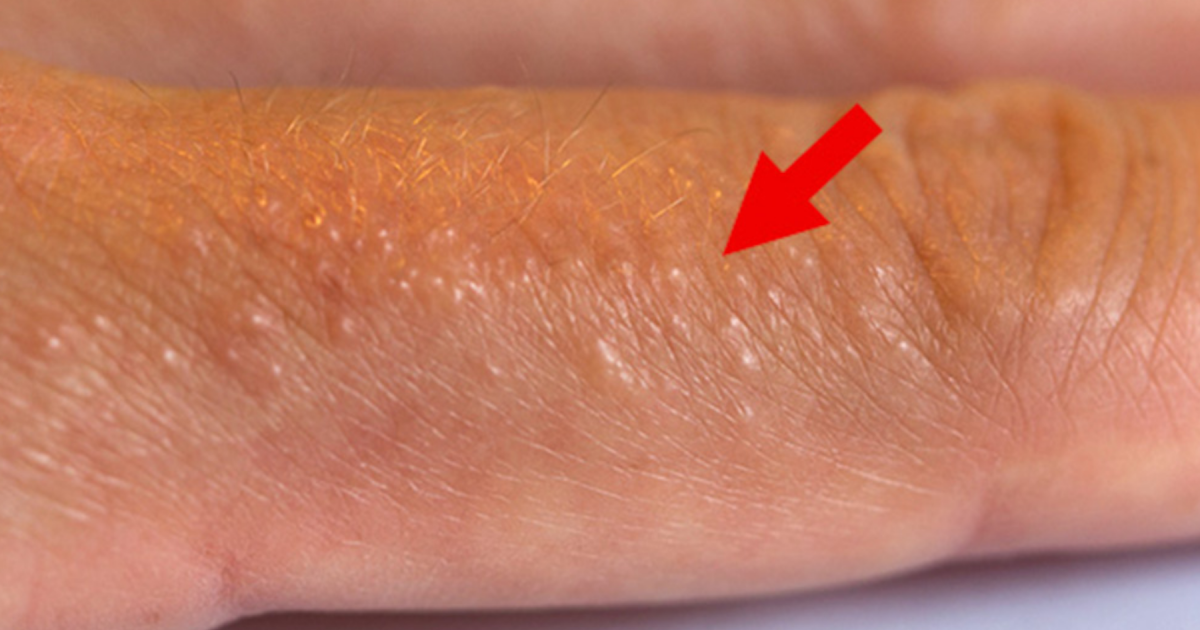
Dyshidrotic Eczema: Causes, Symptoms, and How to Treat It
By
maks in
Health and Fitness
On 8th October 2024
advertisement
It's natural to want to spend more time outside during summer, enjoying the sunshine. However, for those dealing with eczema, it can be tough to fully enjoy outdoor activities without worrying about flare-ups. Dyshidrotic eczema, in particular, tends to show up in the spring. If you're noticing small, itchy blisters on your body, you might be experiencing this common form of eczema. While eczema doesn't have a cure yet, the good news is that it’s definitely manageable. The first step in feeling better is understanding what's happening with your body and taking informed steps to manage it.
What is Eczema?
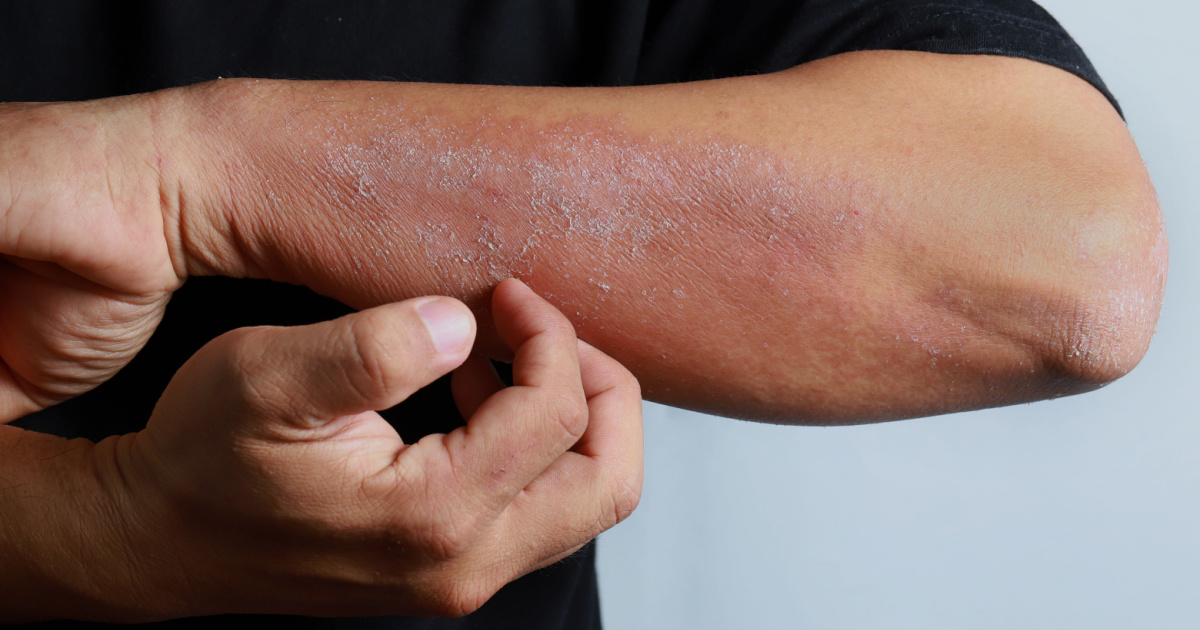
Eczema refers to a group of skin conditions that cause inflammation. It’s also known as dermatitis. Eczema is a chronic issue that affects many people across the U.S., with an estimated 35 million Americans experiencing it. About 70% of these cases begin in children younger than five years old. During a flare-up, the skin becomes red, itchy, and swollen, with fluid-filled bumps that may ooze or crust. Often triggered by an allergic reaction, eczema is not contagious. While it can be hereditary, it’s not curable. However, with the right treatment, flare-ups can be managed successfully. There are several types of eczema, and they affect people differently. One of the most common forms is dyshidrotic eczema.
advertisement
What is Dyshidrotic Eczema?
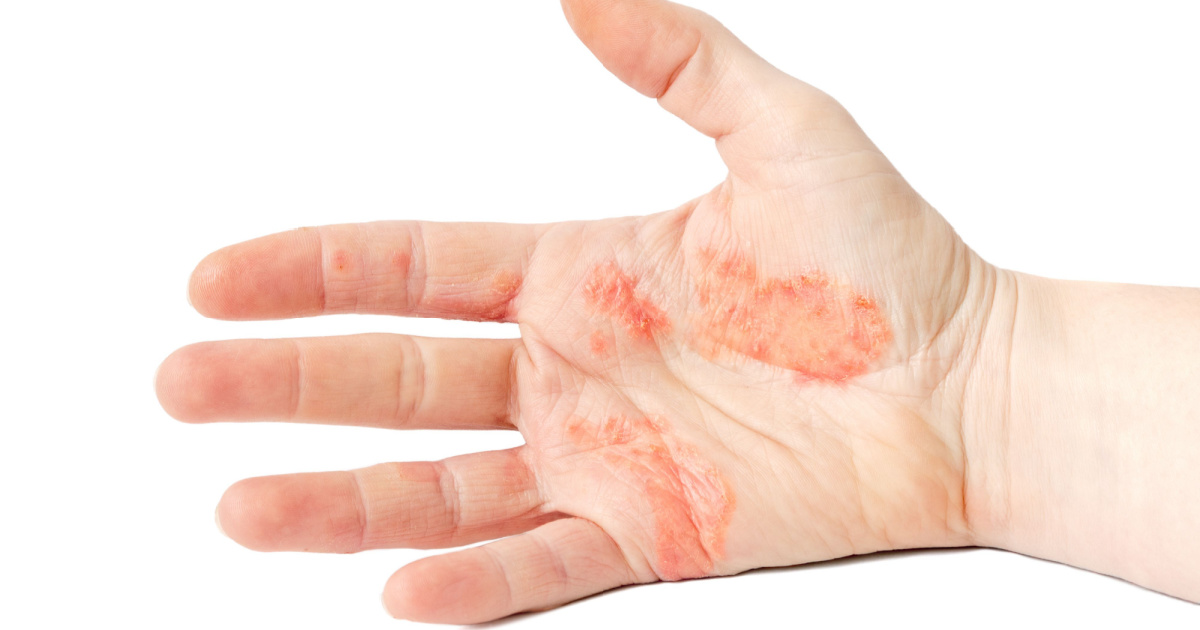
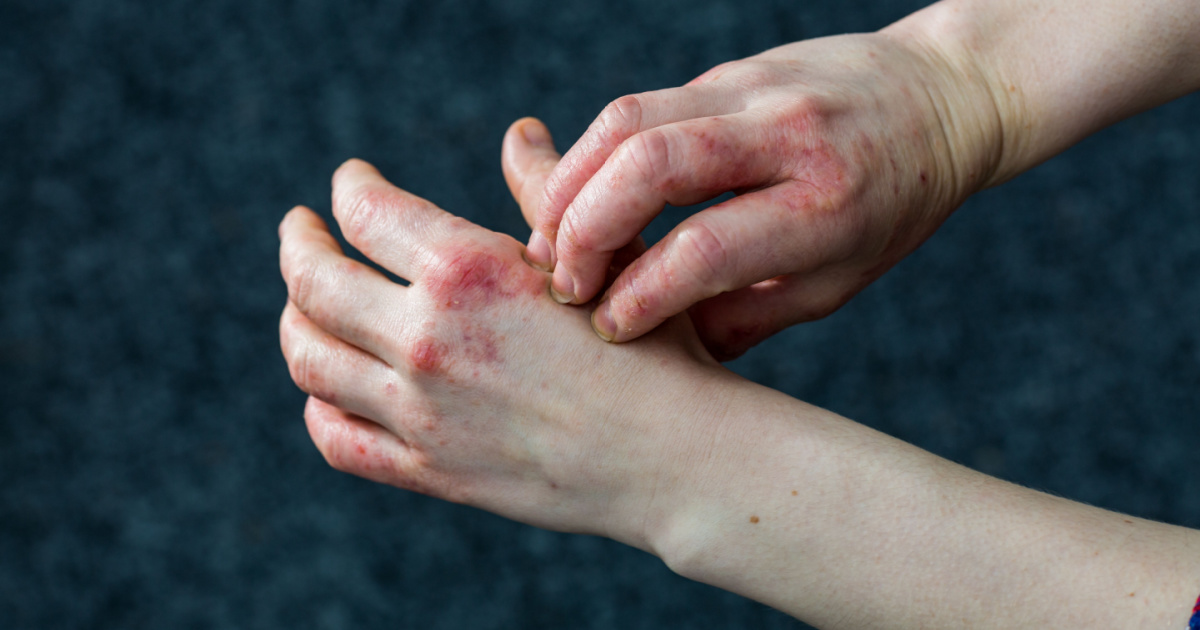
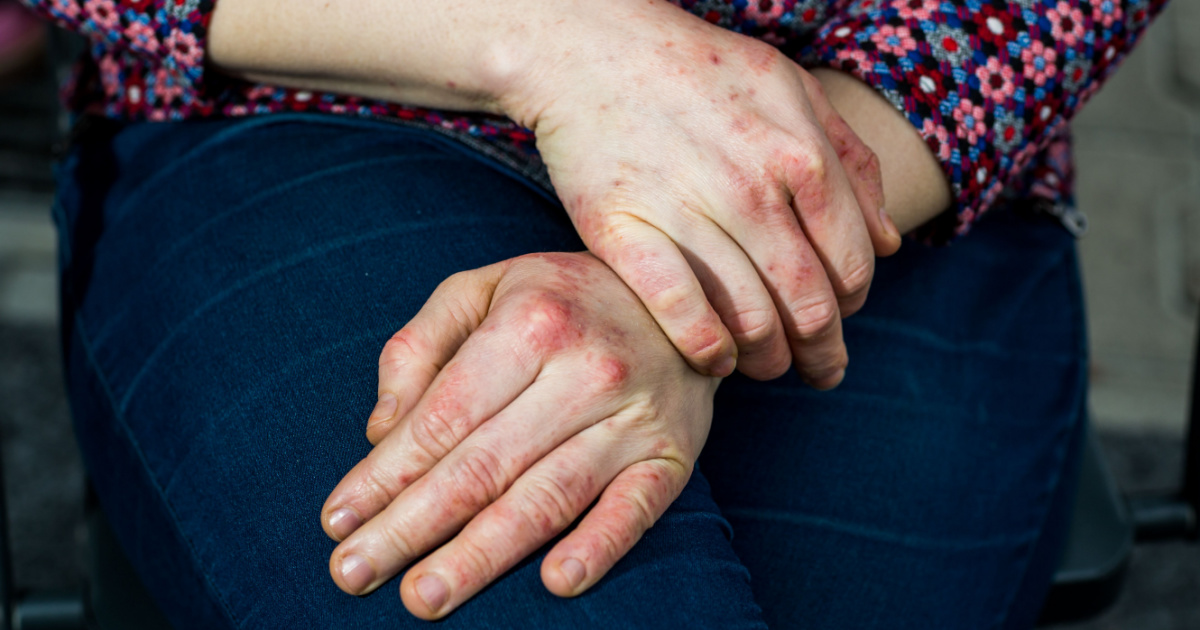
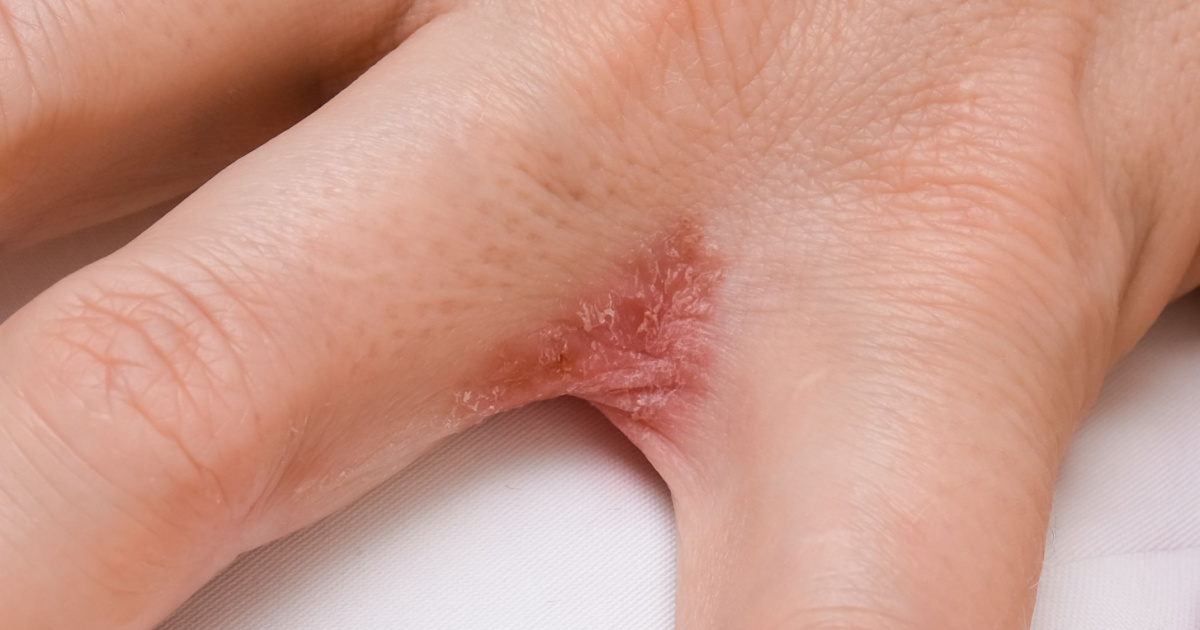
Dyshidrotic eczema is a common type of eczema that causes small, intensely itchy blisters to appear along the edges of the fingers, toes, palms, and soles of the feet. Because it’s linked to seasonal allergies, these blisters often show up in the spring. The blisters can be painful and might take weeks to heal.
If you’re unfamiliar with this type of eczema, don’t worry—it goes by a few other names, including:
- Pedopompholyx (affecting the feet)
- Cheiropompholyx (affecting the hands)
- Vesicular palmoplantar eczema
- Dyshidrosis
- Foot-and-hand eczema
- Dyshidrotic dermatitis
- Vesicular eczema
- Pompholyx
advertisement
Symptoms of Dyshidrotic Eczema
Each type of eczema has slightly different symptoms, and treatment varies accordingly. To know how to treat your dyshidrotic eczema, it’s important to recognize the symptoms specific to it. While all forms of eczema cause inflammation, each one affects the skin in its own way. Properly identifying your dyshidrotic eczema is the first step toward relief.
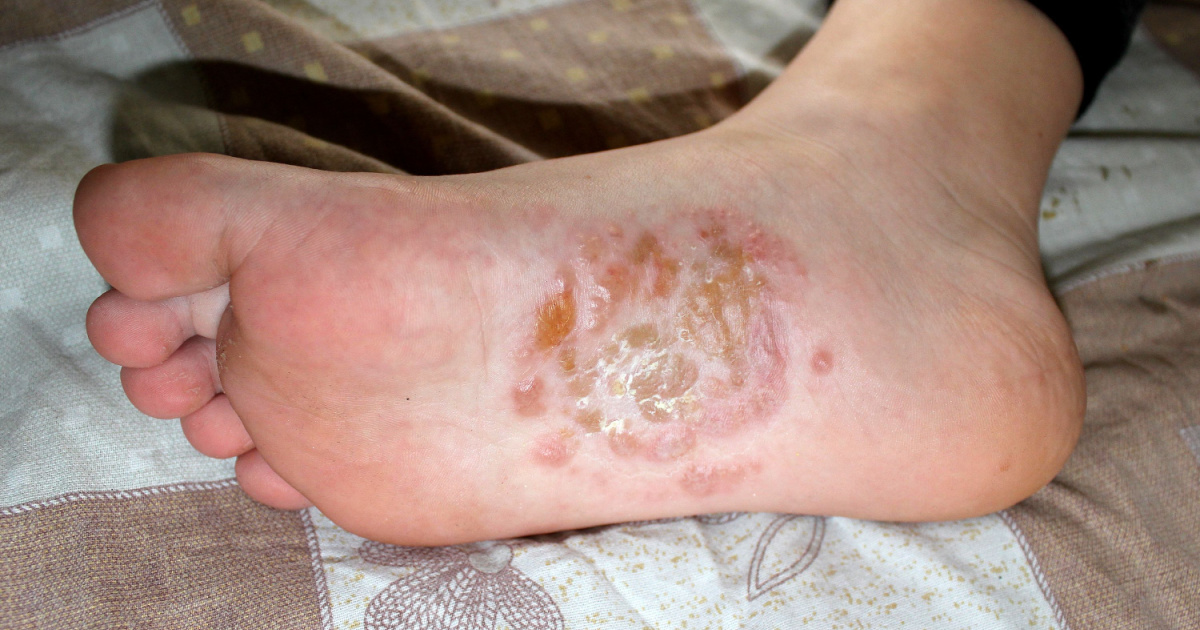
Common symptoms include:
- Deep-set blisters on the hands and feet, particularly along the edges of the fingers, toes, palms, and soles.
- Intense itching
- Redness
- Flaky skin
- Scaly or cracked skin
- Pain
advertisement
What Causes Dyshidrotic Eczema?
This type of eczema is twice as common in women as in men. While it can affect people of any age, it is most common in adults between the ages of 20 and 40. Those with contact dermatitis, atopic eczema, or hay fever are at a higher risk of developing dyshidrotic eczema. It can also run in families. If a close relative has it, your chances of getting it increase. Dyshidrotic eczema can sometimes become infected, which slows down the healing process. If you think your eczema might be infected, contact your healthcare provider for advanced treatment.
advertisement
How to Treat Dyshidrotic Eczema on Hands
Though dyshidrotic eczema isn’t curable, it can often be managed with the right treatment. While there is no guaranteed way to prevent flare-ups entirely, maintaining a good skincare routine can help strengthen your skin and reduce inflammation.
Conventional Treatment
Many mild cases of dyshidrotic eczema can be handled with natural treatments that are gentle on the body. However, more severe cases may require stronger solutions, like a prescription cream or ointment (such as corticosteroids), or even injections or pills.
advertisement
Other treatments include:
- UV light therapy
- Draining large blisters
- Antihistamines
- Anti-itch creams
- Immune-suppressing ointments like Protopic or Elidel
advertisement
Natural Treatments for Eczema
For those who prefer a more natural approach, keeping your skin clean and well-moisturized is essential. The type of treatment you use and how often you apply it will depend on your symptoms, but this at-home, natural approach can give you confidence in the products you’re using on your skin.
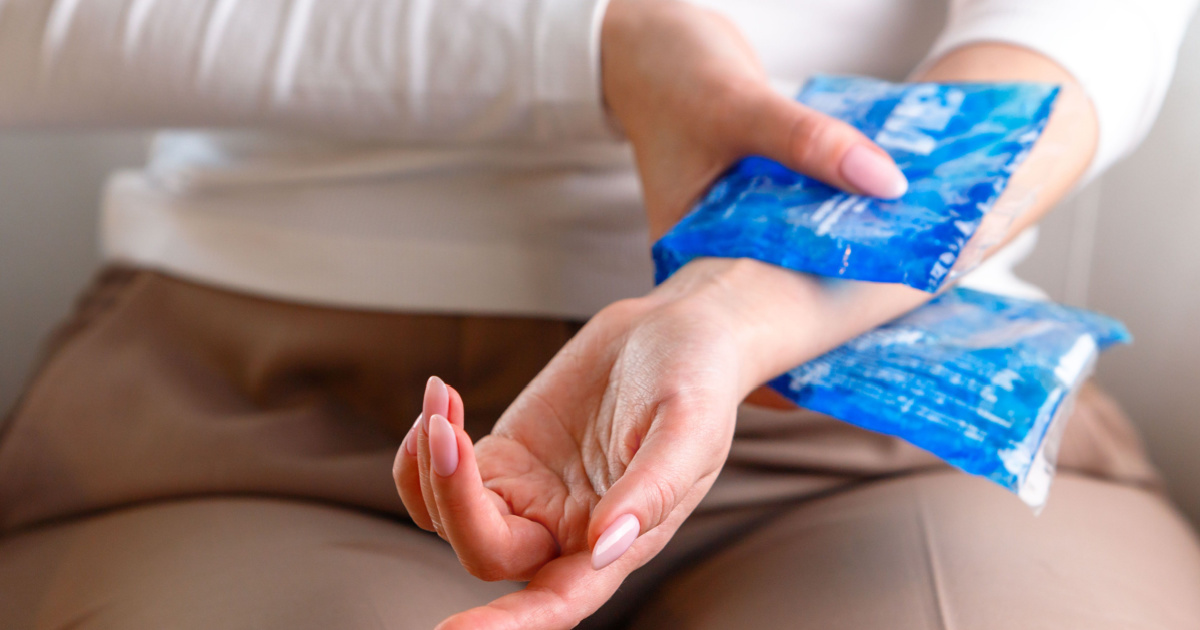
Cold Compresses
Soaking the affected area and applying cold compresses for 15 minutes at a time can help reduce inflammation. For best results, repeat this two to four times a day, following each session with a good moisturizer to lock in the benefits. (Check out the short video above for a quick guide on using cold compresses to ease eczema pain.)
advertisement
Aloe Vera
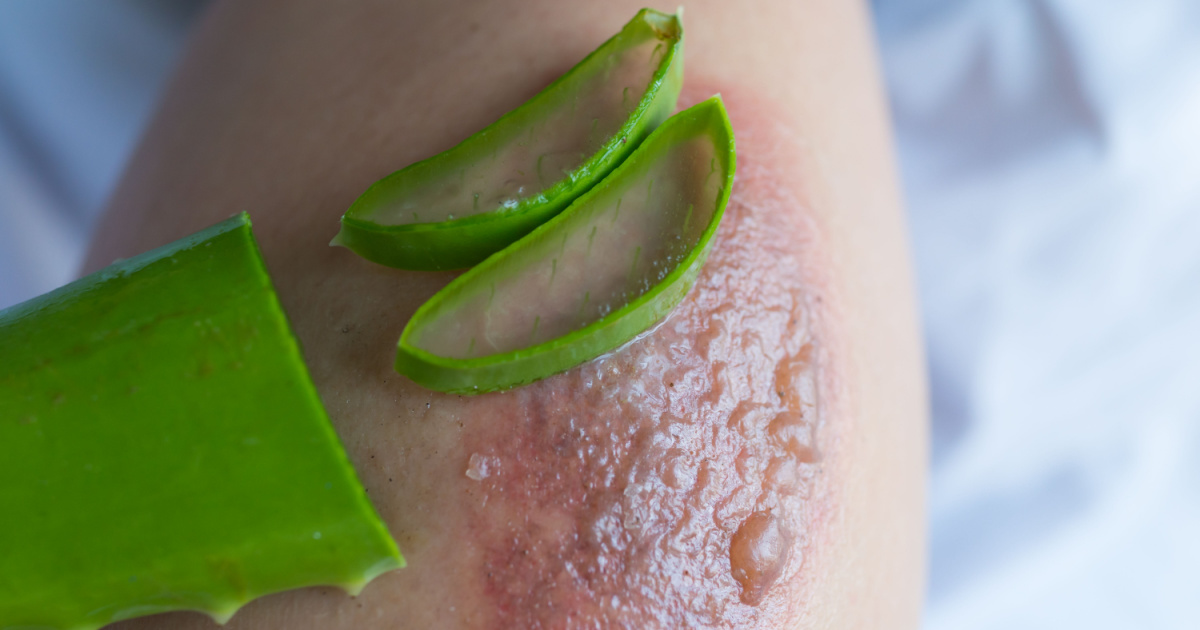
Aloe vera is widely known for its soothing effects on irritated skin and its ability to speed up healing. To use it, break off a piece of the plant and apply the gel directly to the inflamed area. If you don’t have access to the plant, you can buy natural aloe vera lotion at your local pharmacy.
Oatmeal
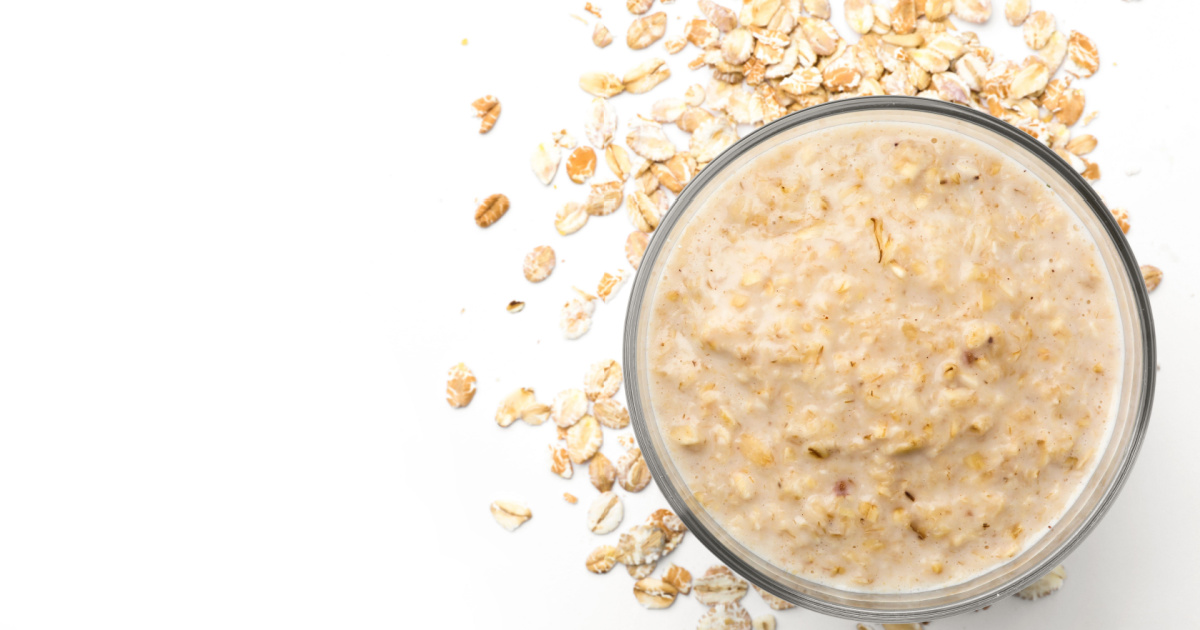
Oatmeal is a go-to remedy for many skin conditions thanks to its anti-inflammatory properties. Applying oatmeal directly to the irritated skin can help reduce eczema symptoms and leave your skin feeling more comfortable.
advertisement
The Bottom Line
When dealing with eczema, understanding which type you have is crucial for finding the right treatment. You deserve to enjoy the summer sun without the discomfort or embarrassment caused by eczema flare-ups. The more you learn about what’s happening in your body, the better equipped you’ll be to manage your symptoms and get back to enjoying the sunshine.
Sources
- ‘Eczema’ Canadian Dermatology Association.
- ‘Dyshidrotic Eczema’ National Eczema Association.
- ‘Aloe’ Mayo Clinic. Published October 17, 2017.
- ‘Anti-inflammatory activities of colloidal oatmeal (Avena sativa) contribute to the effectiveness of oats in treatment of itch associated with dry, irritated skin.’ Pubmed Reynertson KA, Garay M, Nebus J, Chon S, Kaur S, Mahmood K, Kizoulis M, Southall MD. Published January, 2015.