When the tradition began
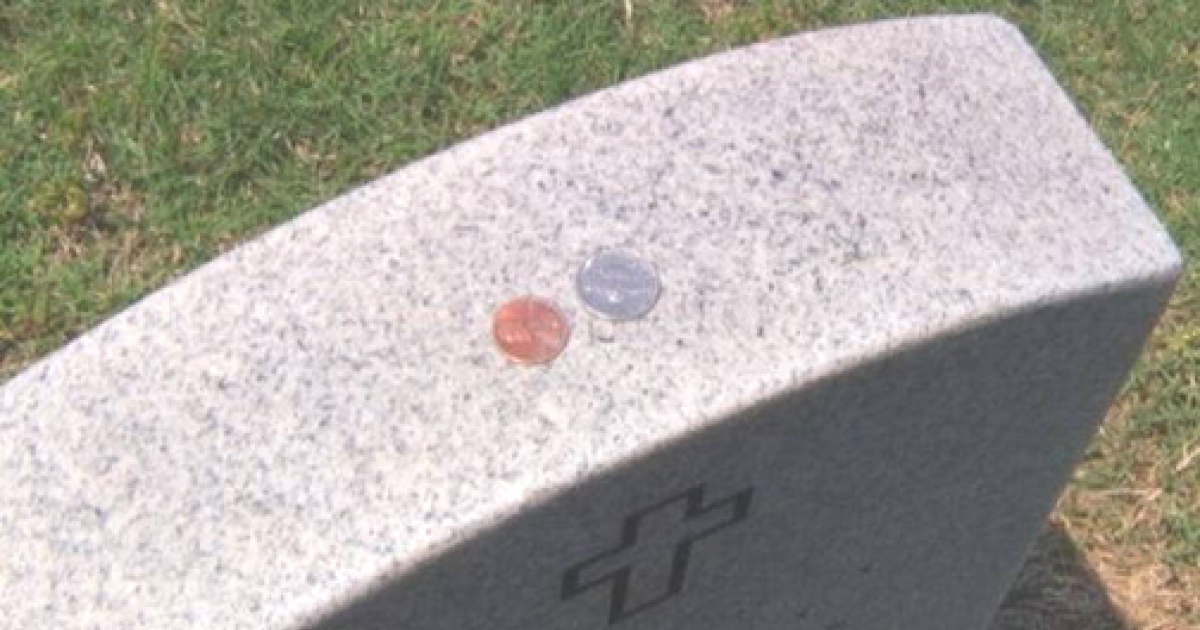
Dating back to the Roman Empire began the tradition of leaving coins on the headstones of men and women who have died in combat. Some cultures have different beliefs...for instance the ancients would place coins so that they would have enough money to cover the fee to cross the river Styx.
Jewish people would leave stones or pebbles. Representing each visitor who has come to mourn.
It wasn't until the Vietnam War that this practice became popular in the United States. With all the turmoil of politics & war it was the best way for friends and comrades to let their families know that someone has been there to "pay" respect with out ever having to make direct contact with their families as to not potentially make matters worse.
To leave a penny
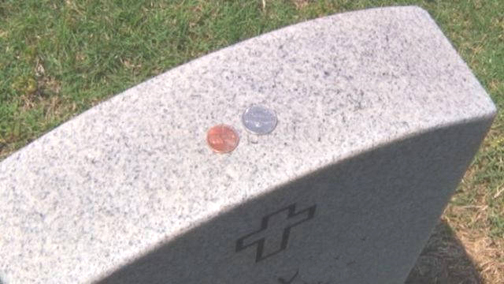
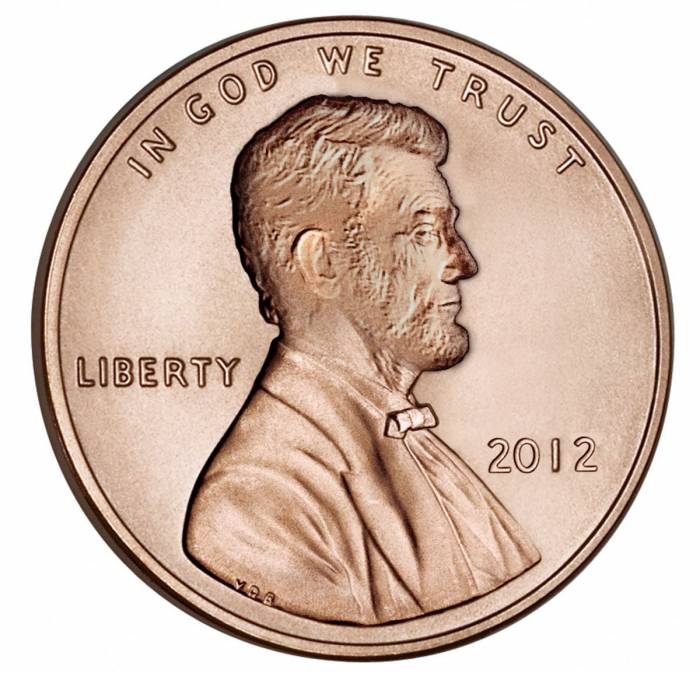
A penny is left by a person who didn't know the fallen personally or that you were an acquaintance or friend.
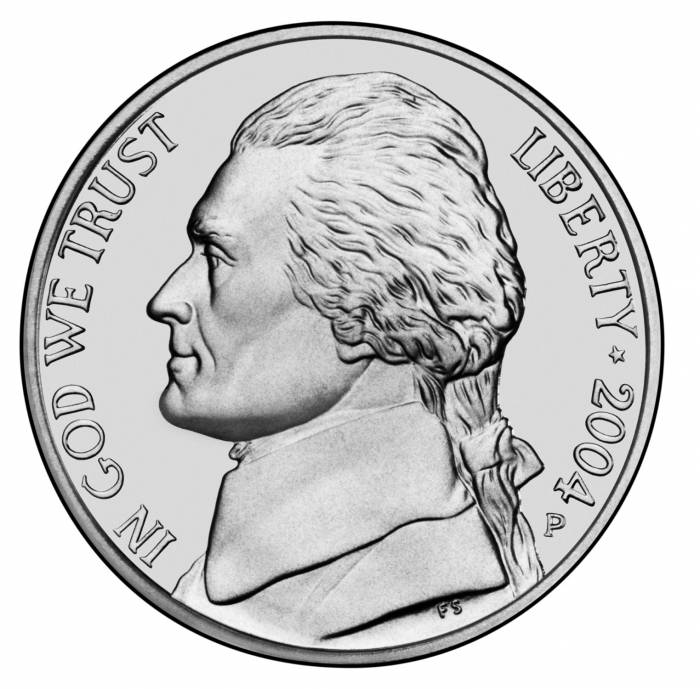
To leave a nickel
If you went through boot camp or training with them you would leave a nickel.
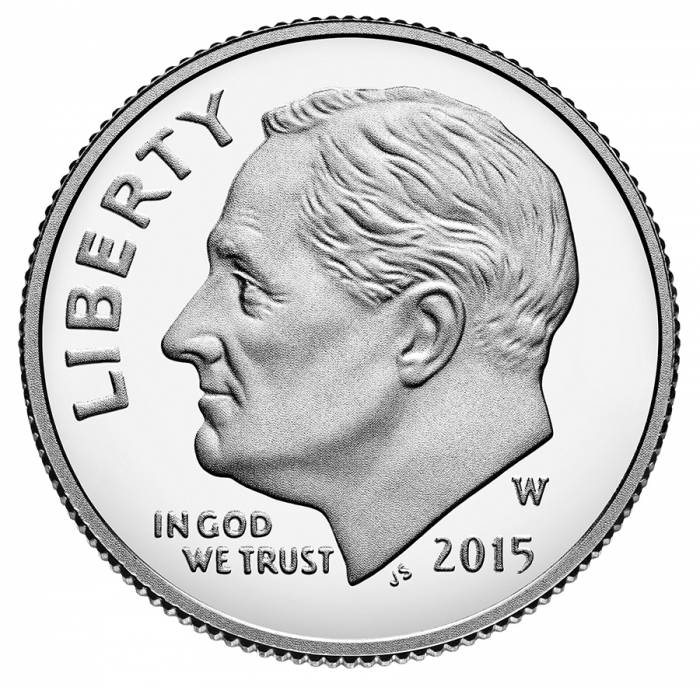
To leave a dime
To leave a dime, means you would have been in the same company as they were. Doesn't matter if you were in another platoon or not.
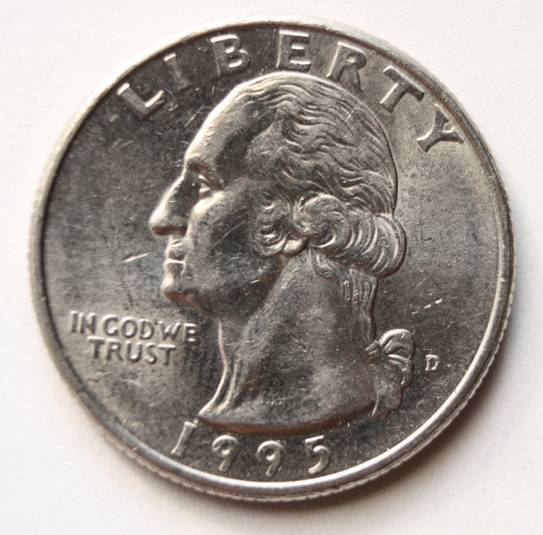
To leave a quarter
To have served in the same outfit or were with the soldier when they died is when you would leave a quarter.
Some Vietnam veterans would simply leave coins as a "down payment" to buy their fallen comrades a beer or to play a hand of cards when they would finally be reunited.
Pay Respects
Most of all, coins are let in remembrance of the deceased. Leaving one from your pocked is a way of leaving a part of you at their grave. It is a reminder that the memory of the deceased will live on. It is also shows respect and their their memory is of value and you want to commemorate that.
Members of the United States Military have held on to this tradition. The coins are left at the sites for a while then collected and put towards the upkeep of the grounds or to pay or help pay burial costs for veterans who couldn't afford it.
Before leaving on a dangerous mission, Air Force fighter pilots started a tradition of throwing nickels in to the grass in the 1950's so his team-mates would notify their next of kin if they didn't make it back. Back in the 50's pay phones only cost a nickel to use.
So when visiting, maybe you could pay special attention to the graves that don't get many visitors and "pay" your respects and let them know you honor them and their life that they sacrificed so that you can live freely.