

Recent online discussions have linked unusual atmospheric activity to symptoms like poor sleep and ringing in the ears, though experts urge caution

Earth's 'Heartbeat' Shows Unusual Activity As Some People Report Sleep Issues And Ringing Ears
By
maks in
Health and Fitness
On 13th April 2026
advertisement
Have you been struggling to sleep lately and wondering if it could be connected to Earth’s "heartbeat"? It is a question that has been circulating widely online, especially as more people try to make sense of unusual patterns they are seeing.
Over the past week, monitoring data shared across the internet has appeared to show unexpected shifts in this natural signal. These changes have drawn attention quickly, leading to a wave of speculation and discussion on social platforms.
The so-called “heartbeat” people are talking about actually refers to a natural phenomenon known as the Schumann Resonance. These are low-frequency electromagnetic vibrations that exist in the atmosphere and occur naturally as part of Earth’s environment.
As reports about these fluctuations began to spread, some people also started sharing personal experiences. These included symptoms like trouble sleeping, difficulty focusing, and ringing in the ears, which led to growing claims of a possible connection.
Before drawing conclusions, experts point out that this phenomenon is often misunderstood. The Schumann Resonance is not a fixed signal. It changes naturally due to factors like lightning activity around the world, and there is no proven evidence that it directly affects human health.
Under normal conditions, Earth’s main electromagnetic frequency sits at about 7.83 Hertz. Alongside this base frequency, there are also several higher bands that appear depending on atmospheric conditions and activity levels.
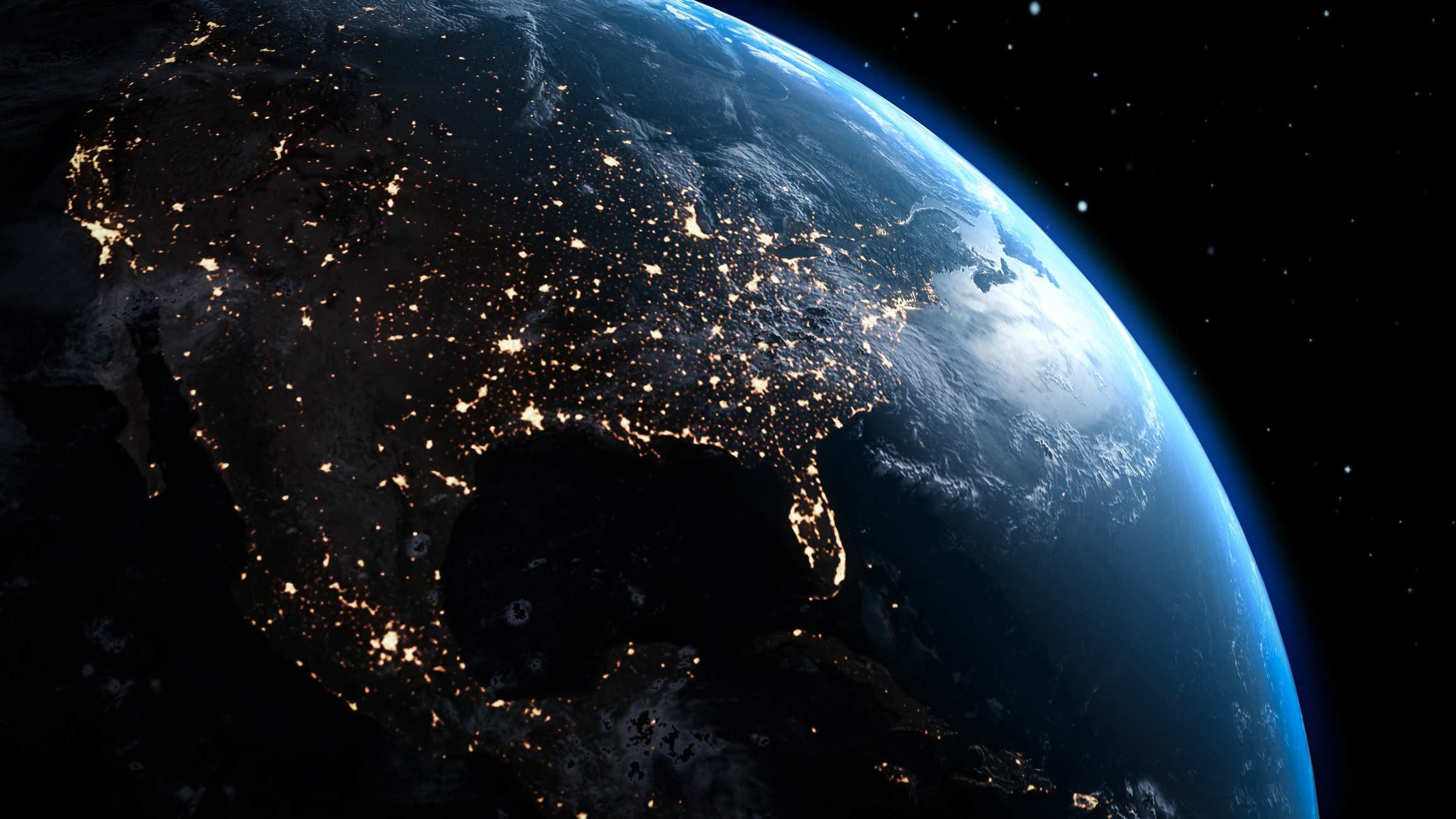
What is Earth's 'heartbeat'?
Getty Stock Image
advertisement
Some researchers and wellness communities have suggested that these natural frequencies may line up with patterns seen in brain activity, especially those linked to relaxation and sleep cycles. This idea has gained attention in certain circles, though it remains debated.
Mainstream science does not currently support a direct link between these atmospheric signals and how the human body behaves. There is still no clear evidence showing that these frequencies can cause physical symptoms or changes in health.
Even so, the recent spike in attention has led many people to connect their own experiences, such as poor sleep or trouble concentrating, to what they believe are changes in Earth’s electromagnetic environment.

Does Earth's 'heartbeat' cause sleep disturbances
Getty Stock Images
This wave of concern grew stronger after updates from space weather monitoring platforms began circulating online. These updates pointed to increased solar activity over several days, which added to the sense that something unusual was happening.
Between April 3 and April 5, a series of weak and moderate solar flares were recorded. This was followed by another moderate flare on April 8 and a stronger M-class flare early on April 9.
Although these solar events are not uncommon, the timing of the reports and the way they were shared online helped fuel speculation that they might be affecting conditions on Earth in noticeable ways.
advertisement
Some sources described these conditions as “intense and activating,” suggesting that Earth’s electromagnetic activity may have been higher than usual during that period. This description caught attention and added to the discussion online.
The Schumann Resonance itself comes from global lightning strikes. These lightning events generate extremely low-frequency waves that travel between the Earth’s surface and the ionosphere, which begins around 60 miles, or about 100 kilometers, above the planet.
As these waves move and reflect within this space, they create a repeating pattern of frequencies. This natural system is sometimes referred to as a background electromagnetic signal and is often described in simple terms as the Earth’s “heartbeat.”
advertisement
Despite how dramatic that description may sound, scientists stress that this is a normal part of how the planet functions. These signals have existed for a long time and continue to change as part of Earth’s natural systems.
While it is understandable that people try to link personal experiences to global changes, there is still no confirmed evidence showing that these electromagnetic patterns can directly cause symptoms like ringing ears or sleep disruption.
For now, experts recommend focusing on well-known factors that affect sleep and health, while keeping an open but cautious view on claims that connect human experiences to large-scale environmental signals.