

Scientists around the world are contemplating why the Earth is spinning faster and they are yet to find the answers. Some are suggesting that this could be due to a phenomenon called the 'Chandler wobble' while others believe that this could be due to climate change.

Earth Is Spinning Around Much Faster That We Could Need A 'Negative Leap Second'
By
Samantha in
Science and Technology
On 8th August 2022
advertisement
The world is going through some of the worst crises of its times, from pandemic to war to all-time inflation, we have seen it all in the past few years.
Now another worry added to our list is why the Earth is spinning faster?
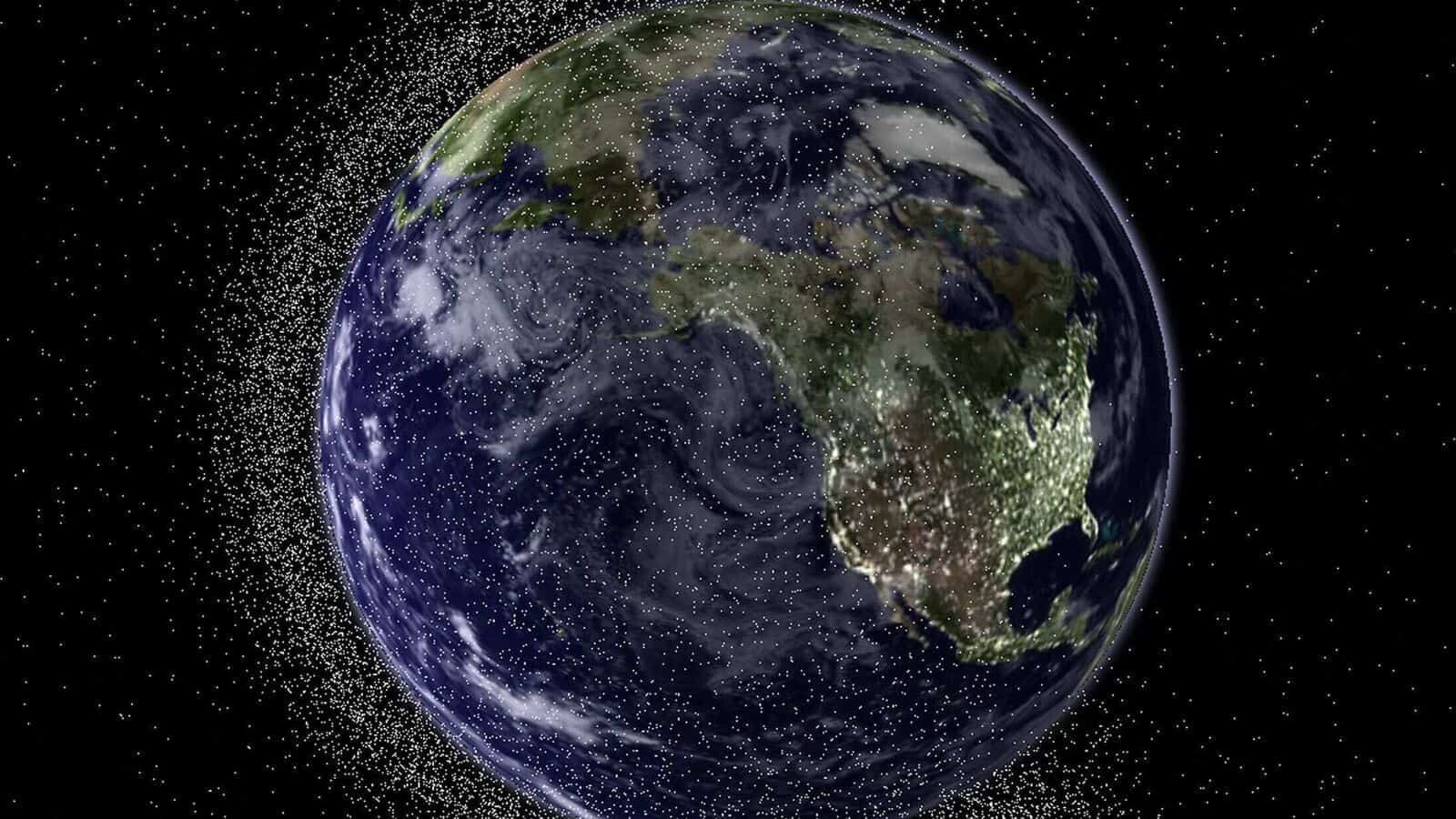
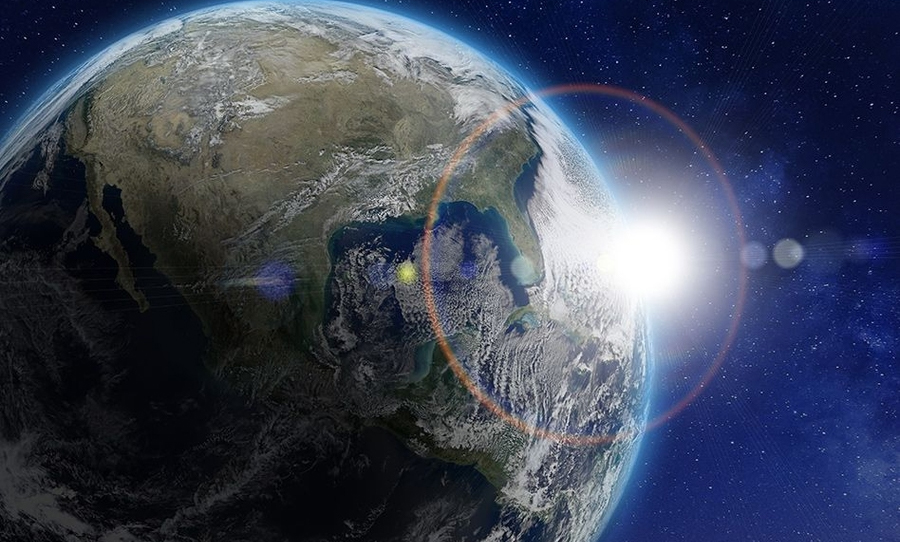
According to scientists, the world is spinning faster and because of this, we might notice changes in time as the days will become shorter.
And even though this sounds quite frightening, experts say it’s nothing to be concerned about and the impact will be fractions of a second over a year.
Credit: Stockbym/Alamy Stock Photo
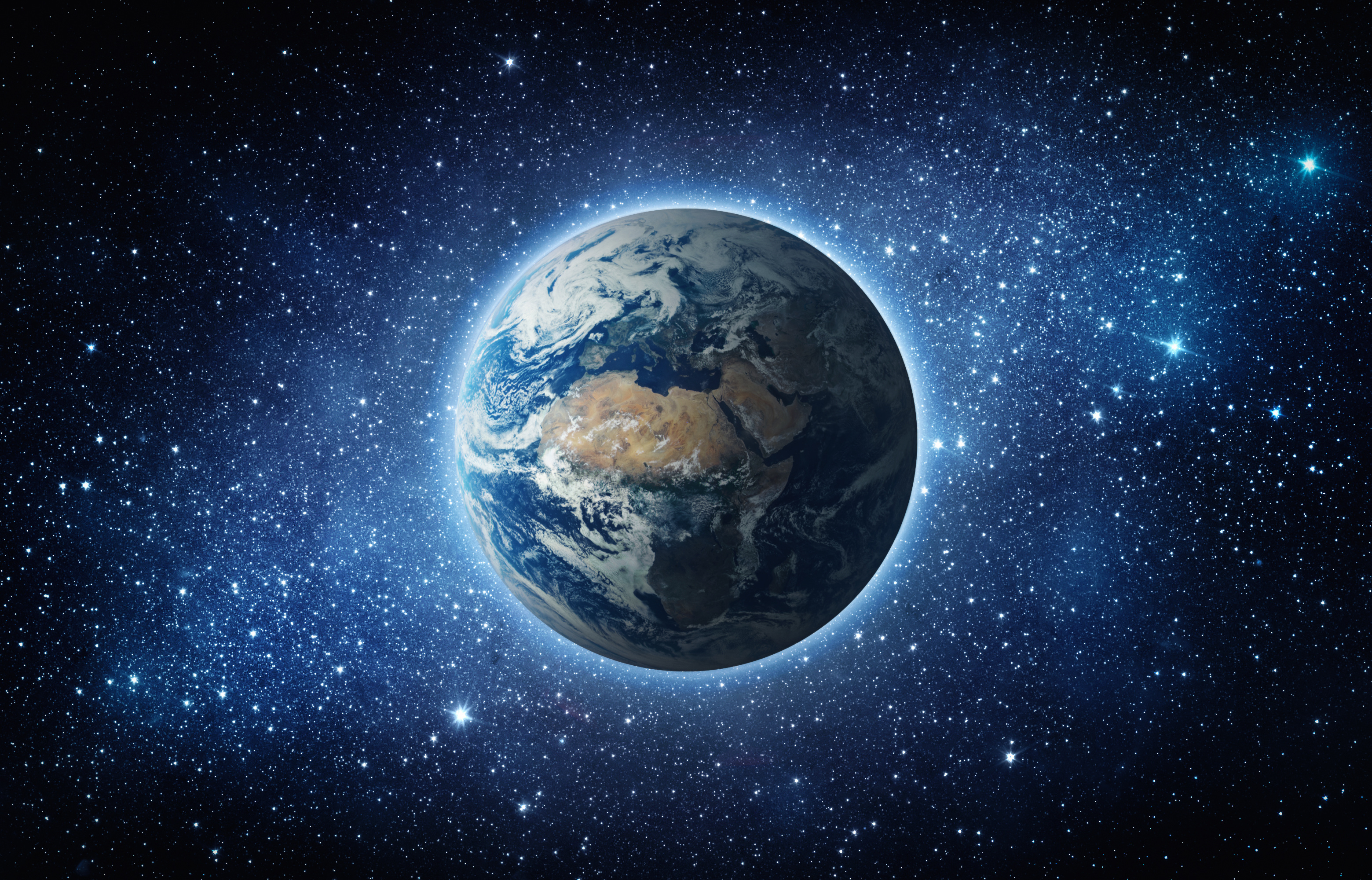
Earth rotates around its axis for 24 hours (86,400 seconds) and even though this is the timeframe that we expect, the truth is that due to the world’s imperfect shape and complicated interior, not every day is the same length.
In fact, a few hundred million years ago, an Earth day was only 22 hours long, and when you look back to billions of years ago it was closer to 19 hours. In millions of years to come, it’s expected that a day will be much longer than it is now, despite the planet appearing to be travelling much quicker at the moment.
Credit: Stockbym/Alamy Stock Photo
advertisement
Scientists are making assumptions to understand why the Earth is spinning faster. Some assume that it could be down to a phenomenon called the 'Chandler wobble'.
Scientist Leonid Zotov told timeanddate.com that the Chandler wobble is the name given to a small, irregular movement of Earth’s geographical poles across the surface of the globe. He said it strangely disappeared between 2017 and 2020, which is why the days were slightly faster.
Another important reason could be down to climate change.
Credit: Stockbym/Alamy Stock Photo
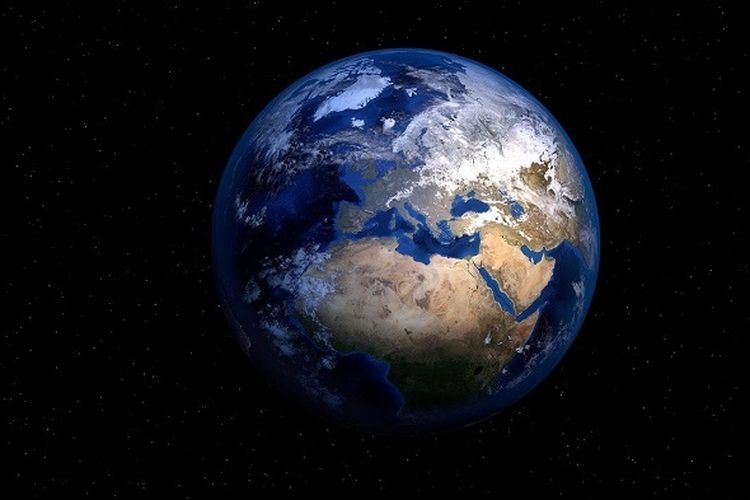
The shape of the Earth changes when glaciers melt, causing it to become flatter at the poles and more swollen at the equator.
But for Judah Levine, a professor at the University of Colorado-Boulder and time expert at the National Institute of Standard and Technology (NIST), he thinks the change in time could be down to Earth’s atmosphere.
Speaking to Inverse he said: “One of the possibilities is the exchange of momentum between the Earth and the atmosphere.

advertisement
“The sum of those two is a constant, which means, for example, if the atmosphere slows down, then the Earth speeds up. Or conversely, if the atmosphere speeds up, then the Earth slows down.”
Then what does it mean for our timekeeping?
We’re very used to adding an extra day to our calendars every leap year to keep us in sync with the Earth’s revolution around the Sun.
advertisement
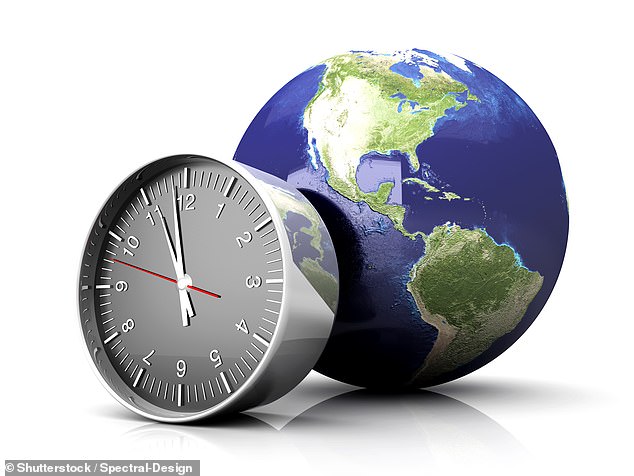
As the planet is speeding up, we may need to take time off, or add a ‘negative leap second’.
“If you had asked me about the negative leap second five years ago, I would have said, ‘Never’,” added Levine.
“But over the last year or two, the Earth is definitely speeding up. And now, if that speed-up were to continue, then we could need a negative leap second in about seven years.”
Alamy