


The Earth is constantly shifting beneath us, even when we do not notice it
advertisement
Experts have issued a serious warning about a massive geological “death” process that is unfolding deep beneath the planet’s surface. Their findings suggest that part of the Earth is slowly tearing apart, which has raised new questions about how these changes shape the world around us.
The Earth is roughly 4.5 billion years old. To put that into perspective, if all of Earth’s history were squeezed into a single calendar year, humans would not appear until 11:59 p.m. on December 31. It is an eye-opening reminder of how long the planet has been evolving and how recent humans are in comparison.
Throughout that unimaginable span of time, Earth’s surface has changed again and again. These changes are driven by the movement of tectonic plates, which constantly shift, drift, collide, and break apart. Their motion has shaped continents and oceans and continues to reshape the planet today.
Tectonic plates are enormous slabs of solid rock that rest on top of the Earth’s partially molten mantle. Because they float on this softer layer, they can move, and when they do, entire continents may collide or split apart.
One major way this movement happens is through something known as a “subduction zone.” This occurs when one plate slides beneath another, usually when an oceanic plate sinks below a continental plate or another oceanic plate. These zones are responsible for powerful earthquakes, volcanoes, and long-term geological changes.
Subduction zones play a huge role in how the Earth recycles its crust, but scientists say they may be witnessing a part of this process coming to an end in an unusual and dramatic way.
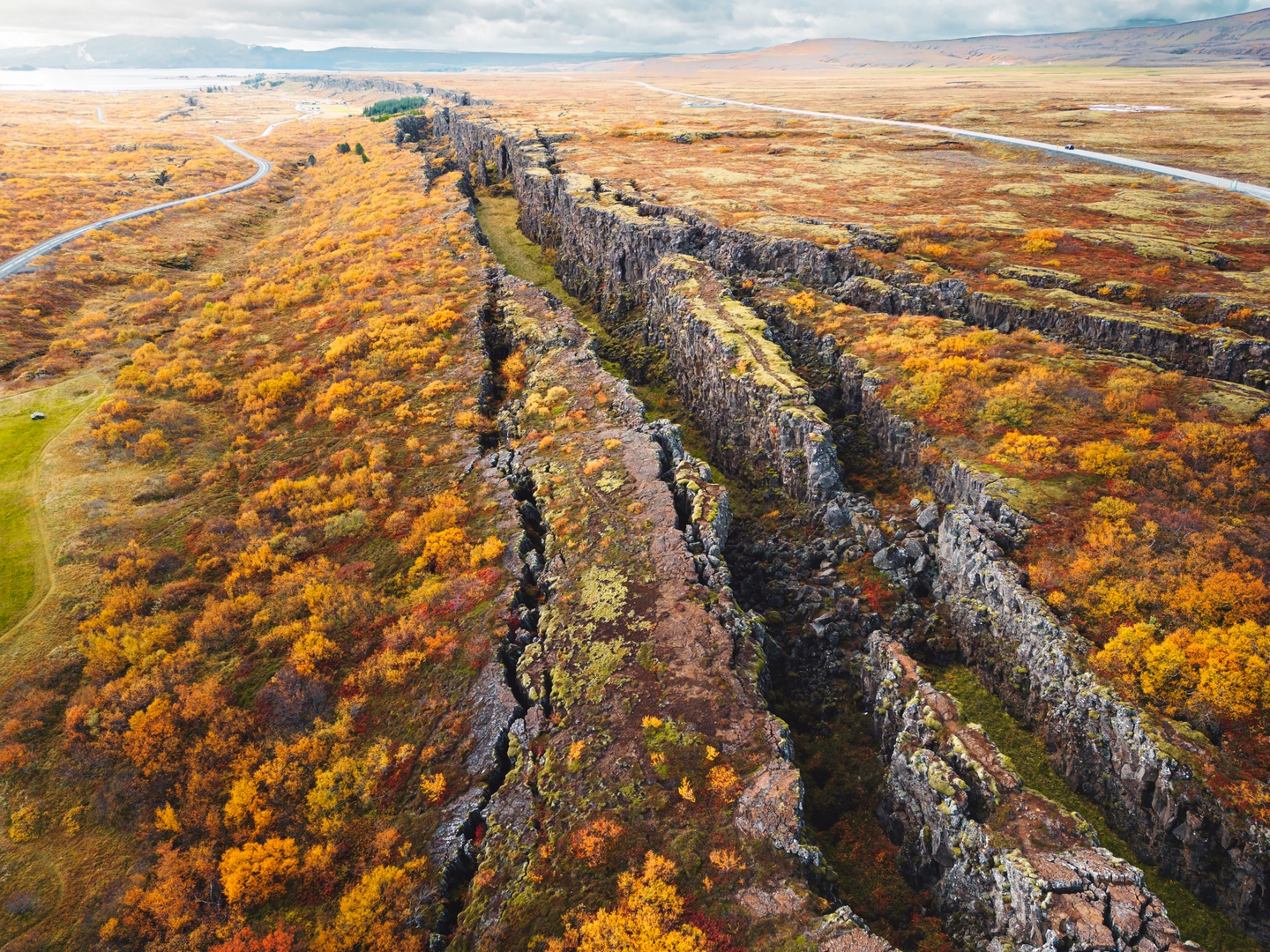
Tectonic plates meet in several place, such as here in Iceland
Tina Zupancic/Getty
advertisement
Researchers studying the subduction zone where the Juan de Fuca and Explorer plates move underneath the North American Plate believe they may have seen the first clear evidence of a “death” phase. This refers to the point where a subduction zone begins to break down and stop functioning as it normally would.
Dr. Brandon Shuck, a lead author on the study, helped document this phenomenon using a mix of seismic reflection imaging and earthquake records. These tools let the team see how the plates behave beneath the surface and how they may be changing over time.
Dr. Shuck said: "Getting a subduction zone started is like trying to push a train uphill - it takes a huge effort. But once it's moving, it's like the train is racing downhill, impossible to stop. Ending it requires something dramatic - basically, a train wreck."
Using a 15-kilometer-long “streamer” equipped with sensitive listening devices, the research team gathered data that pointed to a surprising conclusion: plates do not collapse all at once. Instead, they fail in stages.
The researchers found that pieces of a subducting plate can break off little by little, rather than in a single violent shift. This slow unraveling paints a different picture of how these systems shut down.
"So instead of a big train wreck, it's like watching a train slowly derail, one car at a time," Dr. Shuck explained.
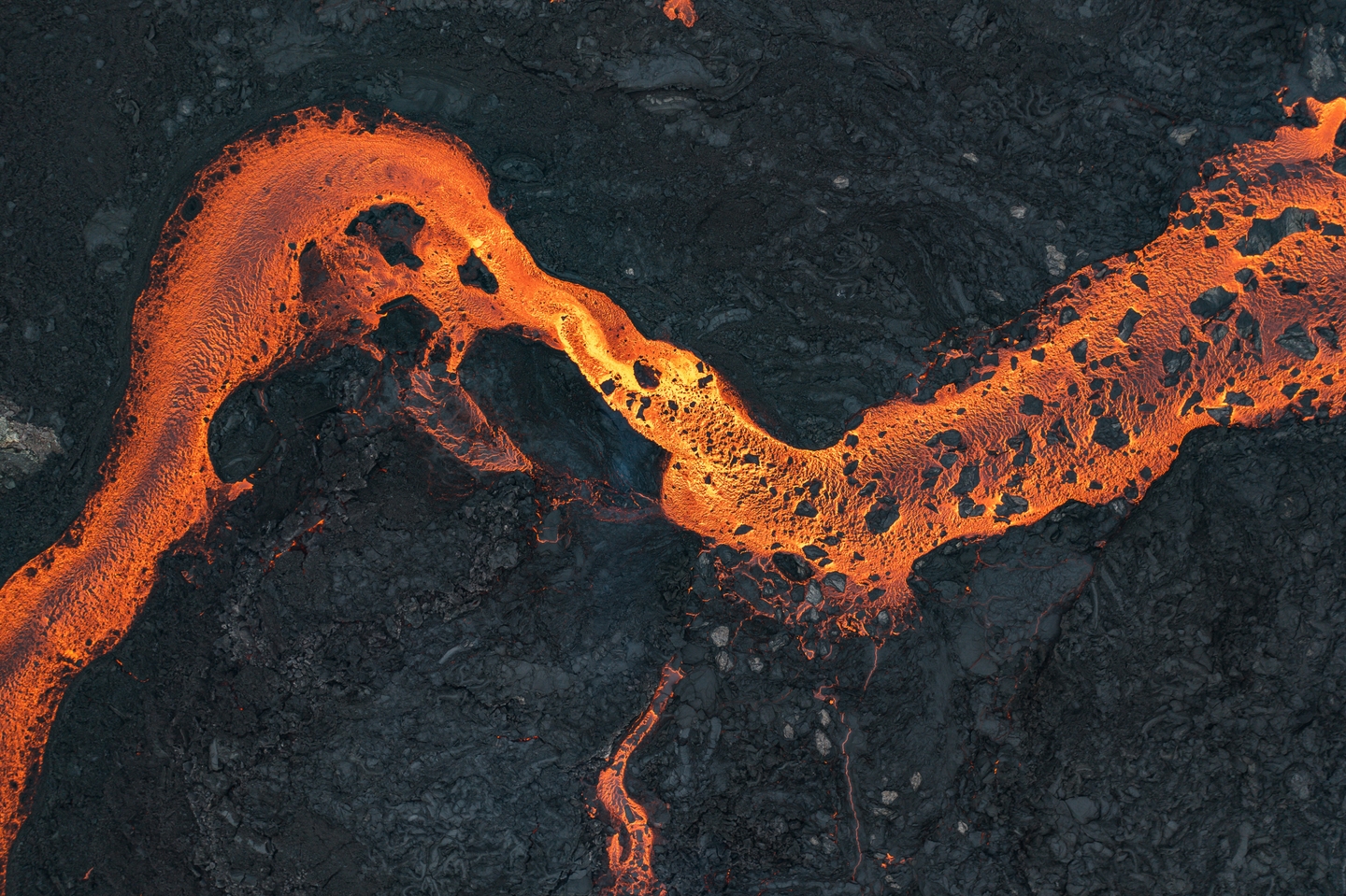
Fault lines between plates can see a lot of geological activity
Arctic-Images/Getty
advertisement
There is one particular section of the subducting plate that has drawn their attention because it appears to be close to breaking off completely. This section is showing signs that it may be in the final stages of detaching from the rest of the plate.
Dr. Shuck said: "There's a very large fault that's actively breaking the [subducting] plate. It's not 100% torn off yet, but it's close."
"Once a piece has completely broken off, it no longer produces earthquakes because the rocks aren't stuck together anymore."
advertisement
The researchers hope their findings will help geologists understand similar processes happening in other parts of the world. Places like Baja California, which contains fragments of “microplates,” may offer clues about other subduction zones that could be dying as well.
Even though experts describe this as a geological “train wreck,” it is important to remember that this dramatic process unfolds over millions of years. From a human perspective, these changes happen incredibly slowly, but on a geological scale, they are happening at a rapid pace.