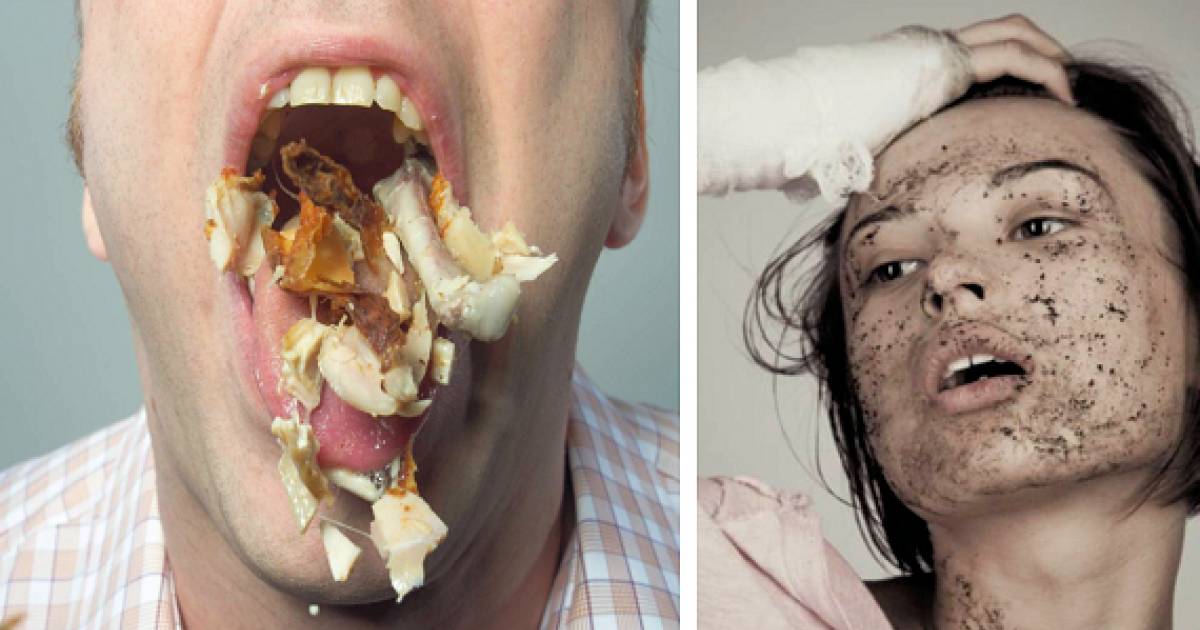
Reality shows and access to information at any given time have made people more aware than ever of eating disorders and habits. For those suffering from these issues, it can be very distressing, but the world craves information on things found odd and bizarre. There are many different eating disorders out there that we never hear about, though, like the need to eat chopped wood.
Eating Disorders That You Probably Didn't Know About
By
Editorial Staff in
Bizarre
On 5th August 2016
advertisement
#1 Pica
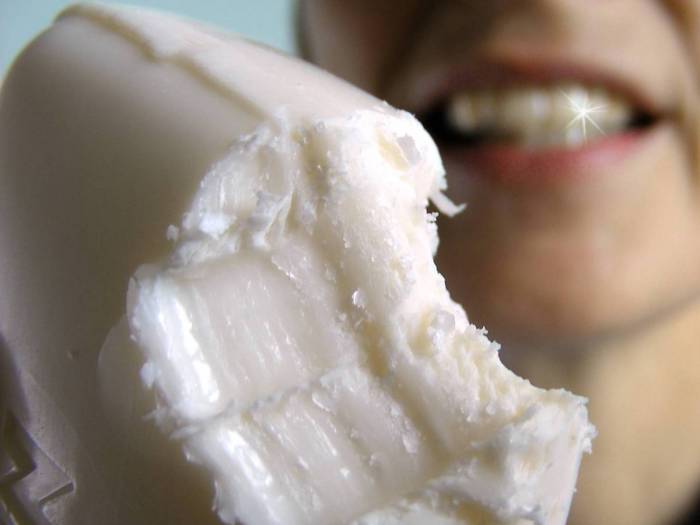
This is actually now considered more of a mental disorder than it is an eating disorder but remains one of the most bizarre and controversial practices ever found in humans. People who live with pica have an obsessive compulsive feeling to eat non-food items such as glue, chalk, paint, soap, or even cigarette butts. There are documented cases of people who consume enormous amounts of styrofoam, bleach, and even sponges.
#2 Anthropophagy
Not to be confused with "anthropology," this is a real disorder that many believe is no longer in use. Sadly, it does exist, and it's a fancy word for cannibalism, or eating human flesh. Civilized cultures frown upon this practice, but there are still tribes in remote locations of Africa and South America where the consuming of human flesh is considered normal. There are also people living in the modern world who also enjoy this, and sometimes they will obtain willing victims who let them eat fatty portions of their bodies.
advertisement
#3 Orthorexia
You probably know people with this affliction. It's the unnatural desire to eat healthy. Like, really healthy. While this may seem as if it would be a great thing, orthorexics take being cautious about organic and what they see as pure foods to a level that can overtake their lives and impede on their eating habits. Most orthorexics eventually become vegan or eventually are overcome by a more extreme disorder, like anorexia.

#4 Chewing And Spitting
People who suffer from disorders like anorexia nervosa are usually eaters and spitters, but not all eaters and spitters have anorexia. Of course, the anorexic does it to keep the weight off and limit the calorie intake, but some people eat then spit out their foods out of habit. This is also not the same as bulimia, where the person purges, as this food is simply chewed like gum, then spit out before swallowing. It's not rare but is controlled in most people by smoking, sucking on mints, or chewing gum.
advertisement
#5 Bigorexia
Muscle heads are commonly diagnosed with Bigorexia, which is the need to make oneself grow bigger in every way possible. There are several variations on this disorder, including those who simply want to gain fat, but most afflicted with the disorder want muscles, and lots of them.More men have this than women, but it is not uncommon in females. The Bigorexic often resorts to steroids or growth hormones and begins an unhealthy diet. Their perception of themselves is that they aren't muscular or big enough, no matter how much they've actually gained.

advertisement
#6 Xylophagia
People who suffer from xylophagia have an unusual compulsion to eat wood. They commonly ingest pencils, paper, or bark off of trees. Very small children have a tendency to test their limits and eat anything, so the disorder diagnosis leans more to adults who consume wood or paper on a regular basis. It is believed that one in every 8,000 people enjoy eating wood in one form or another. Hello, toothpick chewers!

advertisement
#7 Trichophagia
Many humans have Trichophagia. This is the desire to eat or chew your own hair. Doctors believe that all mammals are born with this disorder, though most grow out of it very quickly. You've seen the nervous teenager twirling and munching on her hair? People with severe trichophagia often have to have surgery to remove large hairball blockages that get stuck in the intestines, causing major health issues while making it impossible for food to be digested. Some patients diagnosed with this pull out their own eyelashes and eat them.

advertisement
#8 Urophagia
The drinking of urine is diagnosed as urophagia. This doesn't mean that a person drinks their own pee, they may drink others as well. Remarkably, this practice is now considered fairly safe and is more widespread than previously believed.

advertisement
#9 Geophagy
People with this disorder like to get dirty. Even worse, they like to eat dirt, mud, and clay. Children are not considered in this diagnosis since they eat and play in the dirt and mud all the time. Adults, however, who have geophagy can become severely ill when eating dirt that has been mixed with minerals, chemicals, and even animal feces. The parasites and bugs cause other illnesses once ingested.

advertisement
#10 Dermatillomania
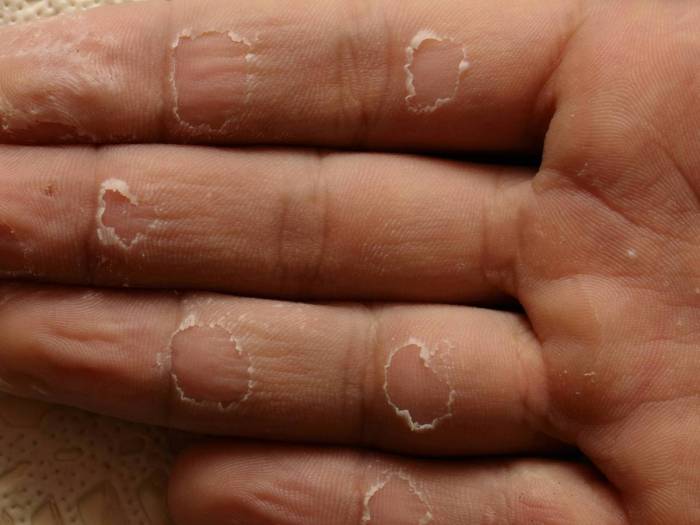
Dermatillomania is a control disorder where a person repeatedly and almost continuously picks at their skin, usually on their face, but it can be anywhere on the body. It is a nervous habit that can be overwhelming. Some people with dermatillomania go a step further and eat what they pick off, including dead skin and scabs. Some cases involve inflicted people who enjoy eating fingernails, moles, and even dried mucus from the nose or eyes.
advertisement
#11 Body Dysmorphic Disorder
Many people with body dysmorphic disorder are misdiagnosed with other eating or mental disorders. These people have a distorted view of themselves and their bodies. They see flaws where they are not present, and see imperfections that do not exist. While this disorder isn't relegated specifically to diet, the effect can have an impact on someone's eating habits. A person at a healthy weight can see themselves as obese, even though they aren't, and can begin to diet and exercise as if they weigh much more than they do. Some patients see themselves as fat, but some see themselves as too thin. Yet others with the same disorder may believe their nose is not right, or their breasts are not big enough, which is why the disorder is often diagnosed incorrectly. Plastic surgeons seeing an increase of patients with this disorder as they are coming in for unnecessary surgeries.

advertisement
#12 Anorexia Athletica
If you are overly obsessed with exercising, you may have Anorexia Athletica. These people may look as if they love all things fitness, but the underlying theme between them and a person who likes to hit the gym frequently is that it has a negative impact on their day to day activities, work, and relationships. No matter how much they exercise or work out, it is never enough. The disorder is often accompanied by an extreme cut in calories and food intake, which causes severe health risks.